A House in Japan: Life Lessons from Japanese Architecture
Come le case del Giappone insegnano nuovi modi di abitare tra minimalismo, spazio e creatività
Pubblicato il:
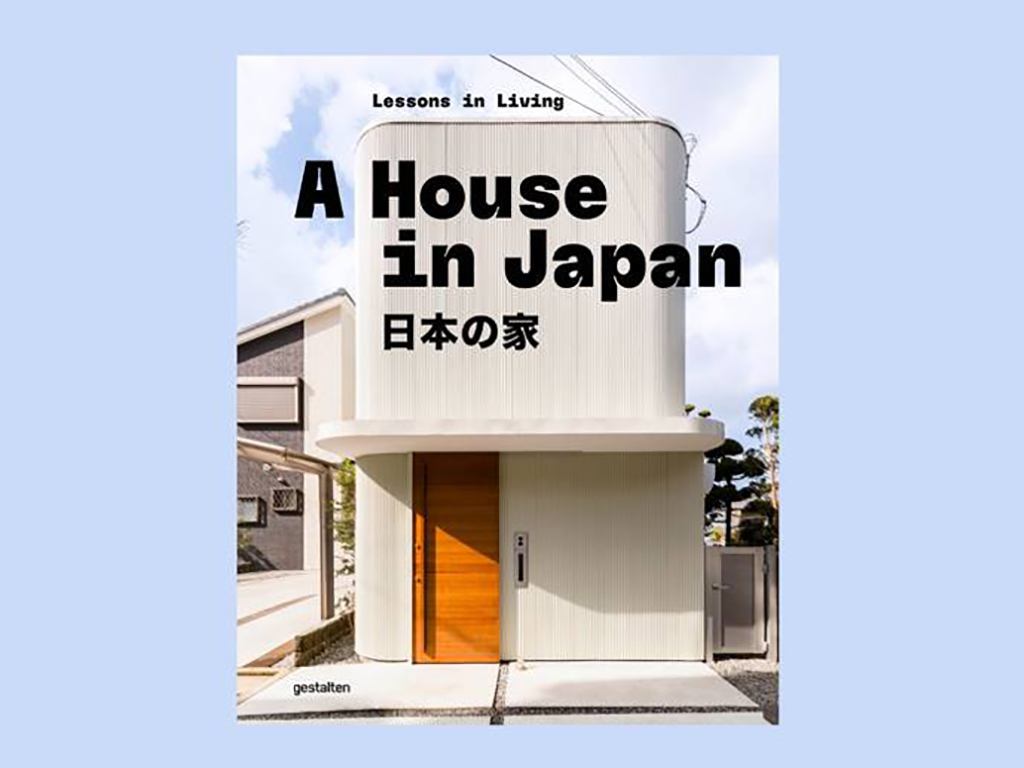
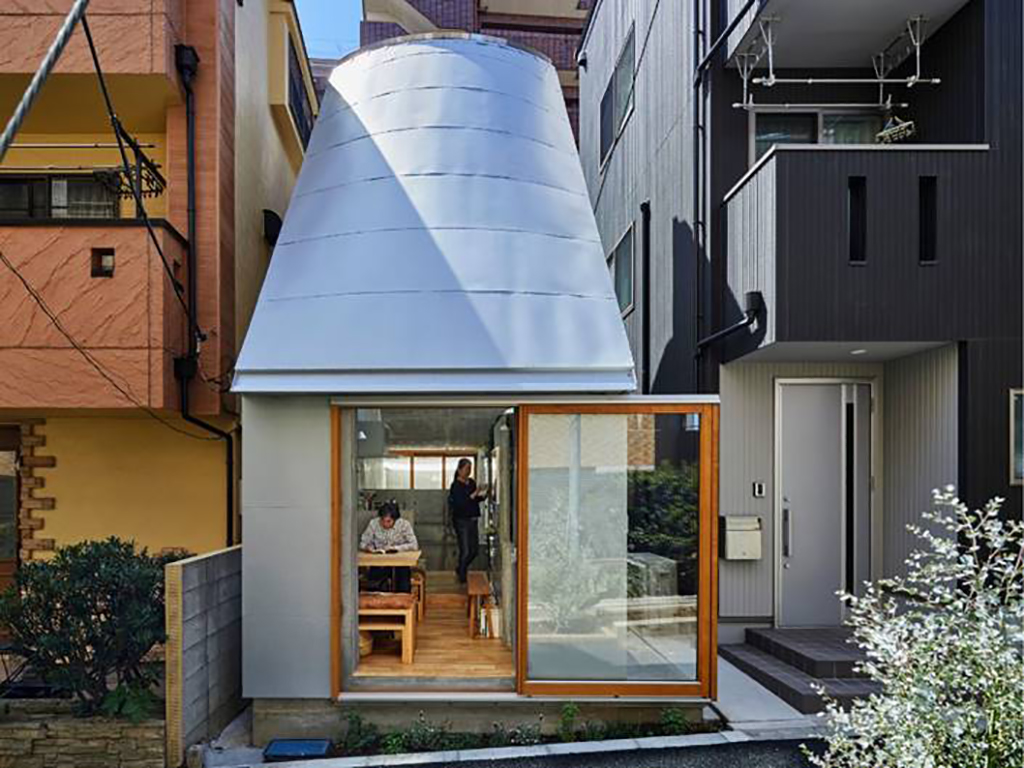
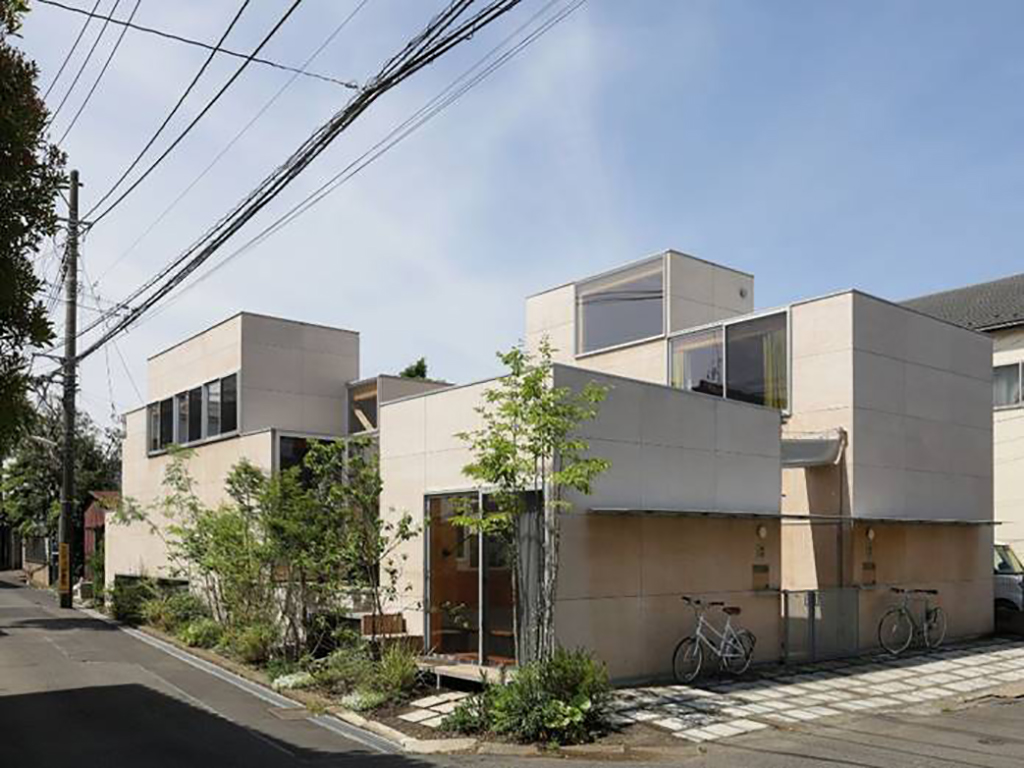
Nel panorama editoriale dedicato all’architettura contemporanea, il volume “A House in Japan: Lessons in Living” rappresenta uno sguardo affascinante sulla cultura dell’abitare nel Paese del Sol Levante. Pubblicato dall’editore creativo Gestalten, il libro esplora alcune delle abitazioni più innovative del Giappone, mostrando come spazi apparentemente limitati possano trasformarsi in luoghi sorprendenti e profondamente funzionali. The central theme of the work is the relationship between Japanese architecture and everyday life. In Japan, in fact, the home is not just a physical space but a laboratory of ideas where new ways of living are experimented. This approach has helped to redefine key concepts such as living space, home design and residential architecture, with an emphasis on simplicity, functionality and adaptability. One of the most interesting aspects of the book is the attention to space management. The houses presented demonstrate how small houses can offer innovative architectural solutions, transforming urban constraints and small dimensions into creative opportunities. In dense cities like Tokyo, Japanese urban planning has pushed architects and designers to develop innovative forms of architecture capable of exploiting every square meter, often through vertical levels, multifunctional environments and modular solutions.
Galleria immagini
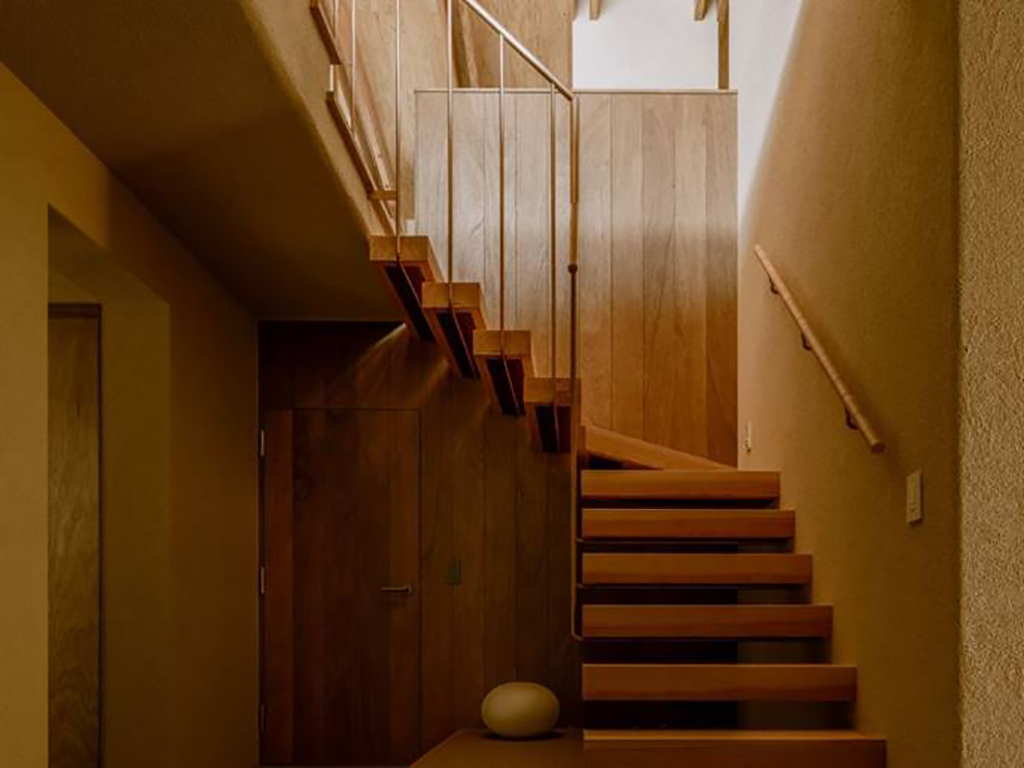
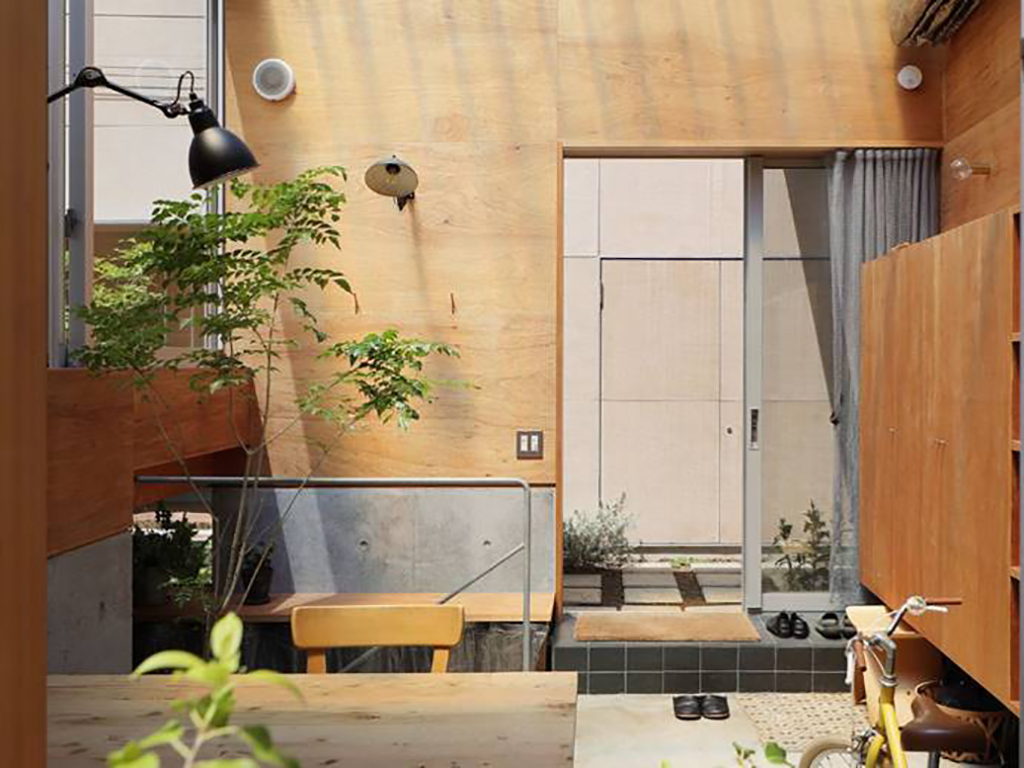
This design philosophy is deeply linked to Japanese minimalism, an aesthetic current that favors essentiality over excess. In the context of interior design in Japan, the rooms are designed to be flexible, bright and in harmony with the surrounding nature. Elements such as natural light, simple materials and connection with the outdoors become fundamental tools to create a balance between minimalist design and everyday comfort. The book presents over forty contemporary architecture projects, created by studios and architects who interpret the home as a dynamic space. Some homes are designed to adapt to the rhythms of modern life, others experiment with radical configurations of interior space, demonstrating how urban architecture can become a form of creative as well as functional expression. In addition to the aesthetic dimension, a reflection on sustainable architecture also emerges. Many projects show how it is possible to live better with less space, reducing waste and consumption. This vision of minimalist living is not just a stylistic choice, but a concrete response to the environmental challenges and density of contemporary metropolises. “A House in Japan: Lessons in Living” thus becomes much more than one of the many architecture or design books on the market. It is a journey into Japanese living culture , where each house tells a story of creativity, ingenuity and design sensitivity. Through concrete examples and evocative images, the book demonstrates that architecture is not just about buildings and structures, but about the way we choose to live and relate to the space around us.
INFO/PHOTO COURTESY: Mackenzie McAlarney – Public Relations Coordinator