How quality outdoor furniture is born: behind the scenes of design
Processes, materials and design research that define the value of contemporary outdoor spaces
Pubblicato il:
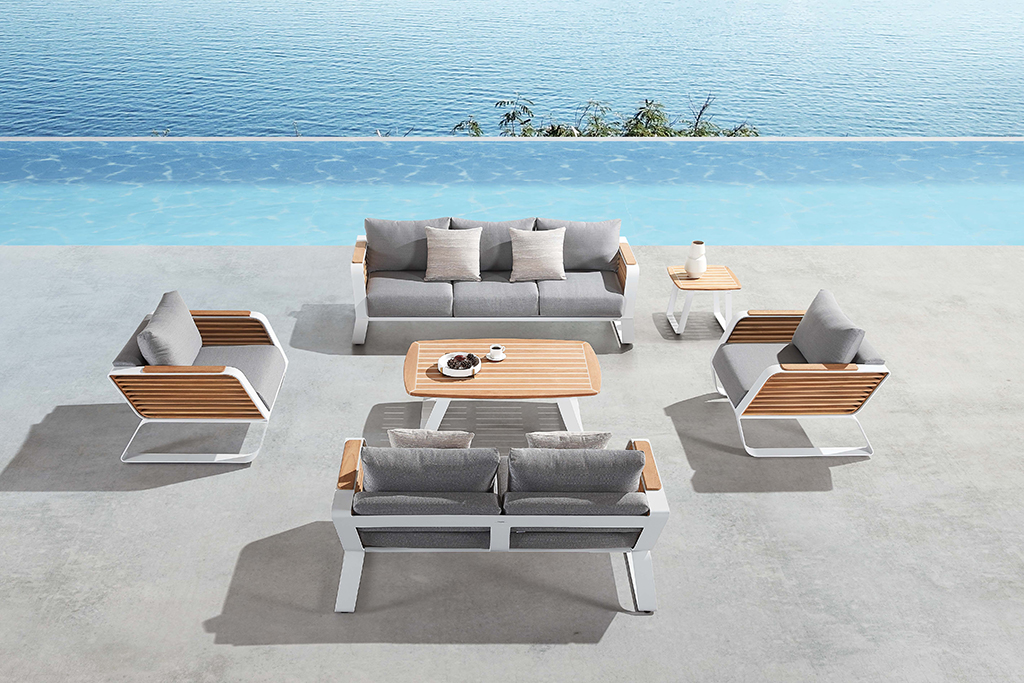
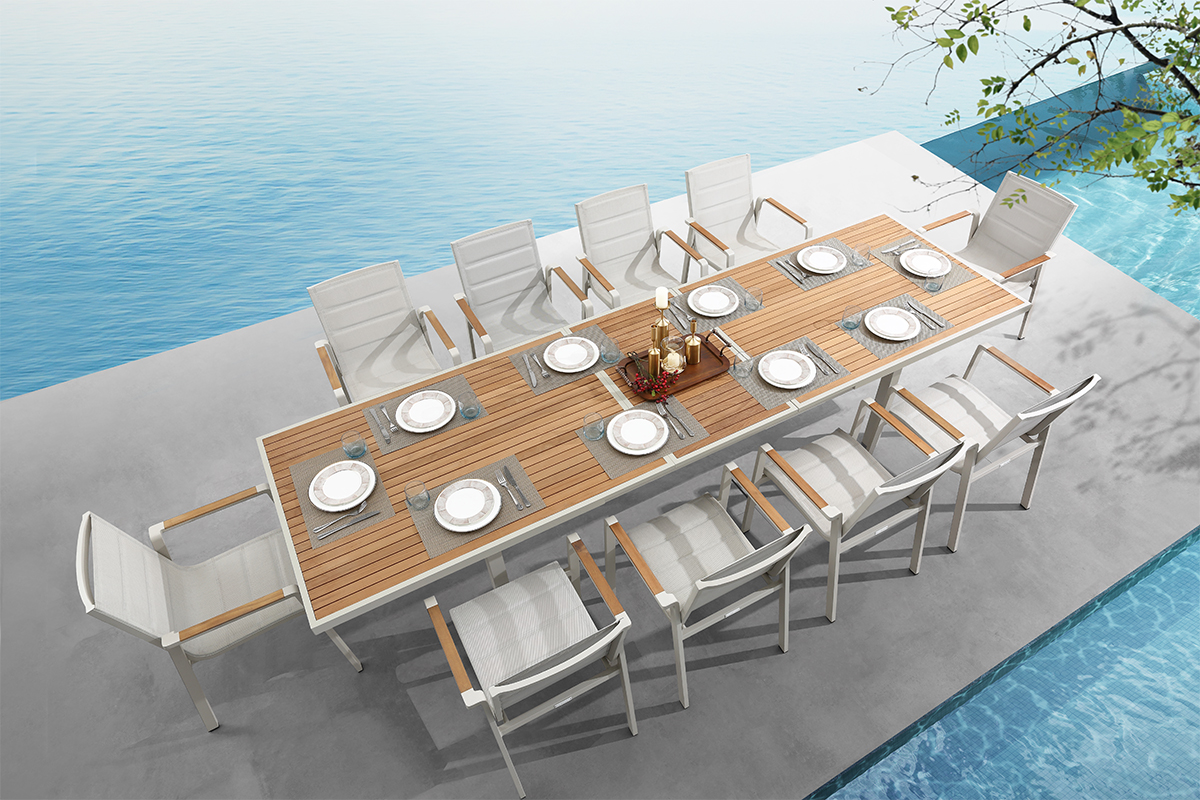
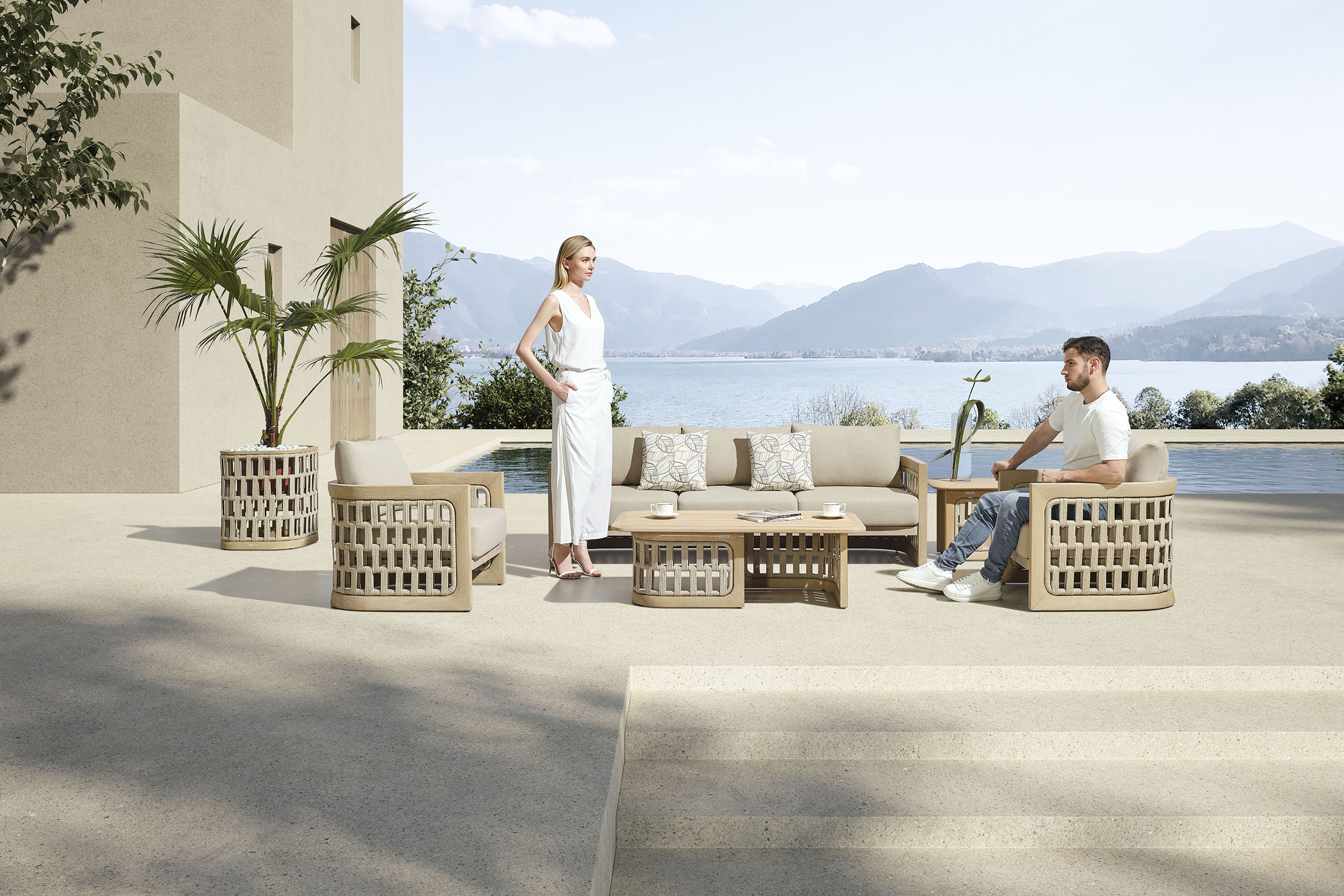
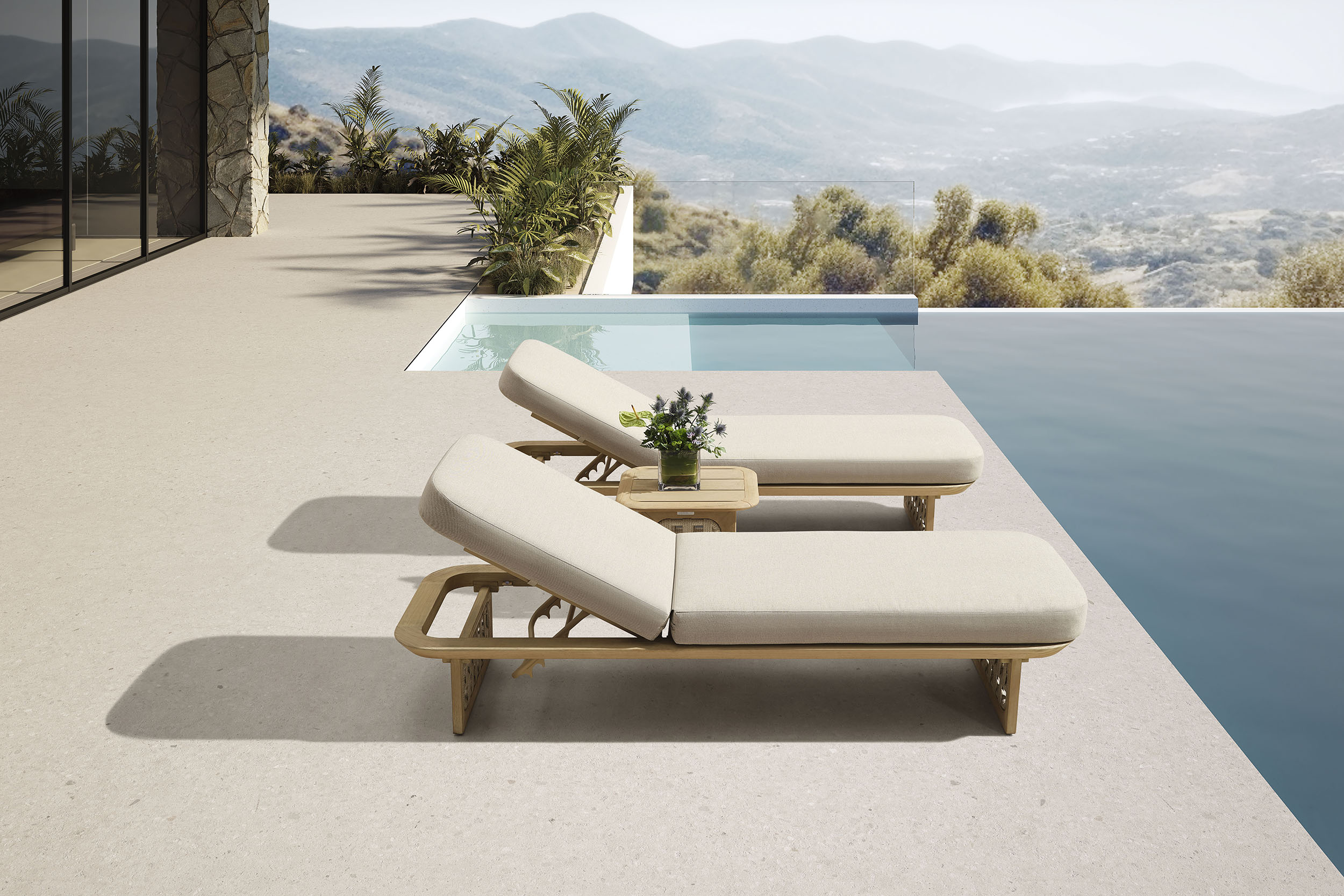
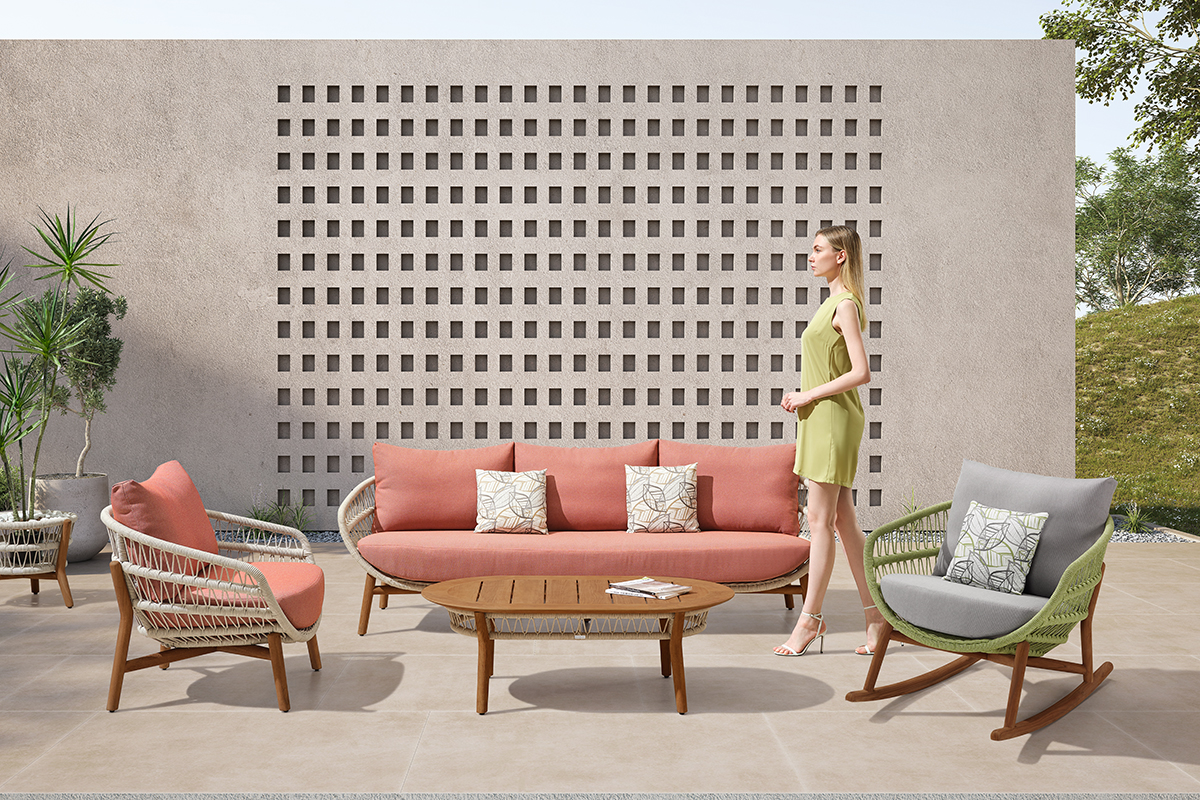
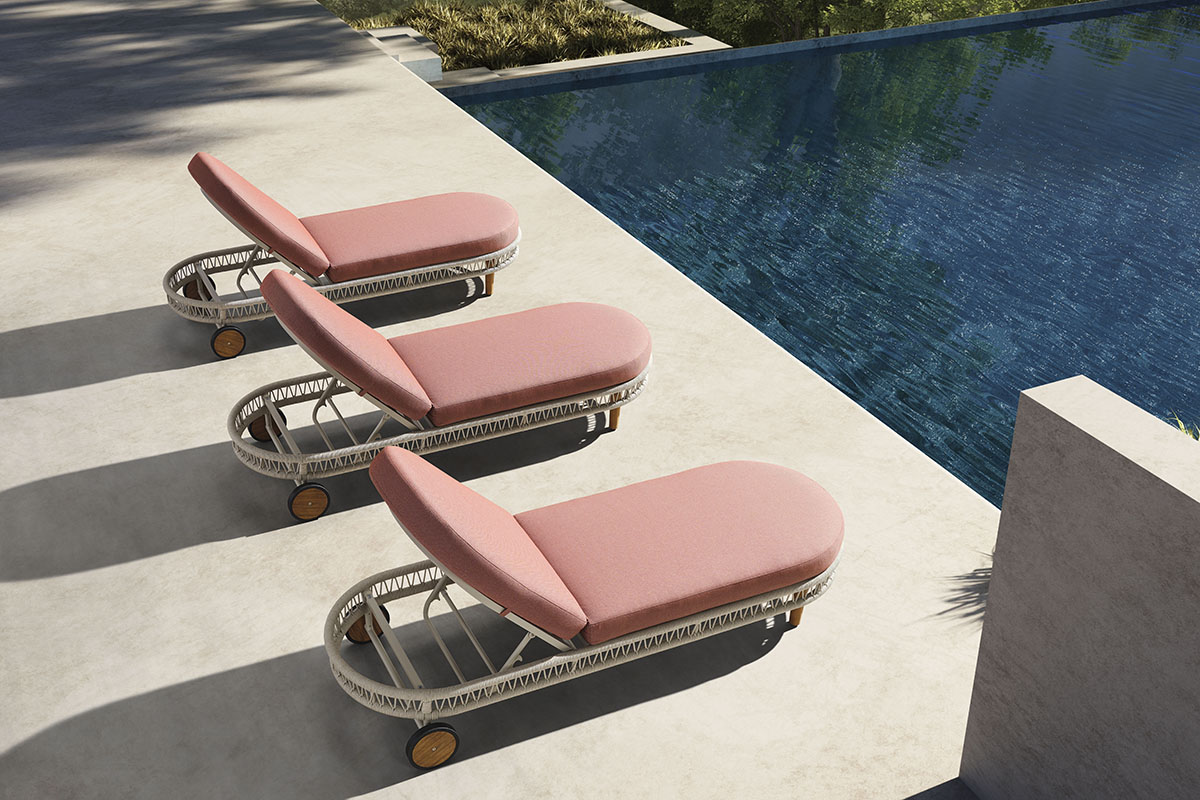
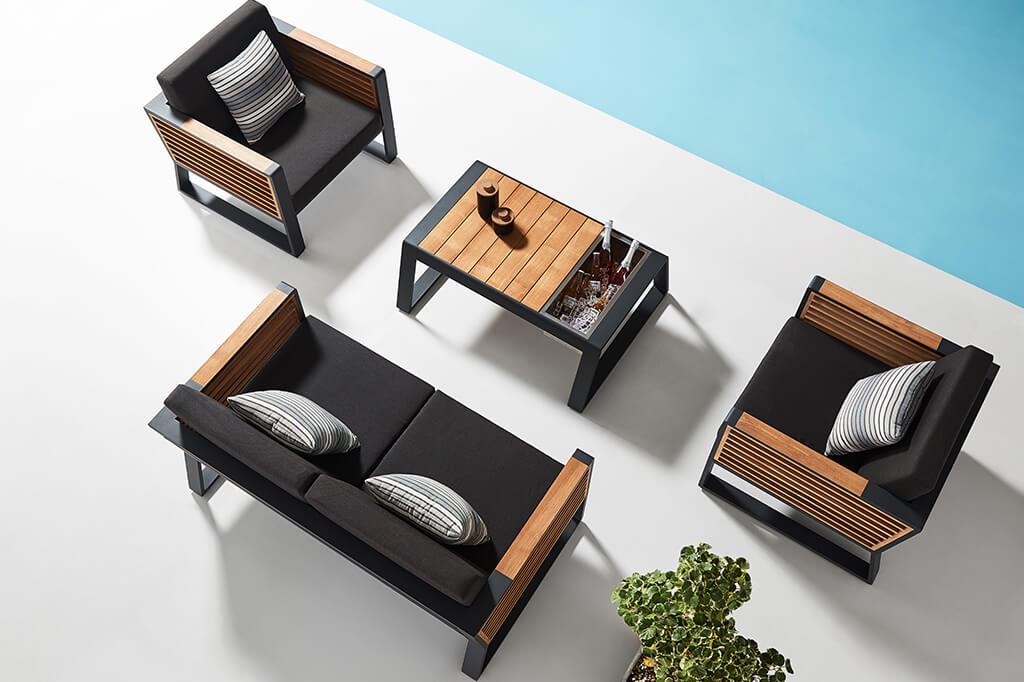
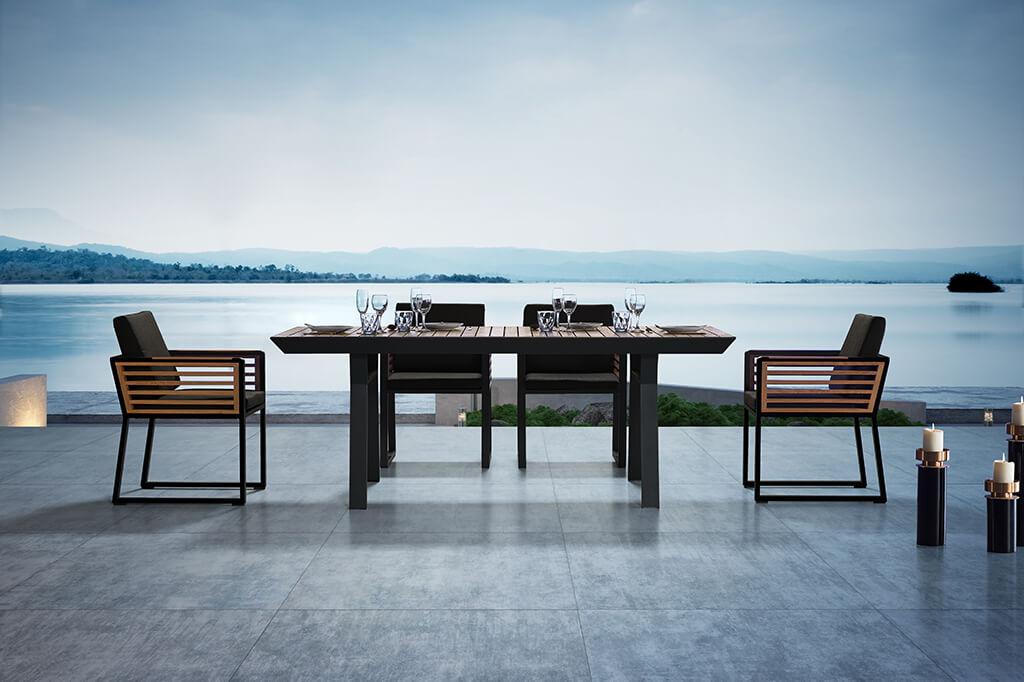
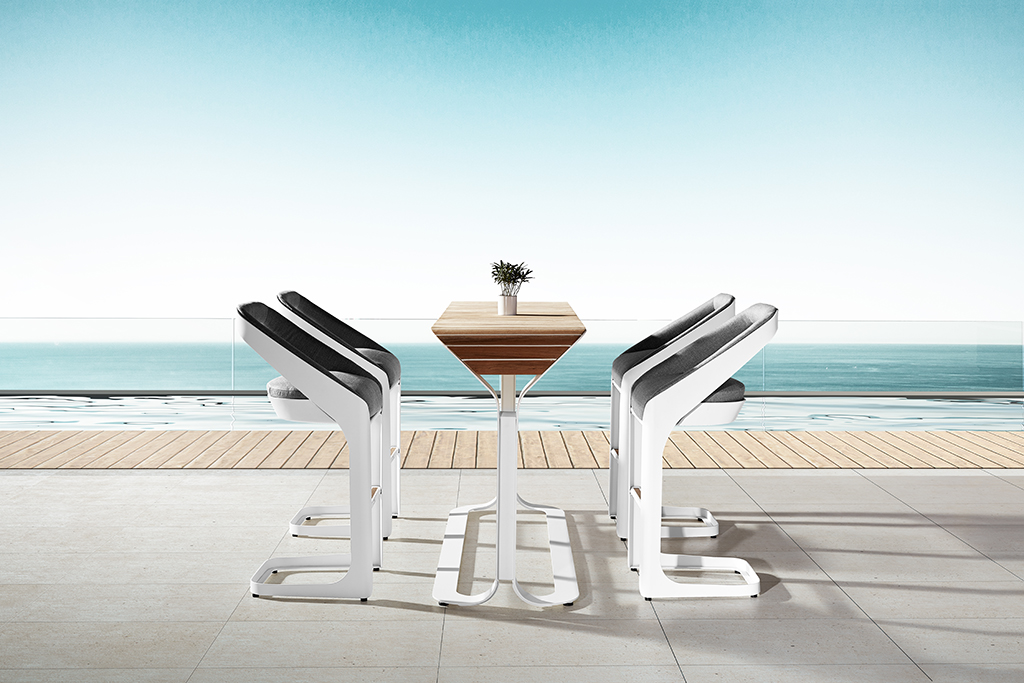
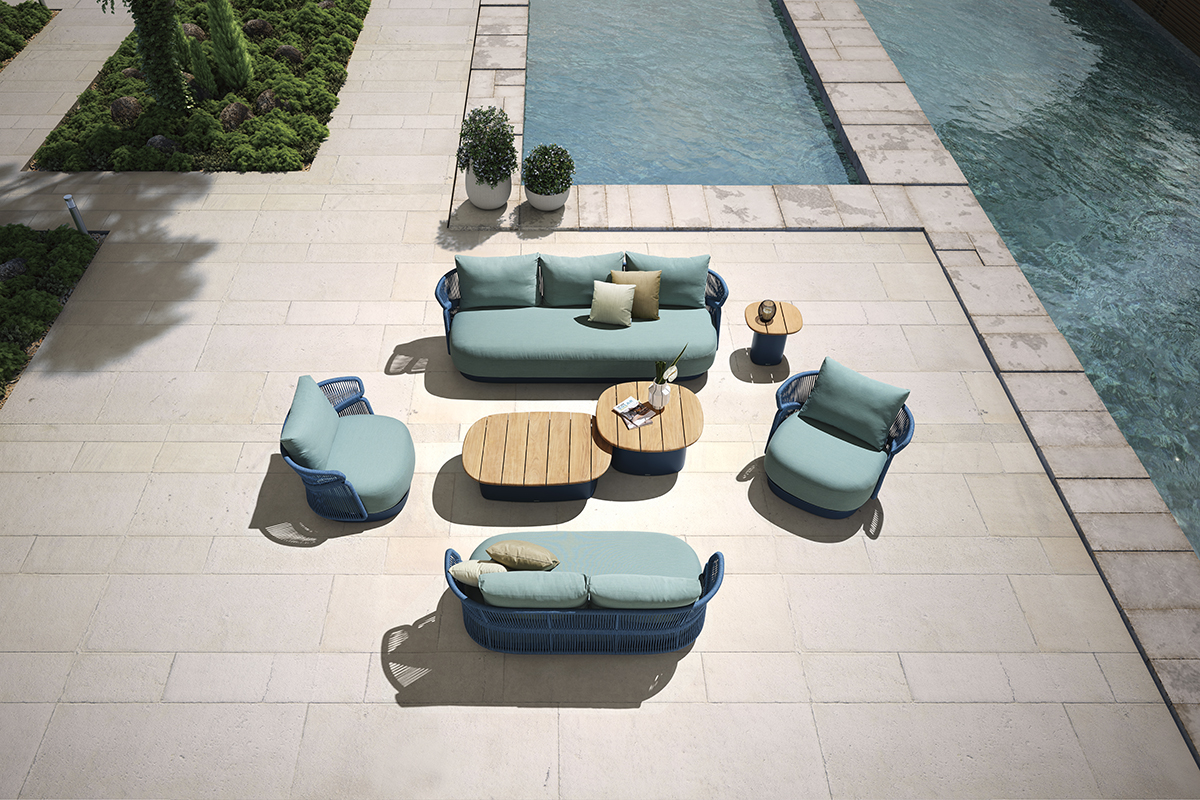
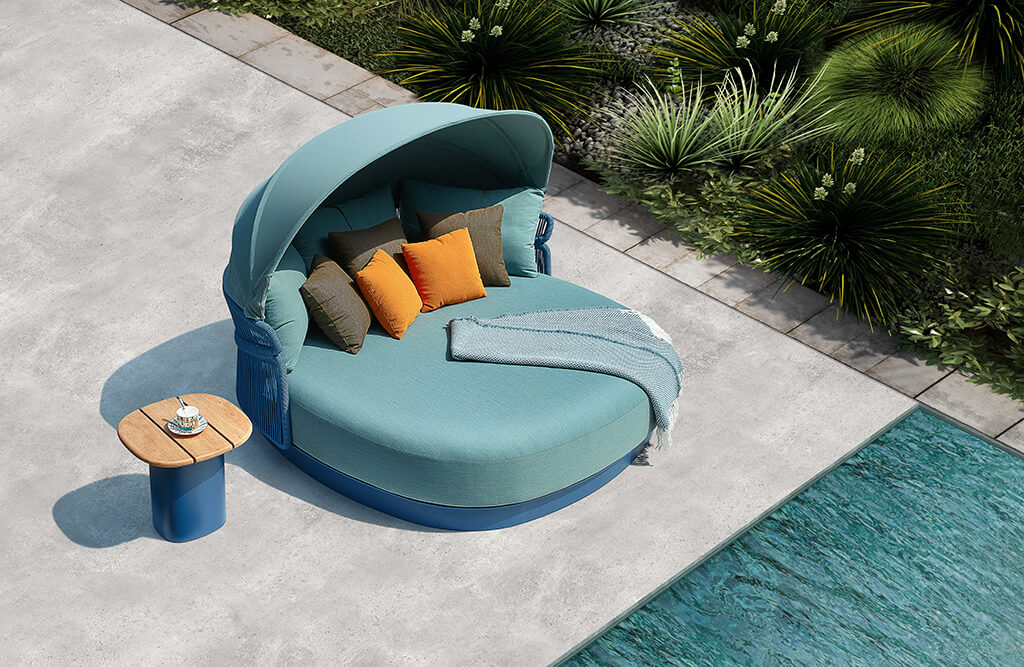
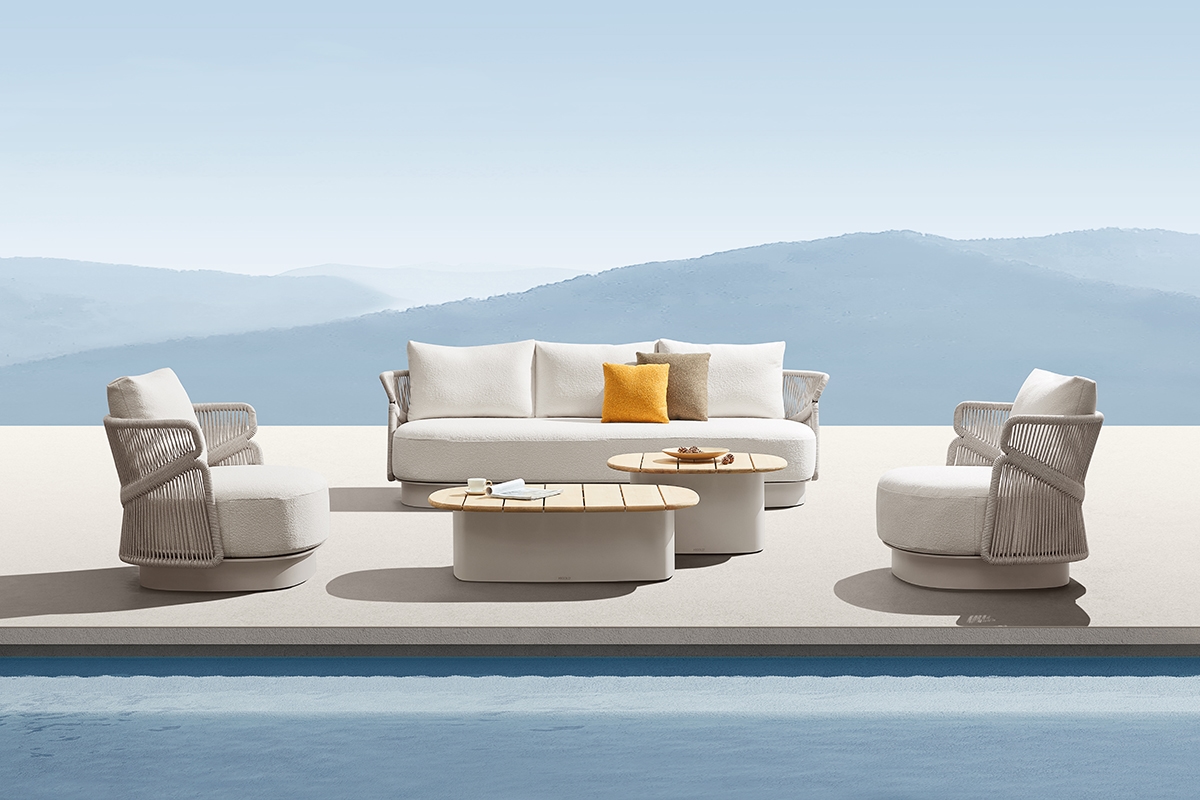
Behind every element of quality outdoor furniture there is an articulated process that combines design research, experimentation on materials and attention to the user experience. If we look at outdoor seats, tables or lounge systems, we often perceive only the final result; However, the real value of the project lies in the invisible phases that precede production, where ergonomics, durability and formal language are defined. The first step concerns the analysis of the context. Designing for the outdoors means dealing with complex variables such as sun exposure, humidity, temperature fluctuations and intensive use. For this reason, outdoor design is the result of climatic and functional studies that influence geometries, proportions and the choice of materials. The goal is to find a balance between aesthetics and performance, so that the furniture maintains comfort and stability over time. A decisive role is played by the selection of outdoor materials. Light metal alloys, breathable technical fabrics, treated surfaces and corrosion-resistant components are the result of continuous laboratory tests and use simulations. Quality depends not only on strength, but also on the ability of the materials to age well, maintaining color consistency and structural integrity.
Galleria immagini
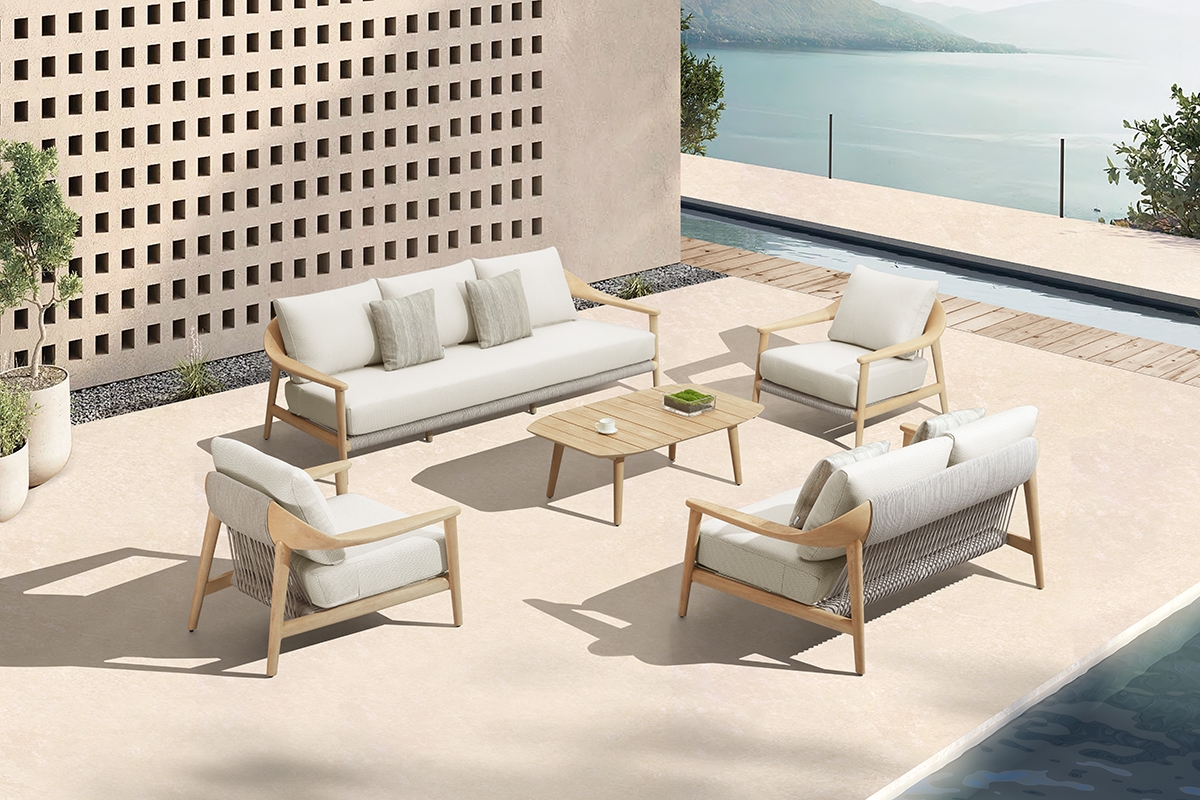
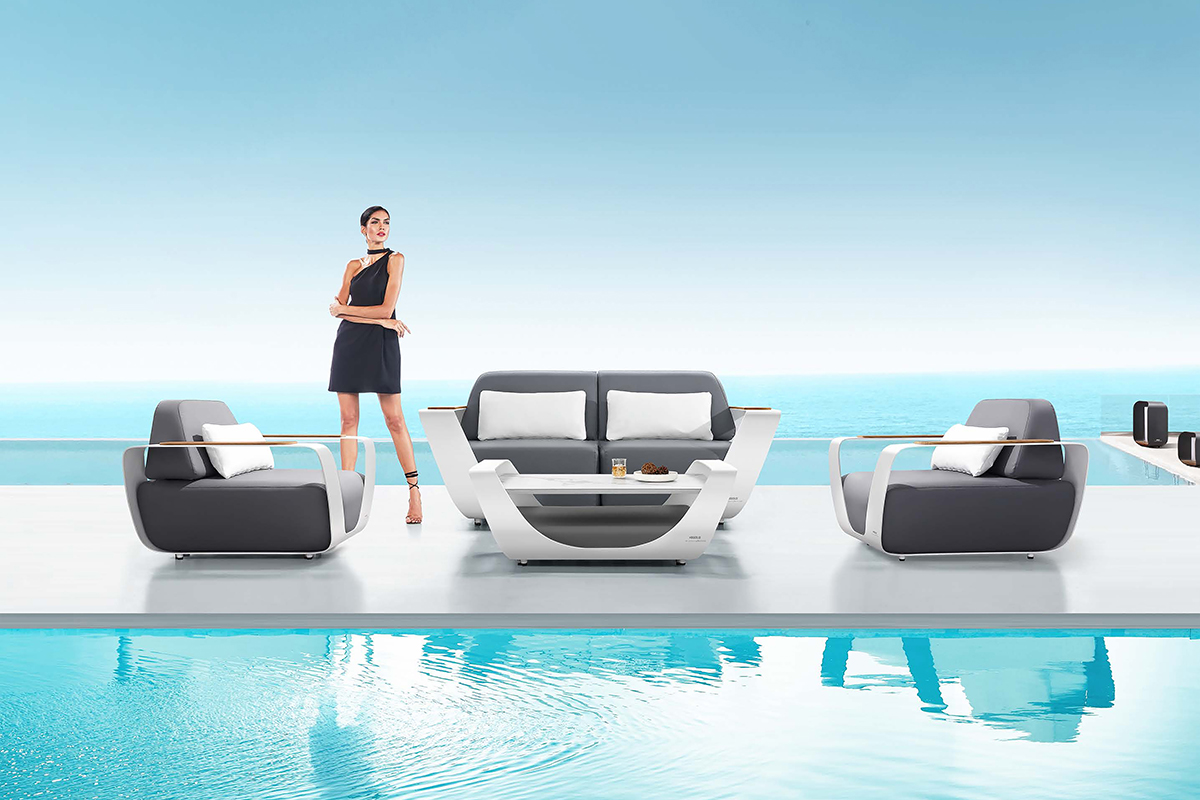
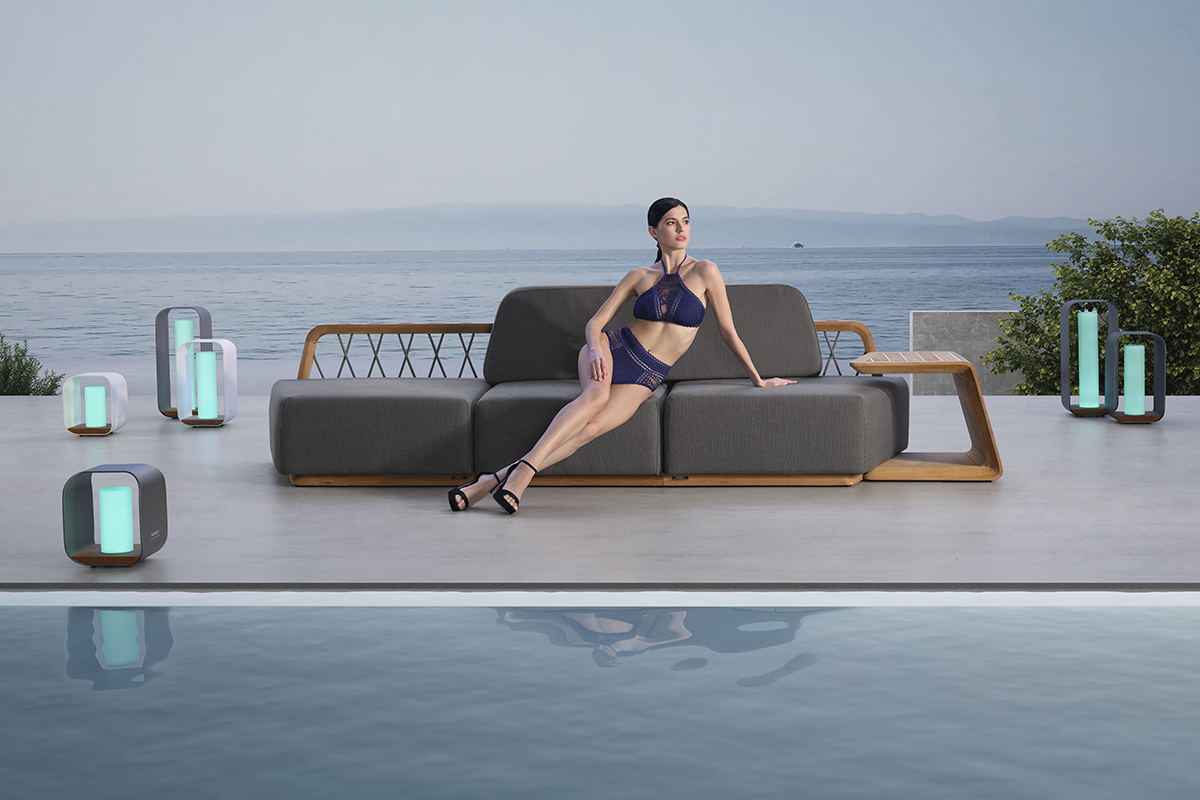
The prototyping phase represents the heart of the creative process. Through physical and digital models, designers verify proportions, comfort and assemblies. This is where the most innovative solutions often emerge, such as concealed joining systems, modular elements or replaceable components that improve maintenance and extend the life cycle of the product. This focus on modular design reflects an increasing trend towards flexible and sustainable design. The production size also has a profound impact on the final quality. Precise machining techniques, finish control, and accurate assembly processes ensure consistency between design and product. In this sense, outdoor furniture becomes the result of a continuous dialogue between designers, engineers and craftsmen, where different skills converge in a single object. In the current panorama, examples such as the outdoor furniture collections of Higold Milano show how the sector is evolving towards a synthesis between formal research and technical performance. The reference to these furnishings allows us to observe how the market interprets quality not as ostentatious luxury, but as the ability to offer durable solutions consistent with the new ways of experiencing outdoor spaces. Another fundamental aspect concerns sustainability. The choice of recyclable components, the possibility of repair and the optimization of production processes help to reduce the environmental impact. Today, a contemporary outdoor project cannot ignore these considerations, which are increasingly central to companies’ strategies and users’ expectations. Understanding how outdoor furniture is born means recognizing the value of a complex process, made up of skills, tests and design vision. It is behind the scenes of design that the perceived quality of outdoor spaces is built: a balance between aesthetics, innovation and functionality that transforms furniture into an integral part of the living experience.