How to choose the perfect outdoor furniture for every architectural style
Lines, materials and proportions: a practical guide to harmonize gardens and terraces with the identity of the
Pubblicato il:
Choosing outdoor furniture is not just a matter of taste: it is an exercise in coherence with architecture, with the landscape and with the way of experiencing open space. Gardens, terraces and courtyards are now true living environments, and as such require conscious design choices. The starting point is always the style of the house: interpreting it correctly means avoiding “standard” solutions and building a natural extension of the interior.
Contemporary architecture: essentiality and lightness
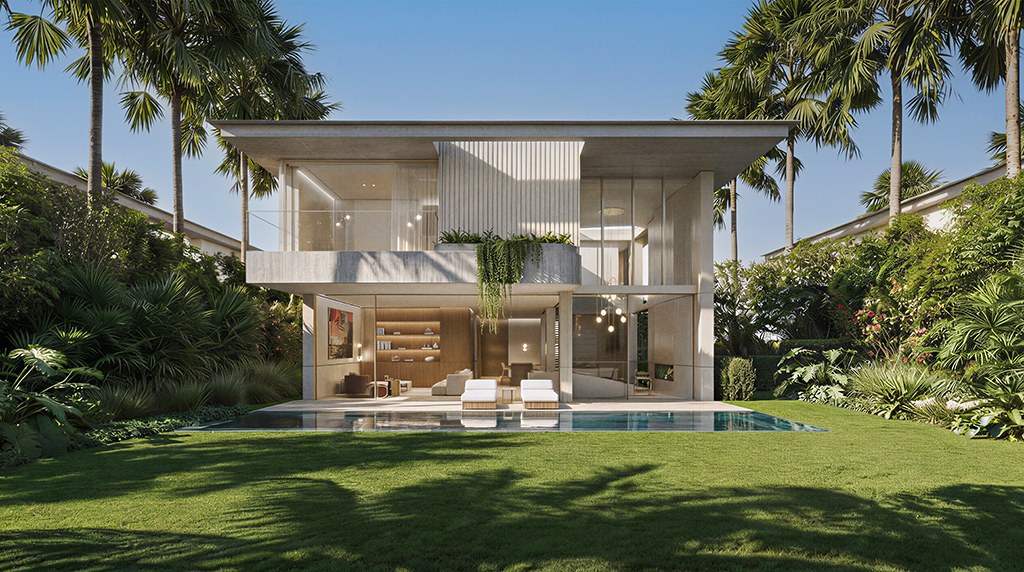
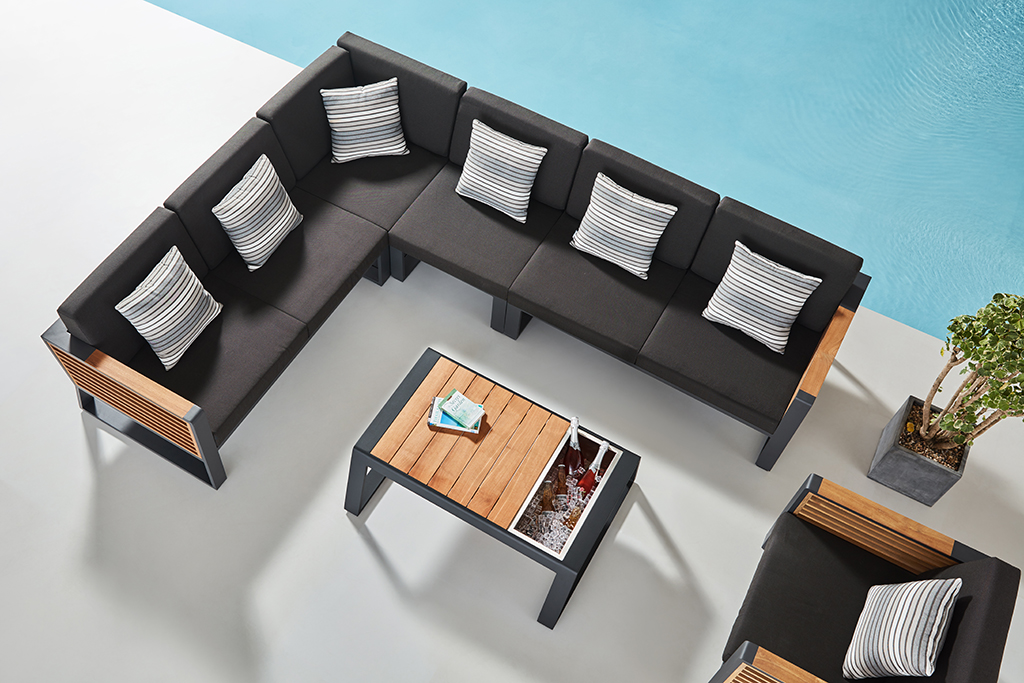
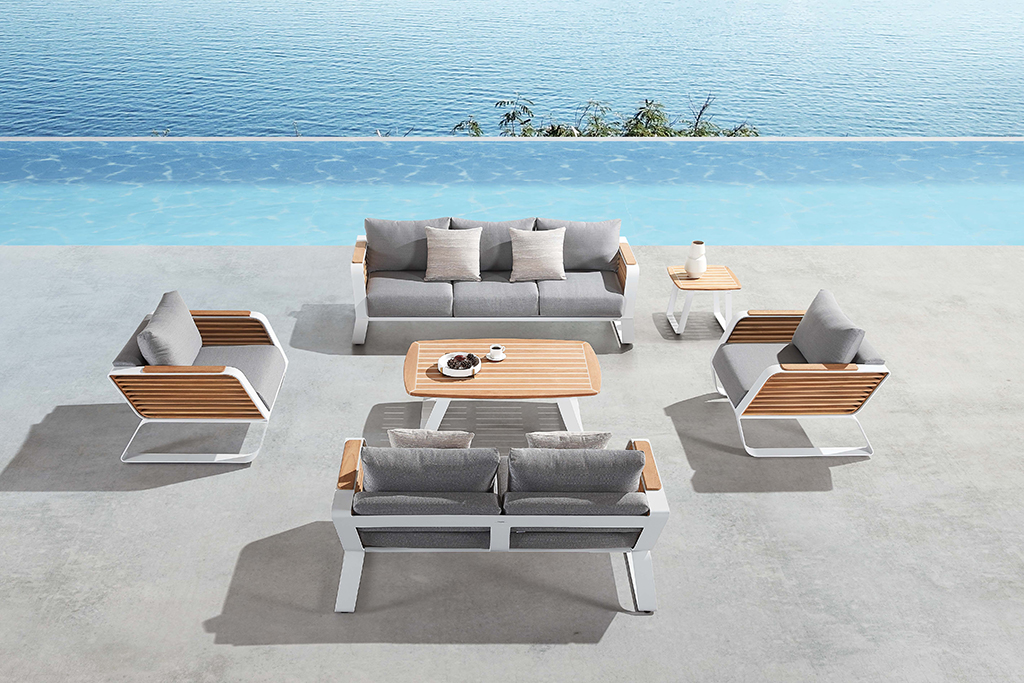
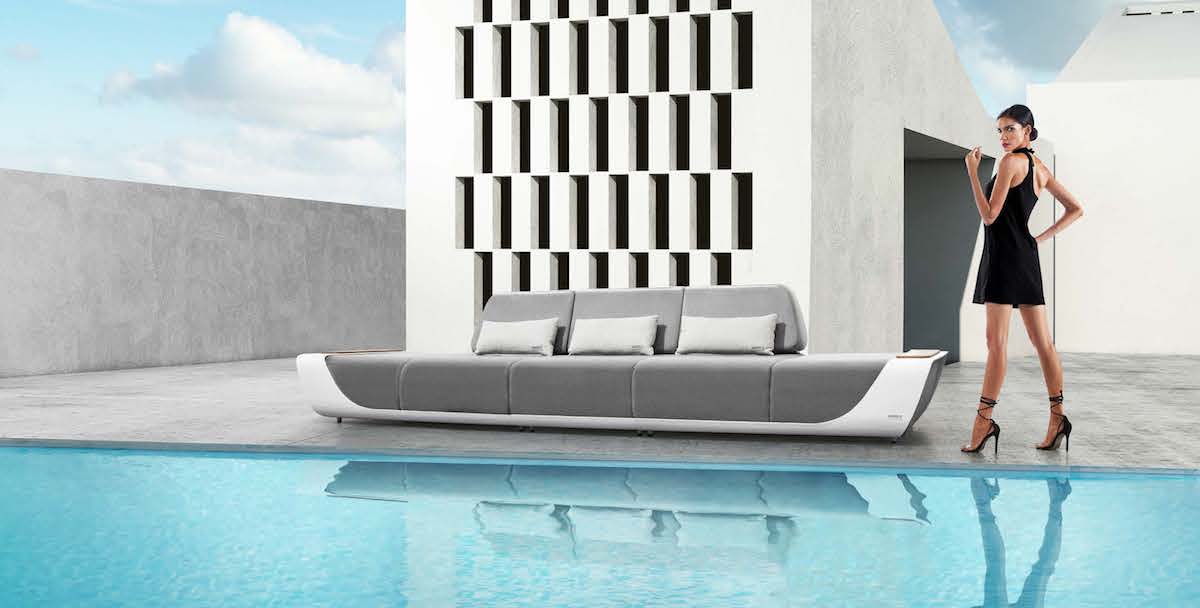
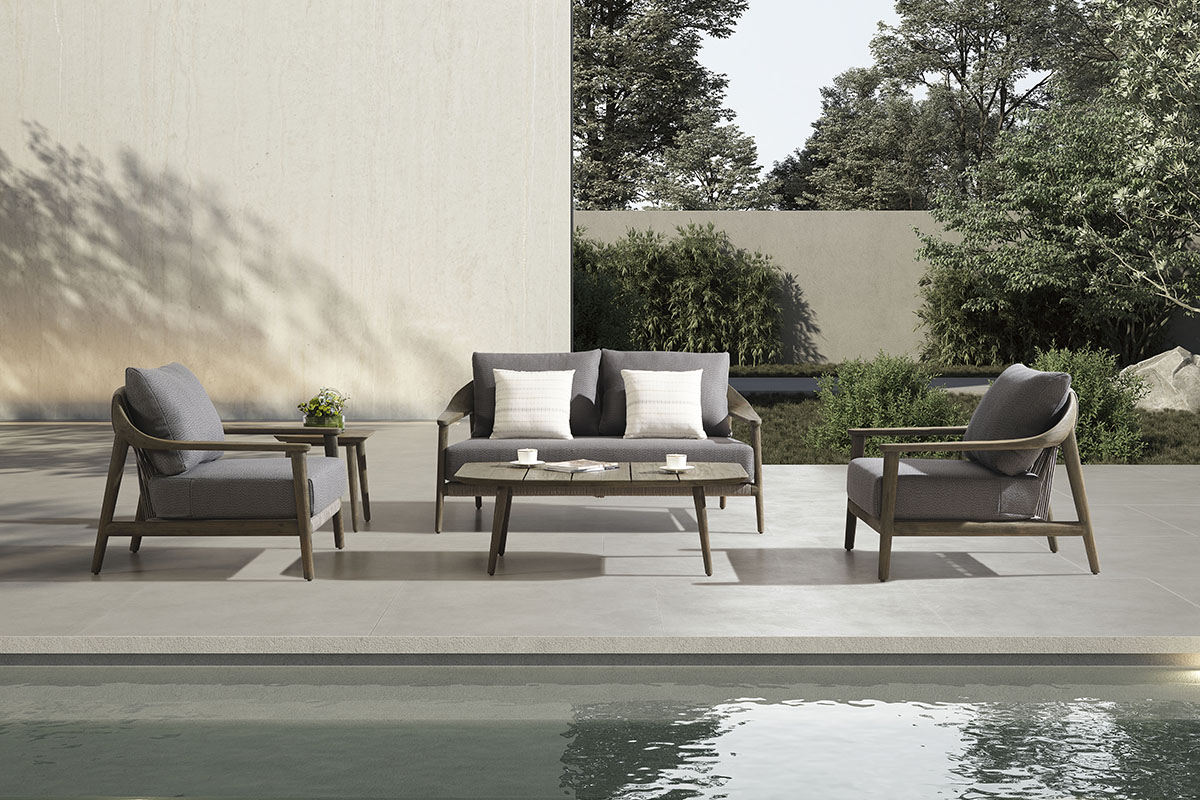
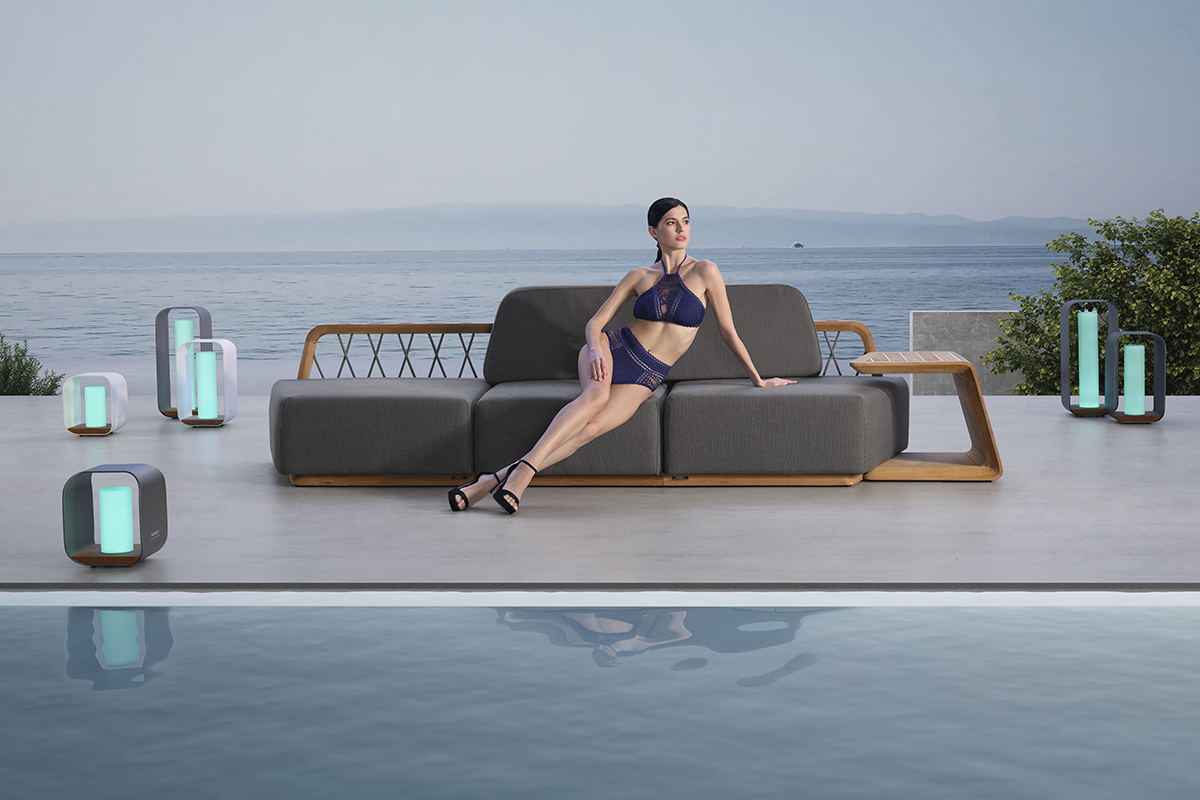
In modern buildings, characterized by clean volumes, large windows and neutral palettes, outdoor furniture must dialogue with the idea of lightness. Aluminium structures, thin surfaces, modular modules and sober colours (grey, sand, anthracite) maintain visual continuity between inside and outside. Comfort remains central, but is expressed with ergonomic seats and technical fabrics with discreet textures. In this context, some of Higold Milano’s outdoor furniture collections offer a measured design language, which favors durable materials and balanced proportions, without overloading the space.
Classical or historical contexts: matter and proportion
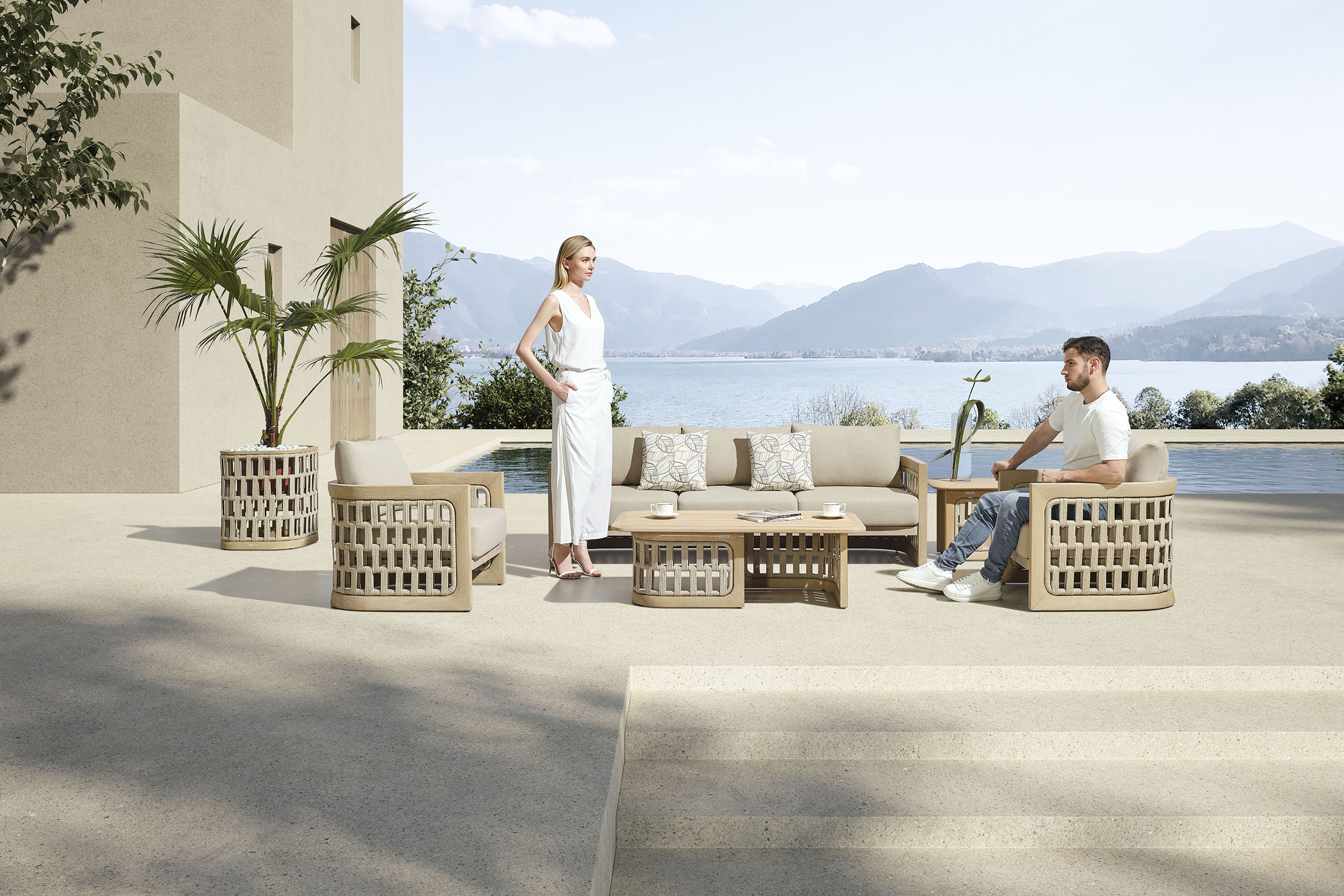
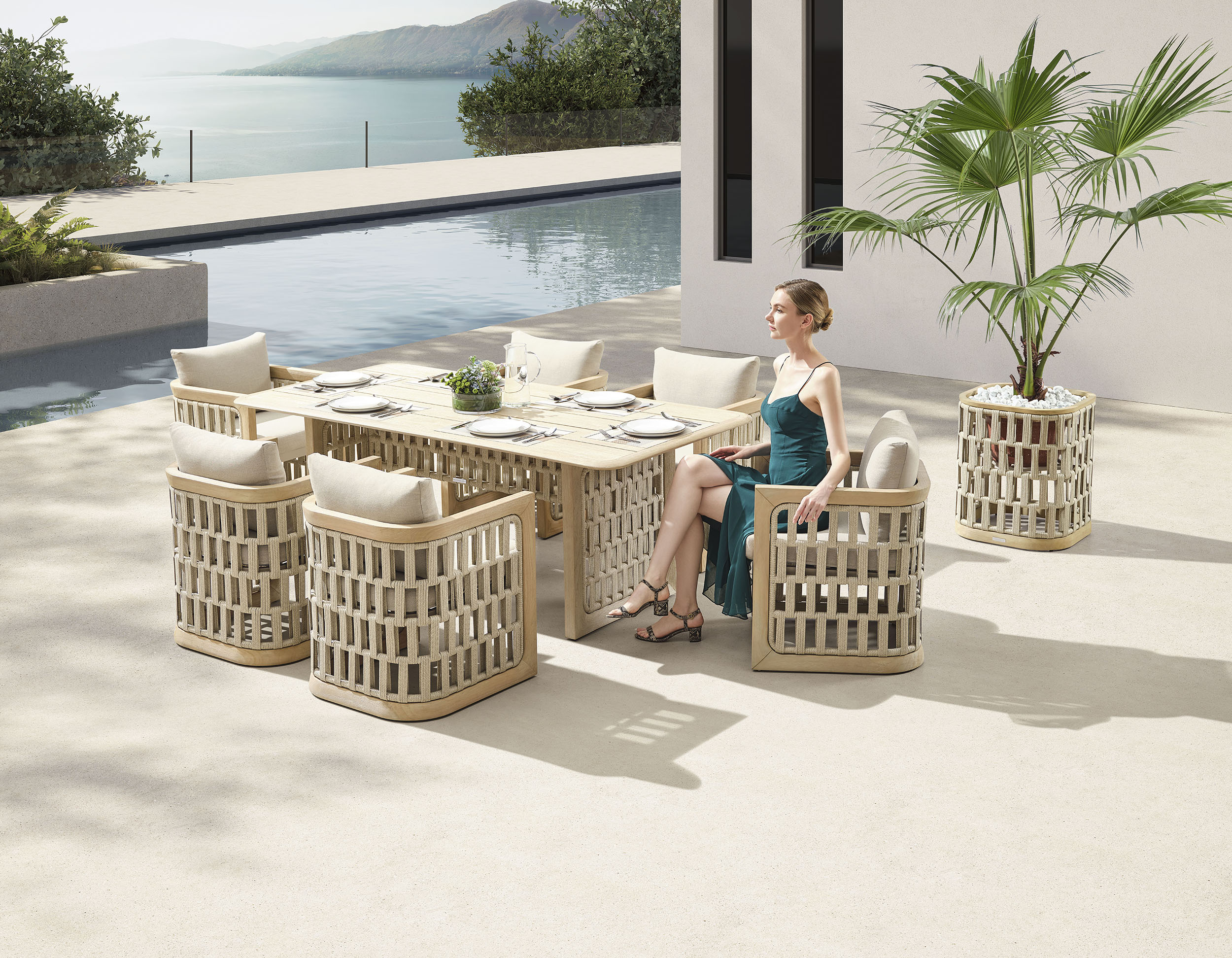
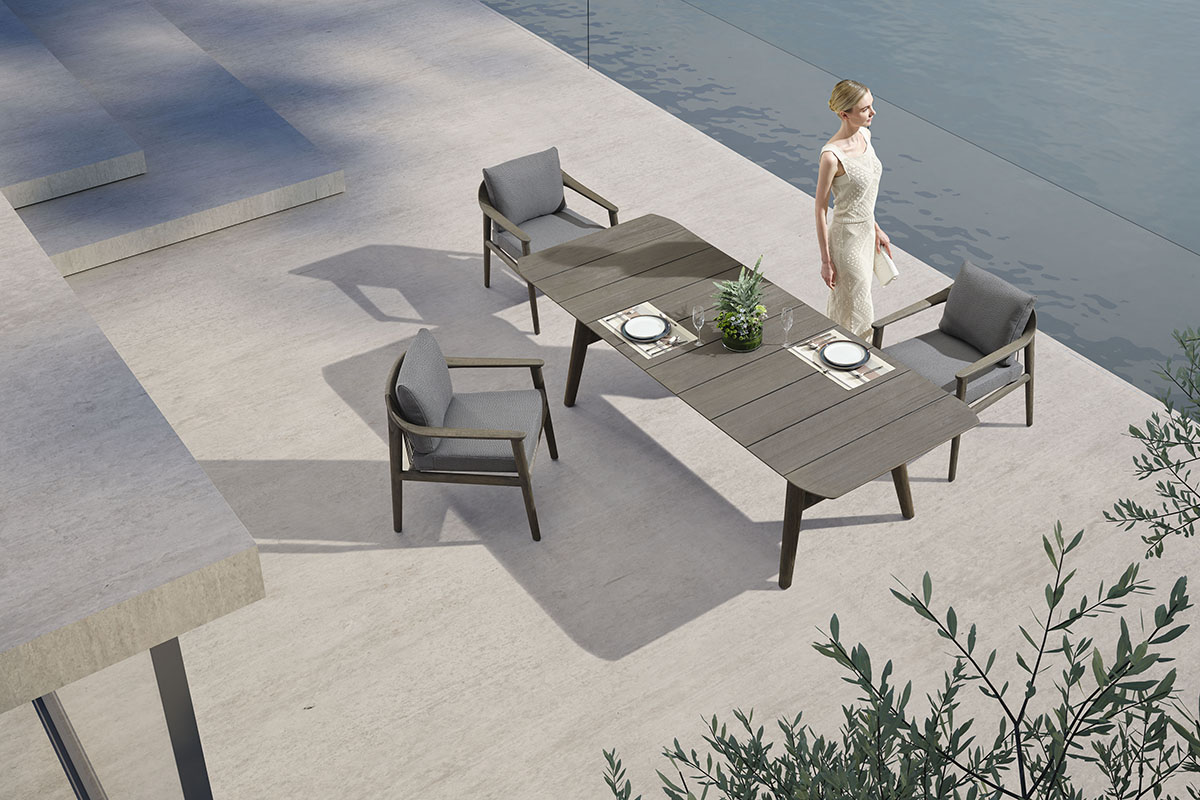
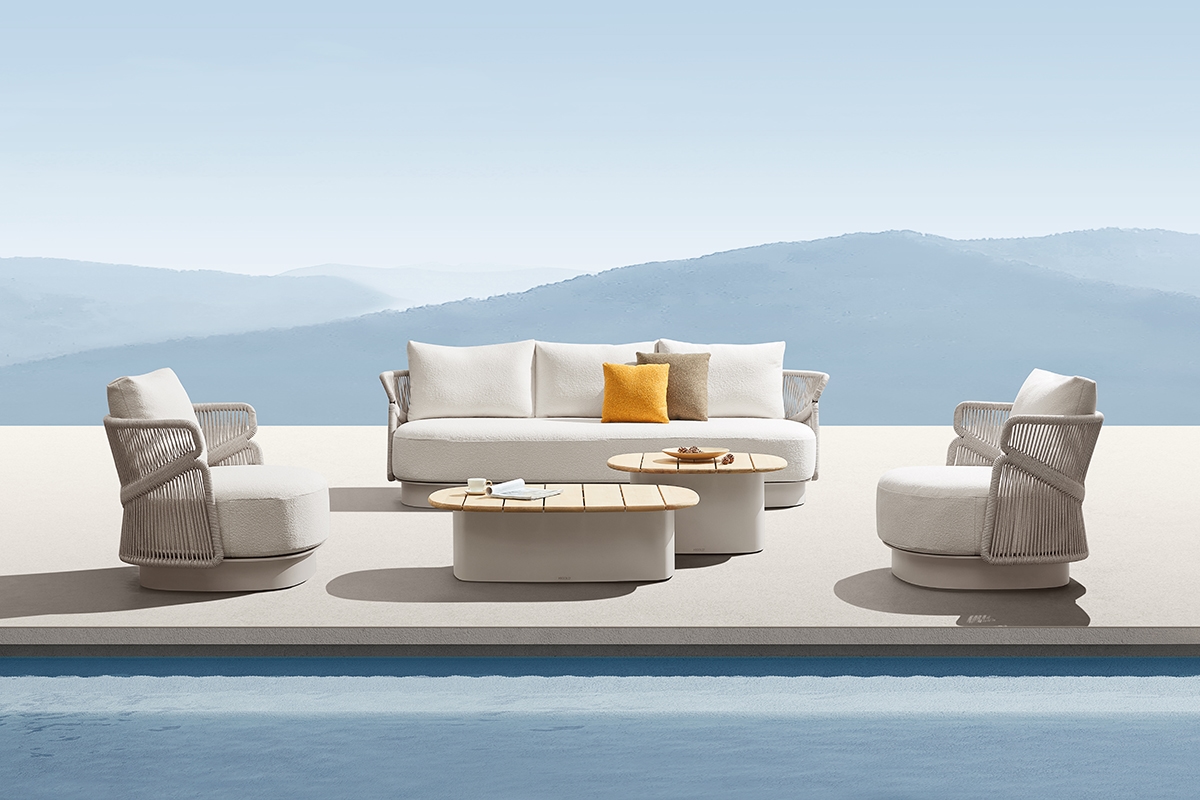
When architecture recalls tradition and symmetry, the outdoors finds strength in warm materials and timeless shapes. Teak, matte finishes, weaves and handcrafted details help to create welcoming environments, in harmony with stone facades or traditional plaster. Here, the furniture should not imitate the historical style, but accompany it with sobriety: convivial tables, armchairs with soft lines and textiles in natural shades reinforce the idea of continuity.
Galleria immagini
Mediterranean houses: dialogue with the landscape
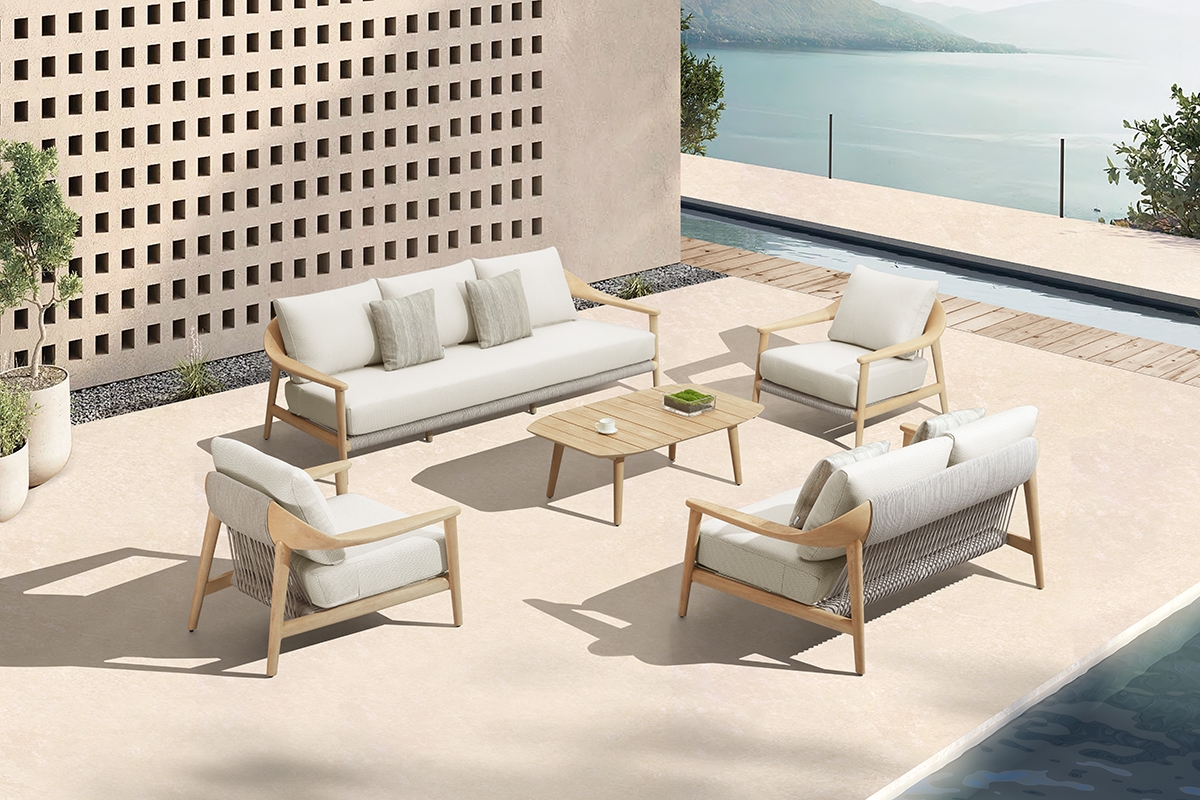
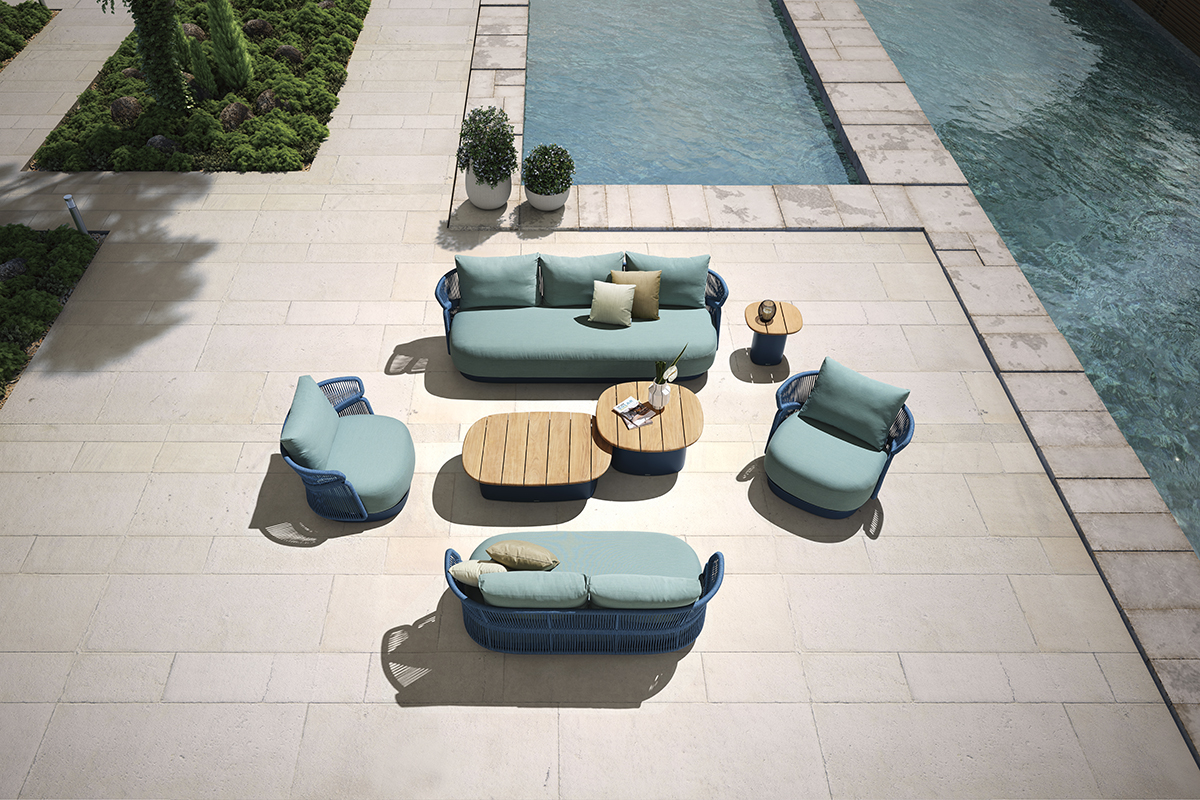
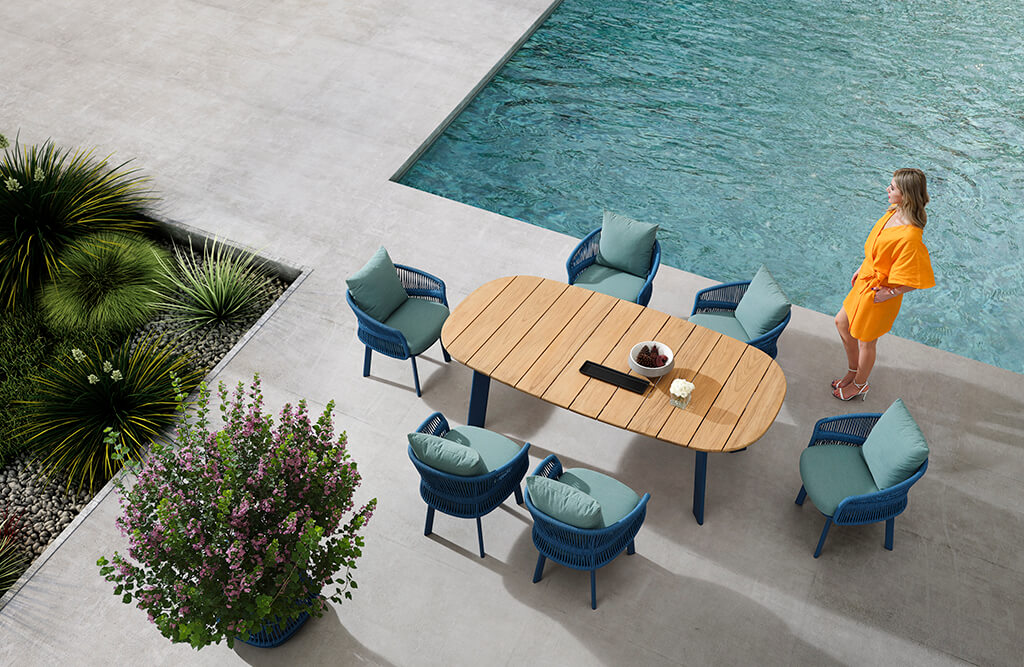
In Mediterranean architecture, where the sun, the sea and greenery become an integral part of living, the outdoors is not a simple complement but a natural extension of the home. Terraces, courtyards and gardens open up to the horizon, and the design of outdoor spaces takes on the role of hinge between built and landscape. Light colours, textured surfaces and light-lined furnishings enhance the brightness and reflect the calm of the context. Modular solutions allow rooms to be reconfigured according to the time of day and moments of life, while materials designed to withstand sun, salt and humidity guarantee durability and comfort without sacrificing elegance.
Lofts and industrial environments: character and contrast
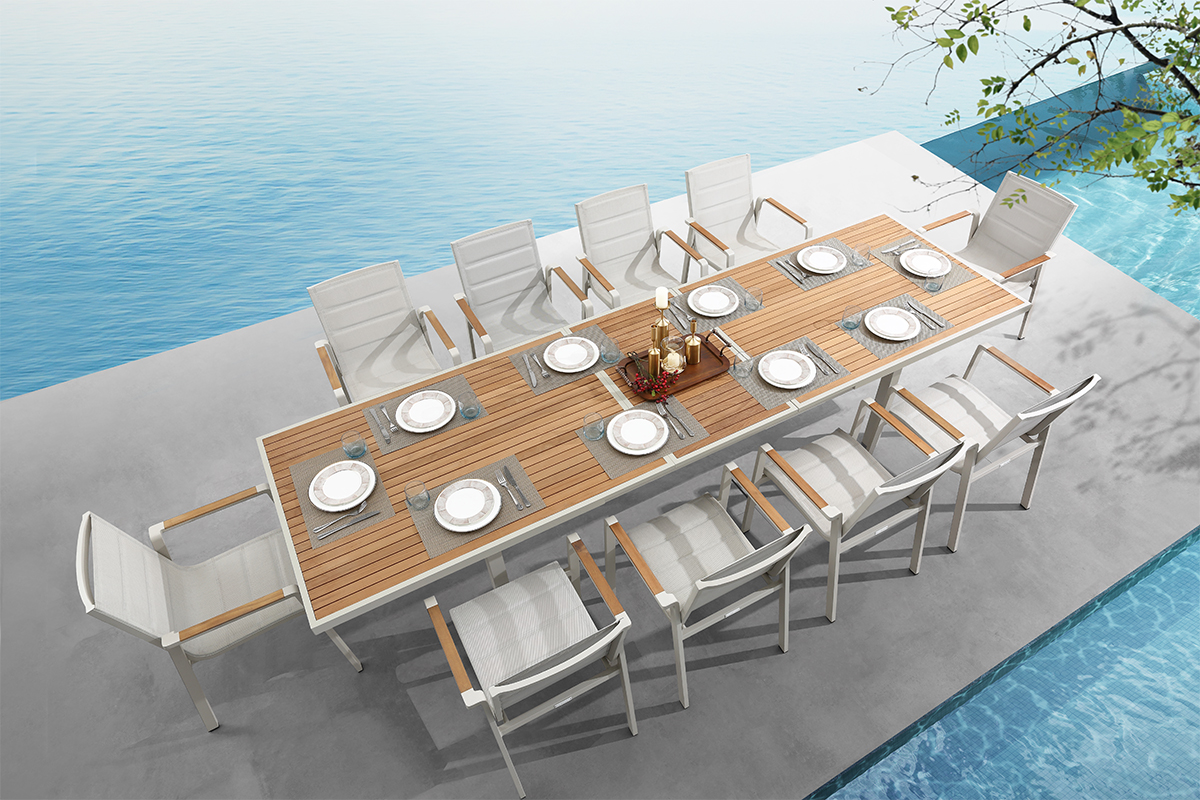
Spaces with industrial references require furnishings that can stand up to strong materials such as metal and concrete. Painted aluminium frames, tables with clear geometries and fabrics in deep shades (graphite, rust, dark green) build a balance between rigour and comfort. The outdoors thus becomes a coherent extension of the architectural identity.
Cross-cutting criteria: comfort, materials, sustainability
Regardless of the style, three elements guide the choice: ergonomics, quality of materials and sustainability. Seats designed for well-being, breathable technical fabrics, structures designed to resist over time reduce maintenance and waste. This is where the project makes the difference: not the scenic effect, but the ability to last and accompany daily use.
Choosing the “right” outdoor furniture means reading architecture and translating it into livable spaces. With an approach that is attentive to shapes, materials and proportions—and with collections designed to complement each other, such as those proposed by Higold Milano—gardens and terraces stop being simple frames and become authentic places for living.