Outdoor furniture for catering: functionality, style and durability for welcoming spaces
How to design functional and welcoming outdoor spaces in catering, combining resistance, design and identity of the restaurant
Pubblicato il:
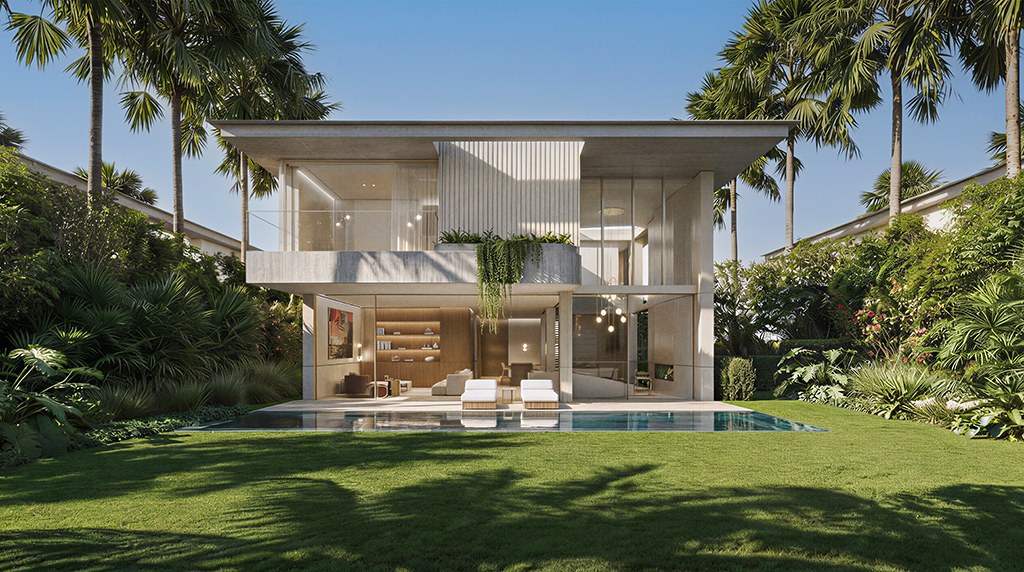
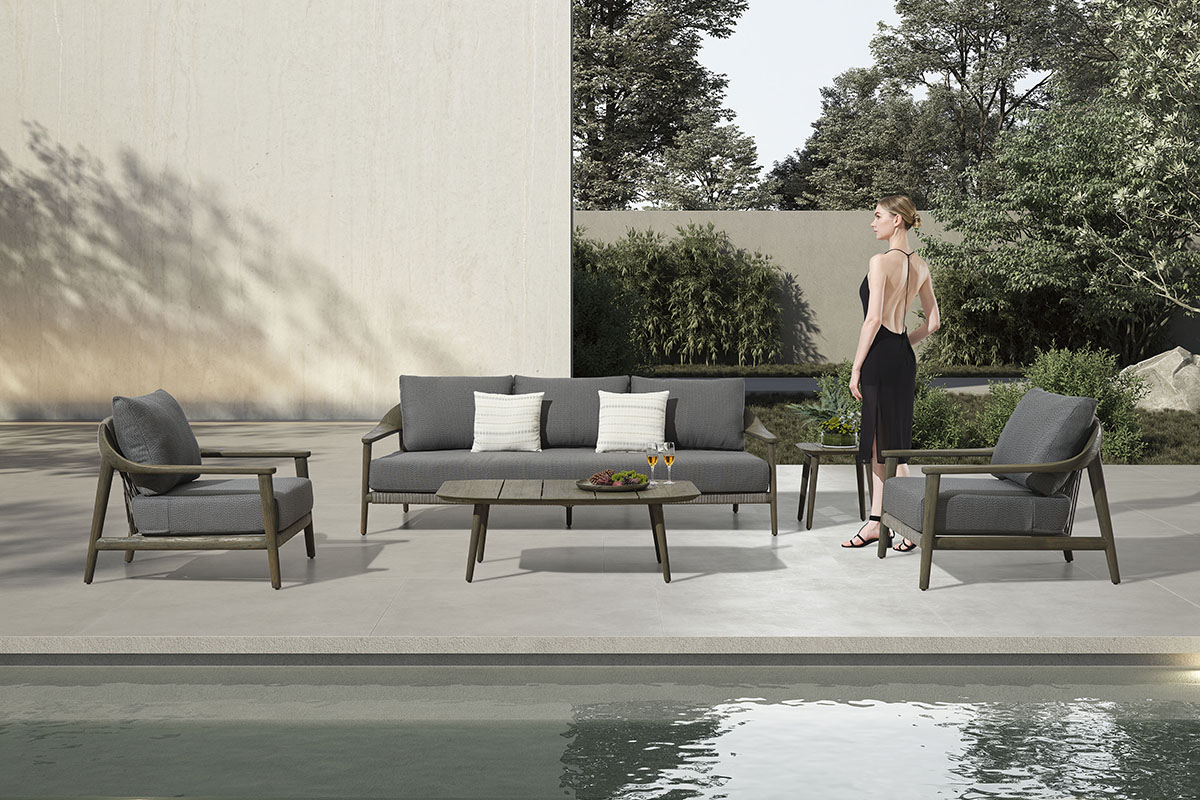
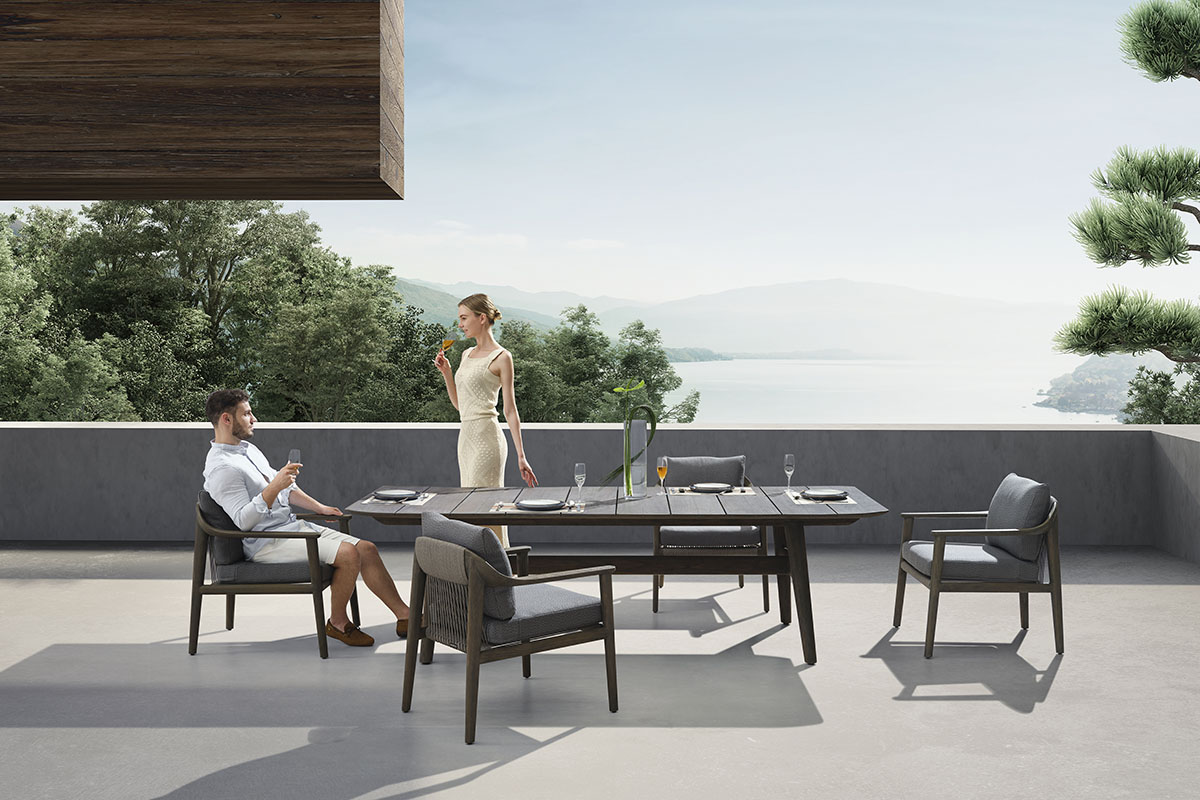
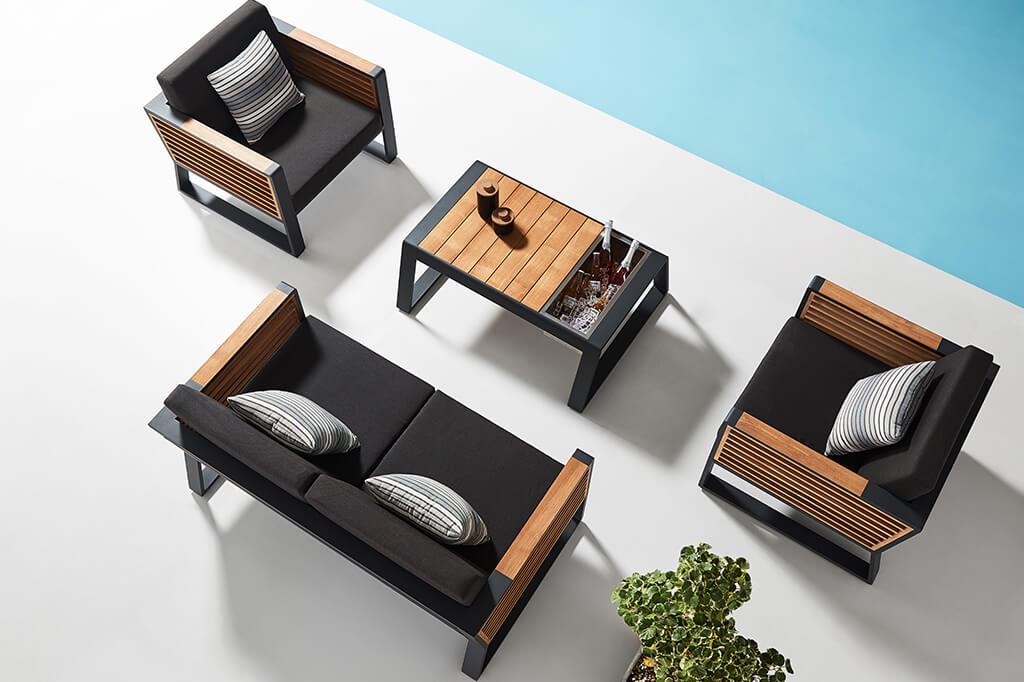
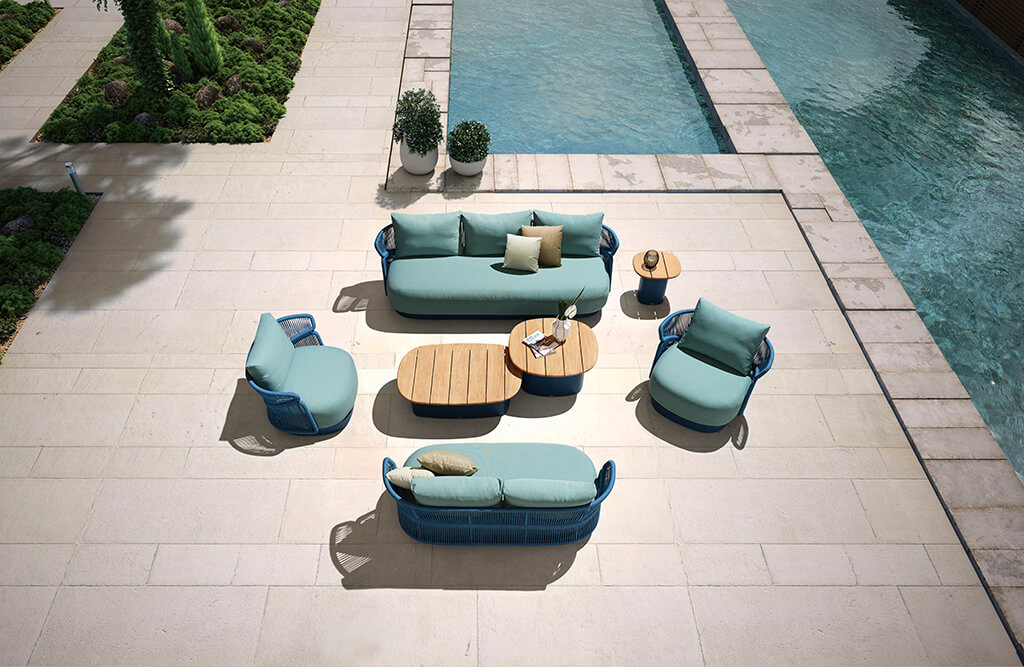
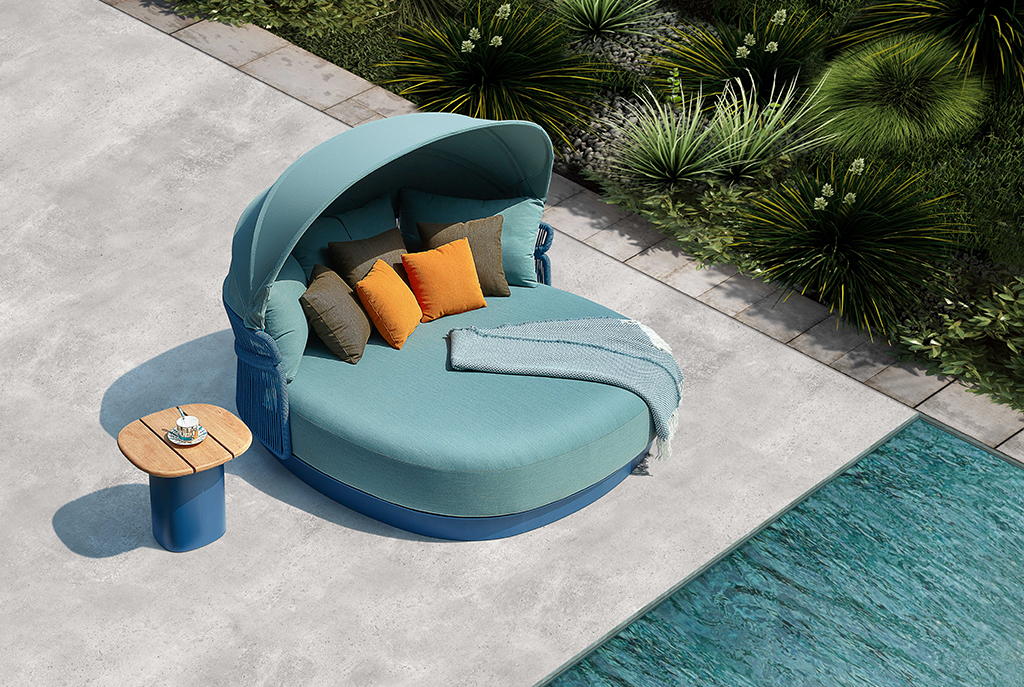
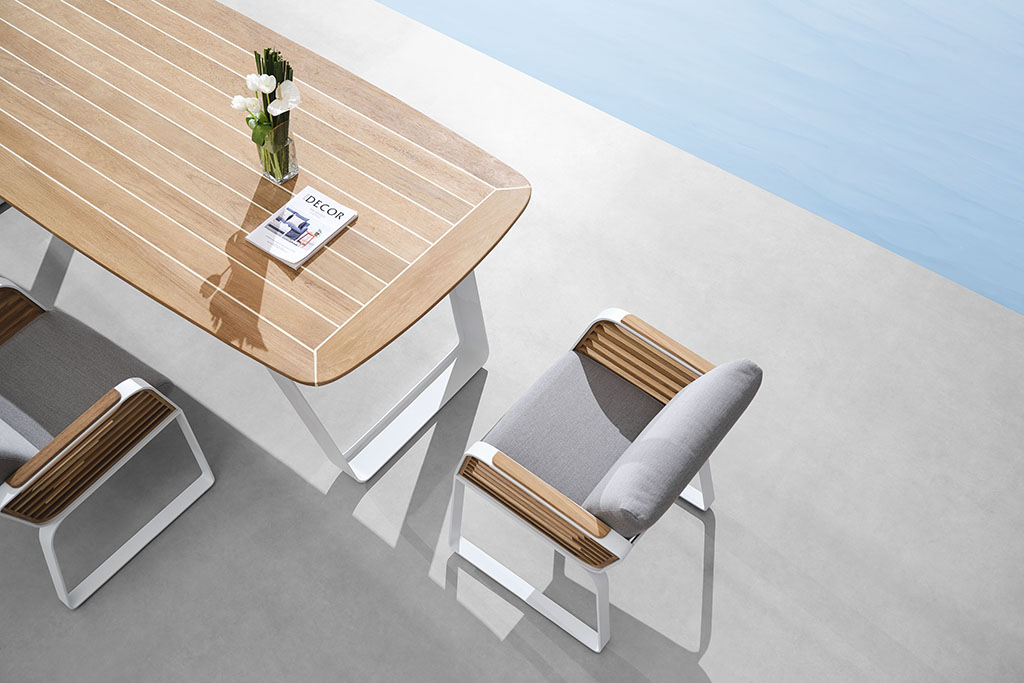
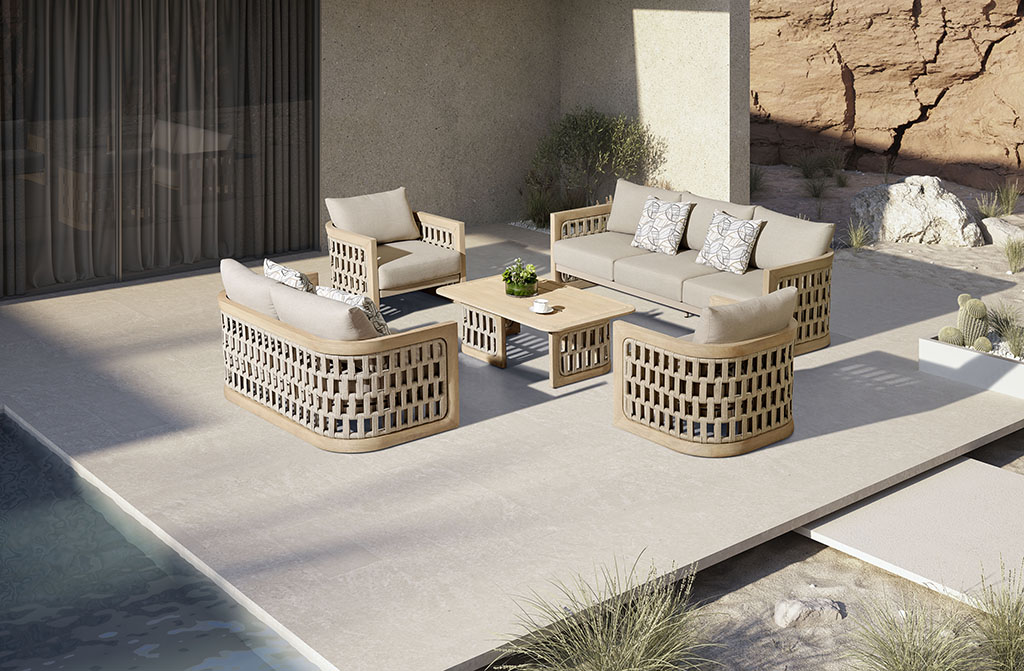
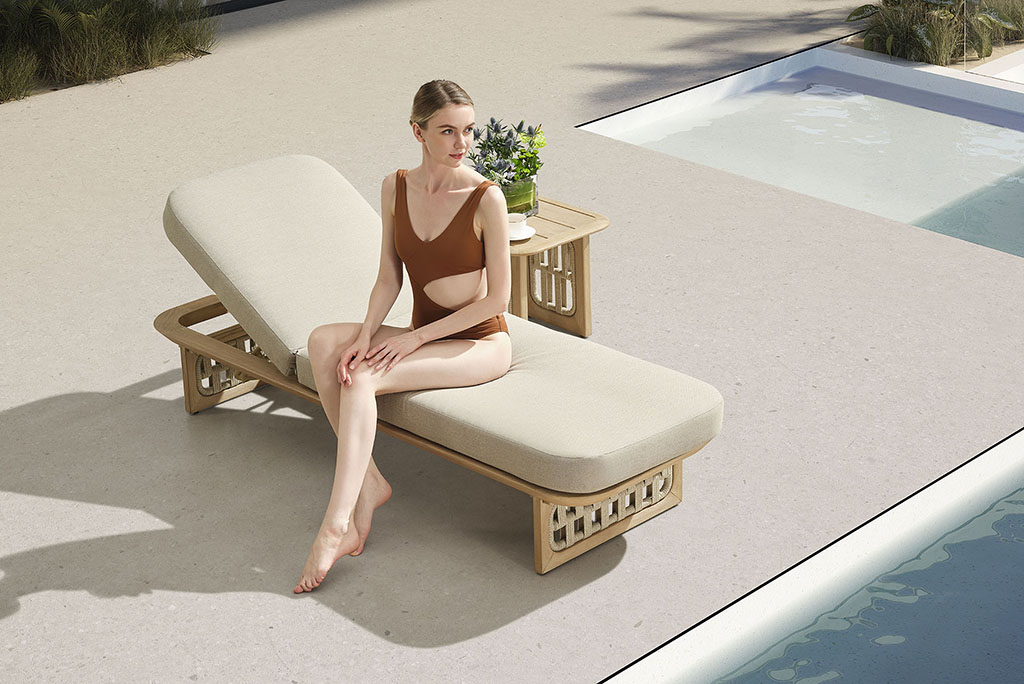
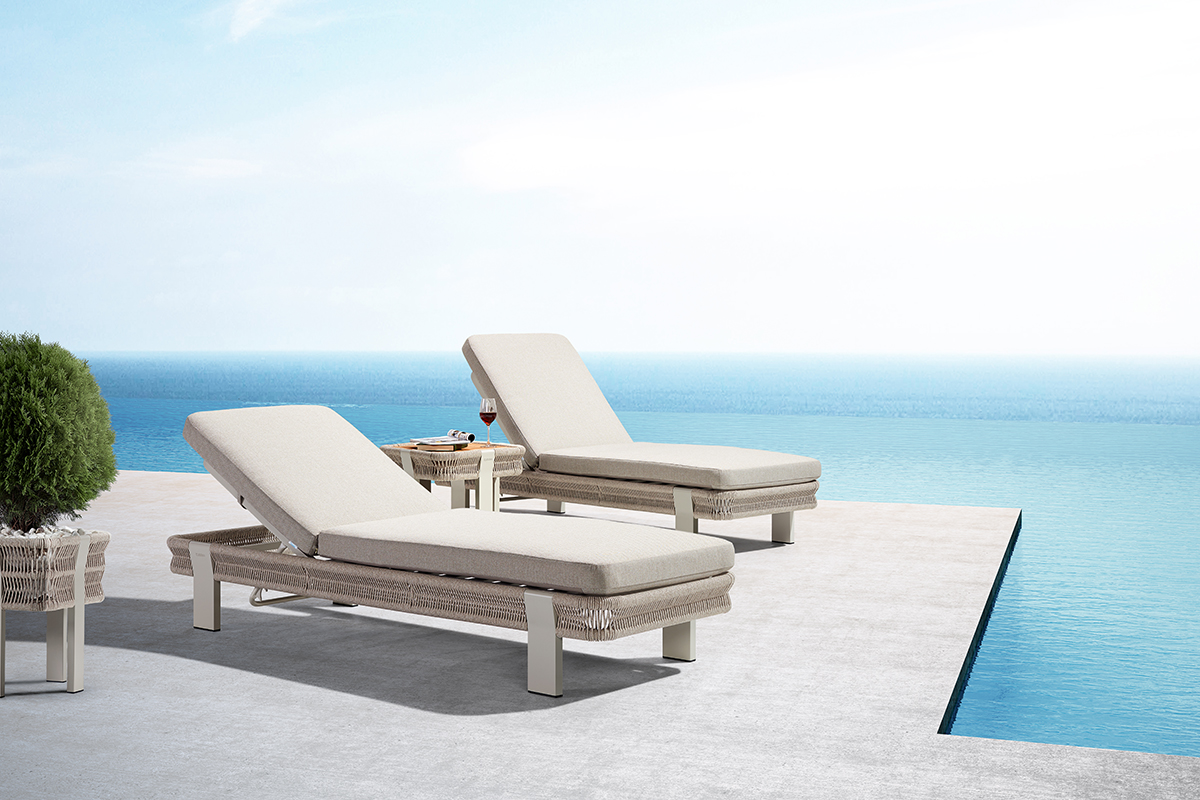
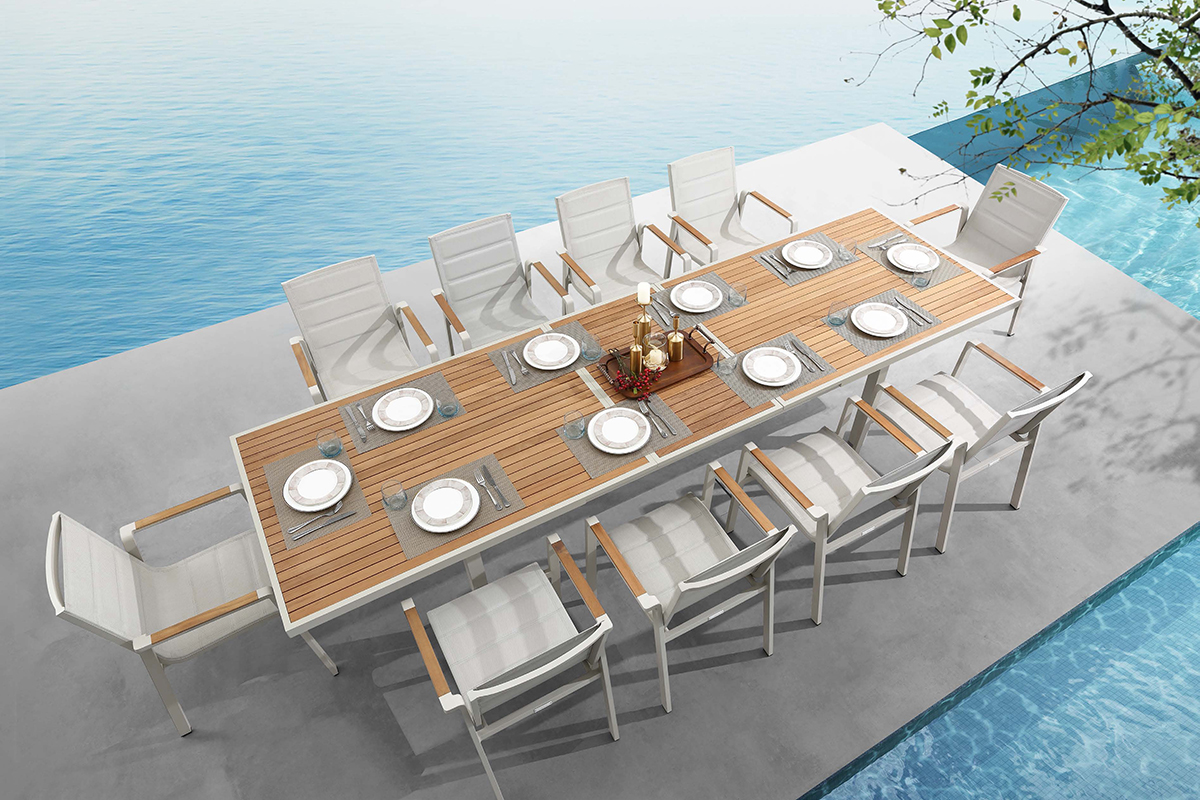
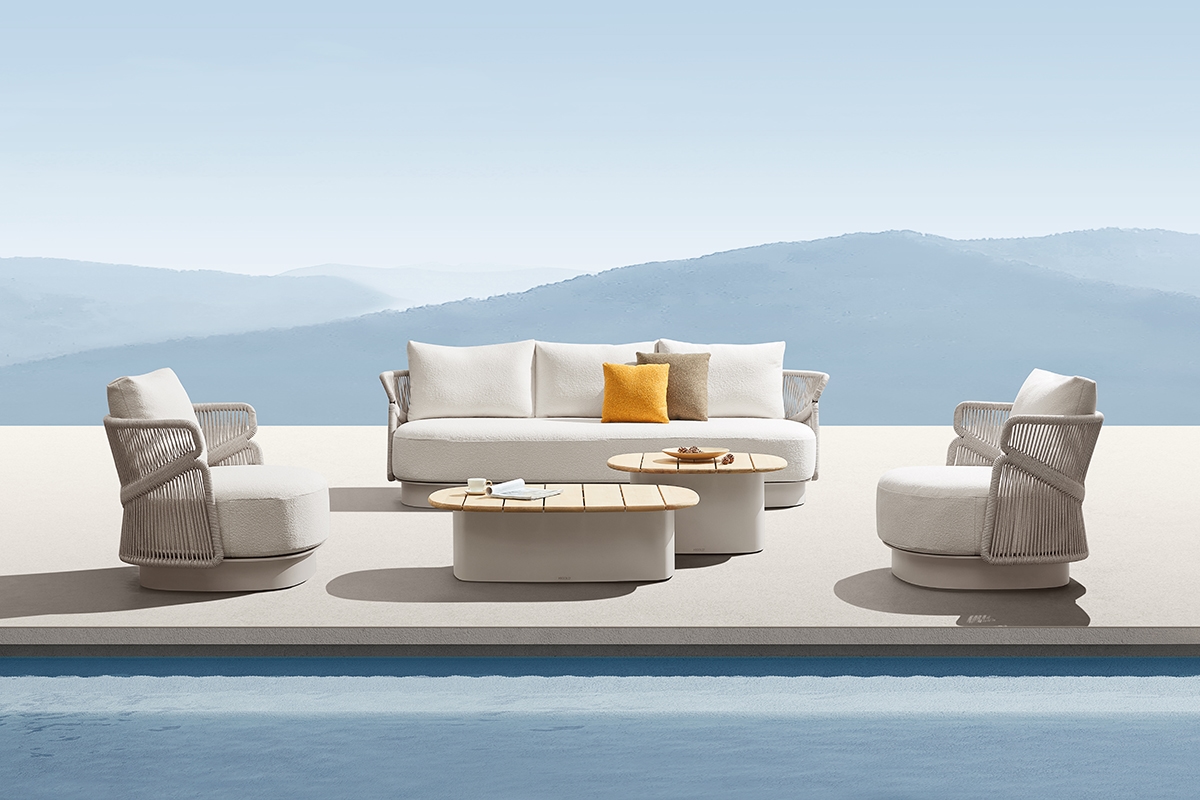
In the world of contemporary catering, outdoor space has become an essential extension of the dining experience. Whether it’s an urban dehors, a panoramic terrace or a courtyard surrounded by greenery, outdoor furniture is a key element to communicate the identity of the restaurant, welcome customers comfortably and enhance any environment. Designing outdoor furniture in the restaurant sectormeans finding the right balance between functionality, resistance and aesthetic consistency. Materials must be chosen carefully, as they will be exposed to the sun, rain, wind and daily wear and tear. For this reason, solutions in powder-coated aluminum, certified teak wood, woven synthetic fibers and high-performance outdoor fabrics are among the most adopted. Many of Higold Milano’s outdoor furniture collections fit perfectly into this context, offering versatile, durable furniture capable of dialoguing with different styles: from contemporary minimal to the most classic or Mediterranean. In the horeca sector, the logistical aspect plays an important role. Stackable tables, light but stable seats, modular and easily transportable elements allow for more agile space management, adapting to constantly evolving needs. It is also useful to consider furniture with stain-resistant finishes and easy-to-clean surfaces, to ensure hygiene and simple maintenance even during the intense flow of customers.
Galleria immagini
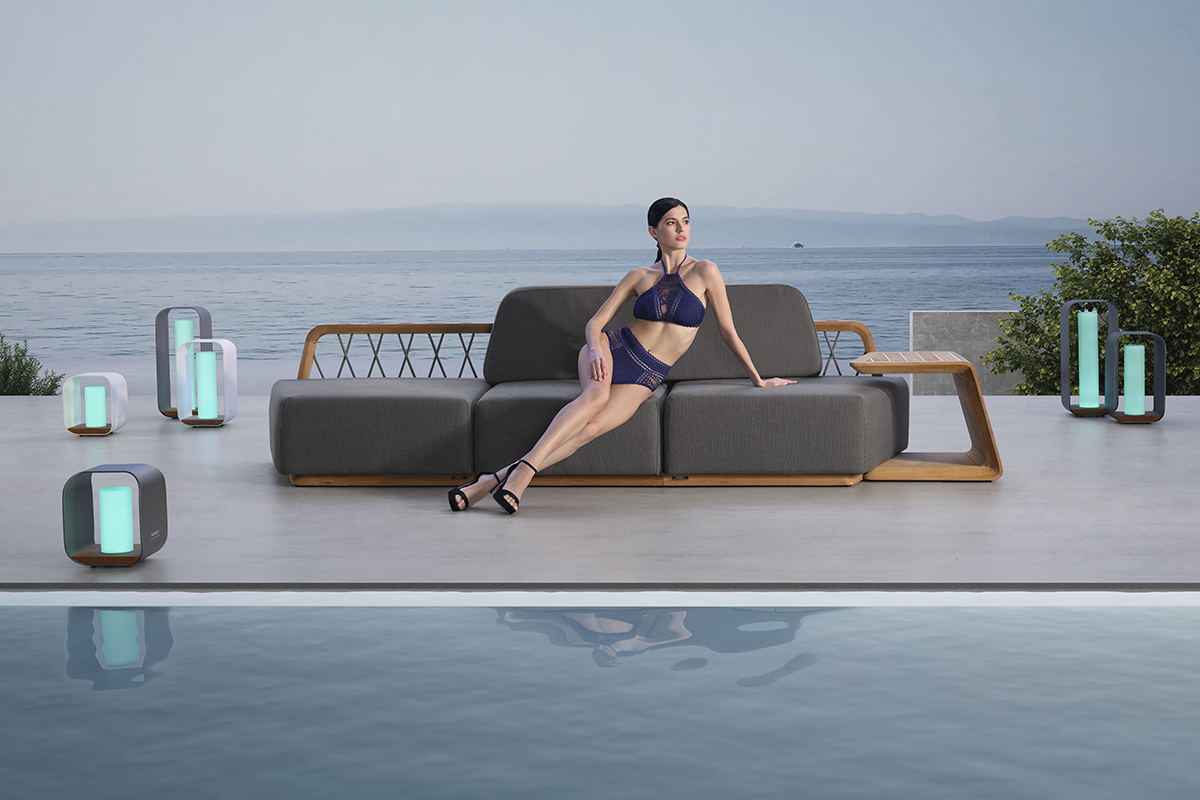
The aesthetic aspect, however, cannot be overlooked. Outdoor furniture communicates the identity of the restaurant even before the customer sits down: colors, shapes and materials help to create an atmosphere consistent with the gastronomic offer and the target. A terrace of a bistro in the city center will require compact solutions with a careful design; A veranda in a charming structure will be able to afford lounge seating, refined fabrics and a more relaxed layout. In both cases, well-designed furniture improves the customer experience, increasing comfort and permanence. The organization of the space also affects functionality. It is important to provide easy passages for service, divide areas between lunch, aperitif and relaxation, and — if possible — integrate shading, plants or visual separators to ensure privacy and climate protection. Finally, lighting plays an essential role in enhancing the space in the evening hours: warm, diffused and well-positioned lights make the environment welcoming and prolong the use of the outdoor area. In summary, outdoor furniture for catering is not just a matter of aesthetics, but a concrete strategy to improve operational efficiency and customer experience. Choosing quality, resistant solutions consistent with the identity of the restaurant — such as those proposed by Higold Milano — allows you to transform every outdoor space into a real added value for the restaurant business.