Small spaces, big design: outdoor solutions for urban terraces
Design strategies and furnishing choices to transform city balconies and terraces into functional, welcoming environments consistent with contemporary style
Pubblicato il:
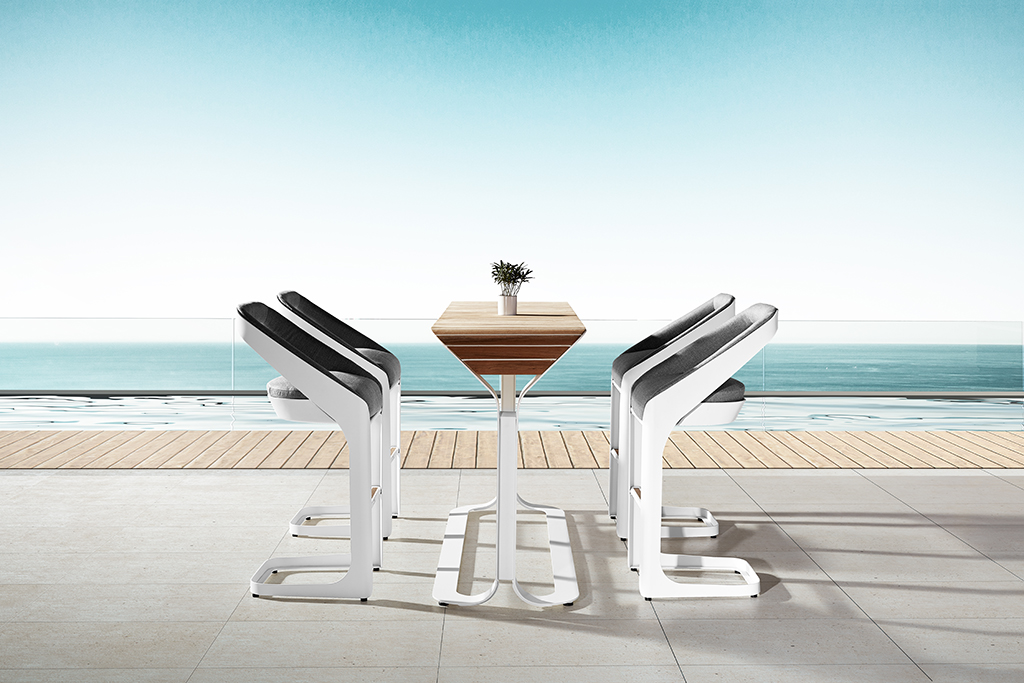
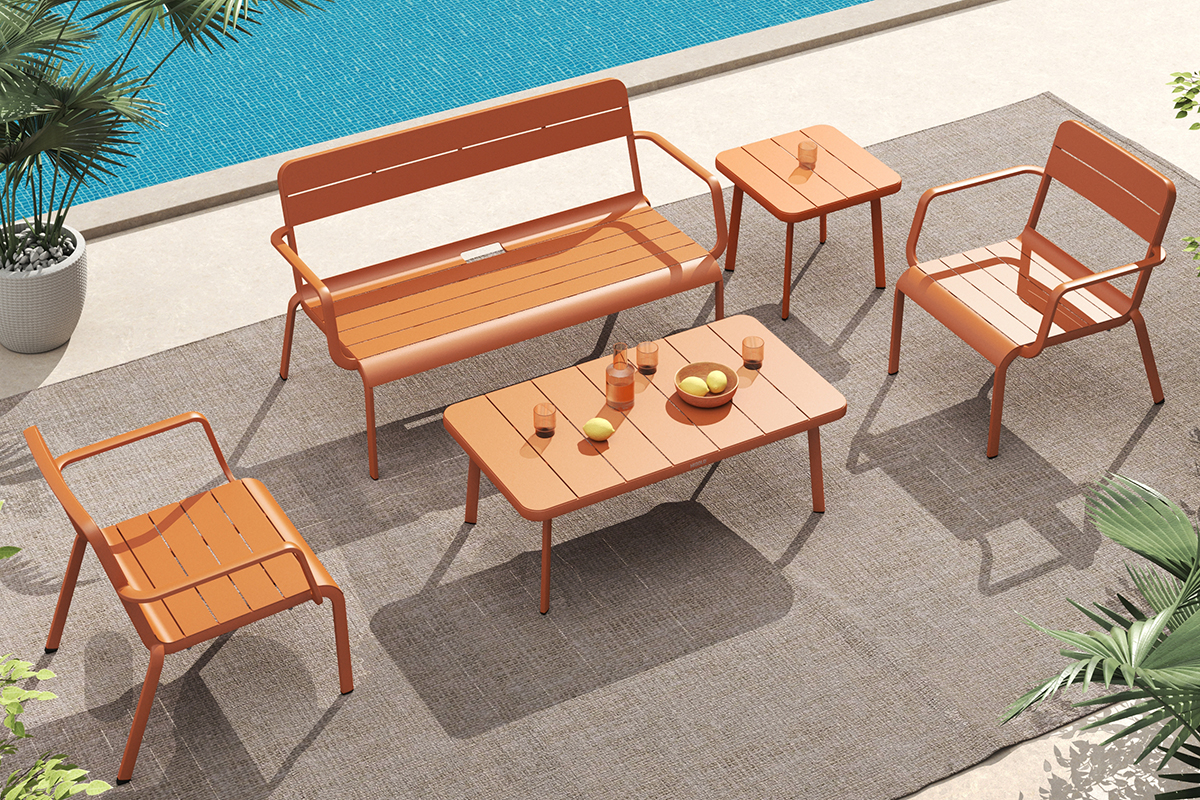
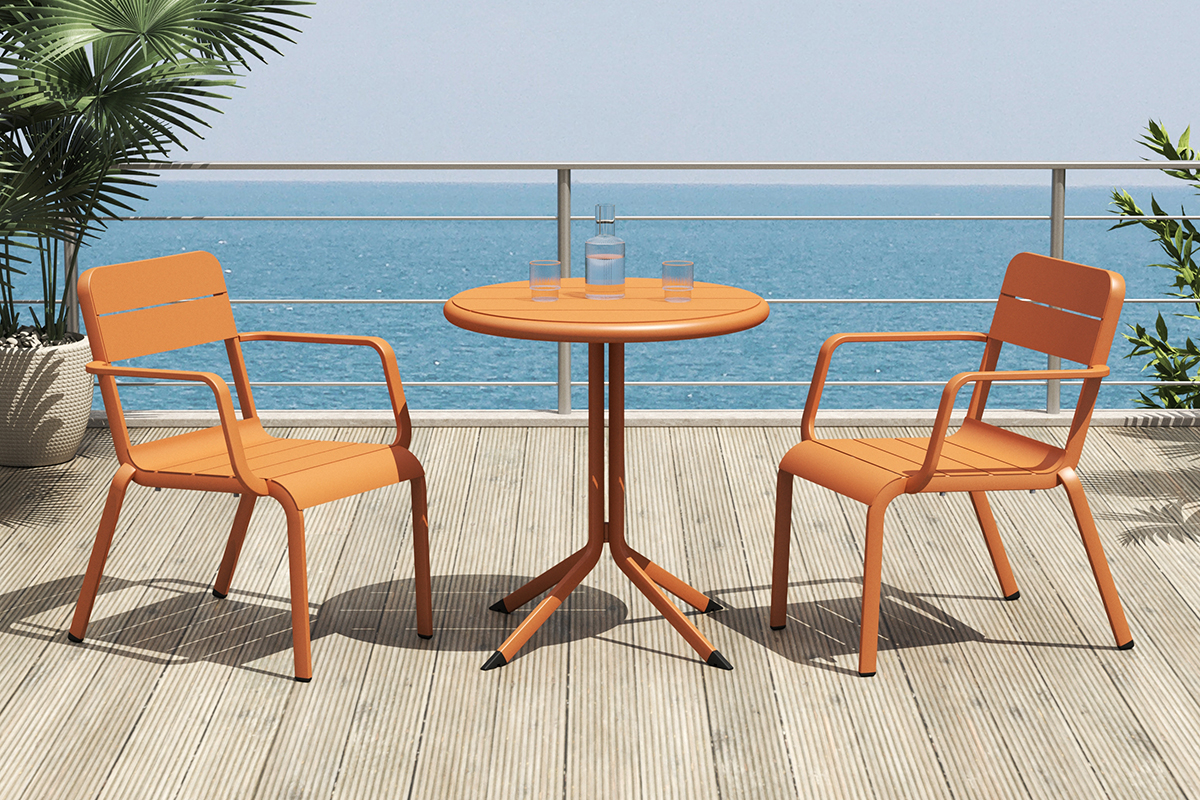
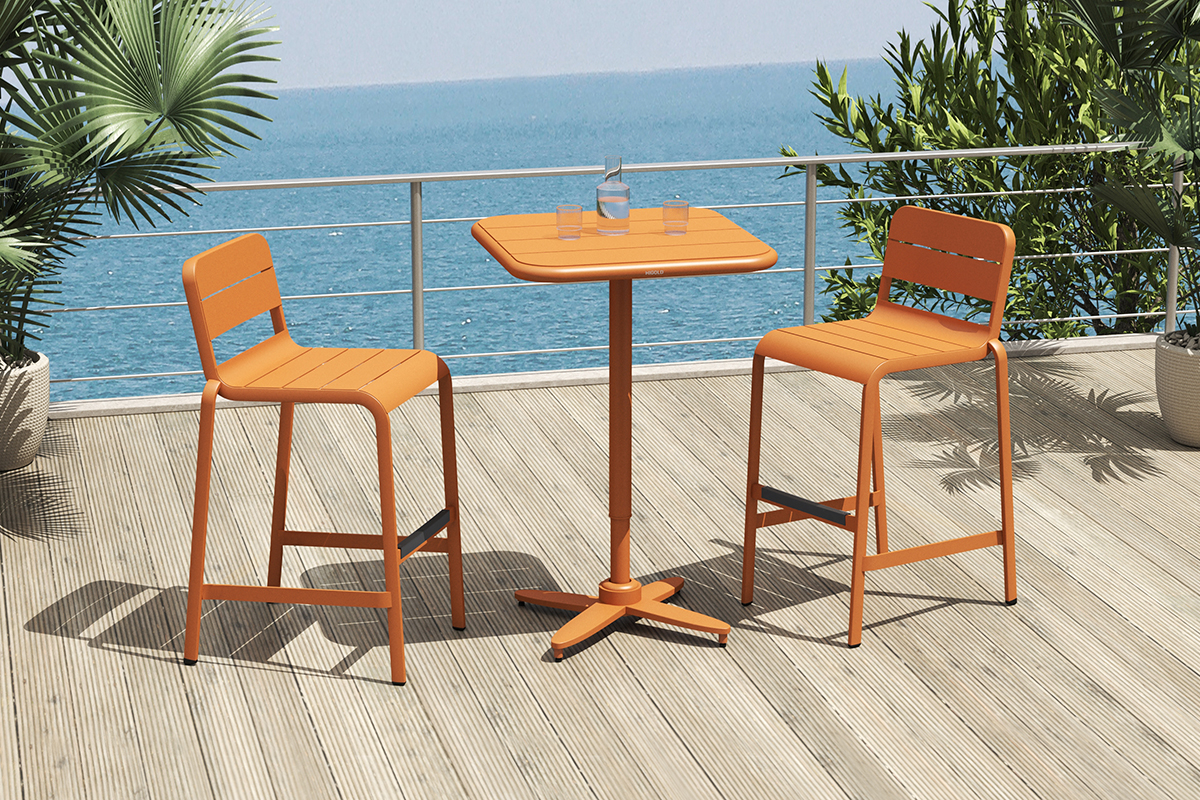
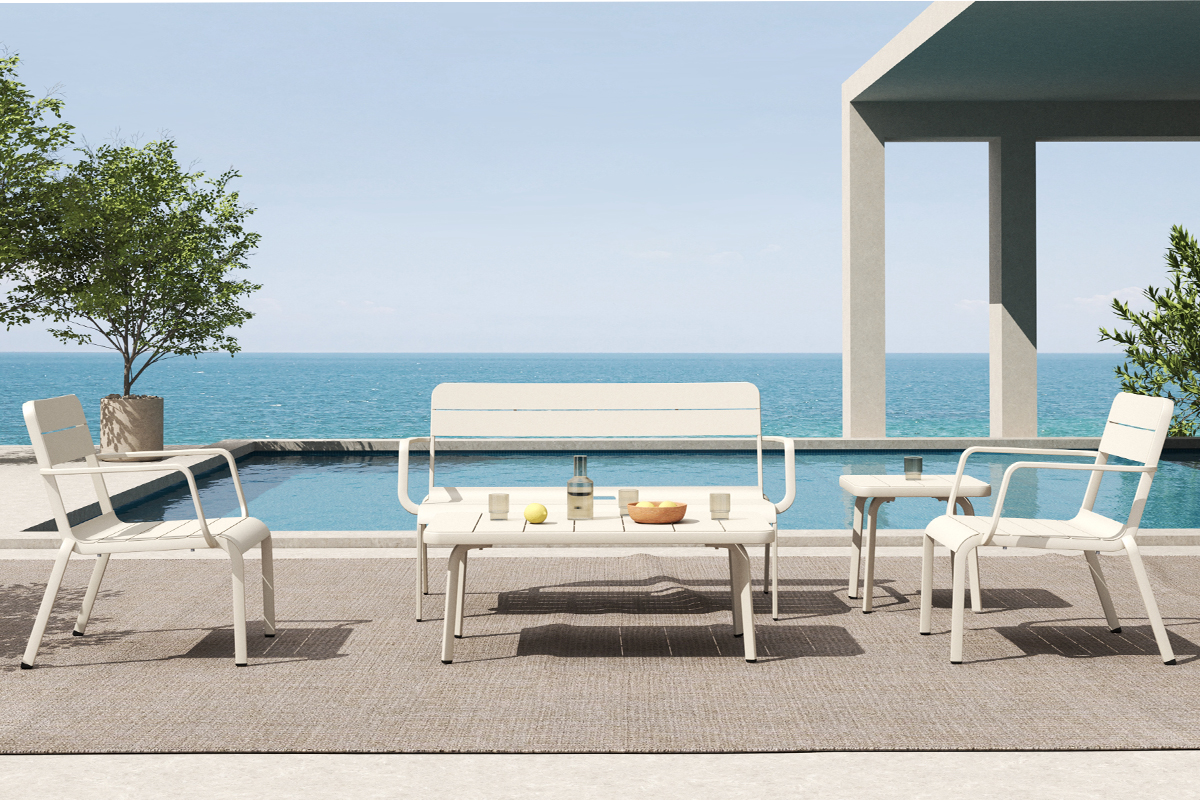
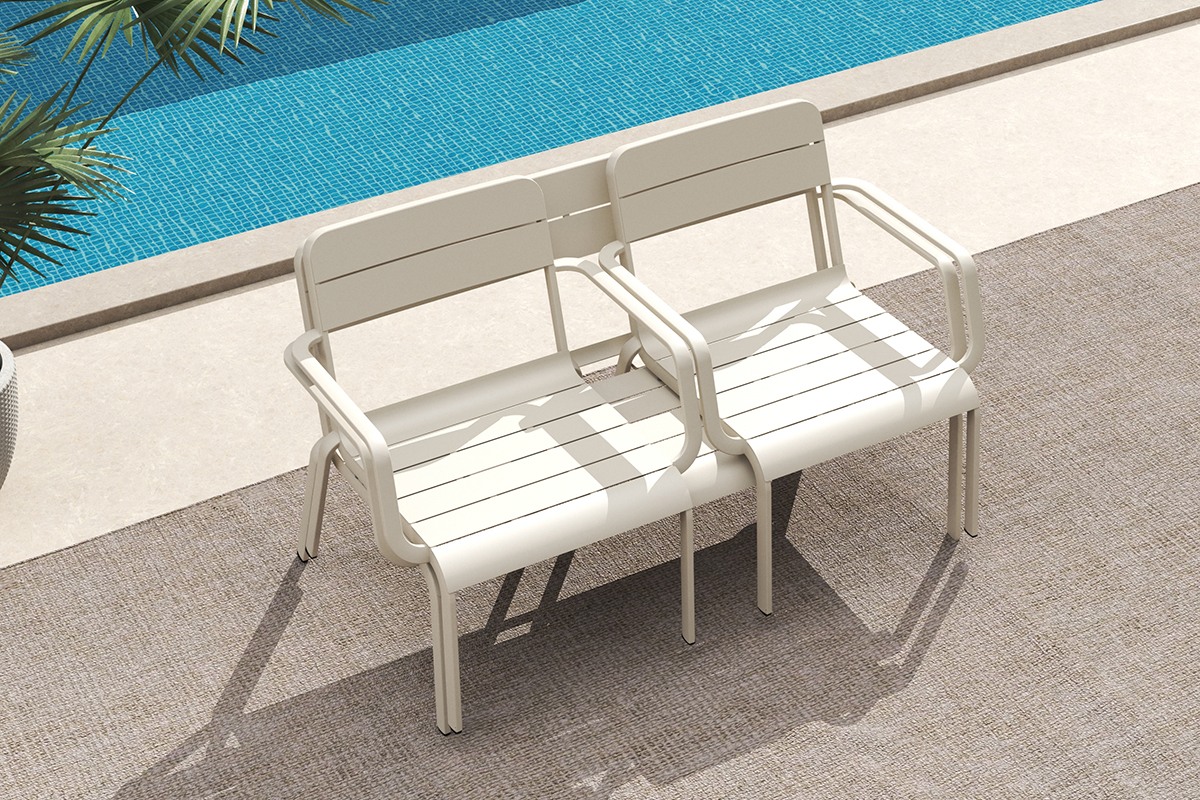
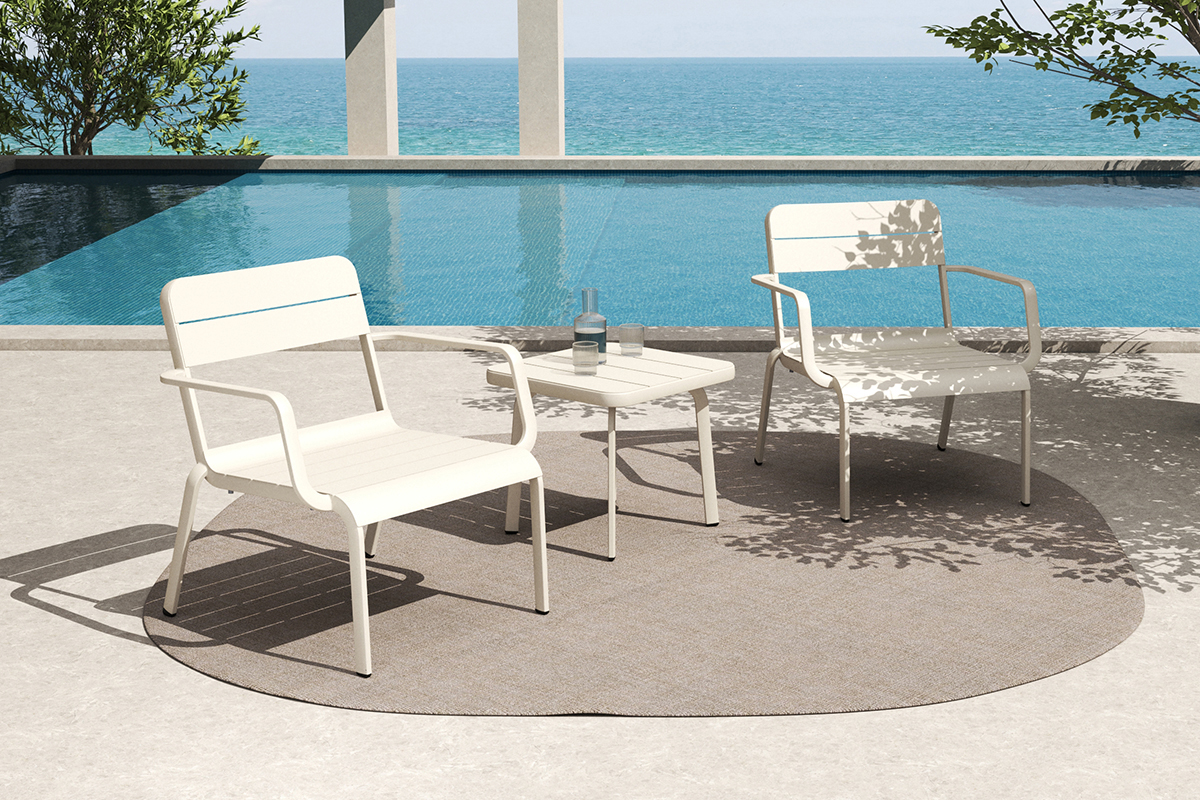
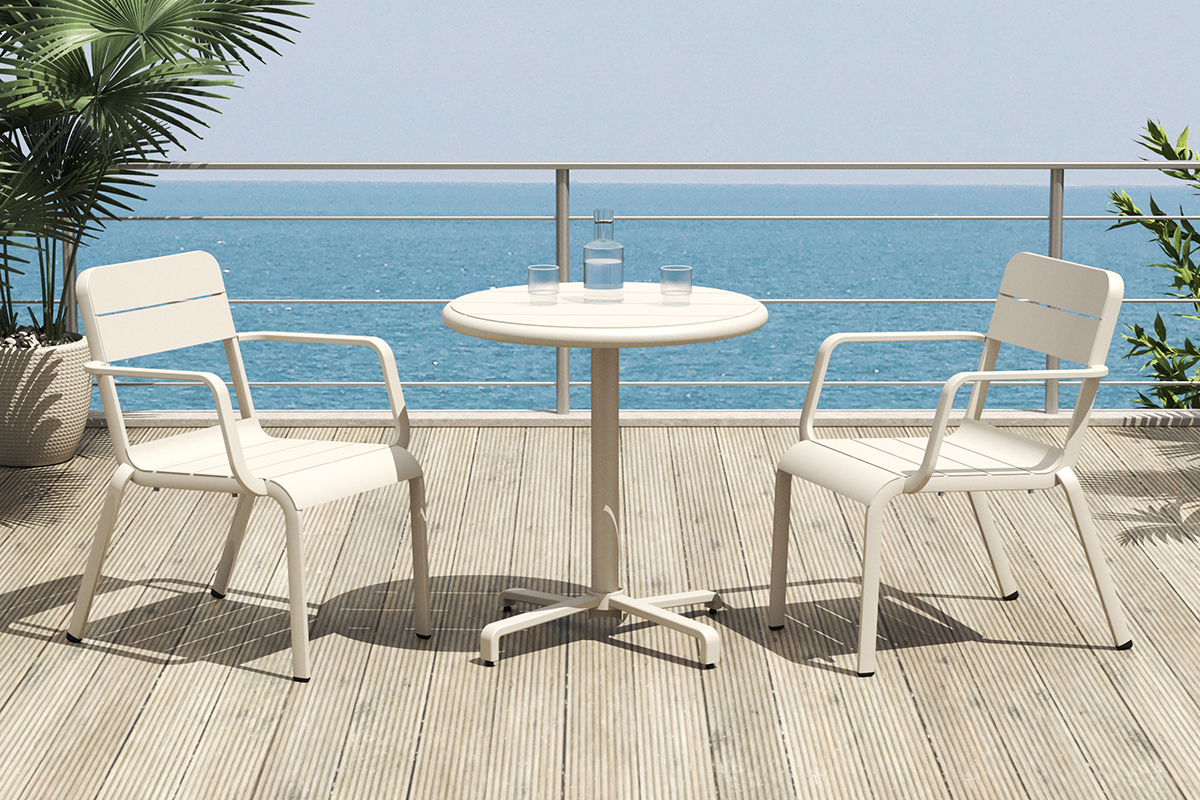
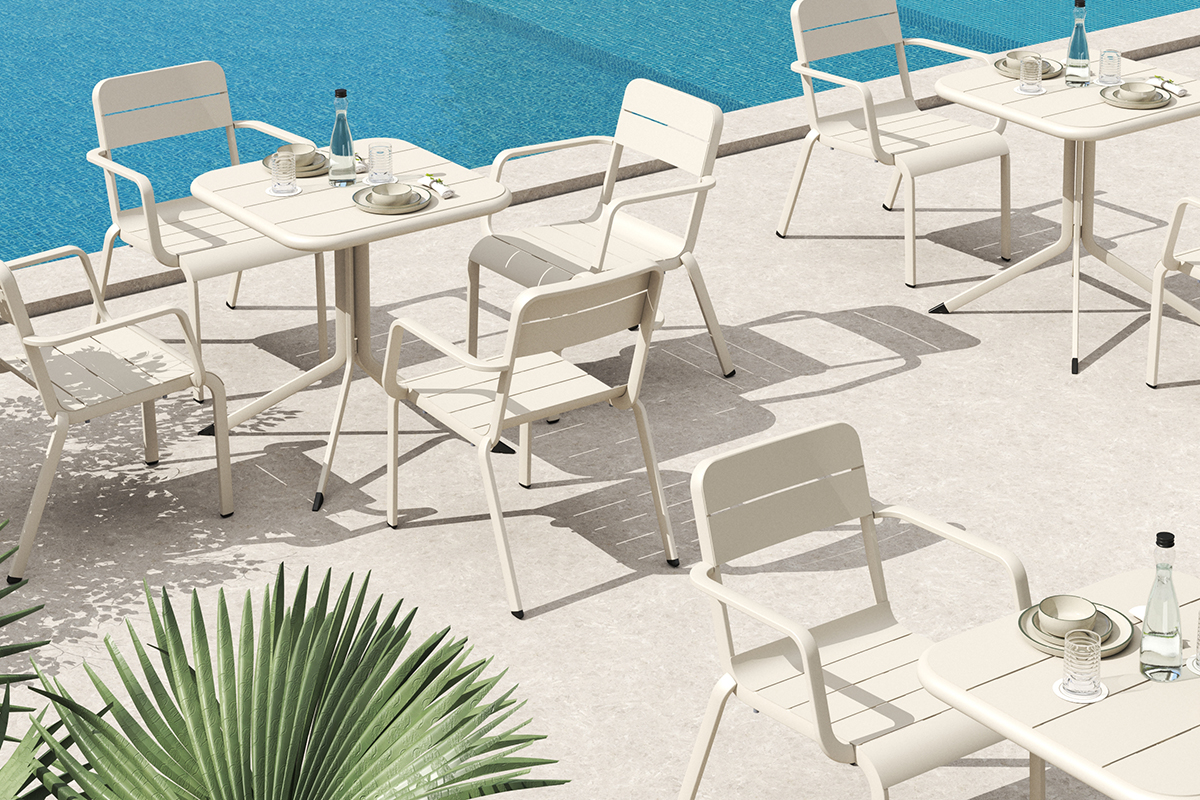
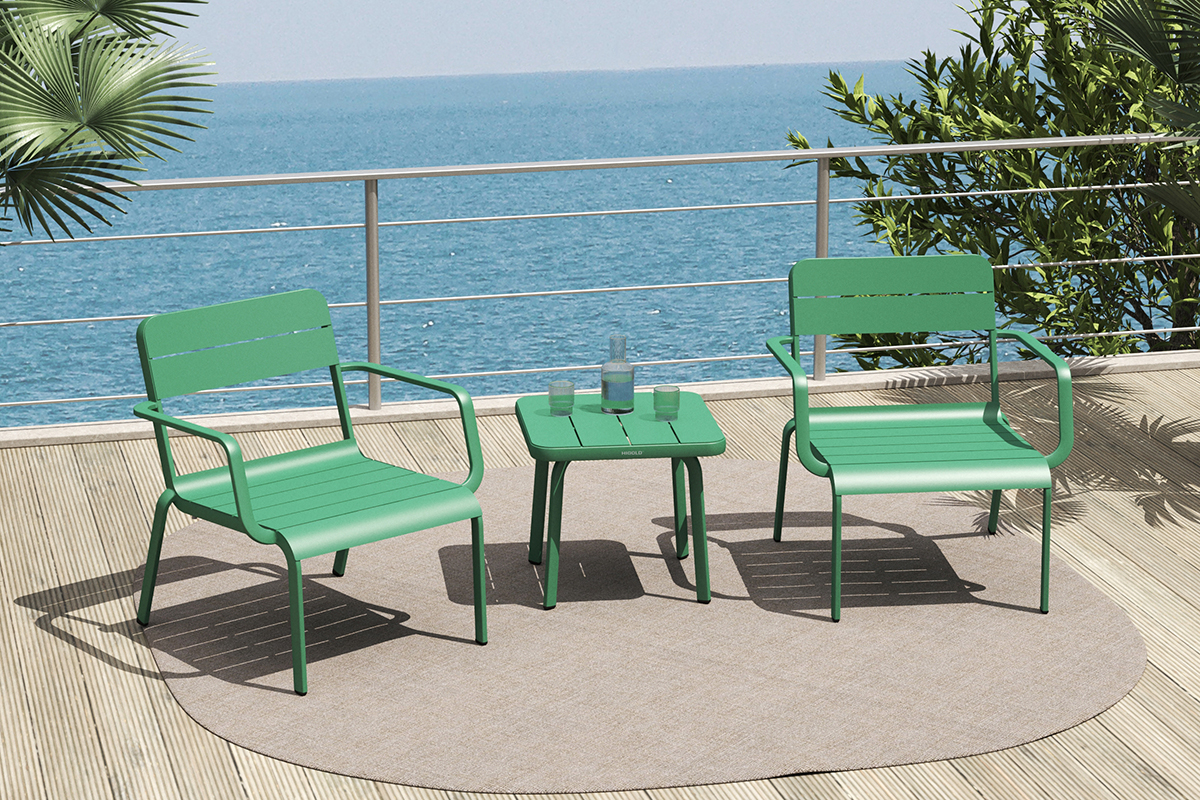
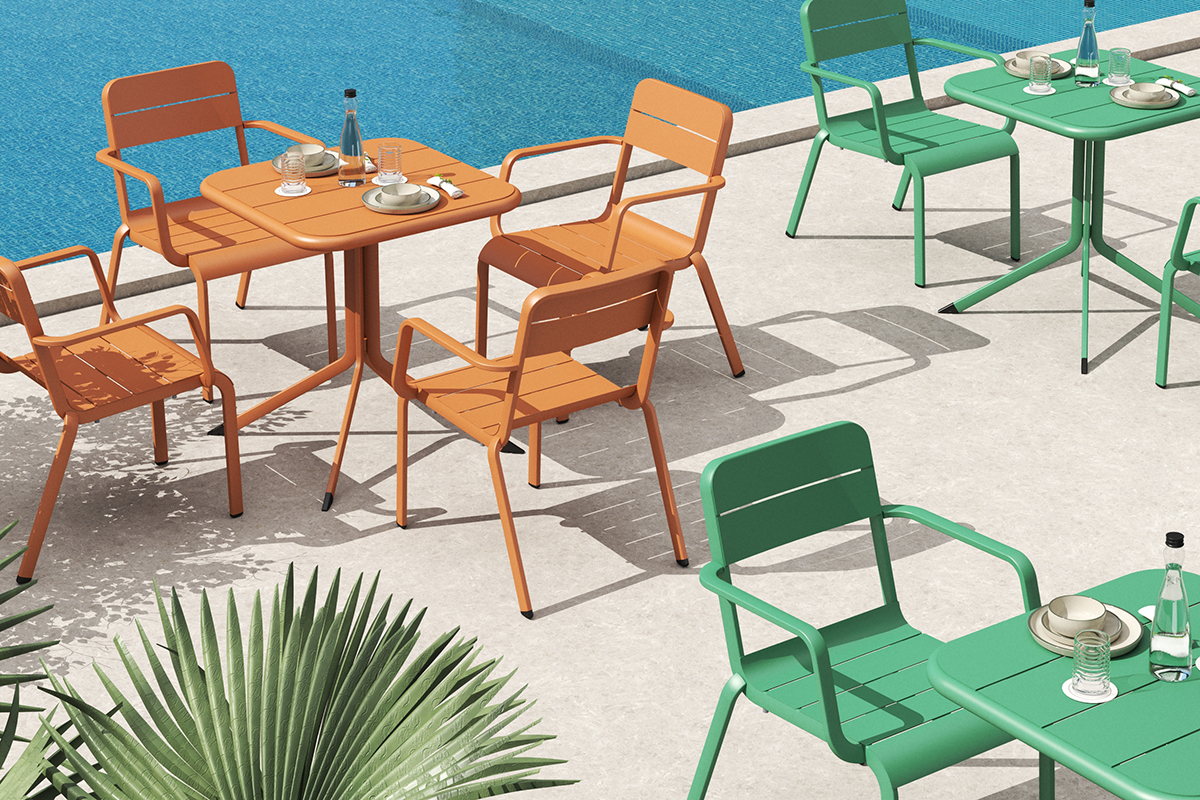
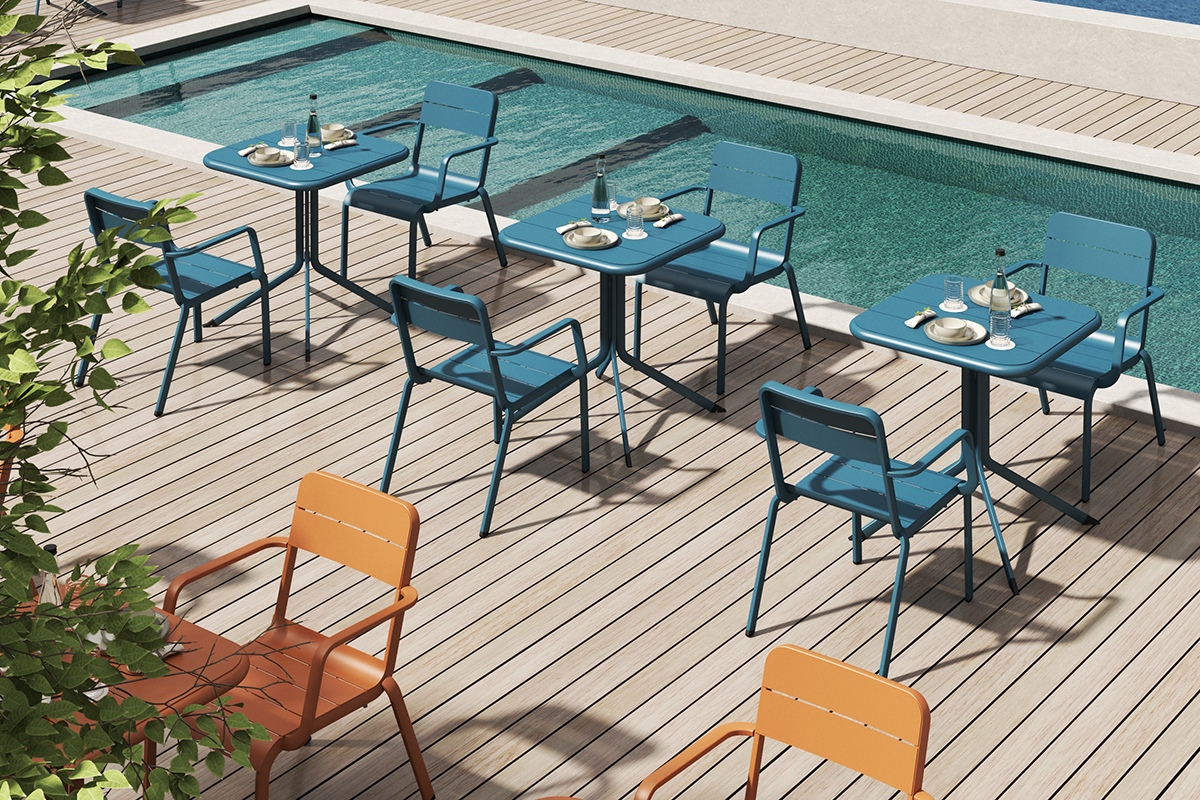
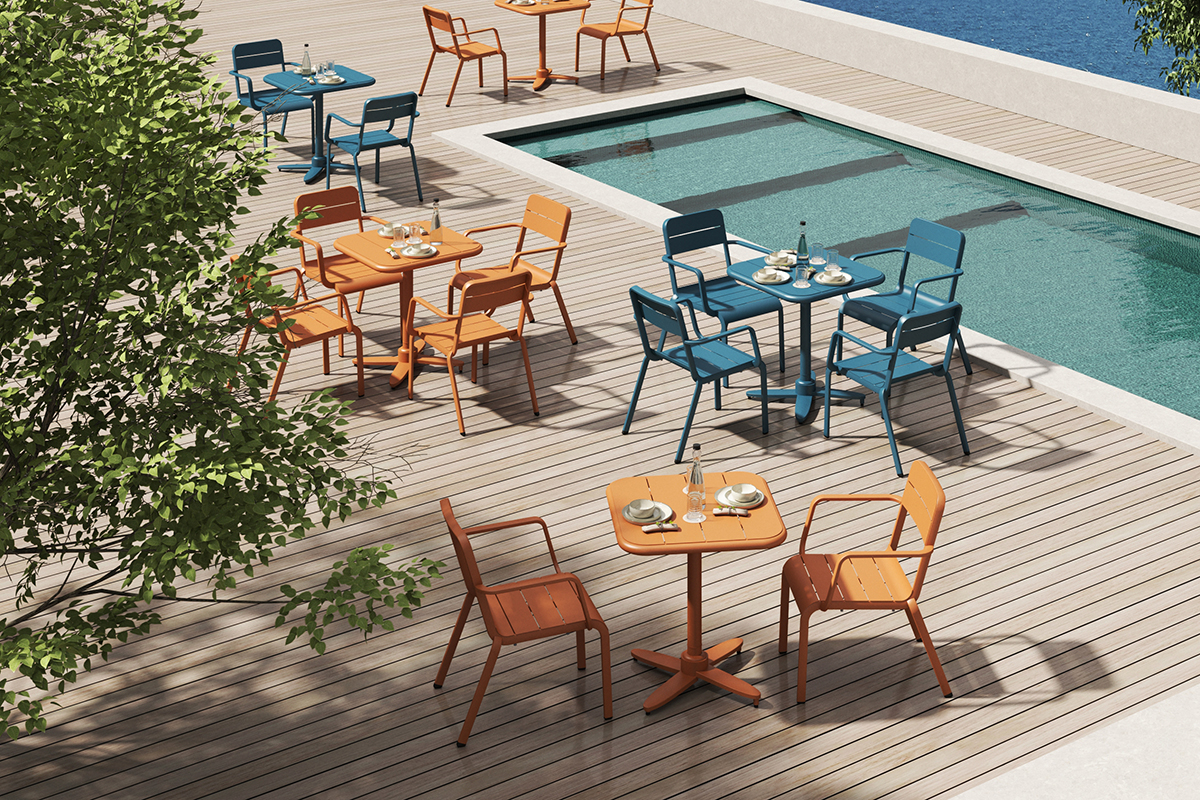
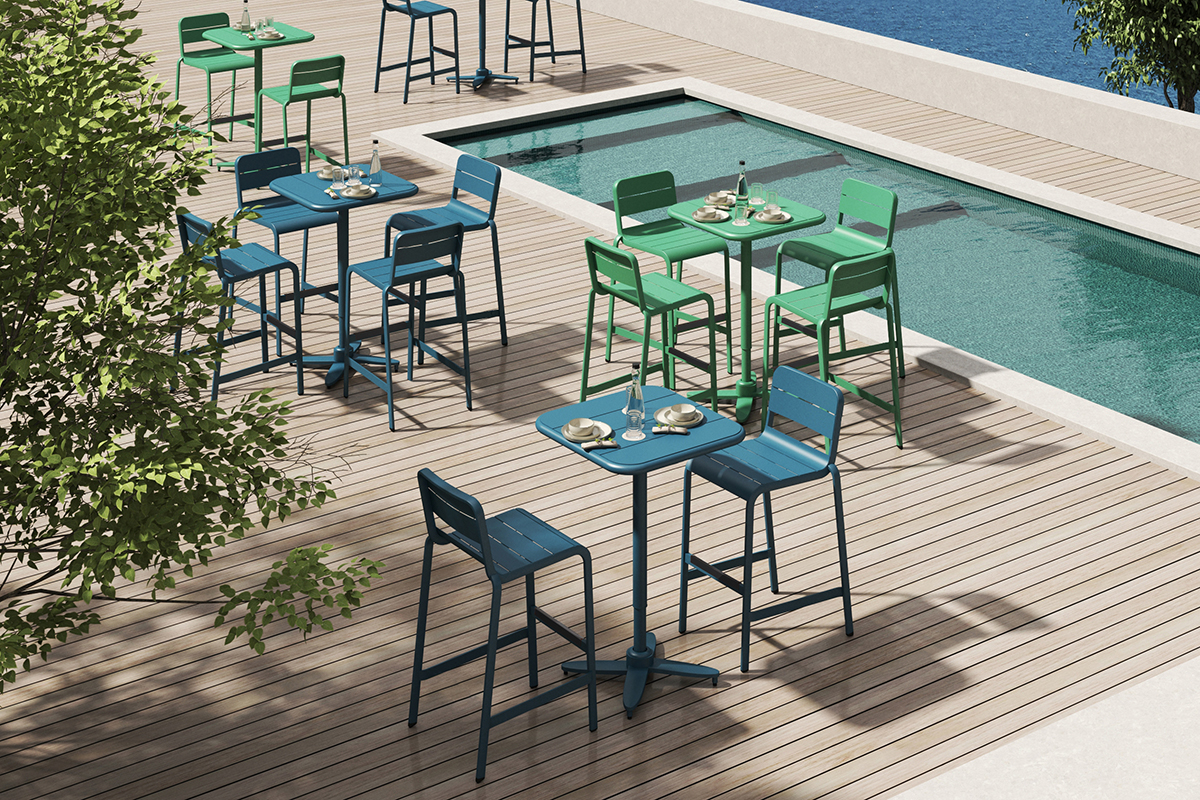
In contemporary cities, where living spaces tend to shrink, terraces and balconies become real extensions of the home. Designing a small outdoor environment requires attention, measure and a clear vision: each element must contribute to the overall balance. In this context, the theme of small outdoor spaces is increasingly linked to that of functional design, capable of combining aesthetics and practicality without compromise. One of the central aspects concerns the management of proportions. Furnishings that are too voluminous risk weighing down the visual perception, while light and modular solutions allow you to maintain a sense of openness. The use of compact furnishings and modular furniture allows the space to be adapted to different daily needs, from relaxation to conviviality, while always maintaining a strong stylistic coherence. Materials and finishes play a decisive role. Reflective surfaces, light colour palettes and natural textures help to amplify the brightness and create a more airy atmosphere. In this sense, contemporary outdoor design favors resistant but visually light materials, capable of dialoguing with urban architecture. The collections proposed by companies such as Higold Milano show how research on materials and details can translate into elegant solutions even for small contexts, without resorting to an excessive formal language.
Galleria immagini
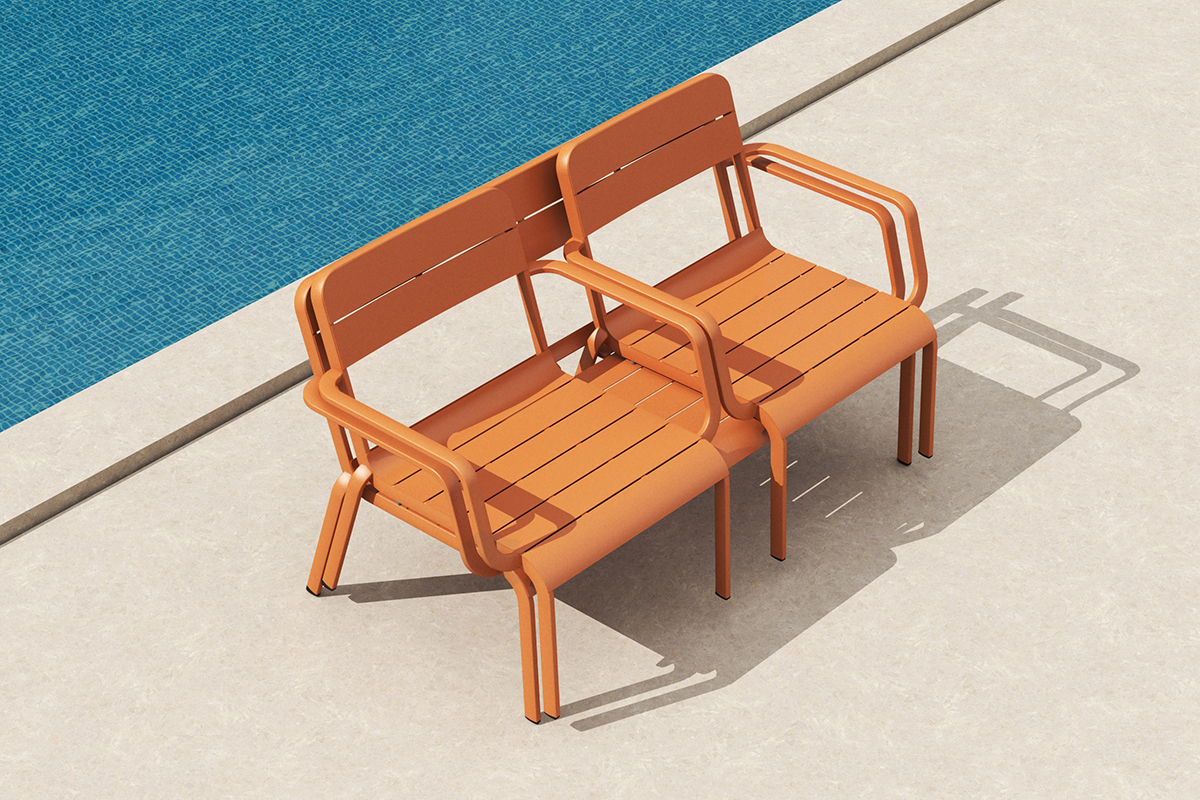
Another key element is multifunctionality. Seats with integrated storage units, transformable tables or modular systems allow you to optimize every square meter. This approach reflects a broader evolution of outdoor design, which today is not limited to defining an accessory area but contributes to building a real living space. In urban terraces, where the boundary between inside and outside is often thin, visual continuity with domestic environments becomes fundamental: fabrics, colours and finishes should dialogue with the interior to create a harmonious whole. Greenery also takes on a design function, as well as a decorative one. The inclusion of vertical plants or linear pots helps to define the zones and improve the perceptual quality of the space. In combination with targeted lighting — such as diffused lights or light points integrated into the furnishings — you get a room that can be used at different times of the day, increasing the value of outdoor living. Designing small outdoor spaces means adopting a conscious approach, in which every choice is guided by the relationship between ergonomics, aesthetics and durability. The result is not just a well-furnished terrace, but a place capable of improving the quality of daily life, demonstrating how terrace design can be discreet, functional and profoundly contemporary at the same time.