The value of modularity in contemporary outdoor furniture
Design flexibility, durability and new ways of experiencing outdoor spaces
Pubblicato il:
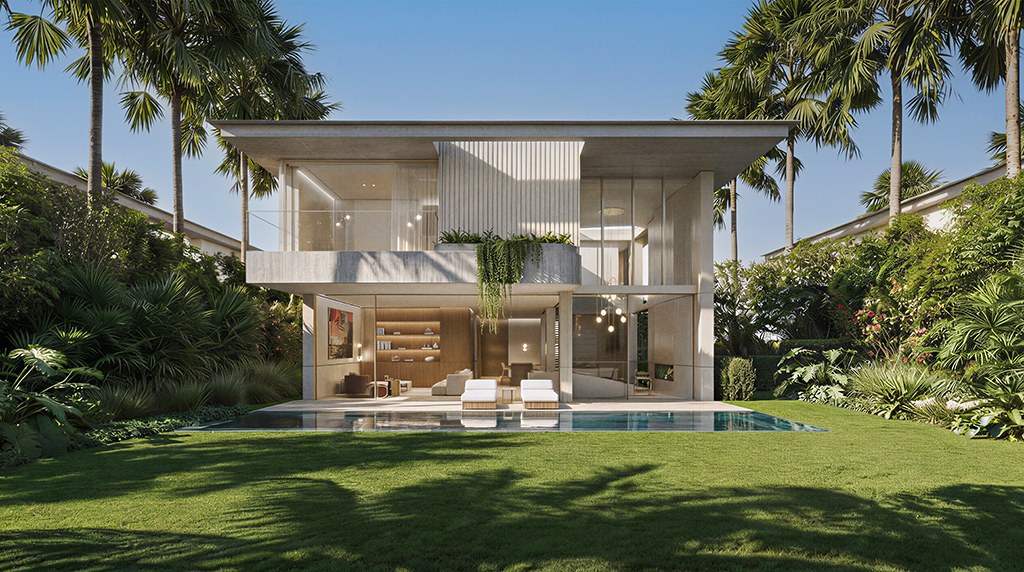
In the panorama of contemporary design, modularity represents one of the most significant evolutions in the field of outdoor furniture. If in the past outdoor spaces were conceived as static environments, today they are designed as flexible systems, capable of adapting to constantly changing needs. Terraces, gardens and contract spaces require solutions that combine functionality, comfort and the ability to transform, making modular furniture an increasingly popular response among designers and companies.
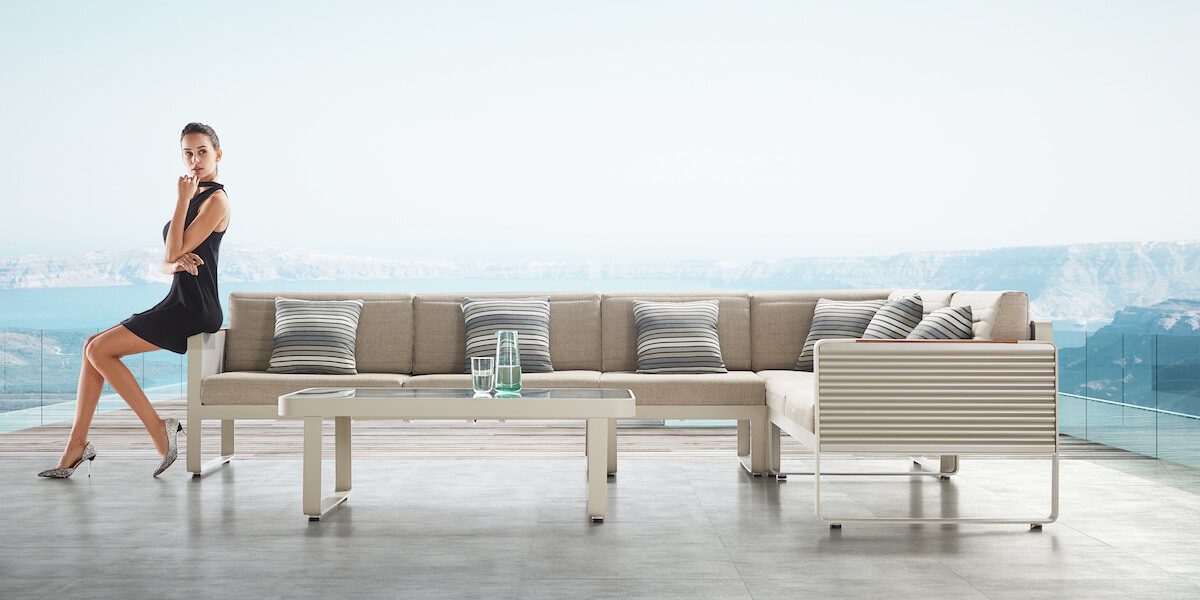
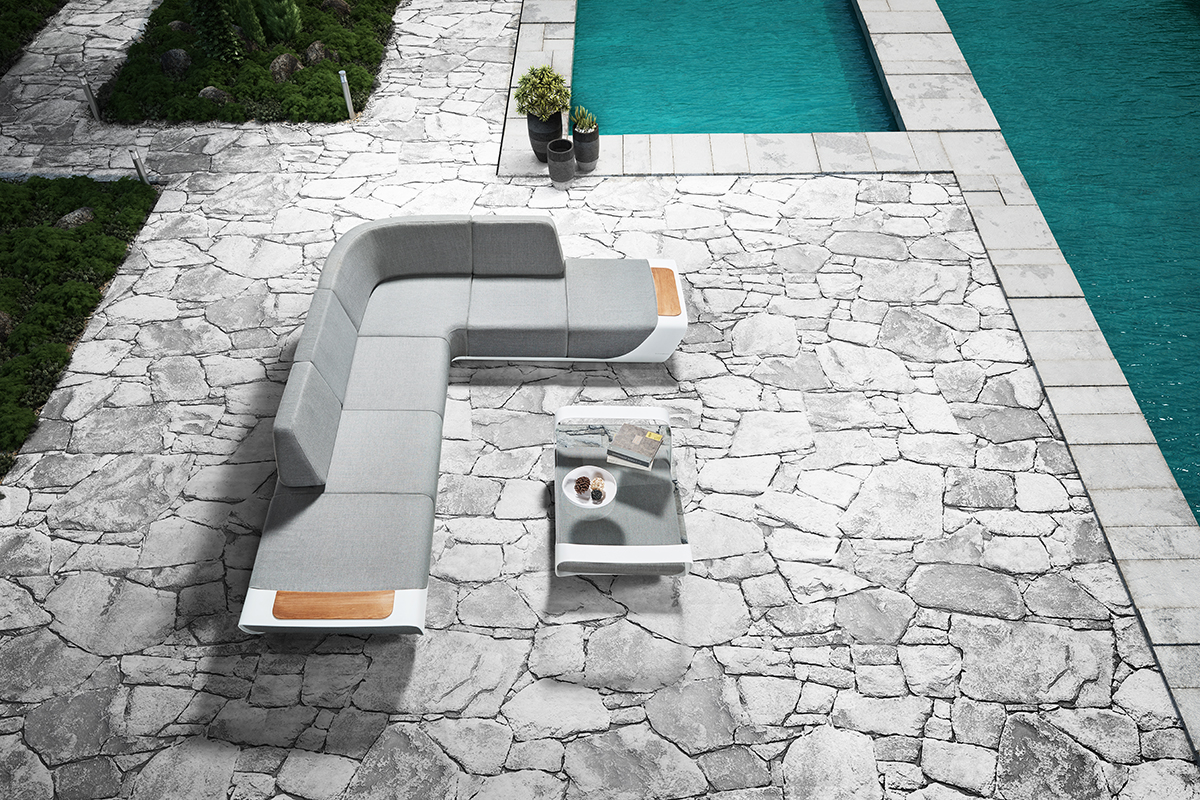
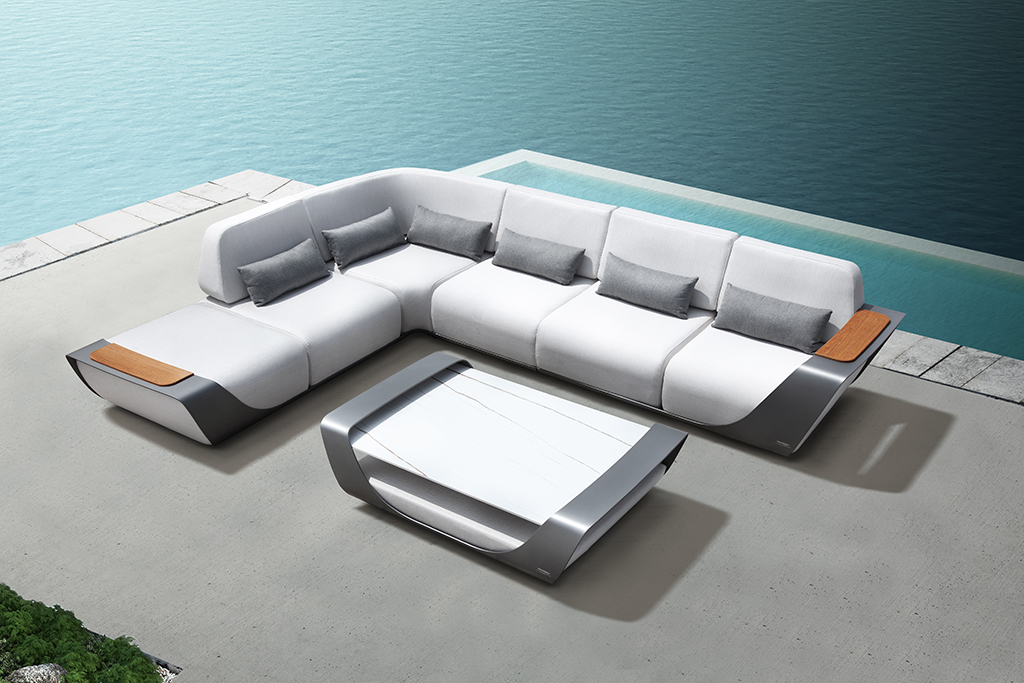
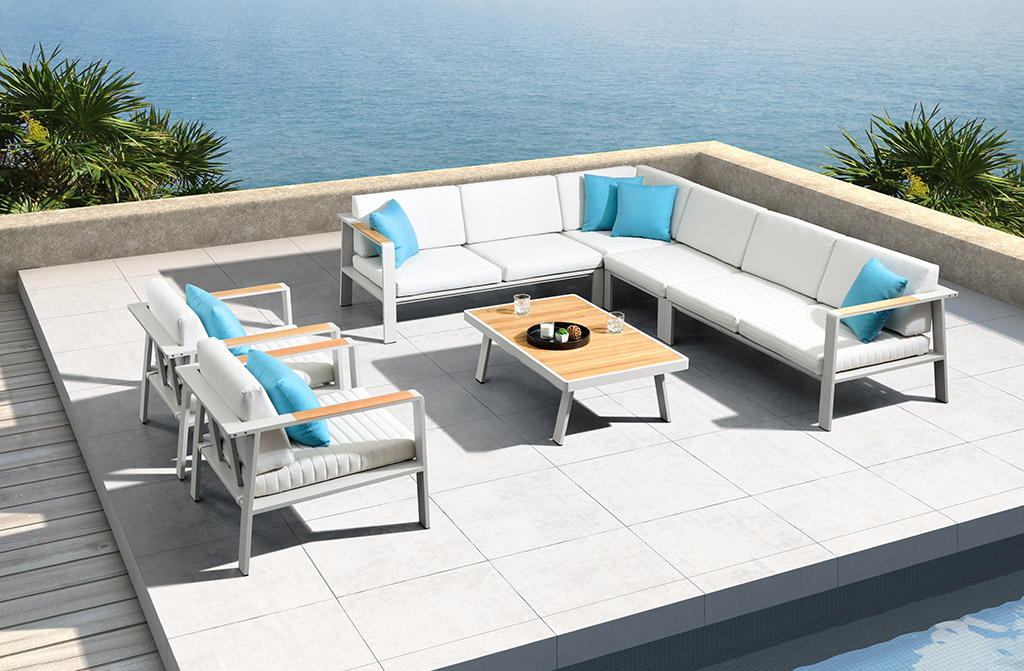
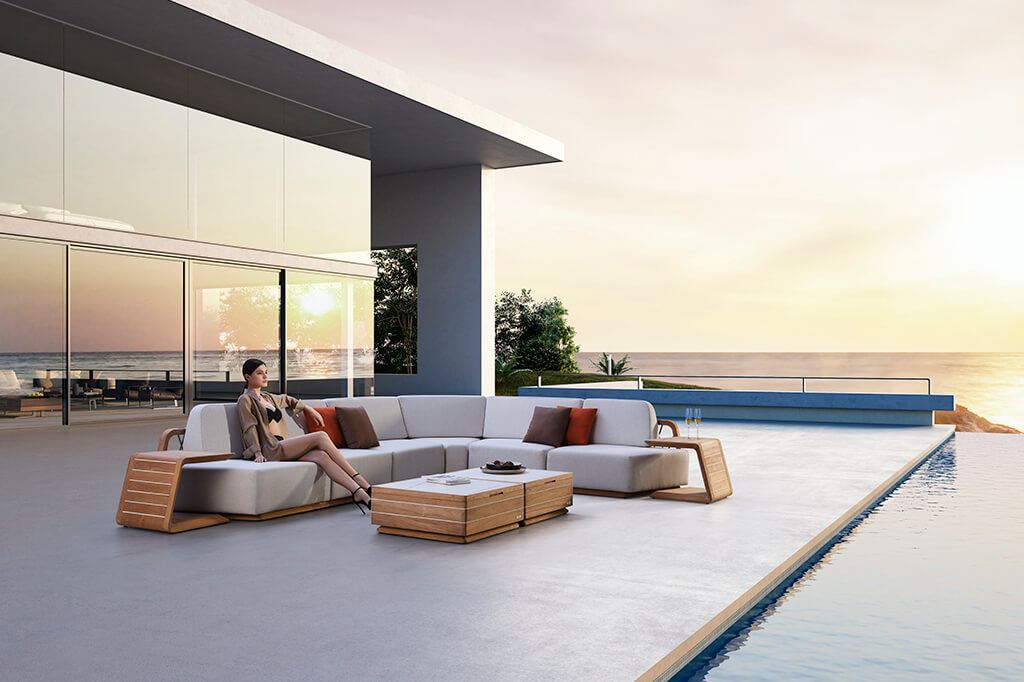
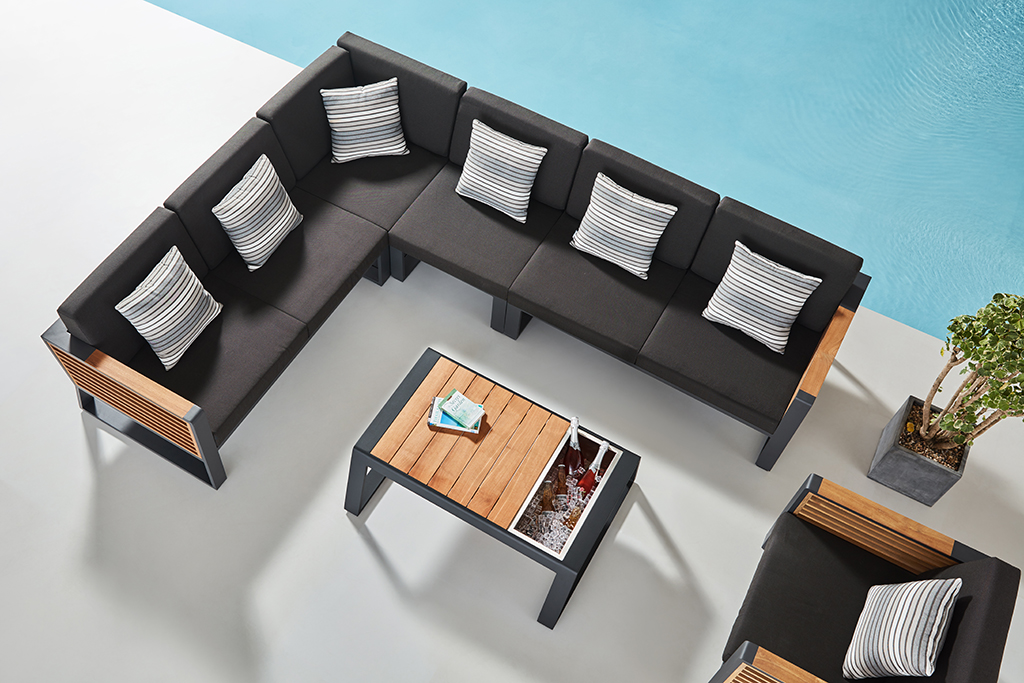
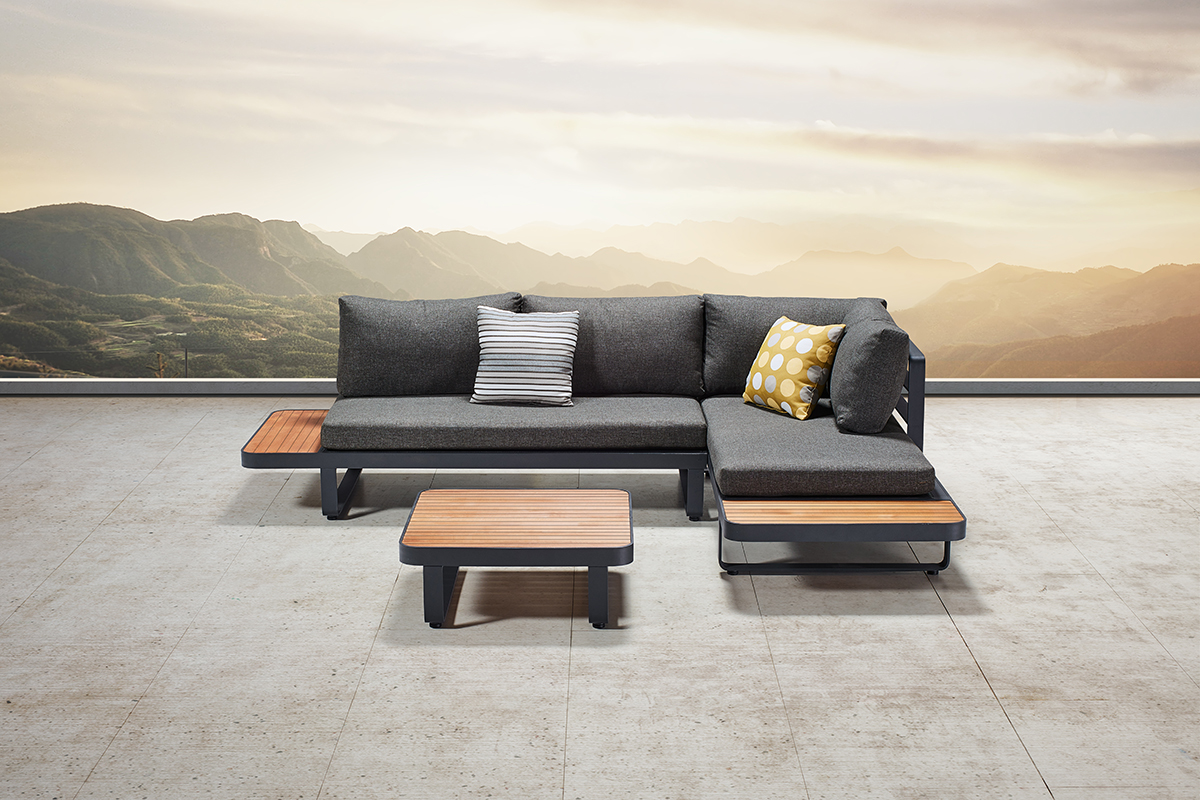
Modularity allows you to configure the space in a dynamic way: elements that combine, expand or reconfigure allow you to optimize different surfaces, from small urban terraces to large hospitality spaces. This design logic does not only concern aesthetics, but also daily use, favoring greater customization of outdoor environments and more efficient space management.
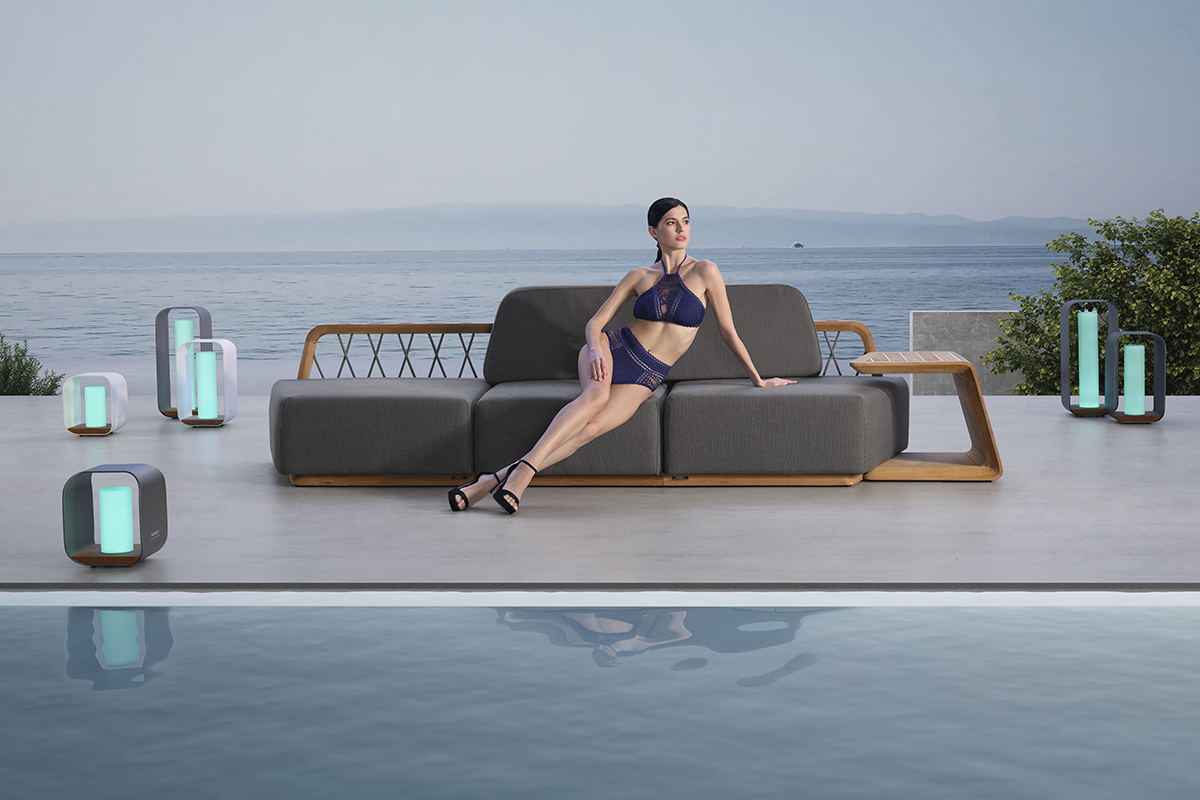
A central aspect is the relationship between modularity and contemporary outdoor living . Outdoor areas are no longer simple extensions of the home, but real places of sociality and relaxation, where the configuration of the furnishings can change according to the seasons, occasions or the number of people. In this context, modular systems of seats, tables and surfaces become design tools that facilitate the creation of different scenarios, while maintaining stylistic consistency and comfort.
Galleria immagini
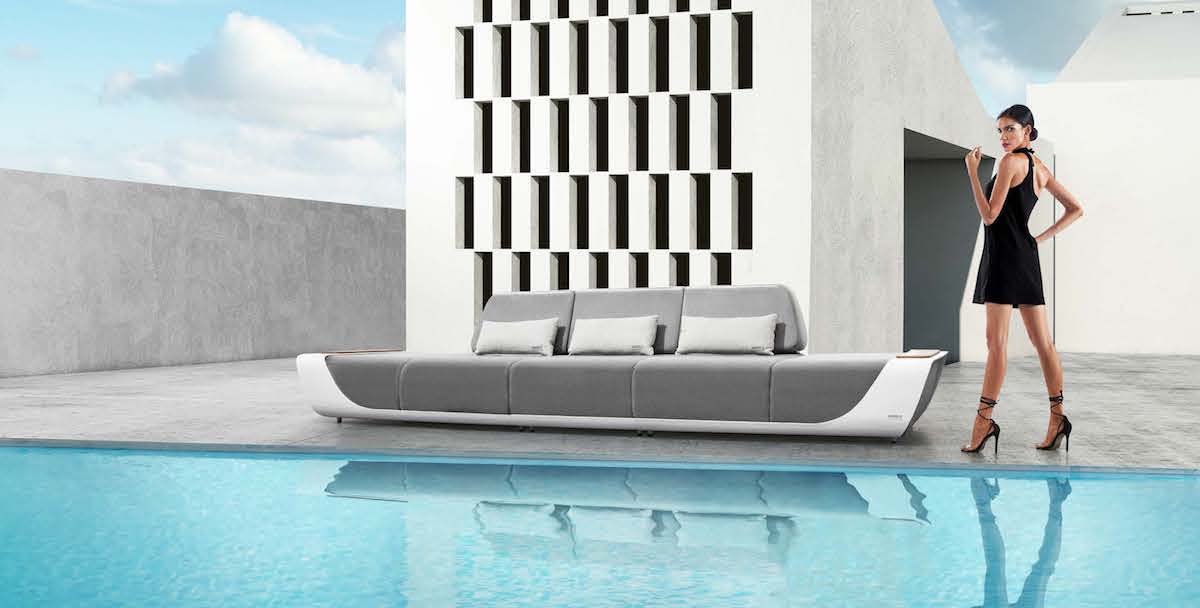
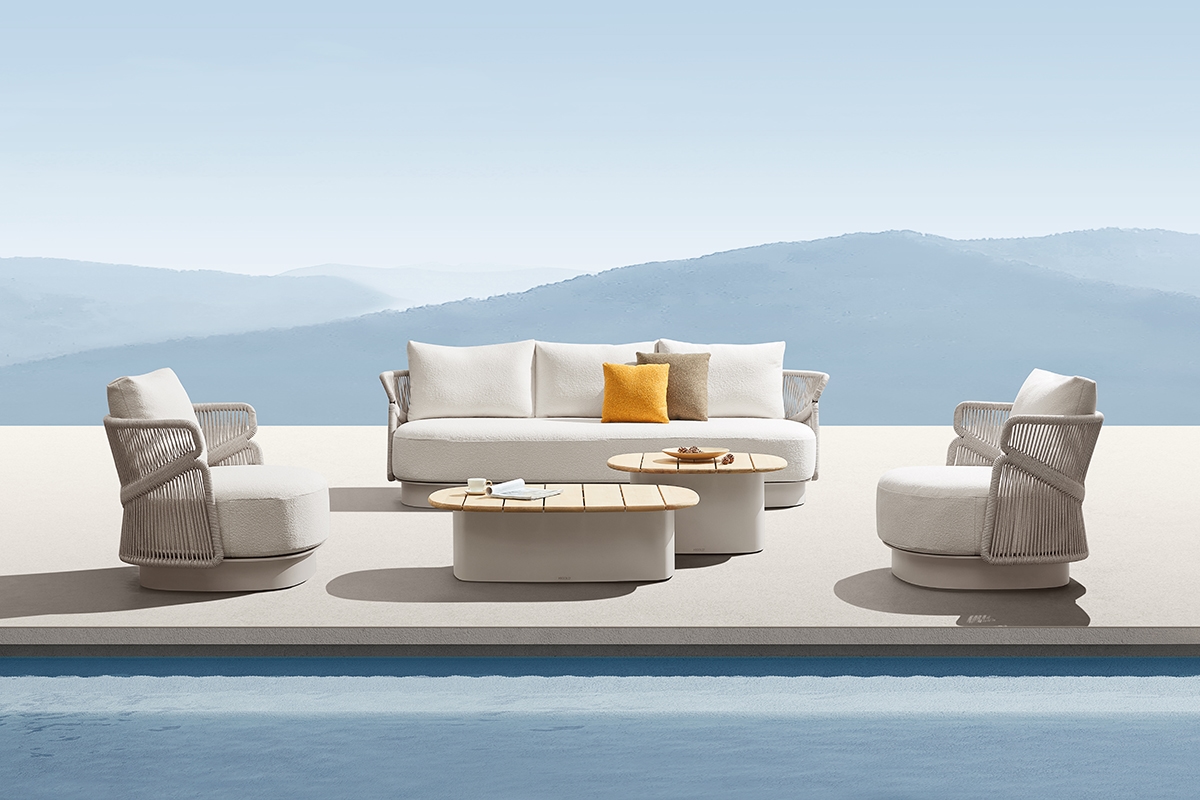
Research into durable outdoor materials is another key element. Aluminium structures, technical fabrics and finishes designed to withstand the sun, humidity and temperature changes allow modular furniture to maintain performance and quality over time. Modularity, in fact, is not just a matter of form: it implies a design that pays attention to durability and maintenance, fundamental aspects to ensure sustainability and a prolonged life cycle of the product. Higold Milano’s outdoor furniture collections also fit into this scenario, interpreting the theme of modularity through modular systems designed for residential and contract contexts. The reference to these furnishings helps to understand how the market is evolving towards increasingly flexible solutions, in which design and performance coexist without formal excesses.
From a design point of view, modularity also favors a more sustainable approach: the possibility of replacing individual elements, expanding existing configurations or adapting furnishings to new contexts reduces the need for complete replacements, contributing to a more conscious consumption. It is a logic that aligns with current reflections on circular design and product longevity.
The value of modularity in contemporary outdoor furniture lies in its ability to combine design flexibility, aesthetics and durability. More than a trend, it represents a paradigm shift in the way we conceive outdoor spaces: open, transformable places that are increasingly integrated with everyday lifestyles.