Montauk Beach House: organic architecture between earth, wind and light
A coastal retreat by SAOTA and Rafael de Cárdenas that interprets the landscape of the Hamptons with contemporary elegance
Pubblicato il:
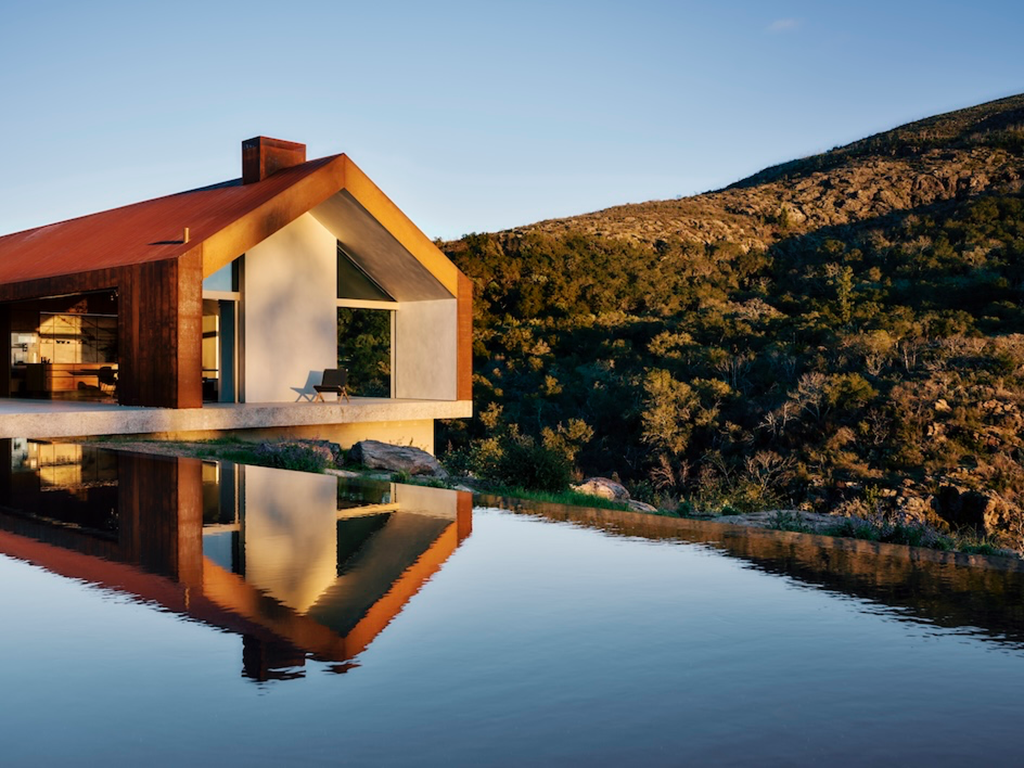
In the heart of the East Coast of the United States, between the Old Montauk Highway and the Atlantic Ocean, stands a discreet new icon of contemporary coastal architecture. Designed by the South African studio SAOTA, in collaboration with interior designer Rafael de Cárdenas, the Montauk Beach House is a refined example of design integrated into the landscape, able to respond to the environmental and cultural challenges of a unique natural context such as that of Montauk, New York. The project was born with a specific intent: to preserve the natural character of the site. From the street, the house is barely visible, with only the upper part visible. This upper volume echoes the architectural language of local barns, blending with the historic Hamptons aesthetic without altering perception. The external cladding, in shou sugi ban, is a charred wood according to a Japanese technique that makes it highly resistant to atmospheric agents. The result is a dark, textured leather that protects the house from ocean winds and gives the volume a sculptural and rooted presence.
Galleria immagini
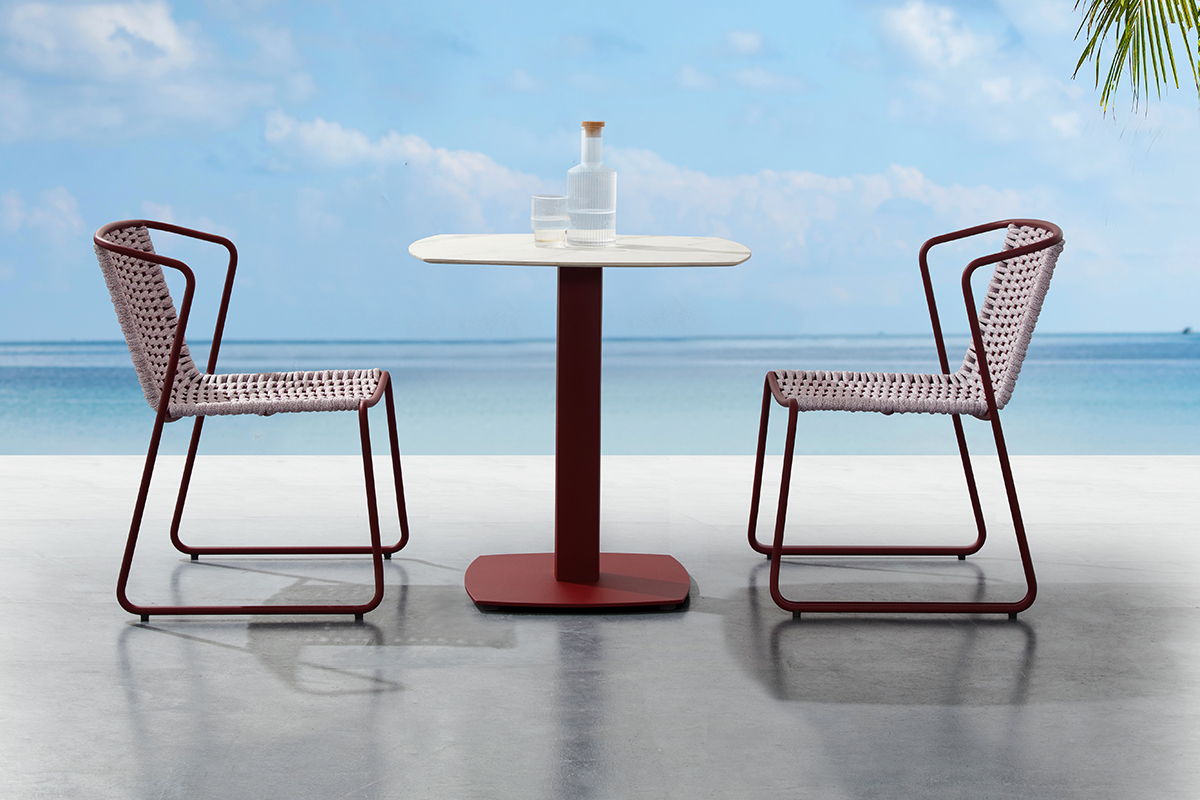
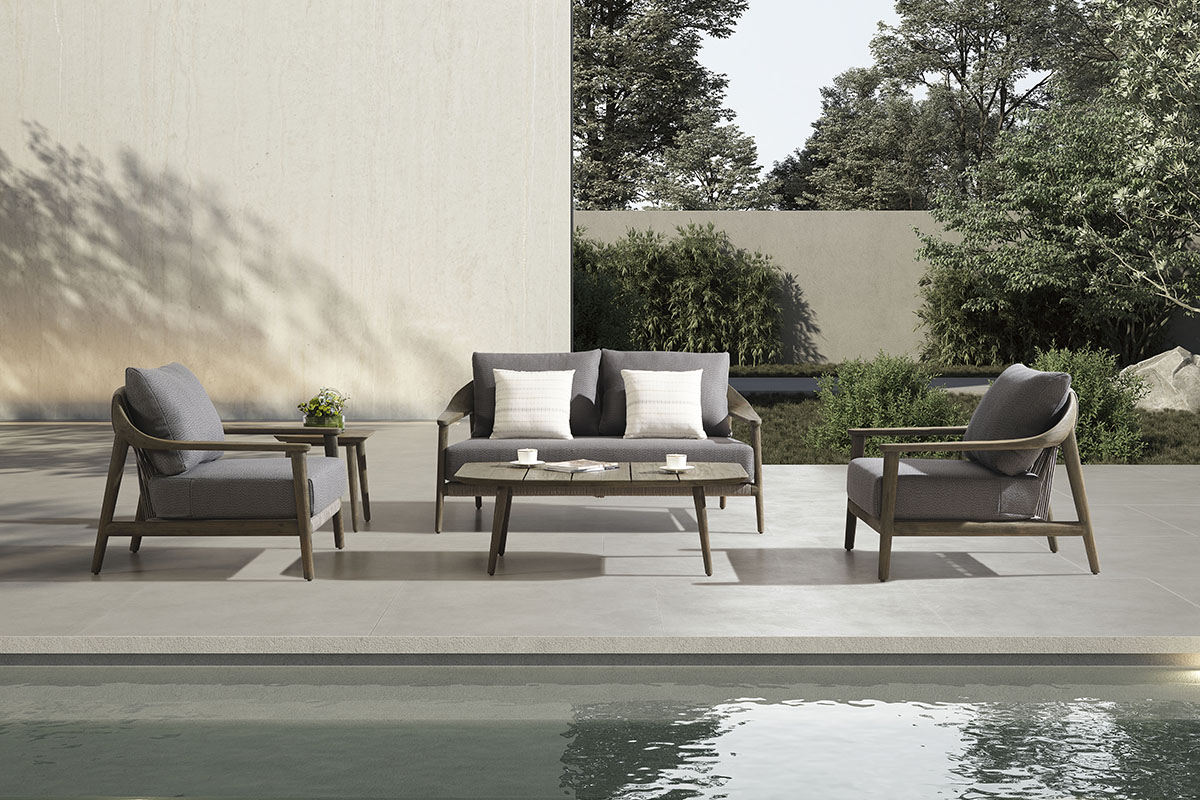
Inside, the scenery changes: light tones, natural wood and light surfaces recall the colors of the sand and the coast, creating a harmonious contrast between exterior and interior. The interiors, curated by Rafael de Cárdenas, play with light and materials to convey a feeling of calm and openness, perfectly balancing protection and transparency. The layout of the house follows the topography of the site. The entrance is at street level, from which you gradually descend along a path that reveals the ocean in small fragments. The living areas are placed higher up to enjoy panoramic views, while the lower level, embedded in the rock, houses guest rooms and recreational areas. Between the two volumes, a central glazed element houses the kitchen, dining room and living room, becoming the transparent heart of the house, open to the garden and natural light. The project also includes a series of stepped outdoor terraces, carefully furnished through selected outdoor furniture , which connect the indoor spaces with the garden, the swimming pool and the pool house. This rhythmic sequence accentuates the fluid relationship between architecture and terrain, following the natural slope of the lot.
From a sustainable point of view, the house uses local materials such as regional stone and treated wood, combined with passive strategies of natural ventilation, solar orientation and weather protection. The result is a home that works in harmony with the environment, minimizing its energy and visual impact. The Montauk Beach House is not just a dream home by the sea: it is a project that reflects respect for the landscape, for materials and for time, embodying a contemporary coastal design model that combines aesthetics, functionality and sustainability.