Design that warms: materials and textures that light up the atmosphere
How surfaces, fabrics and finishes transform spaces into welcoming environments, between indoors and outdoors
Pubblicato il:
In contemporary design, comfort is no longer just a matter of ergonomics or temperature: it is a sensory experience built through materials, textures and light. Talking about “design that warms” means recognizing the power of surfaces in generating intimacy, in making a space more welcoming, in promoting the well-being of those who live in it. Whether indoors or outdoors, it is the material choices that define the character of a place.
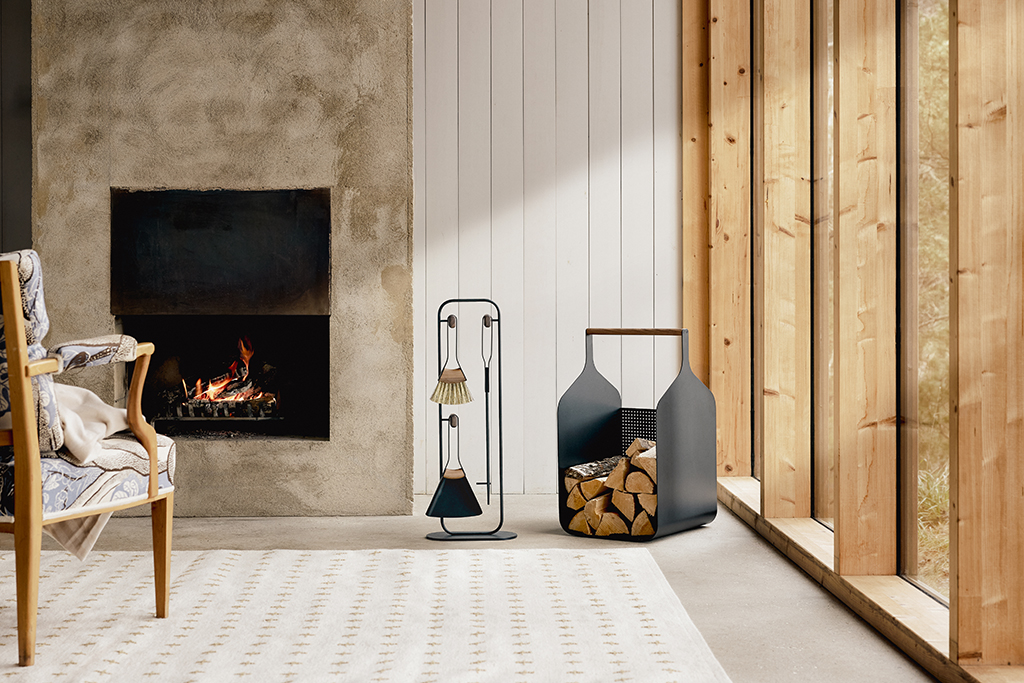
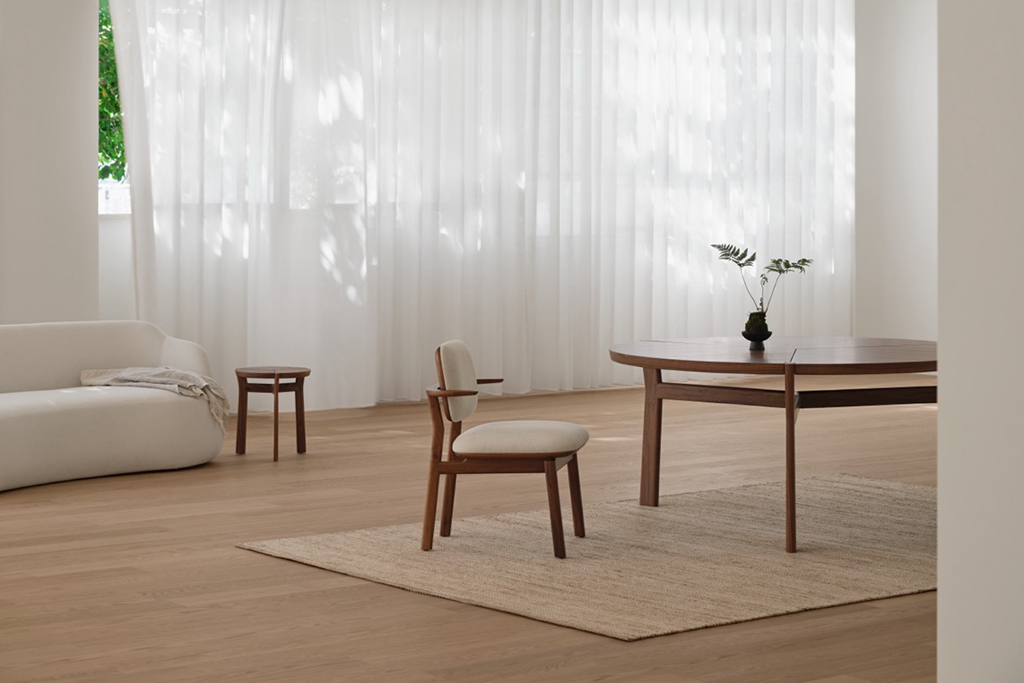
The first key element is natural materiality. Wood, plant fibres, stone, raw fabrics and metals with matte finishes convey a feeling of authenticity and proximity. Wood, in particular, with its grain and imperfections, gives immediate visual warmth; Polished stone or treated concrete with soft surfaces add depth and stability. These materials, when combined with balance, build environments that “embrace” without weighing them down.
Alongside the materials, textures play a decisive role. Woven surfaces, textile textures, worked upholstery and relief upholstery introduce a tactile dimension that invites contact. The project is no longer just to look at, but to touch and inhabit. A cushion, a rug, a seat with structured fabric can change the perception of a space, making it warmer and more lived-in. Even outdoors, textures are essential to overcome the idea of cold or purely functional furniture.
Galleria immagini
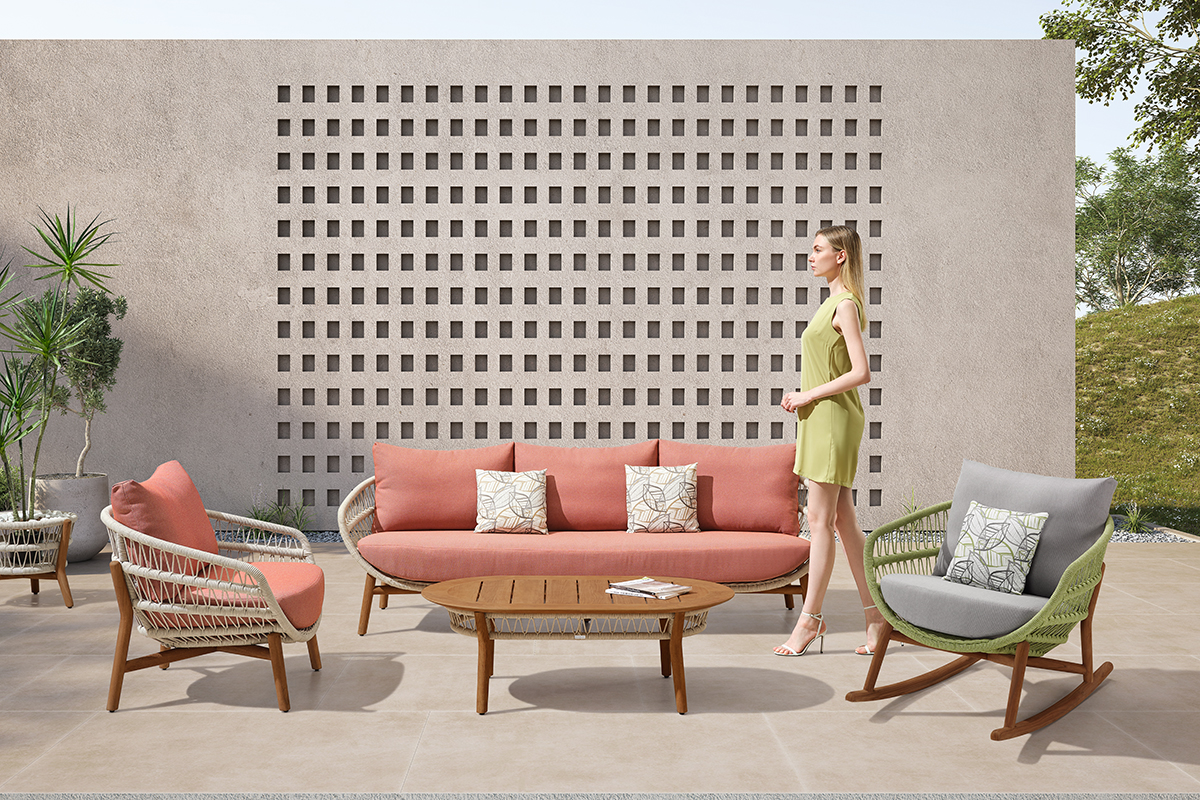
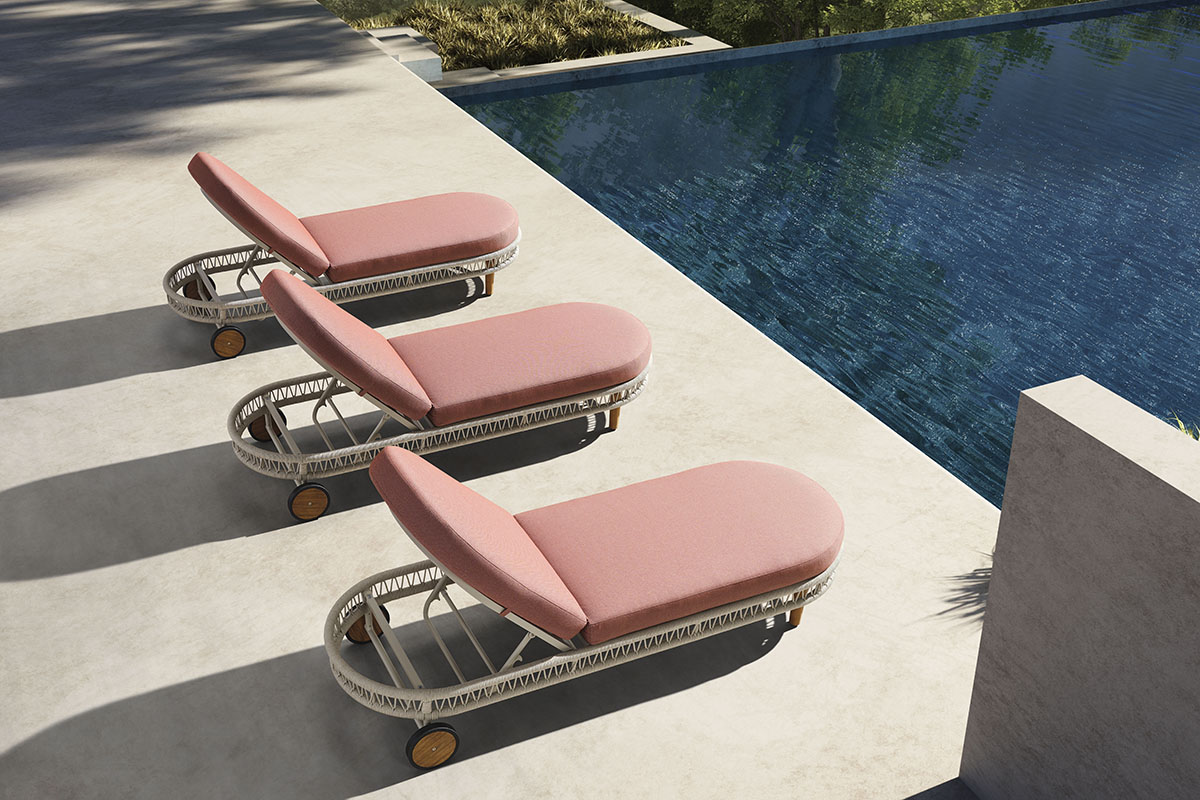
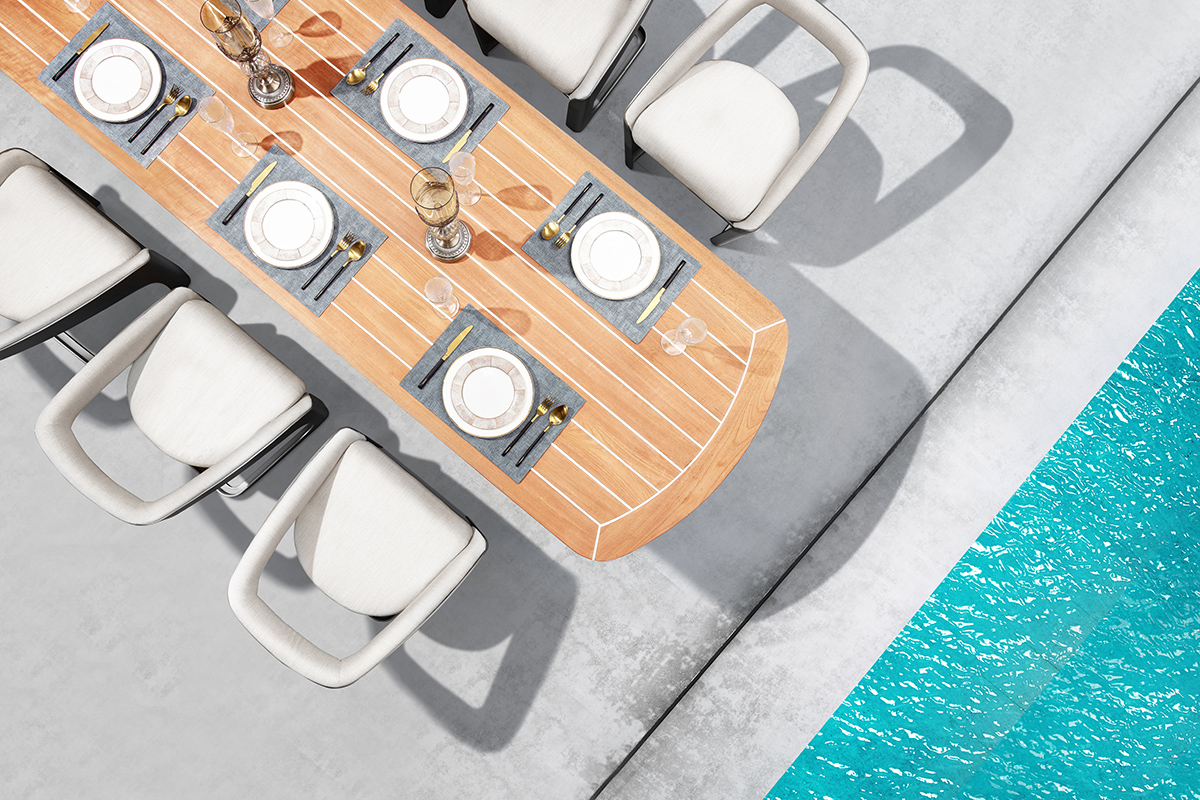
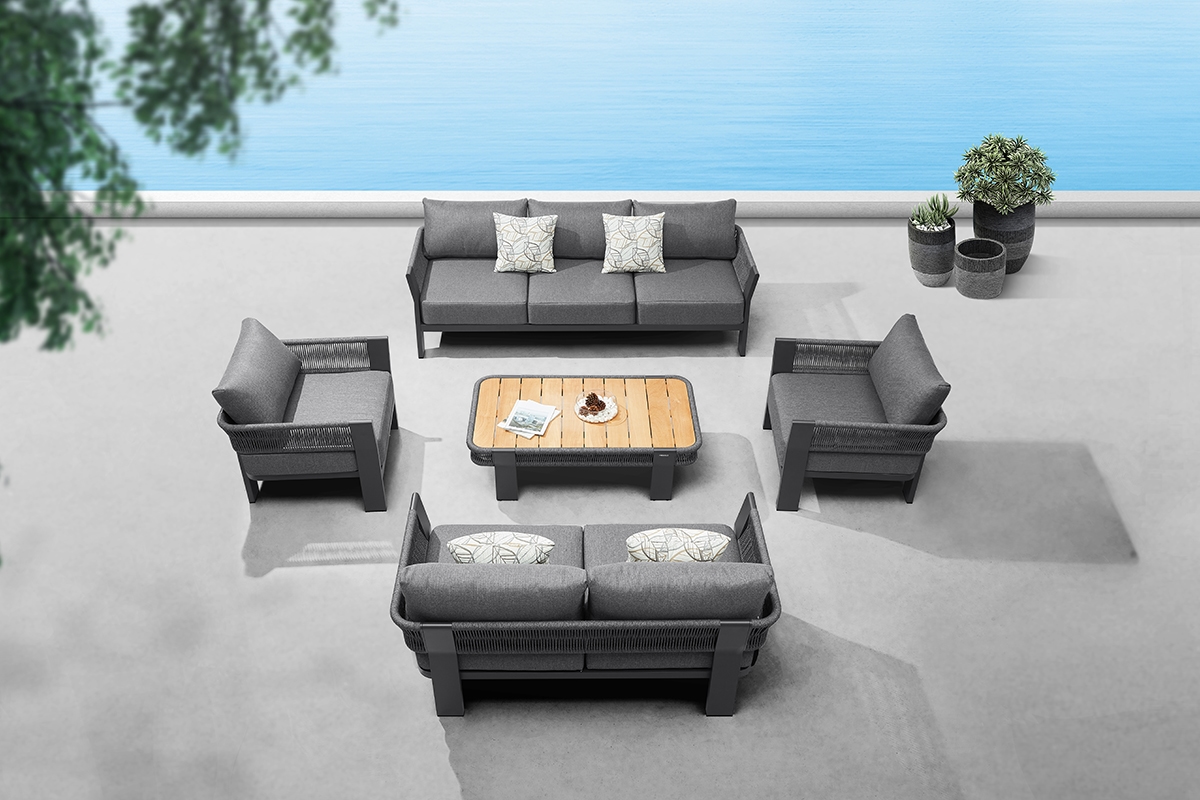
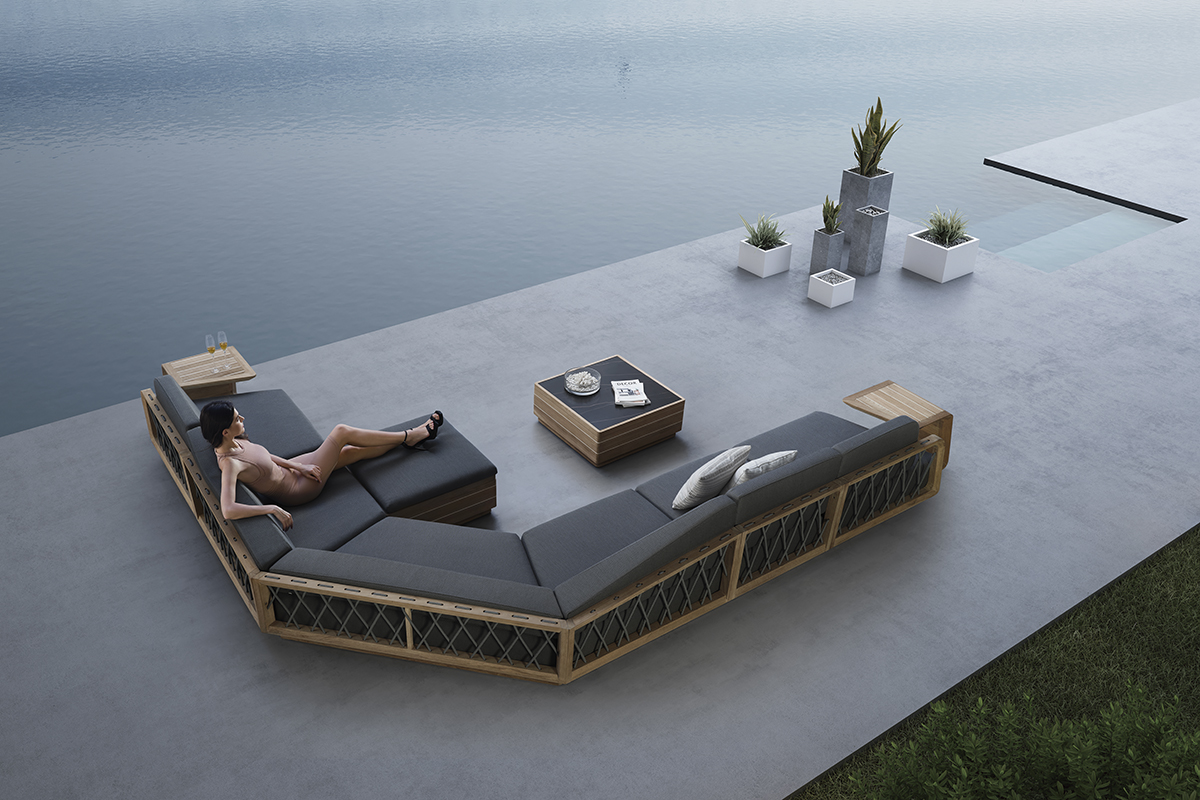
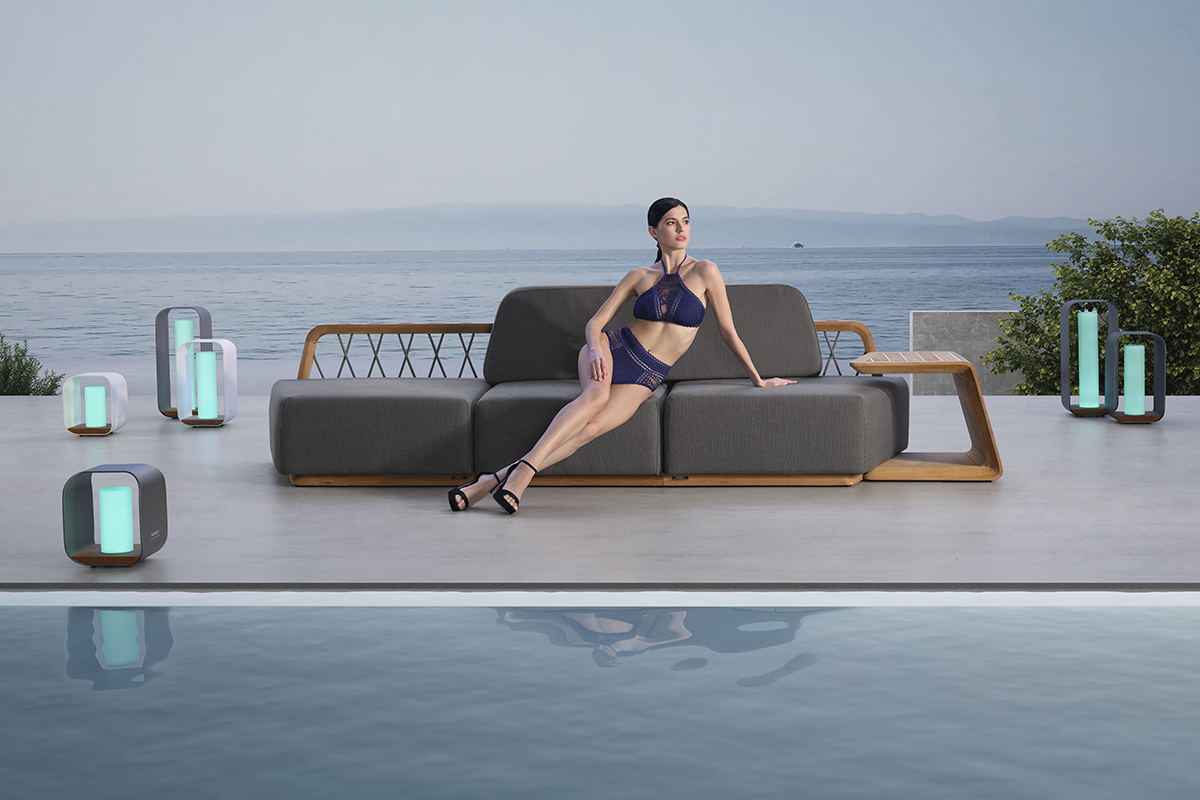
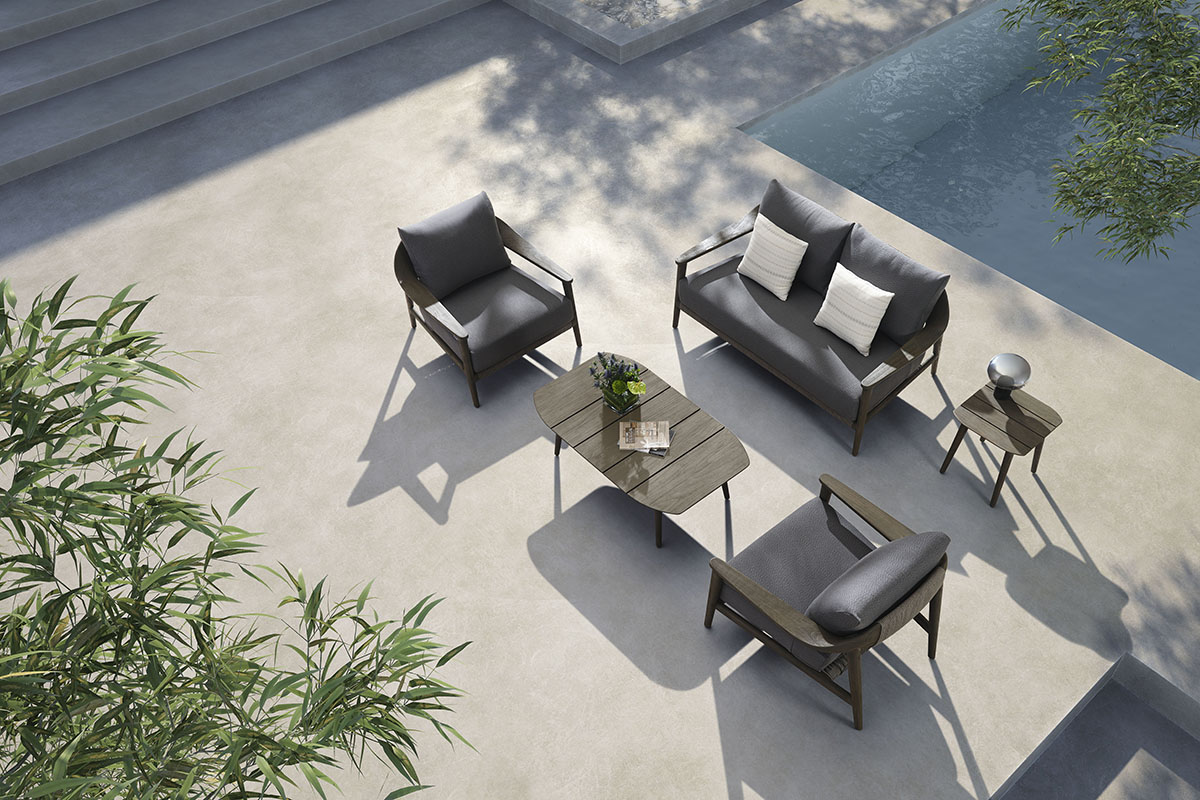
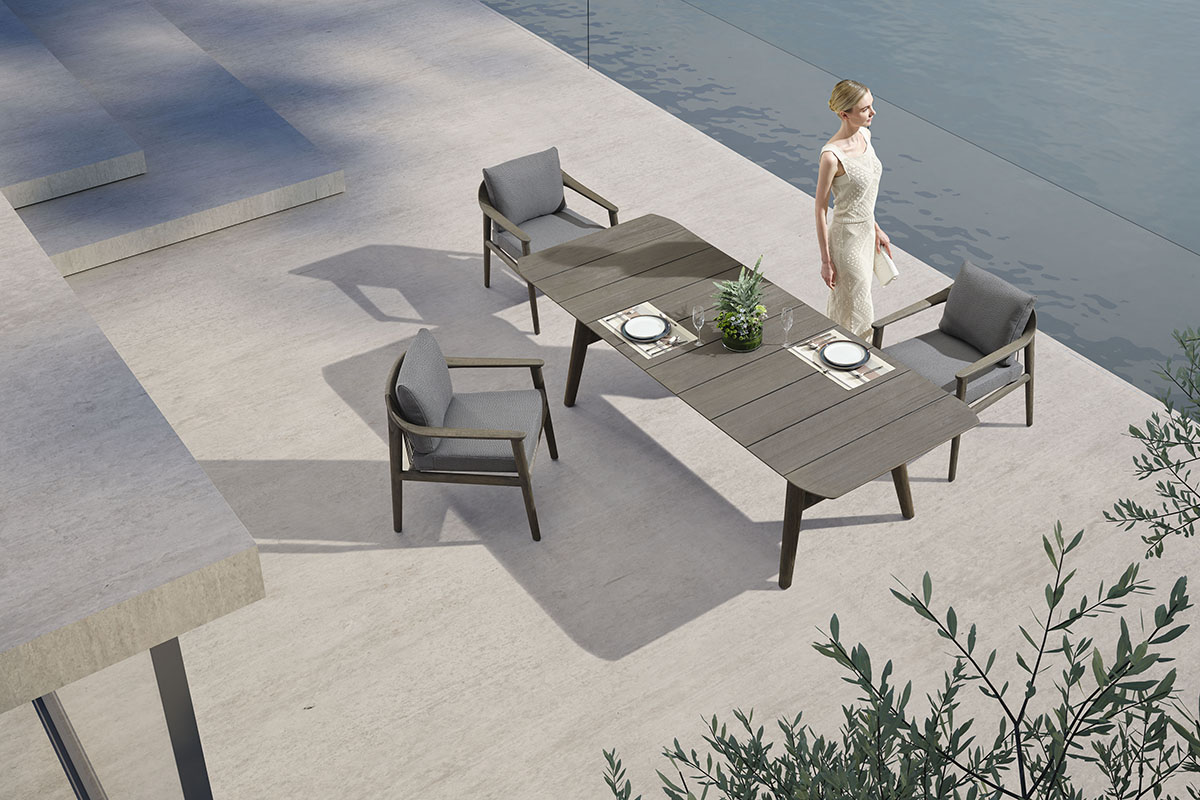
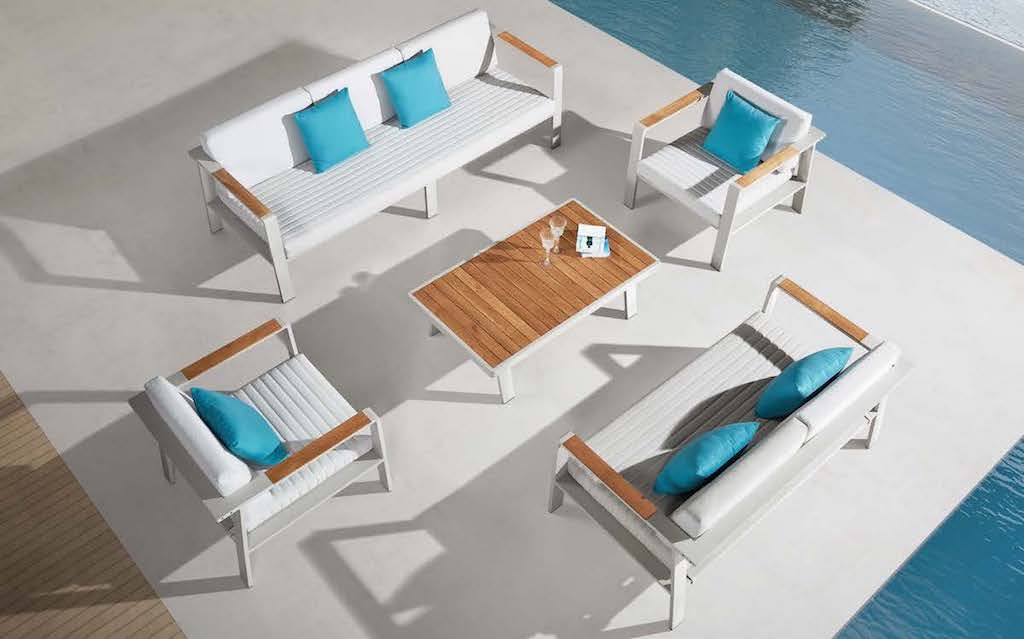
In this sense, Higold Milano’s outdoor furniture collections offer an interesting interpretation of the contemporary outdoors. Without promotional tones, the value of these proposals lies in the research on materials and finishes: treated aluminum, wood-effect surfaces, technical weaves and high-performance fabrics capable of combining resistance and comfort. The result is a design language that brings the same sensory attention typical of interiors to the outside, demonstrating how even an open space can “warm up” through design.
Color is another fundamental tool. Warm and natural shades – beige, terracotta, browns, deep greens – create a harmonious background on which to graft more intense accents. But heat doesn’t just depend on the palette: the way light interacts with surfaces also affects perception. Matte finishes, fabrics with a noticeable texture and porous materials absorb and diffuse light more softly, avoiding cold reflections and contributing to a more intimate atmosphere.
The design that warms is, ultimately, a project of balance between aesthetics and sensation. It is not a question of filling spaces with decorative elements, but of choosing materials and textures capable of dialoguing with architecture, landscape and everyday use. Even outdoors, comfortable seating, tactile surfaces and thoughtful details transform terraces and gardens into places to live, not just walk through.
In an era in which living is increasingly fluid between inside and outside, heat is not only thermal, but emotional. It is the feeling of feeling at ease, of recognizing a space as “one’s own”. And it is precisely through authentic materials and carefully thought out textures that design manages to ignite the atmosphere, building environments in which beauty is never an end in itself, but becomes a shared experience.