Spring terraces: ideas to transform them into spaces to live in every day
From furniture design to light management, how to make the terrace an everyday environment
Pubblicato il:
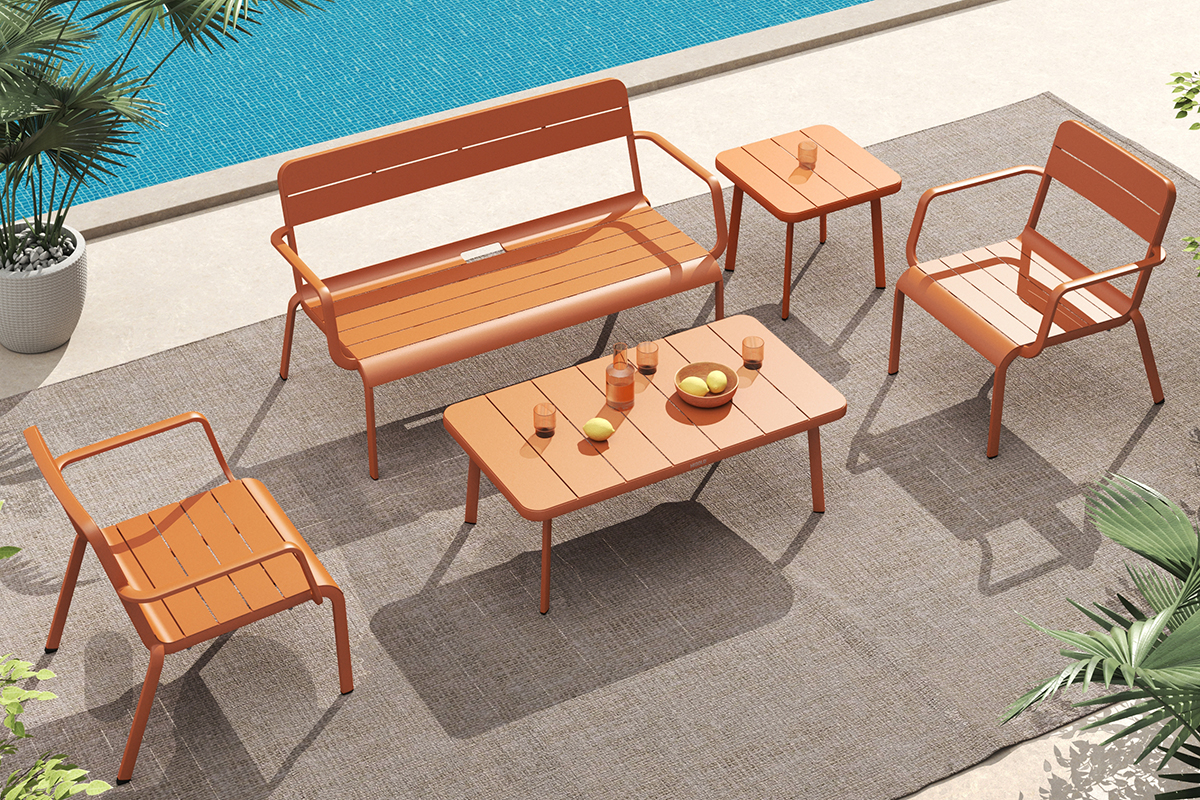
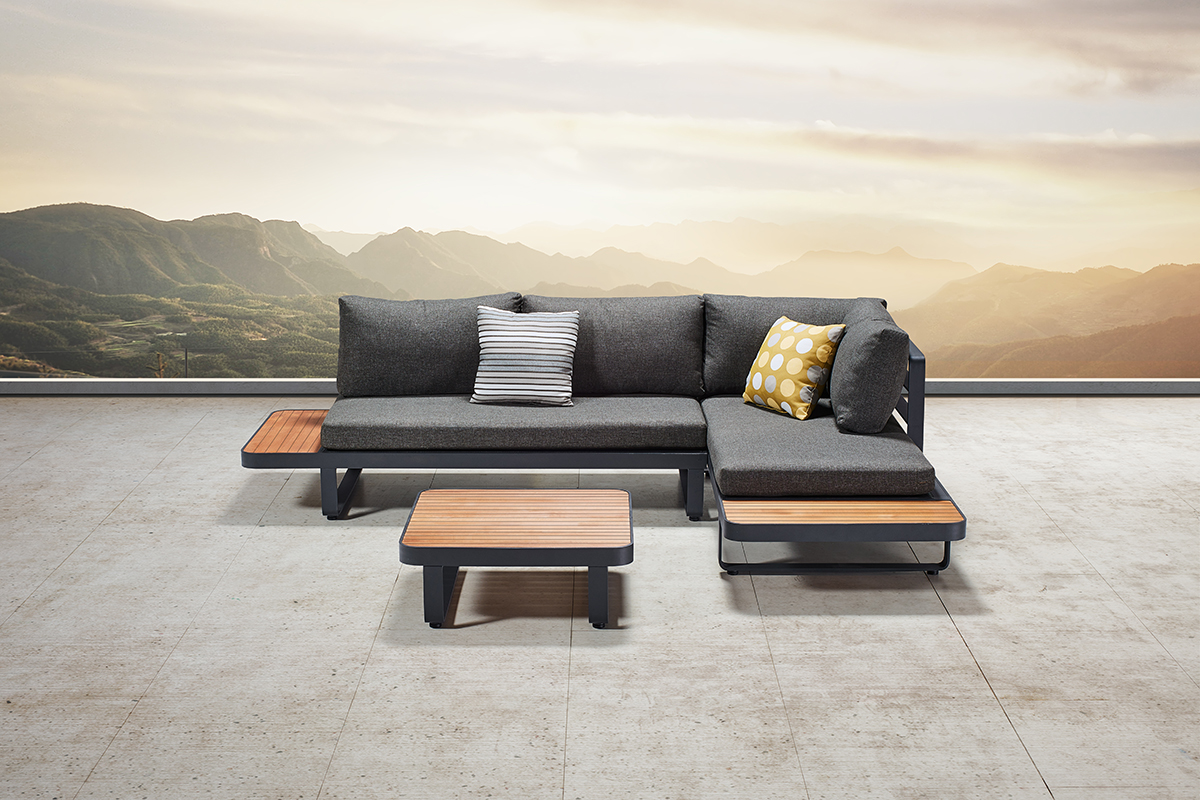
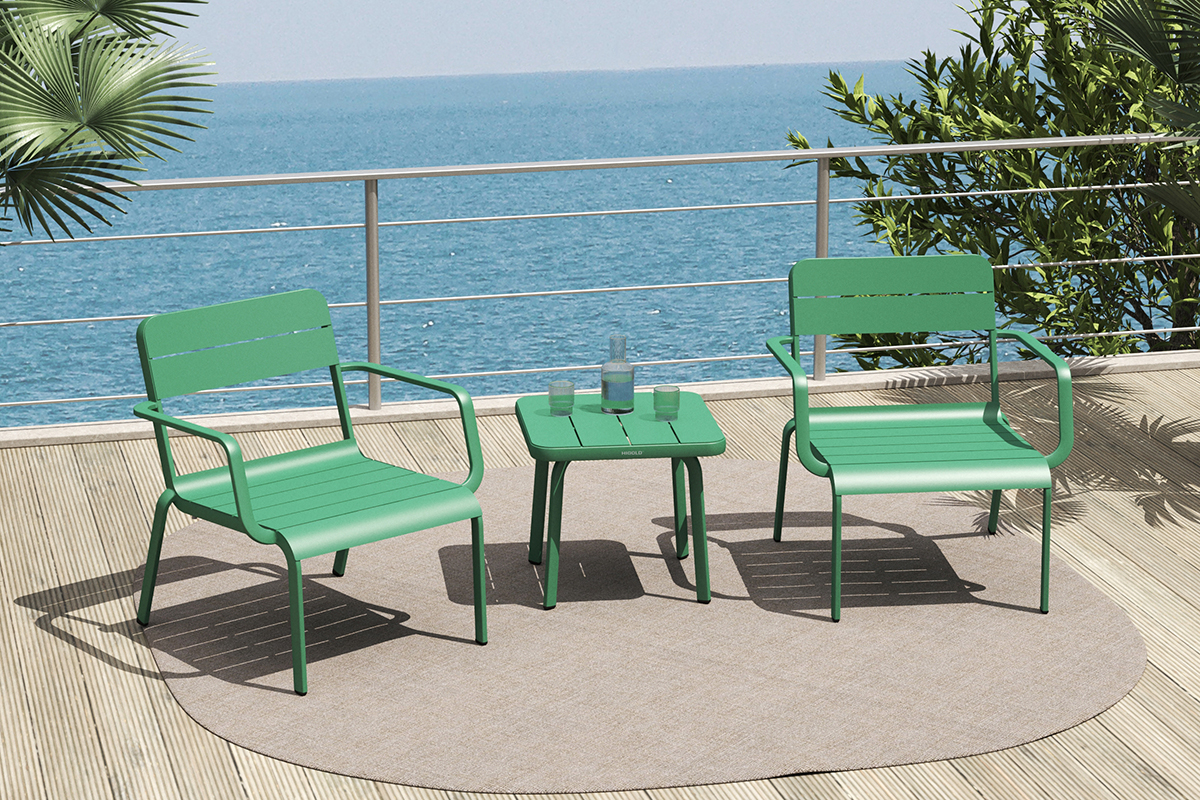
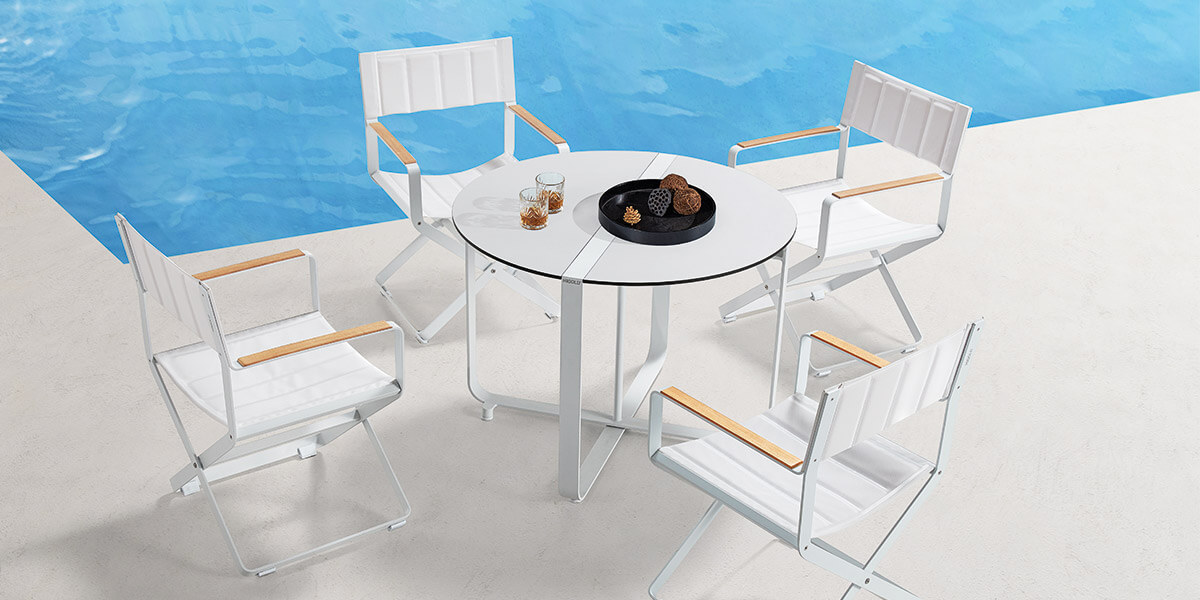
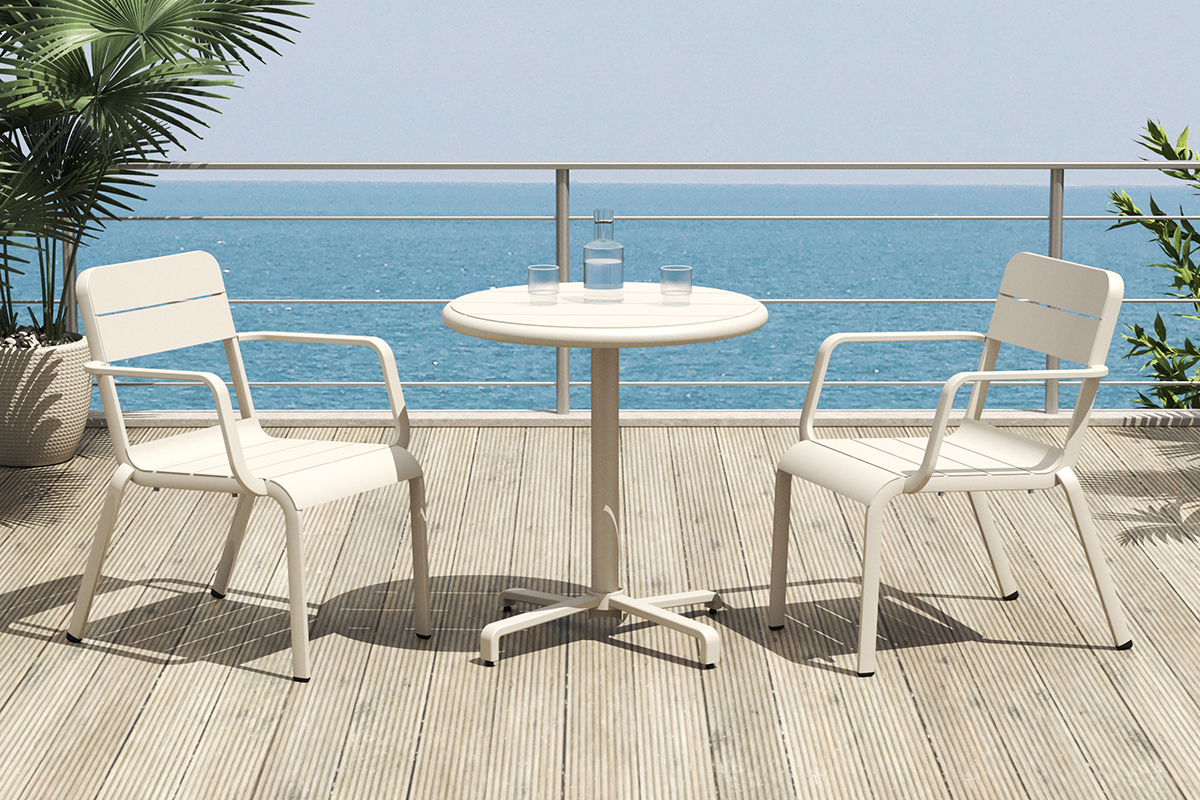
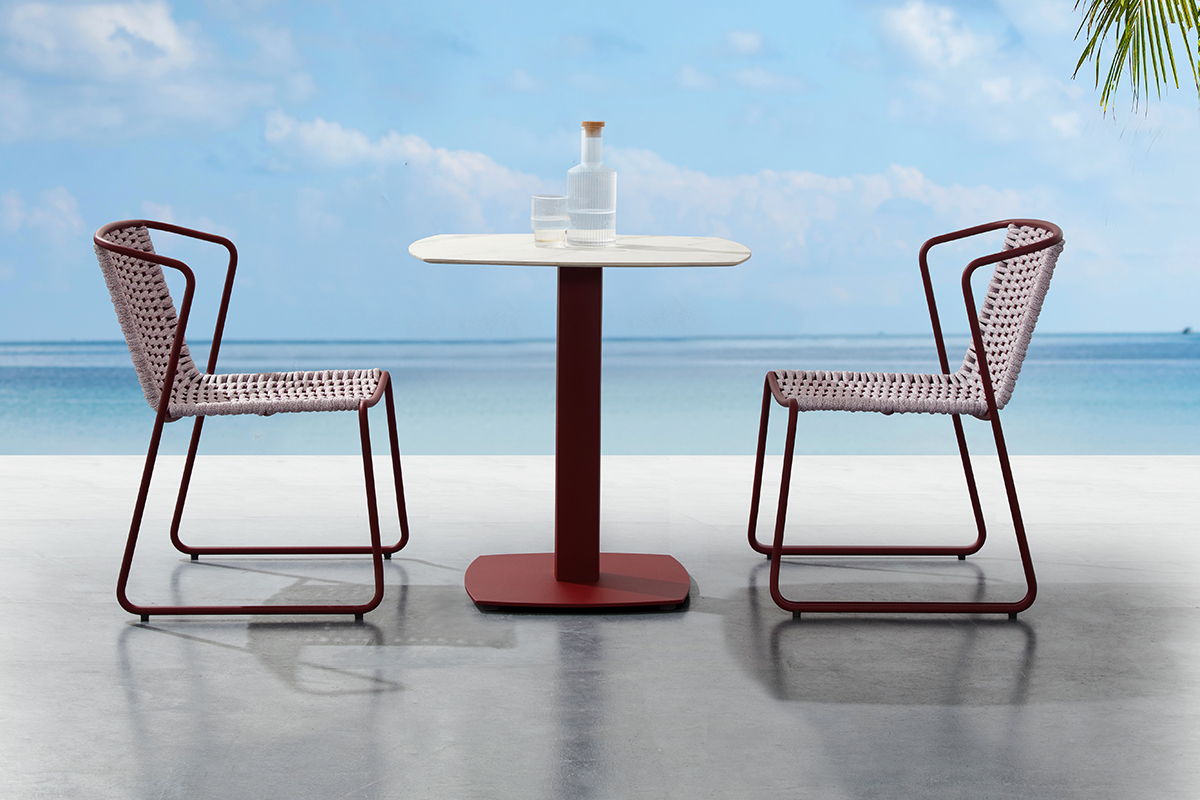
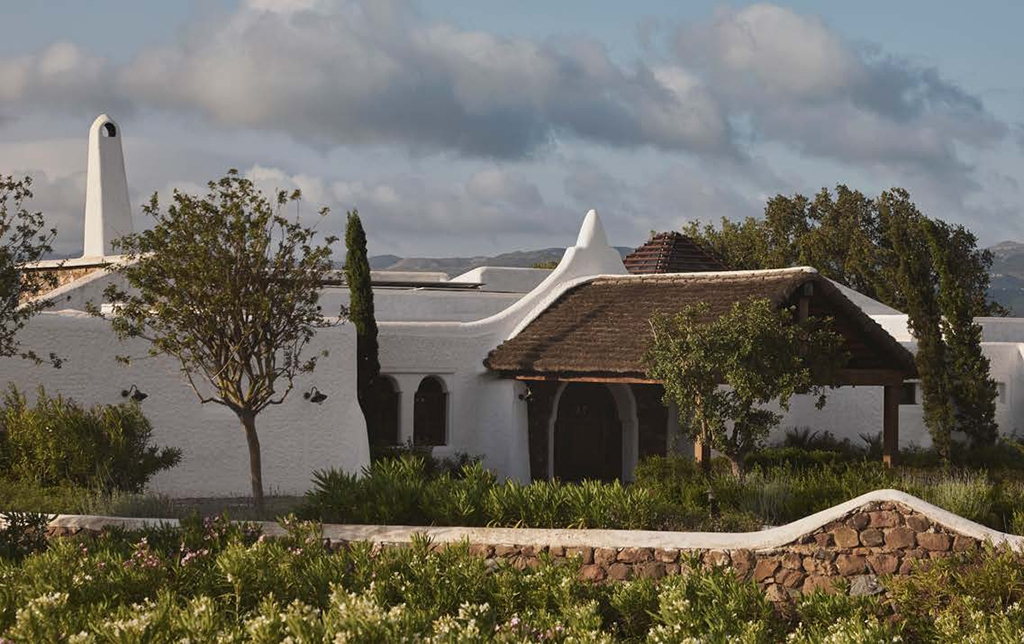
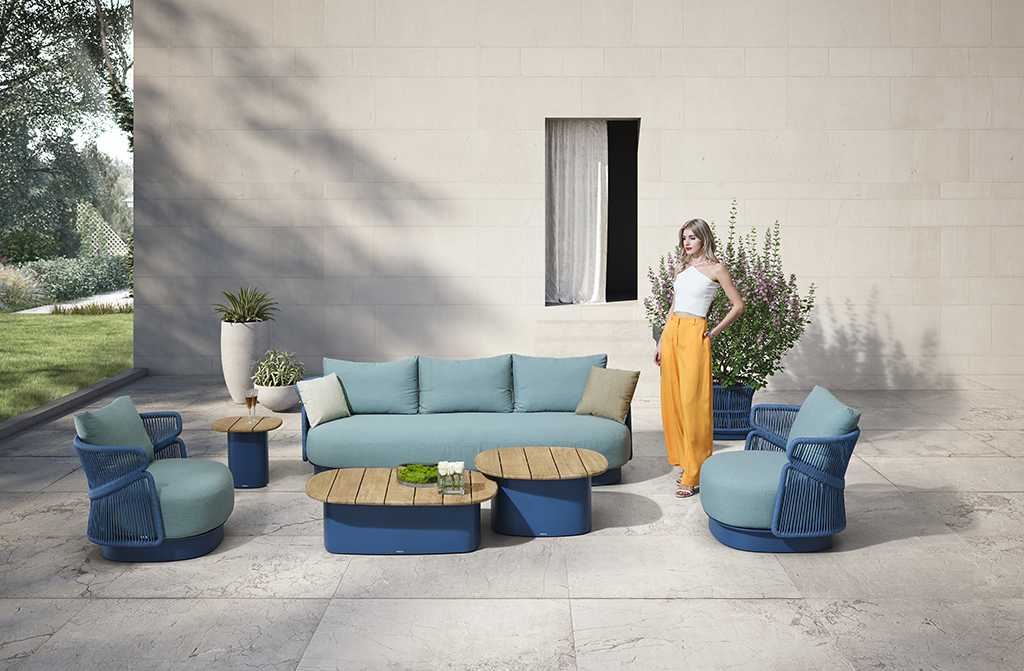
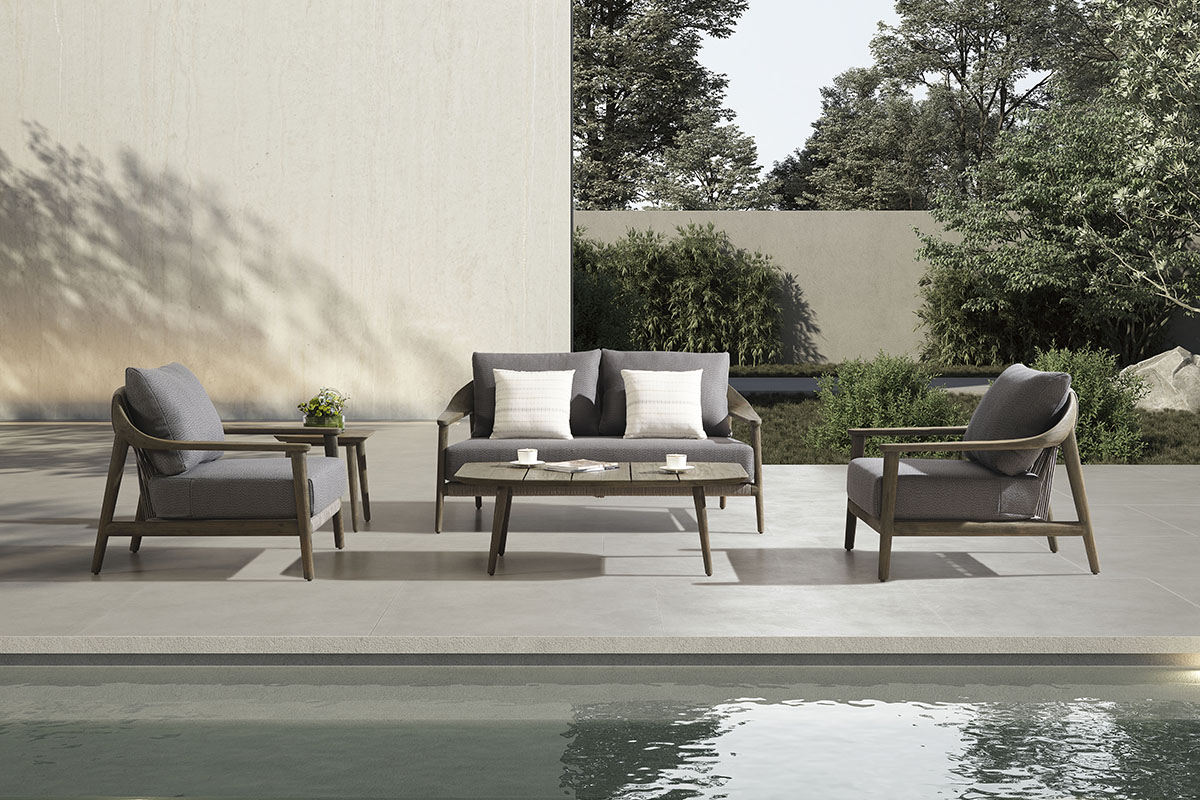
With the arrival of spring, the terrace is once again a central space in domestic life. After the winter months, often characterized by limited use of outdoor spaces, this environment becomes a place to be rediscovered, enhanced and transformed. It is no longer just a space to be used on sporadic occasions, but a real environment to be lived in every day, in continuity with the interiors. The first step is to rethink the function of space. A contemporary terrace is no longer simply a passage area or an accessory place, but a natural extension of the home. It can become an outdoor dining area , a space dedicated to relaxation, a reading corner or even a work area. Clearly defining the main use allows all subsequent design choices to be oriented in a coherent way. The choice of outdoor furniture is essential to build this identity. Tables, chairs, armchairs and sofas must be carefully proportioned to the available space, avoiding the risk of creating an overloaded or unharmonious environment. Choosing clean lines, clean design and lightweight materials helps maintain a sense of visual balance and promote greater fluidity of movement.
The arrangement of the elements also plays a key role. Organizing the terrace into functional micro-zones allows you to make the most of every square meter, creating distinct but connected environments. For example, you can delimit a dining area, separating it from a relaxation area with the use of outdoor rugs or green elements. This strategy is effective even on small terraces, significantly improving the usability of the space.
Galleria immagini
Natural light is another determining element. In spring, the days get longer and the terrace becomes a dynamic space, which changes its appearance and function throughout the day. Integrating shaded areas, such as pergolas or umbrellas, together with spaces more exposed to the sun, allows the environment to be adapted to different times, always ensuring the right level of comfort. The presence of greenery contributes decisively to the quality of the space. Plants, flowers and small potted trees not only decorate, but help define the different areas and create a more welcoming and relaxing atmosphere. The greenery introduces a natural component that promotes well-being and makes the terrace more intimate, creating a pleasant distance from the urban context. It is in this direction that outdoor furniture collections such as those of Higold Milano are placed, offering solutions designed to adapt to different living contexts. Attention to proportions, materials and design makes it possible to create coherent, elegant and functional spaces, capable of maintaining both technical performance and aesthetic value over time. A well-designed terrace thus becomes an integral part of the house. No longer an occasional place, but an everyday space, versatile and welcoming, capable of accompanying different moments of the day with naturalness and continuity, improving the overall quality of living.