Covered outdoor spaces: pergolas, tents and structures to experience comfort
How to design protected, elegant and habitable outdoor environments all year round
Pubblicato il:
Living outdoors continuously requires a design that is attentive to climatic conditions and daily use. In recent years, pergolas, awnings and light structures have taken on a central role in defining truly habitable outdoor spaces: not simple roofs, but architectural devices capable of transforming gardens, terraces and patios into real “open-air rooms”. The theme is not only protection from the sun or rain, but the quality of the experience.
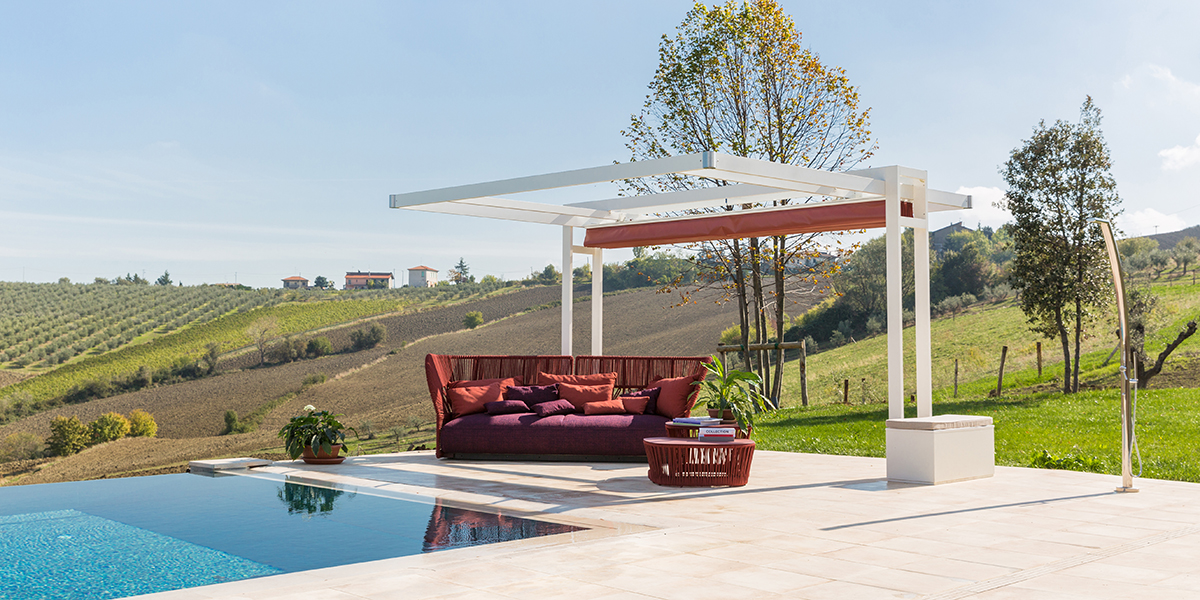
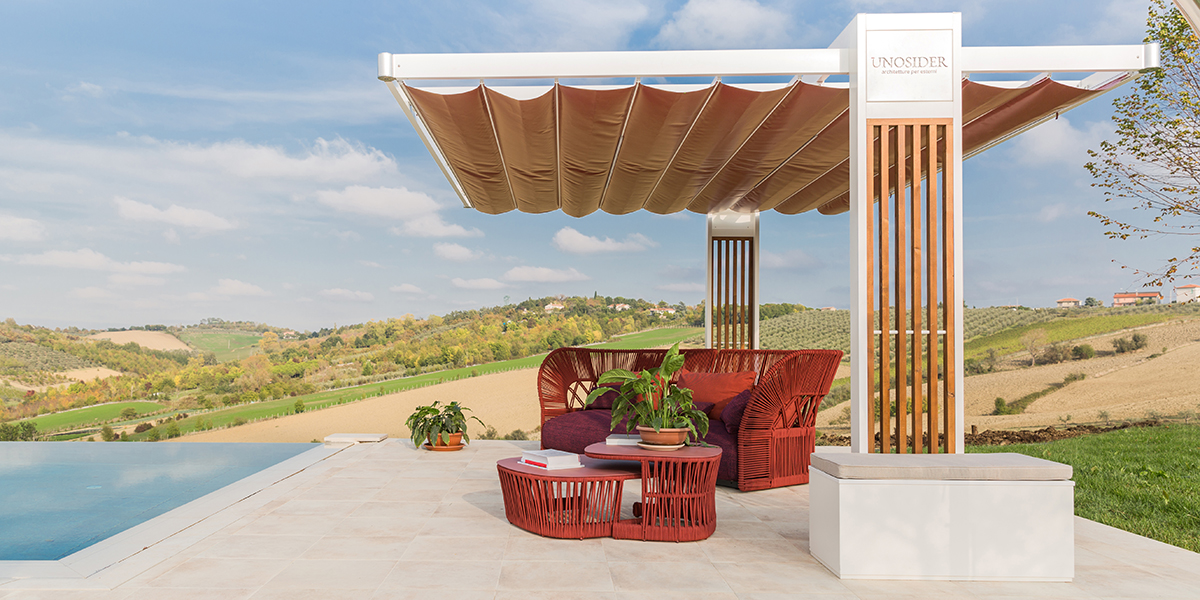
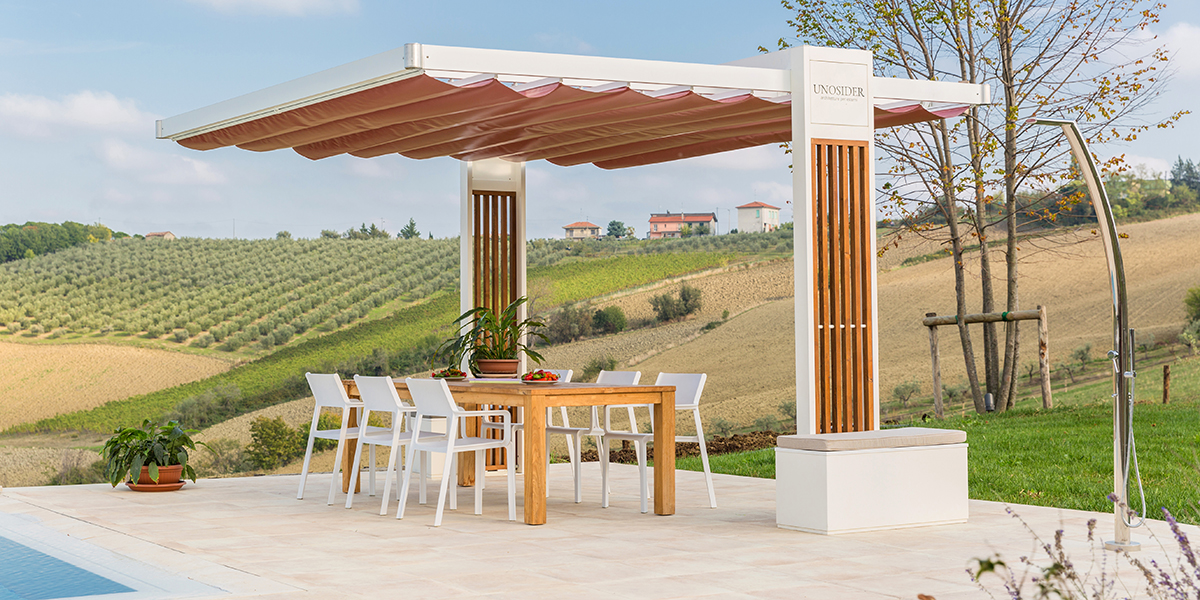
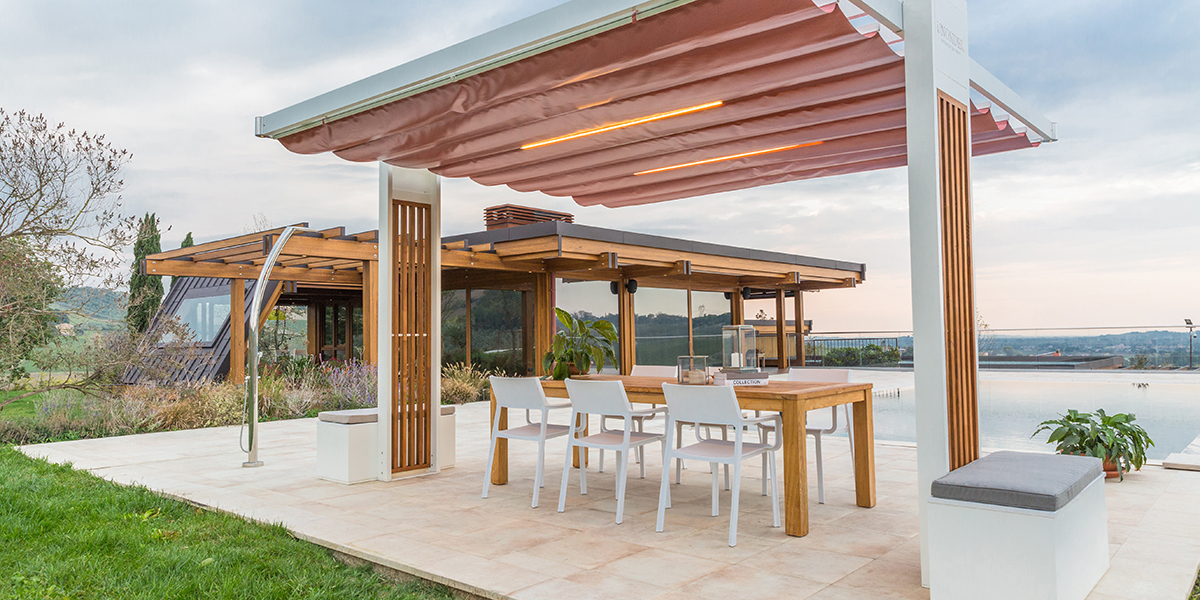
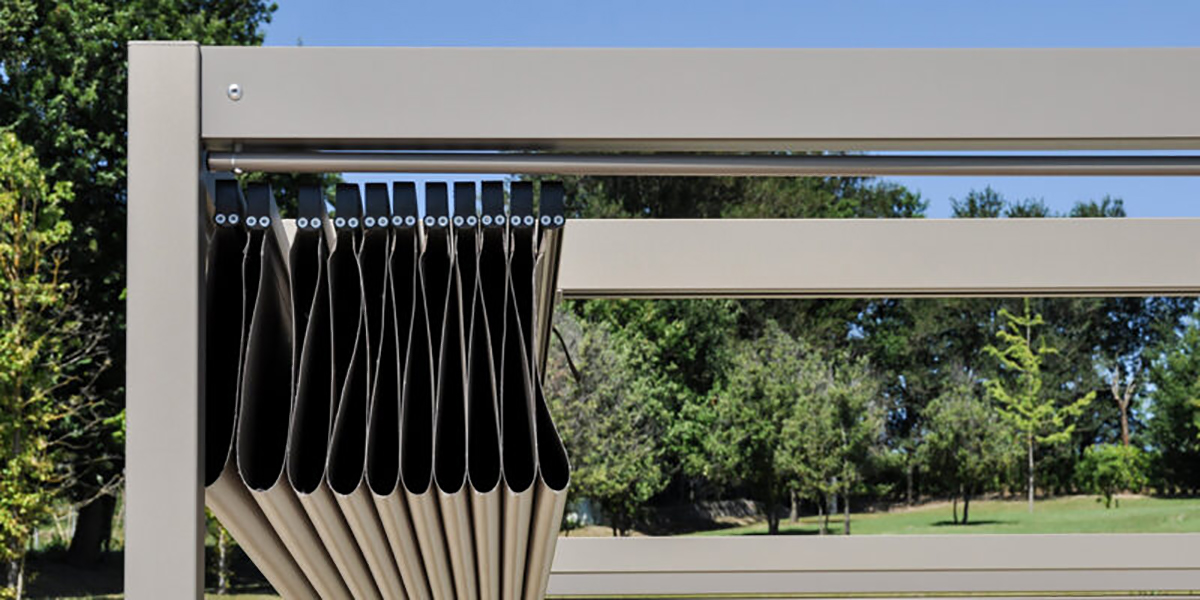
Pergolas: light architecture for comfort Contemporary pergolas stand out for their formal cleanliness and integration with the architecture. Aluminium structures, bioclimatic systems with adjustable slats or textile covers allow light, ventilation and shade to be modulated throughout the day. Their strength lies in their ability to define a space without closing it: a protected threshold that preserves the relationship with the landscape. If designed with attention to proportions and materials, they become permanent elements of the outdoor project.
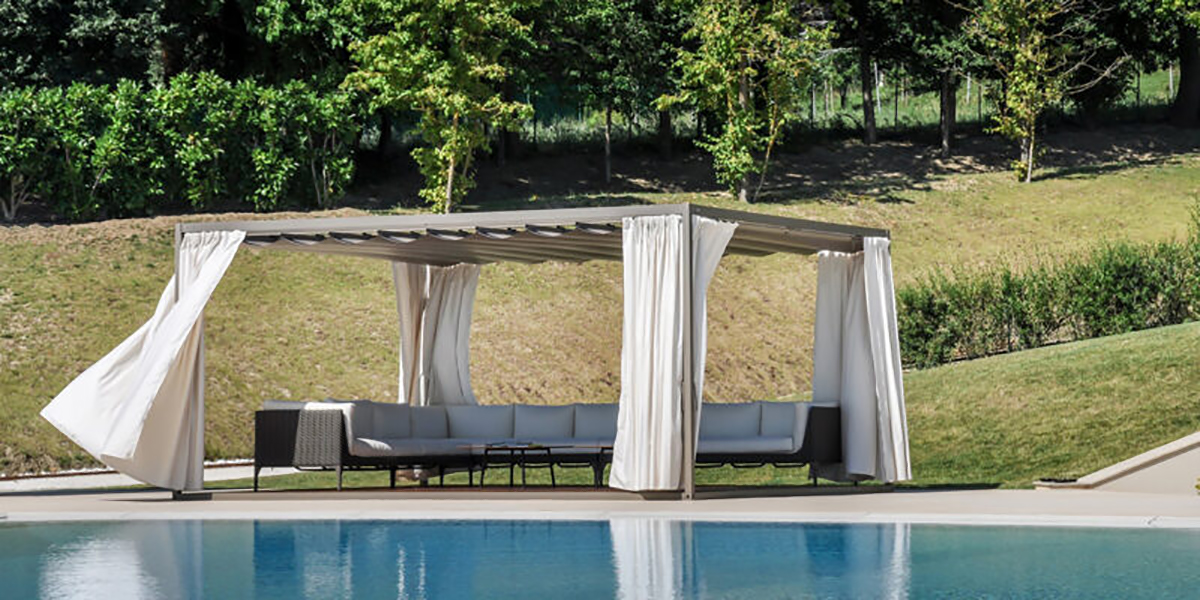
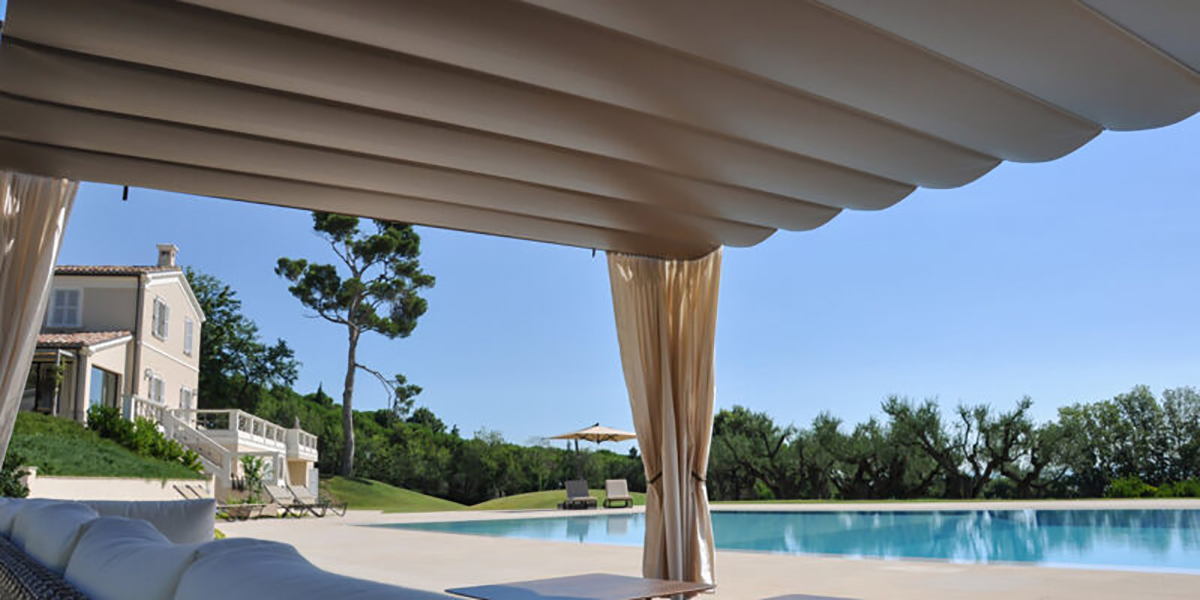
Blinds and screens: flexibility and control Outdoor awnings, vertical or folding, and sliding windbreaks add a fundamental level of microclimate control. In addition to reducing radiation and glare, they improve privacy and allow you to extend the use of spaces in mid-seasons. The new generation of technical fabrics combine resistance, breathability and colour stability, making shielding an element that is as functional as it is aesthetic.
Galleria immagini
Hybrid structures: when the project becomes an environment
Light verandas, sliding glass doors and modular systems transform the outdoors into a “hybrid” environment, in balance between inside and outside. Visual continuity is central: materials, colours and finishes must dialogue with the architecture of the house to avoid the effect of a false addition. The goal is to build a coherent space, in which comfort and openness coexist.
Furniture: the necessary
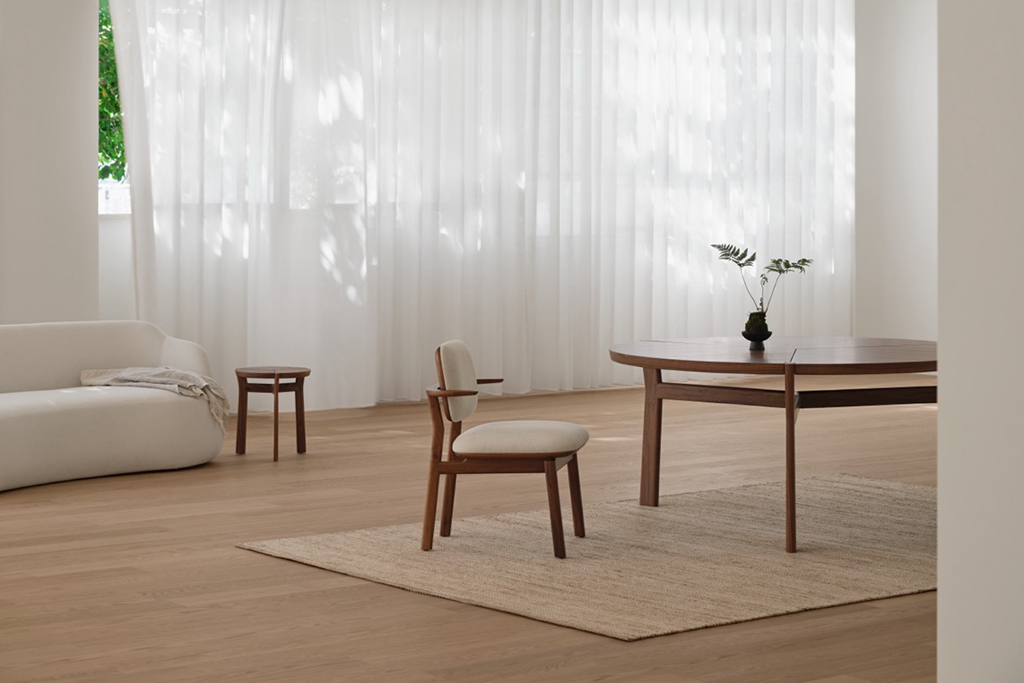
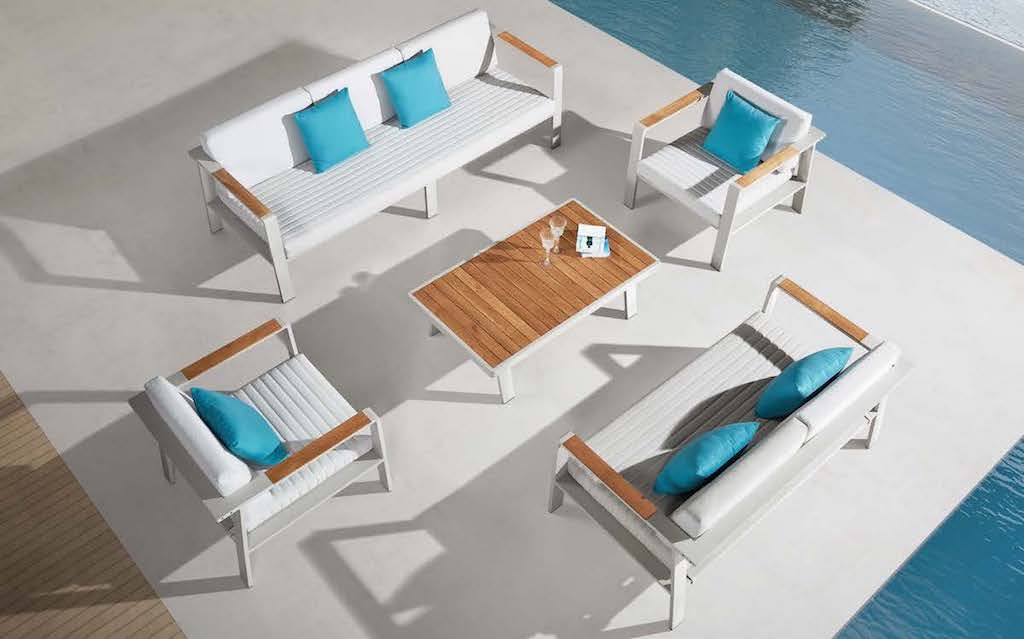
completionAn effective roof loses value if it is not accompanied by furniture designed for real use. Ergonomic seating, convivial tables and modular modules make the covered space a real living area. In this context, Higold Milano’s outdoor furniture collections offer a measured reading of outdoor design: durable materials such as aluminum, teak and technical fabrics, essential lines and attention to comfort. Not as scenographic protagonists, but as components of a coherent project, capable of integrating under pergolas and awnings without forcing.
Light and landscape: atmosphere matters Layered lighting(wall lamps, integrated spotlights, portable lamps) completes the system, making the covered spaces livable after dark. Greenery also participates in the project: evergreen plants, sculptural vases and plant wings soften the structures and strengthen the dialogue with the outside.
Designing covered outdoor spaces means, ultimately, giving shape to measured and lasting comfort. Pergolas, curtains and structures are not accessories, but tools for better living: when architecture, furnishings and microclimate work together, the outdoors ceases to be seasonal and becomes an integral part of everyday life.