Outdoor furniture and urban lifestyle: new needs, new solutions
How terraces, balconies and city courtyards are redefining the way outdoor spaces are experienced
Pubblicato il:
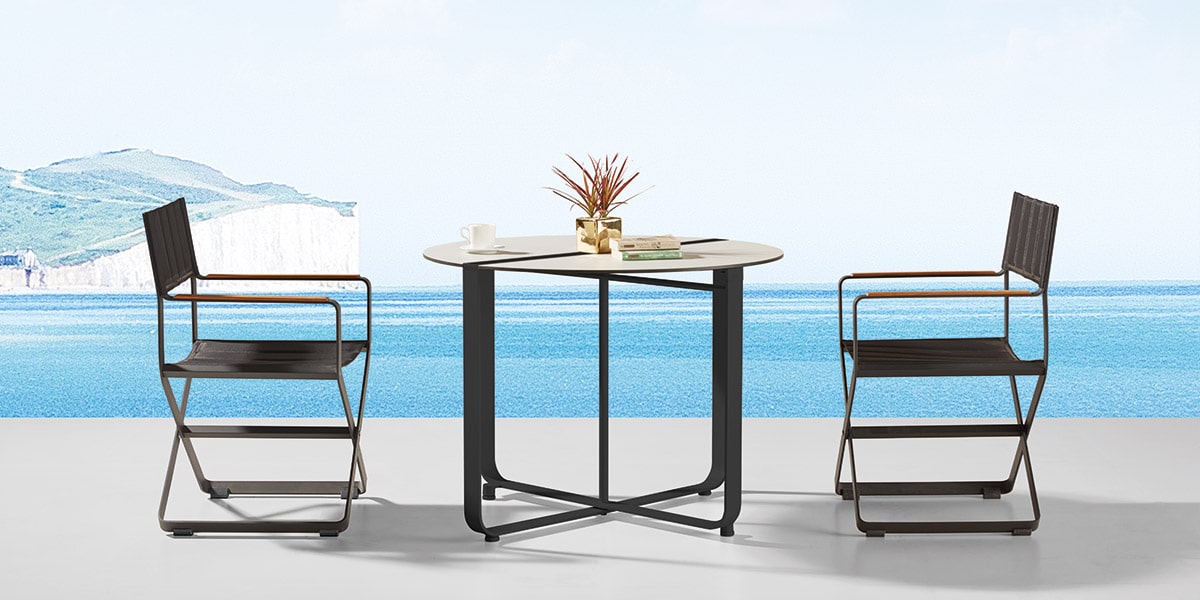
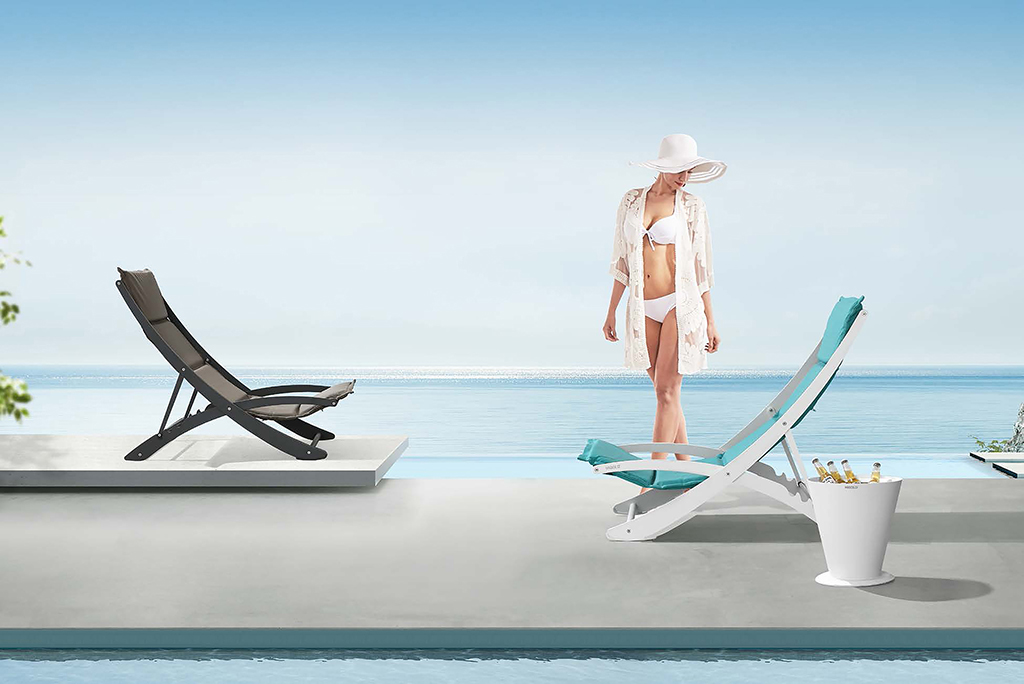
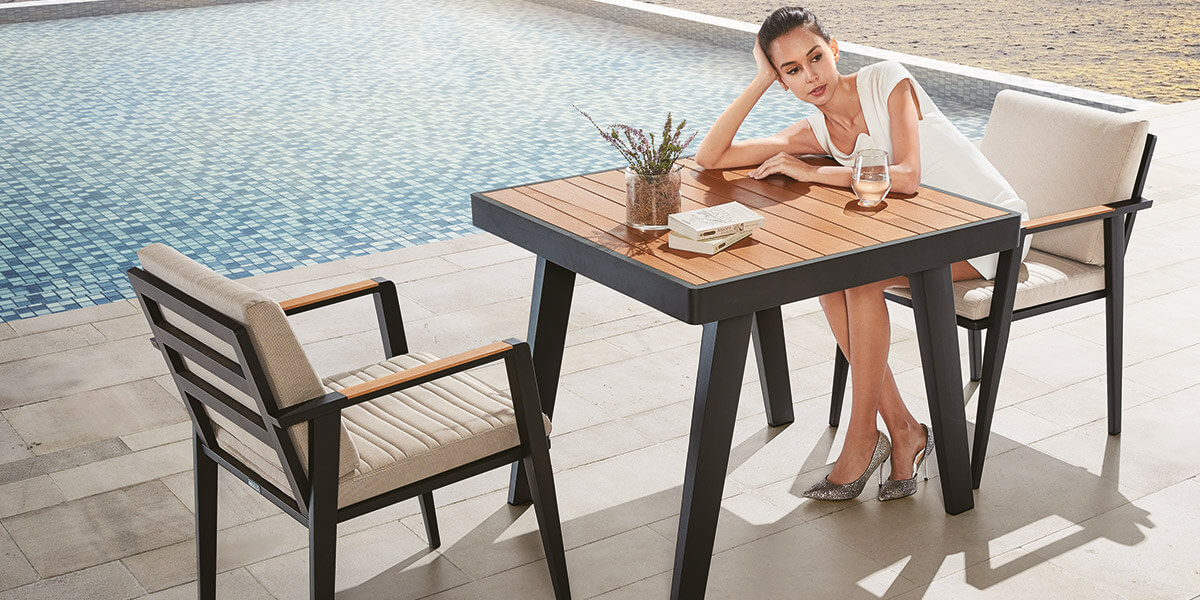
In recent years, the relationship between the city and open spaces has changed profoundly. In increasingly dense urban contexts, terraces, balconies and small courtyards have become fundamental extensions of the home. In this scenario, the role of outdoor furniture has evolved: it is no longer just a matter of placing some garden furniture, but of designing real environments dedicated to relaxation, sociality and daily well-being. Il fenomeno dell’outdoor living urbano nasce proprio da questa trasformazione. Sempre più persone cercano di valorizzare i propri spazi esterni, anche quando si tratta di superfici ridotte. Un piccolo balcone può diventare un luogo per lavorare, leggere o cenare all’aperto, mentre una terrazza urbana può trasformarsi in un’oasi privata nel cuore della città. Designing terrace furniture or balcony furniture today requires greater attention than in the past. The choice of elements does not only concern aesthetics, but also functionality and the ability to adapt to often complex urban contexts. In a small balcony furniture, for example, modular and compact solutions allow you to take advantage of every square meter without weighing down the environment. Contemporary outdoor design responds to these new needs with increasingly flexible projects. Folding tables, lightweight seating and modular systems make it possible to configure different scenarios: from breakfast outdoors to an evening with friends. At the same time, design outdoor furniture is designed to withstand atmospheric agents and to maintain aesthetic and functional quality over time.
Galleria immagini
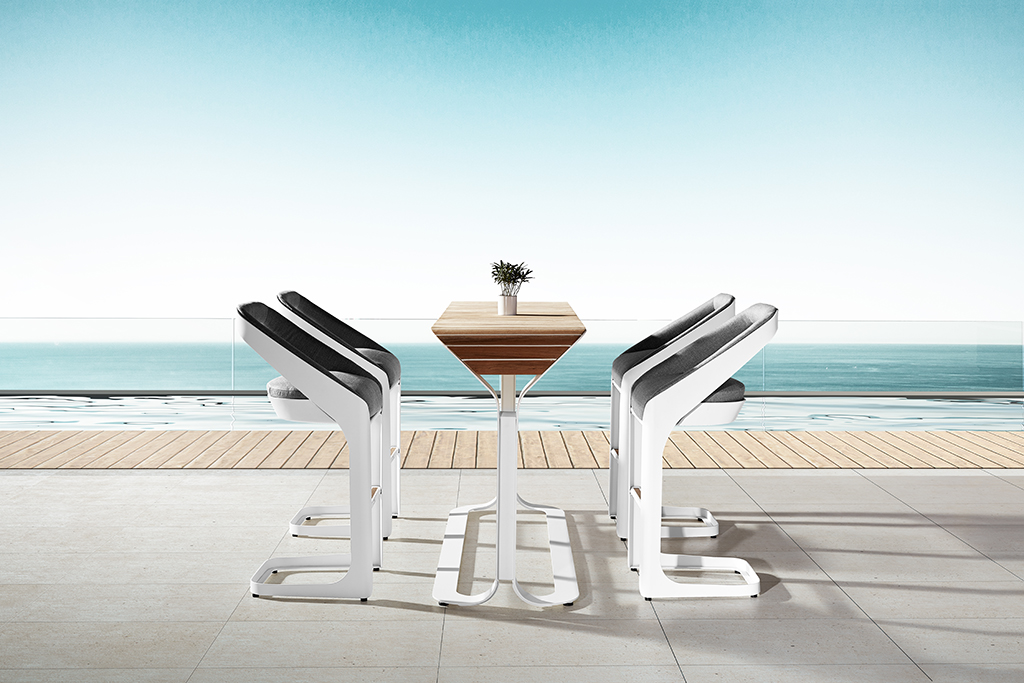
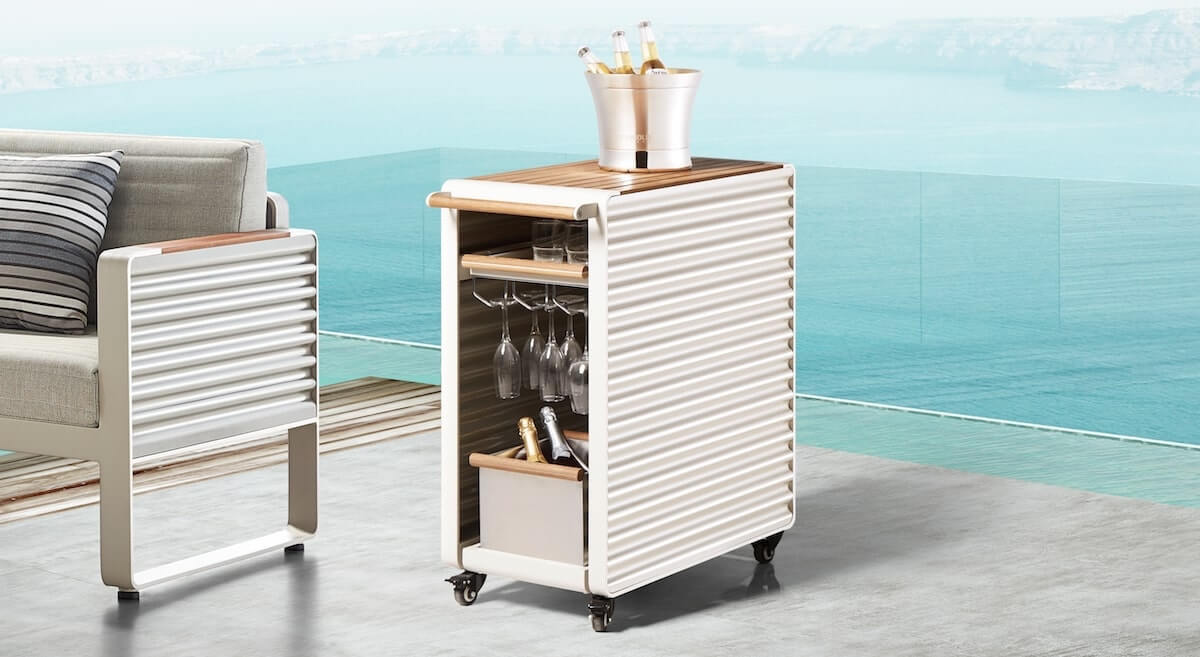
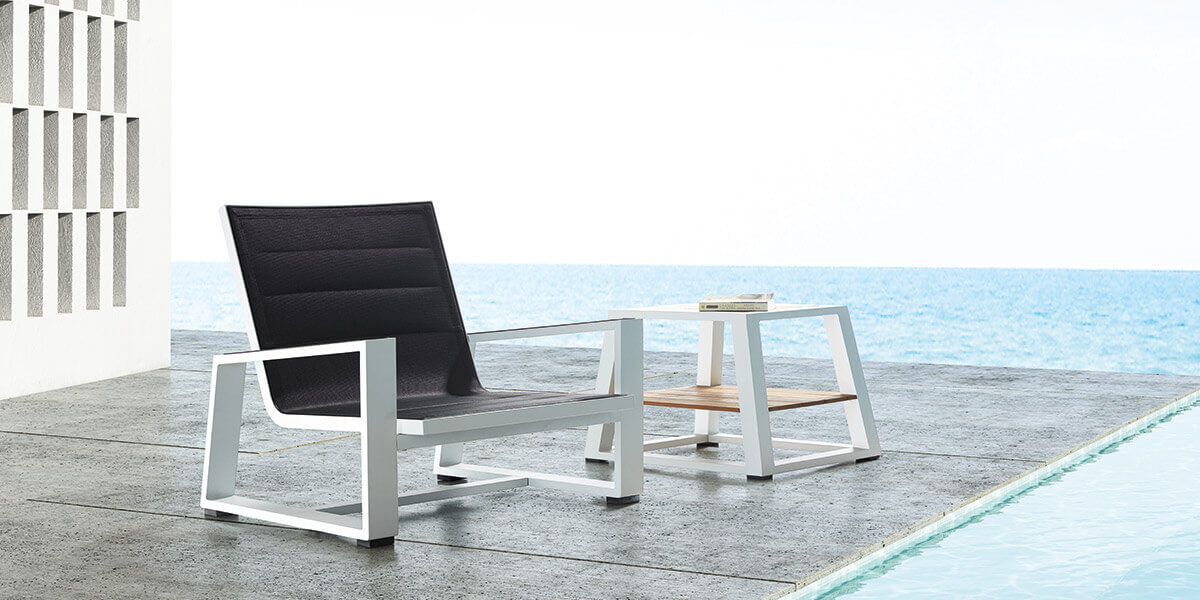
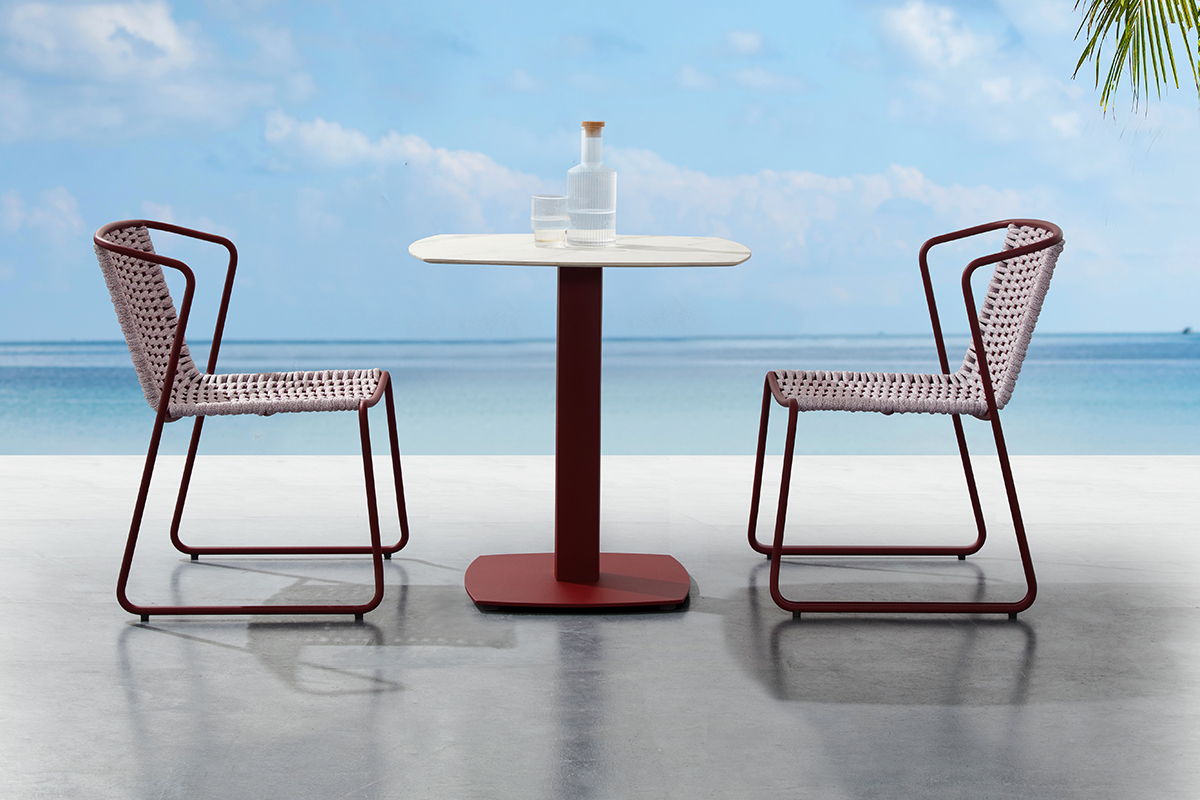
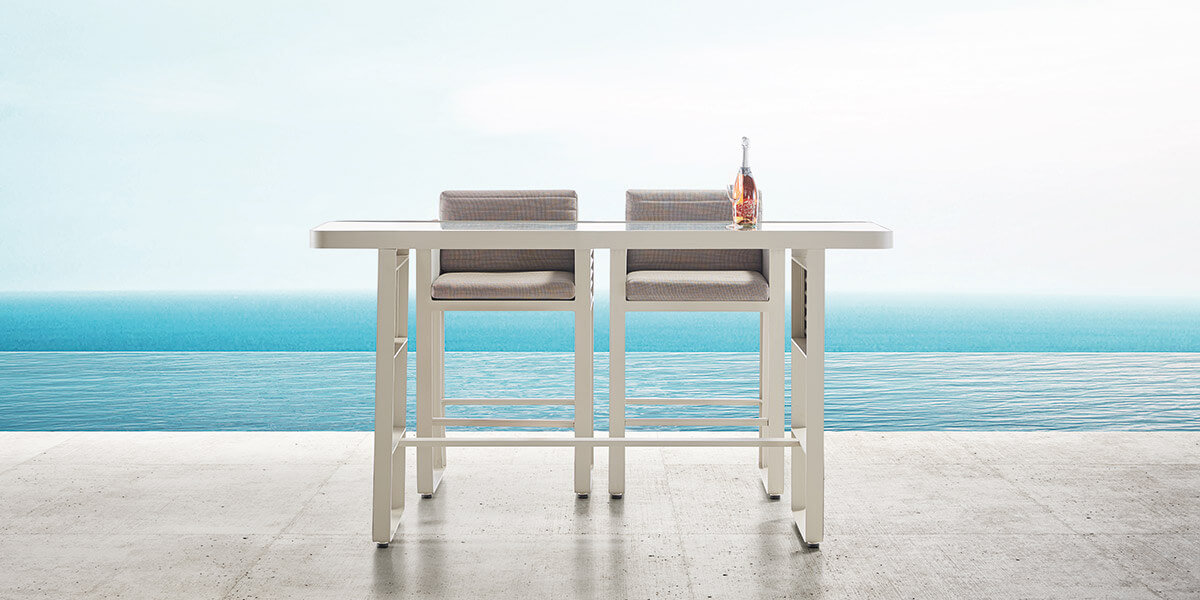
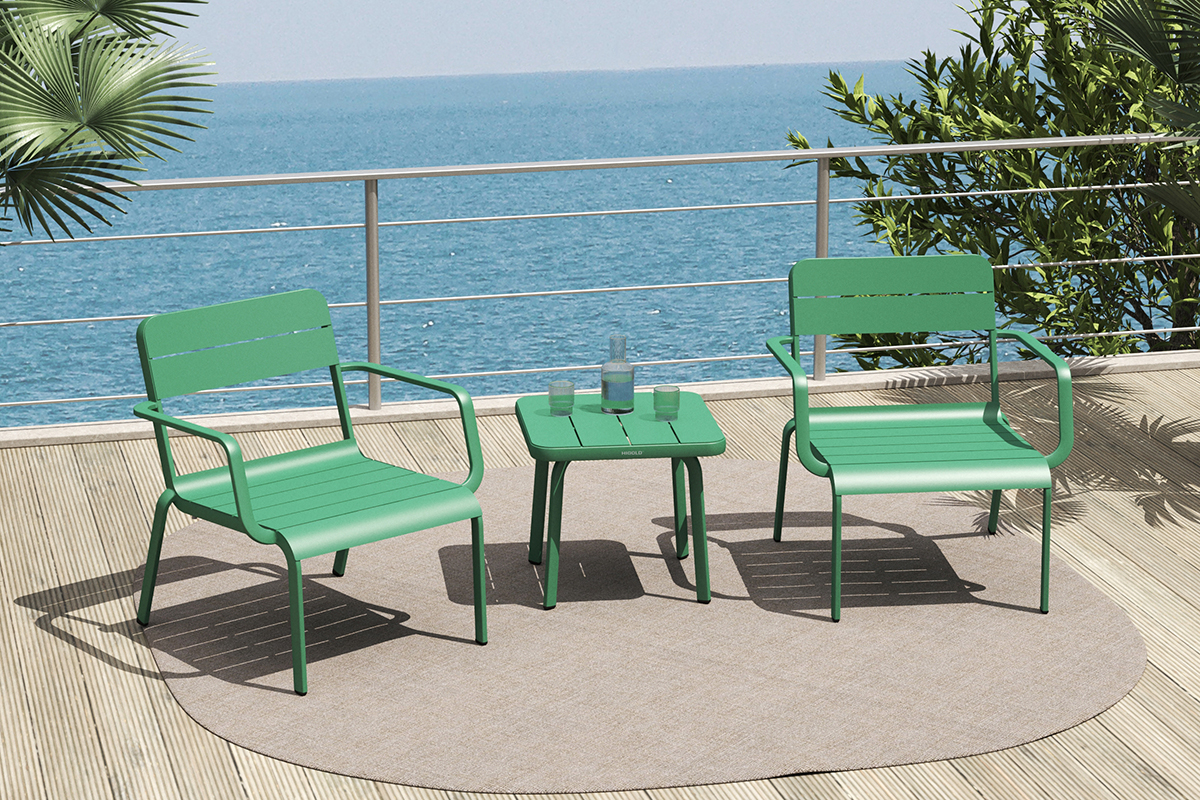
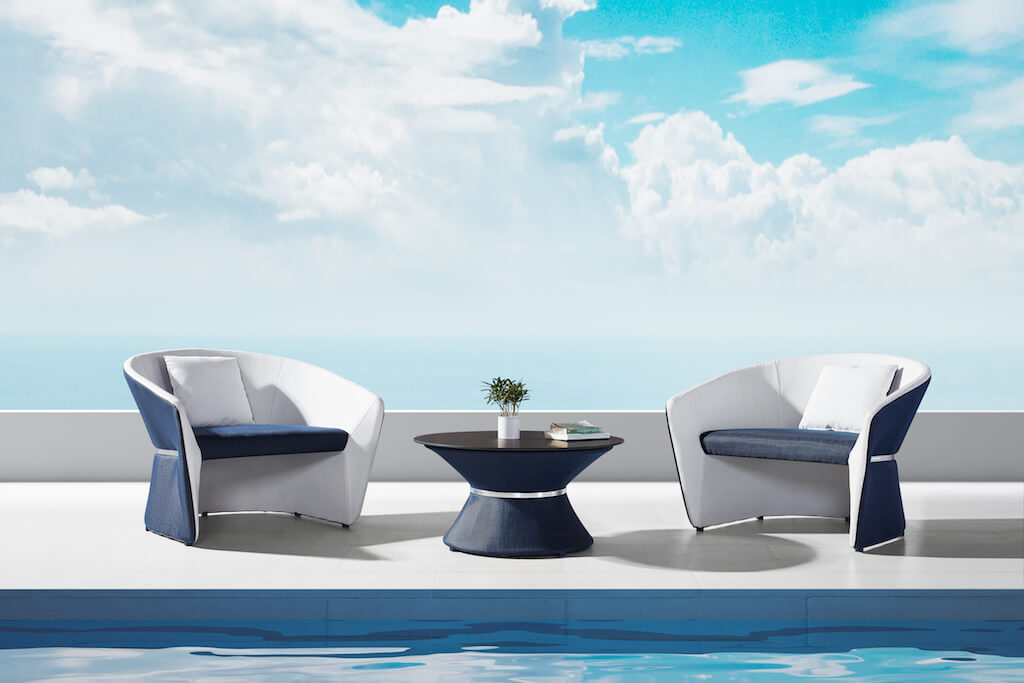
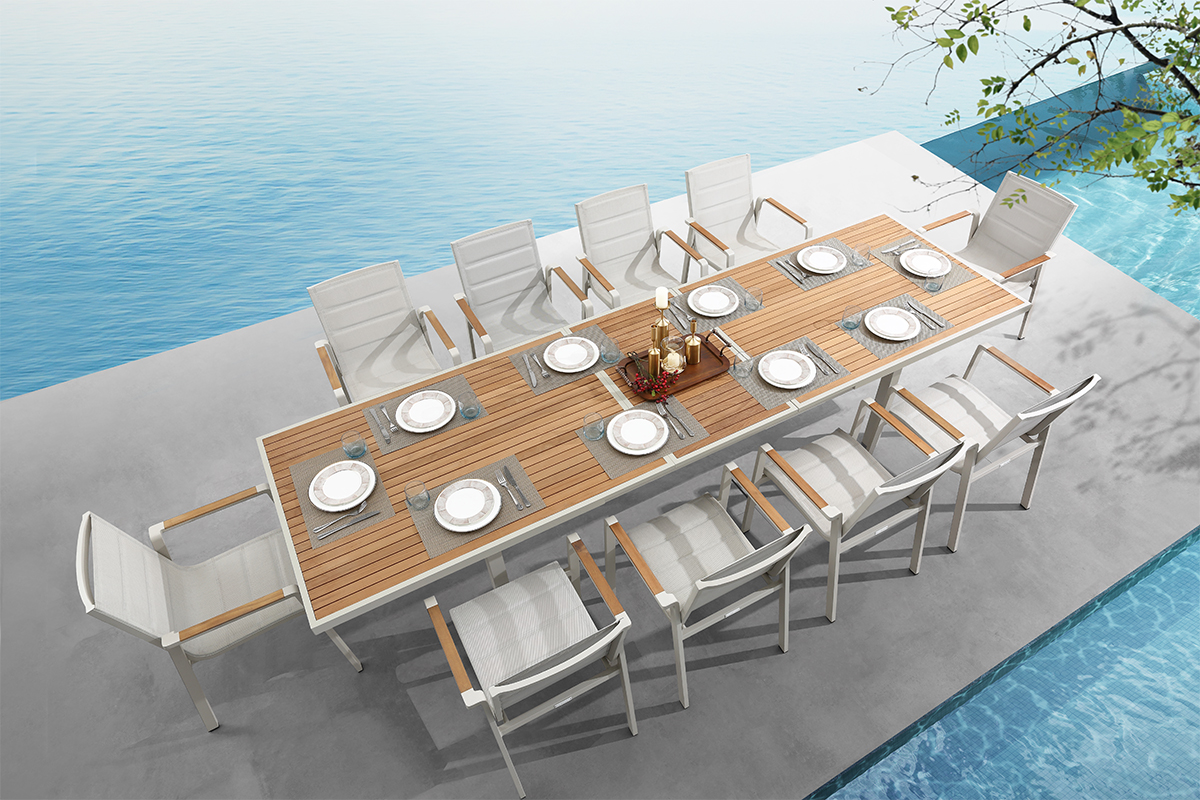
Modern garden furniture in urban homes also follows this philosophy. In small urban gardens or interior courtyards, designer outdoor furniture elements help to create a balance between nature and architecture. In these contexts, the design of the exteriors dialogues with materials, plants and surfaces, creating spaces that promote daily well-being. Within the panorama of outdoor furniture, some companies offer collections that interpret this new way of experiencing the outdoors. Higold Milano’s outdoor furniture, for example, is part of a contemporary vision of contemporary terrazzo furniture, where design seeks to integrate with the urban environment rather than dominate it. Garden chairs, tables and sofas are designed to adapt to different contexts, from the modern terraces of city buildings to small private spaces hidden between buildings. In these cases, the quality of quality outdoor furniture and attention to detail become important elements for building welcoming and long-lasting environments. Naturalmente, la progettazione degli spazi aperti in città non riguarda soltanto l’arredo. L’architettura del paesaggio e il verde urbano giocano un ruolo fondamentale nel migliorare la qualità della vita. Piante, materiali naturali e arredamento giardino contribuiscono a creare microambienti capaci di attenuare il ritmo frenetico della città. In this sense, the future of urban outdoor furniture seems to be oriented towards increasingly integrated solutions: design elements capable of dialoguing with architecture, with the landscape and above all with the new habits of those who live in the city. Because even in a metropolitan context, a well-designed outdoor space can become a precious place for pause and sharing.