Contemporary garden: guidelines for an elegant and functional outdoor space
Proportions, materials and organization: the key elements for designing a modern outdoor space
Pubblicato il:
The contemporary garden is born from a precise balance between aesthetics and function. It is not simply a matter of inserting furnishing elements into a green space, but of building a coherent environment, capable of dialoguing with the architecture of the house and with the surrounding landscape. In this sense, the outdoor design project becomes a true extension of the living language, where every choice contributes to defining identity and atmosphere.
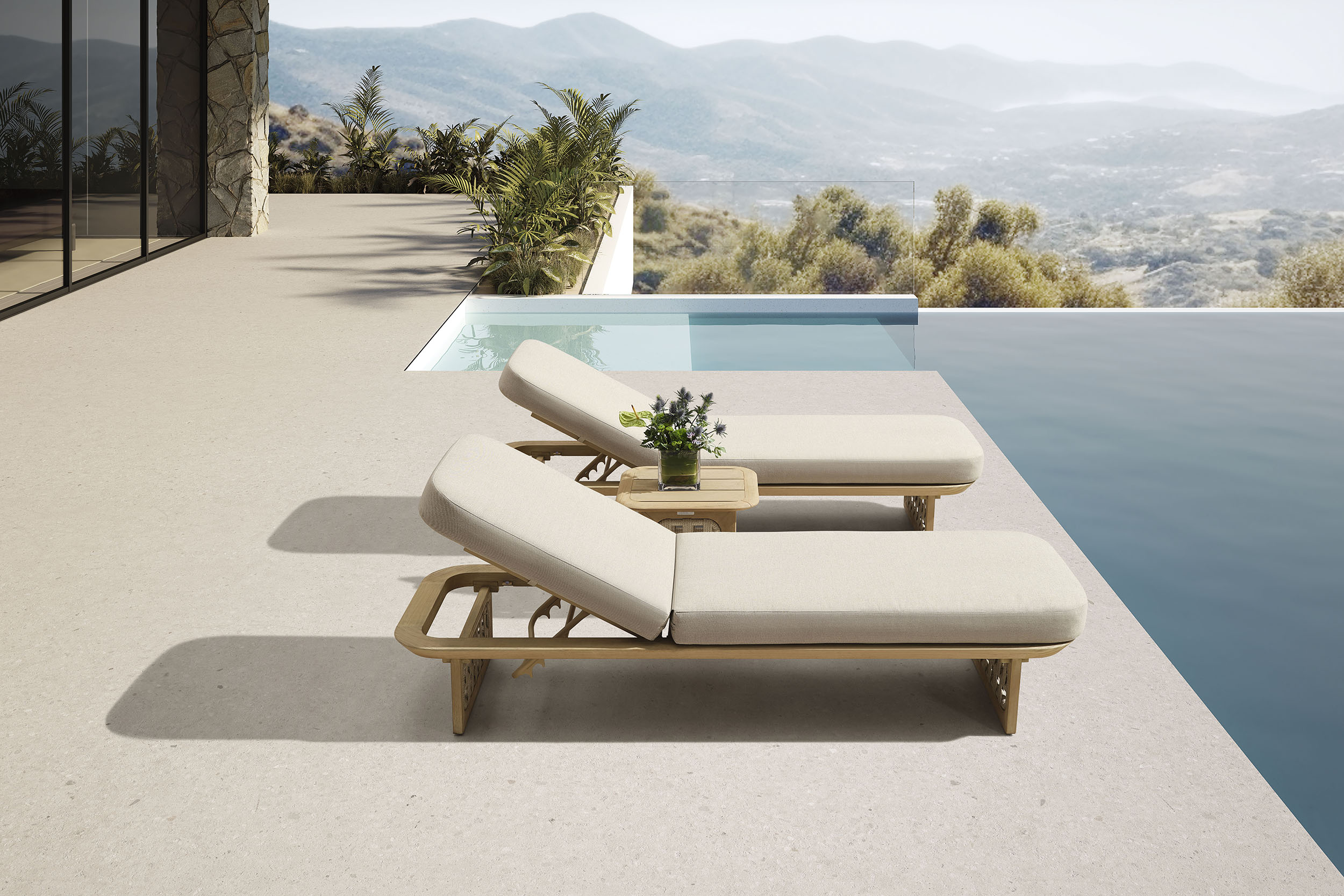
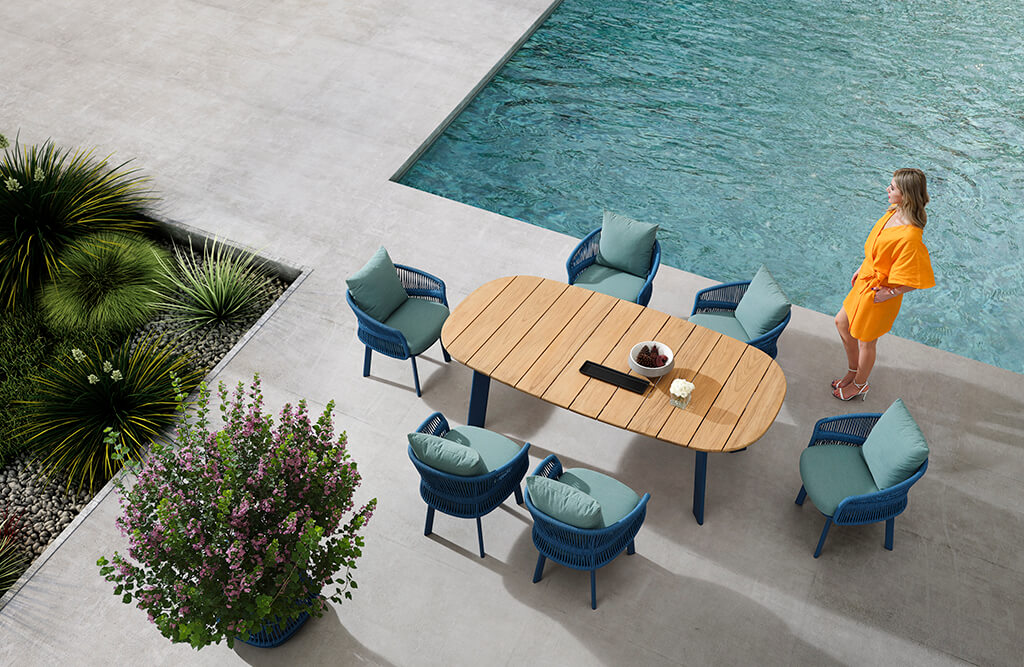
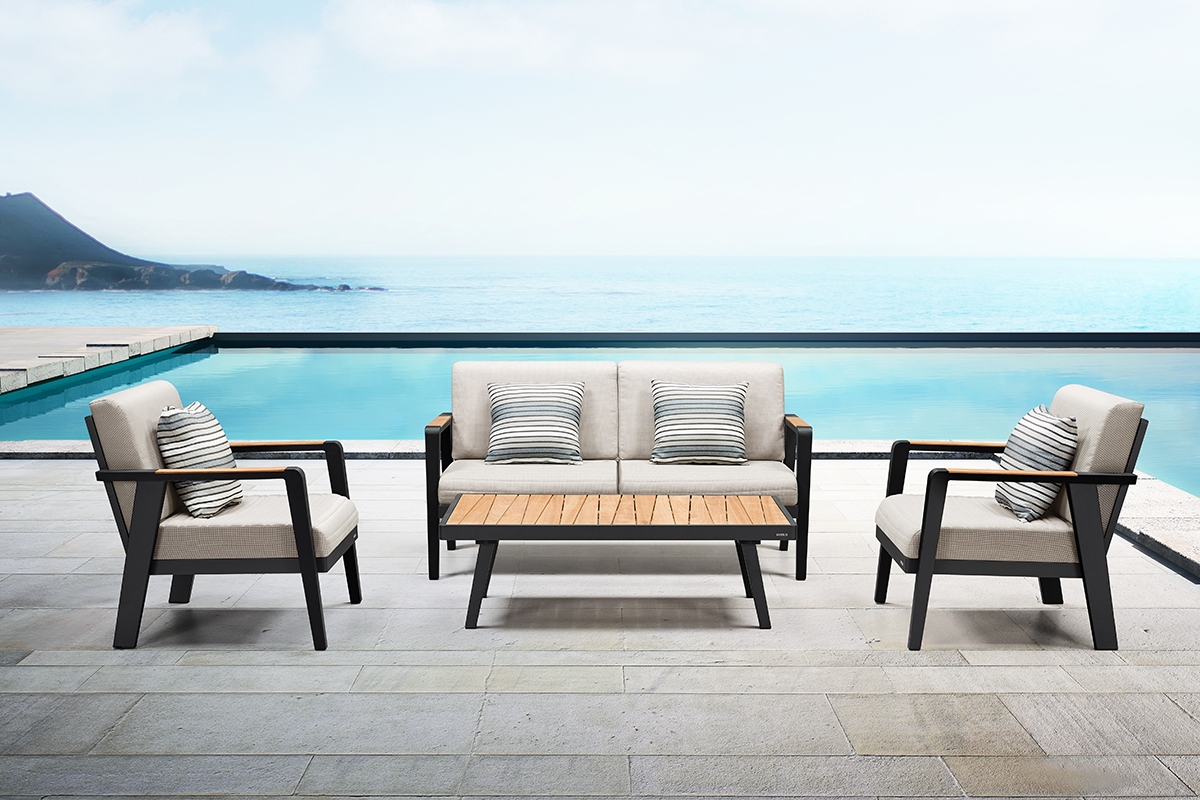
One of the key aspects is the management of proportions. In a modern garden, each element must be calibrated with respect to the available space. Overly voluminous seats or oversized tables risk altering the visual balance, while furnishings with essential lines help to maintain lightness and harmony. The correct sizing of outdoor furniture allows you to enhance the space without weighing it down, making it more fluid and pleasant to live in.
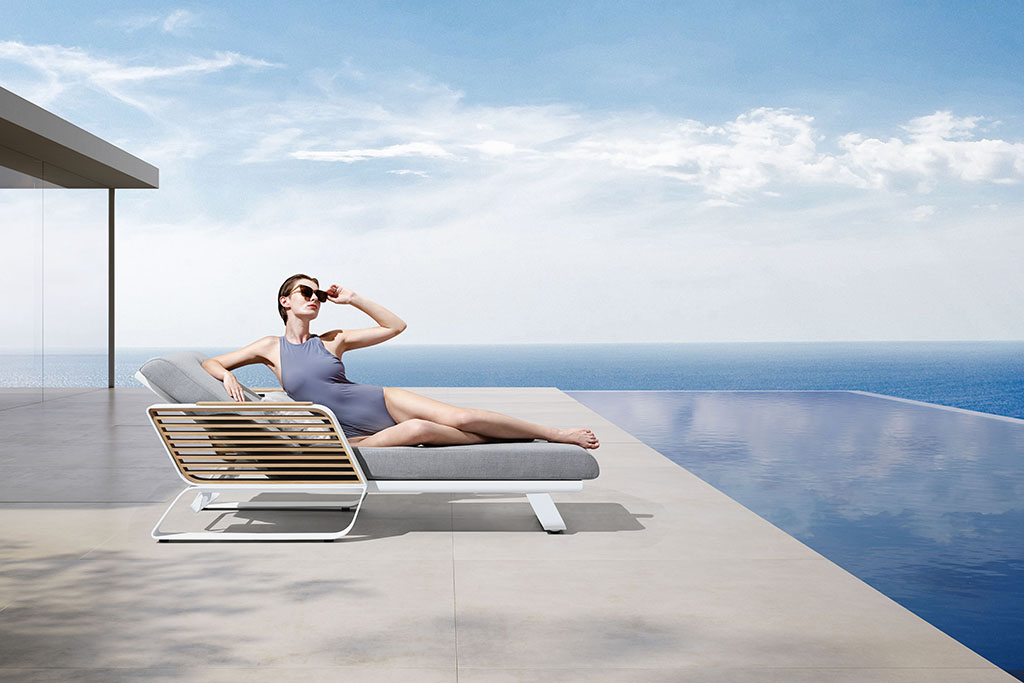
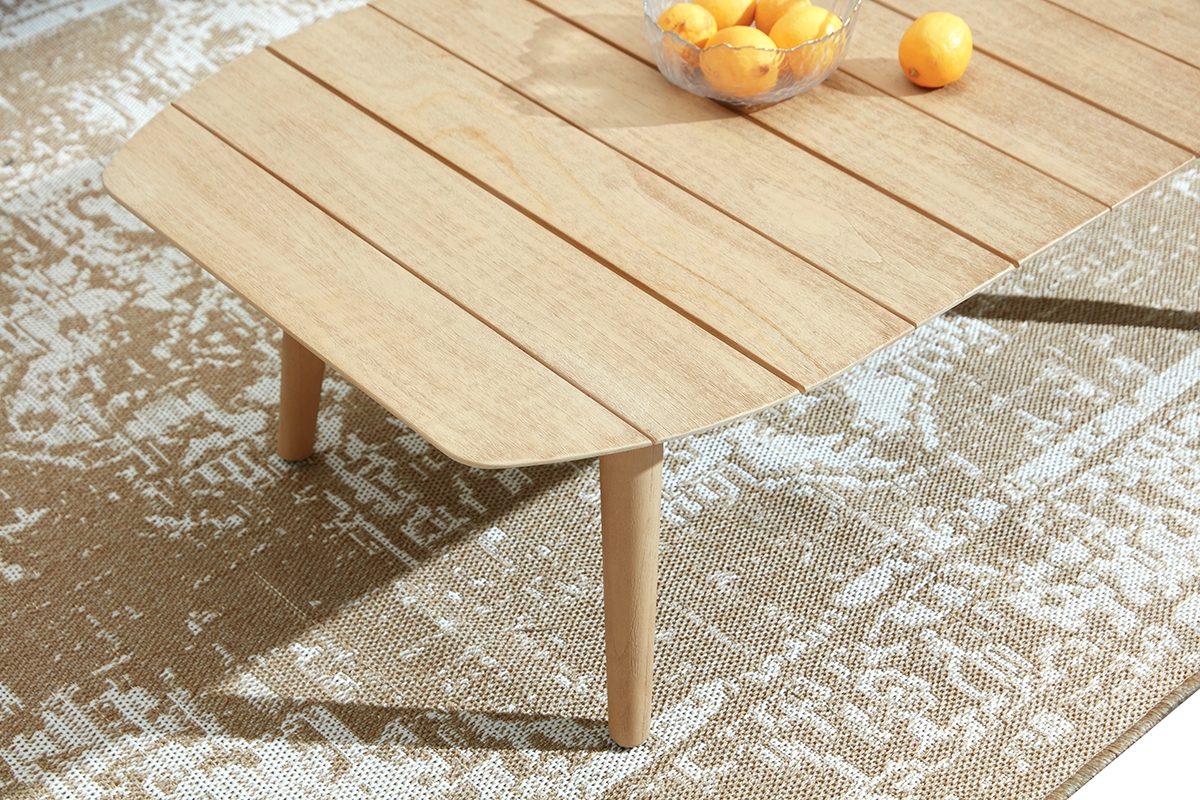
The choice of materials plays a central role. Treated metals, technical surfaces and natural woods make it possible to combine resistance and aesthetic quality. The goal is to create continuity between the elements, avoiding excessive contrasts and favoring a uniform reading of the space. Using high-performance outdoor materials means guaranteeing durability over time, while maintaining a consistent and refined aesthetic.
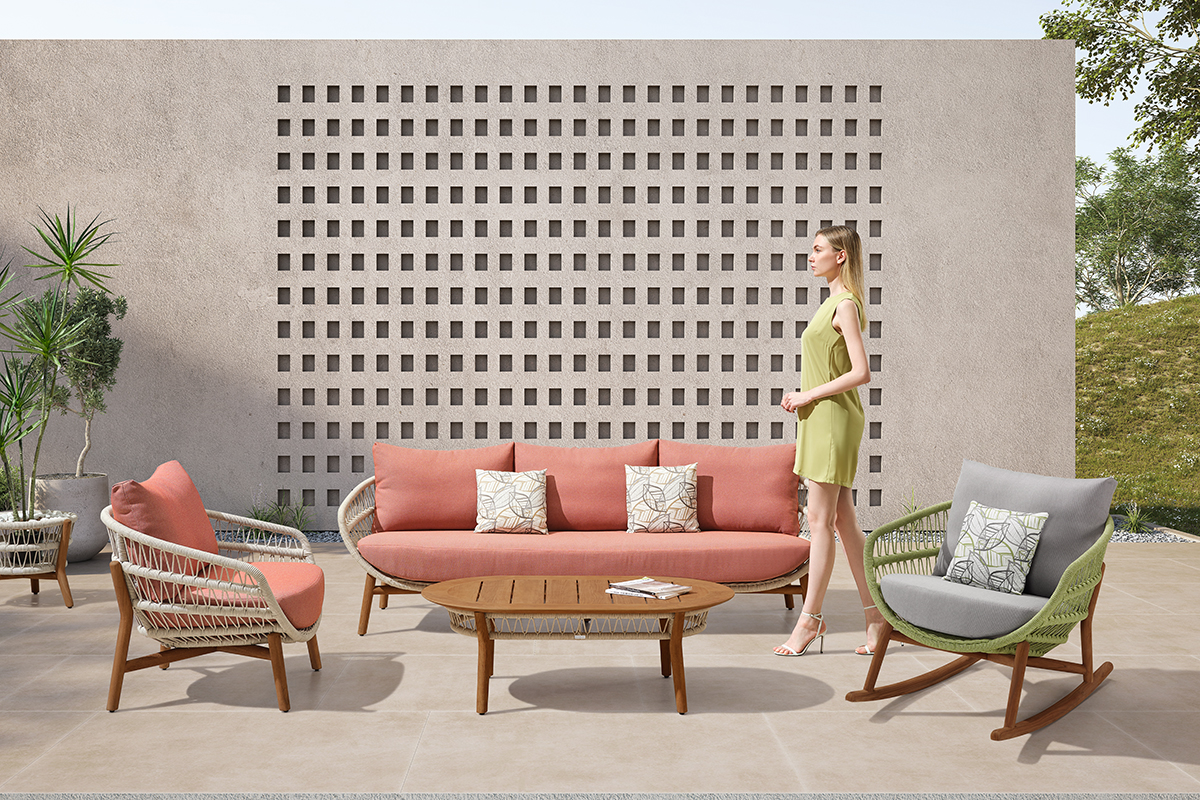
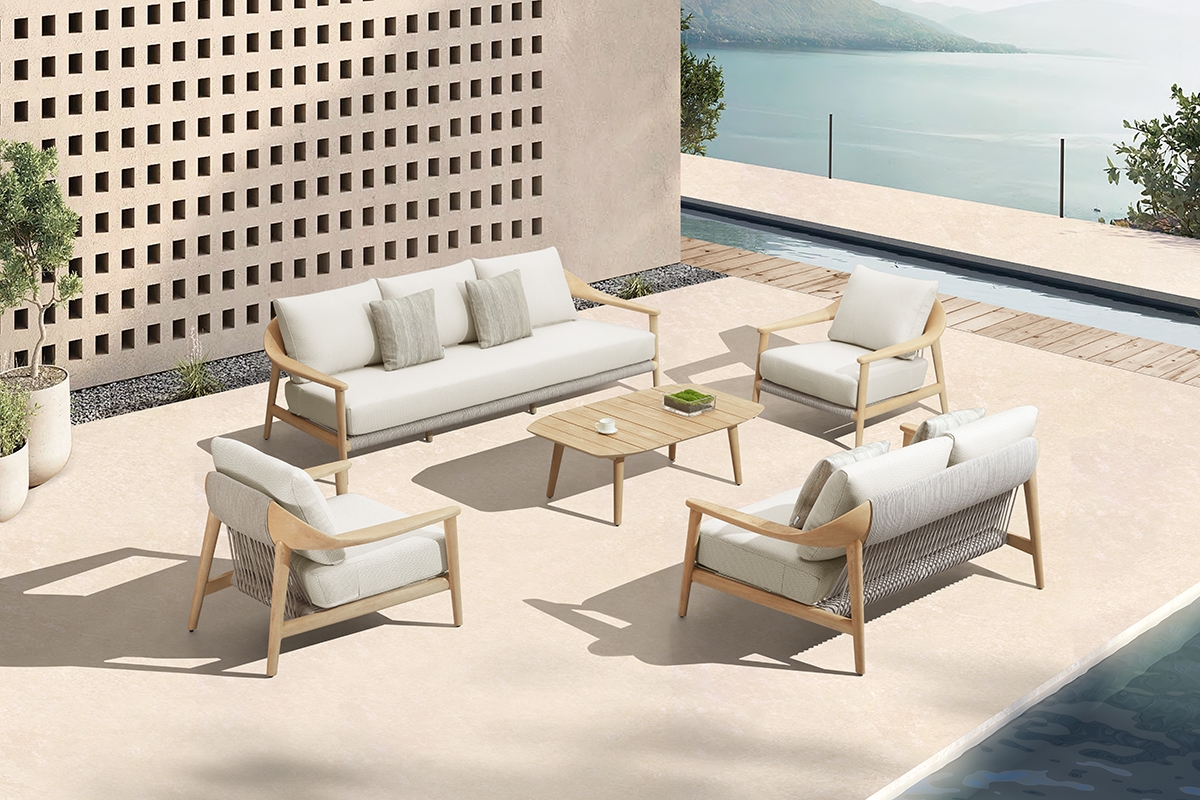
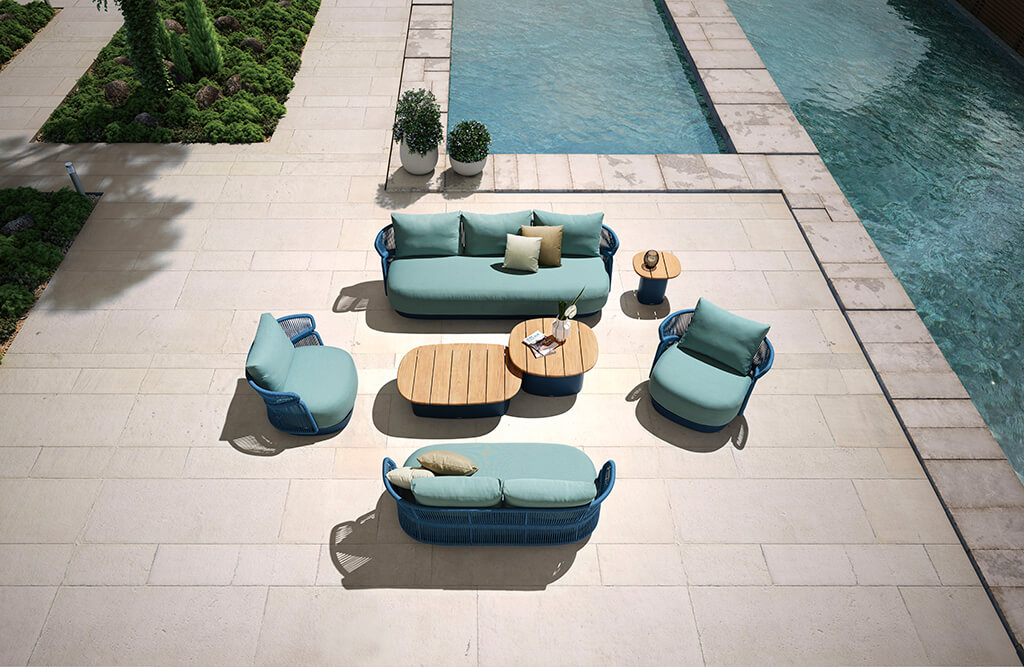
The arrangement of the furnishings is also decisive. Dividing the garden into functional areas allows each area to be enhanced: a part dedicated to conviviality, a more intimate part for relaxation, an area possibly designed for outdoor work. This organization makes the space more dynamic and improves the quality of outdoor living, allowing the environment to be adapted to different daily needs.
Galleria immagini
In contemporary outdoor design , the relationship with greenery is equally important. Plants are not just decorative elements, but active components of the project. Their arrangement helps to define visual paths, create depth and modulate the perception of space. A good modern garden furniture project integrates vegetation and furnishings in a harmonious way, avoiding clear separations between nature and design.
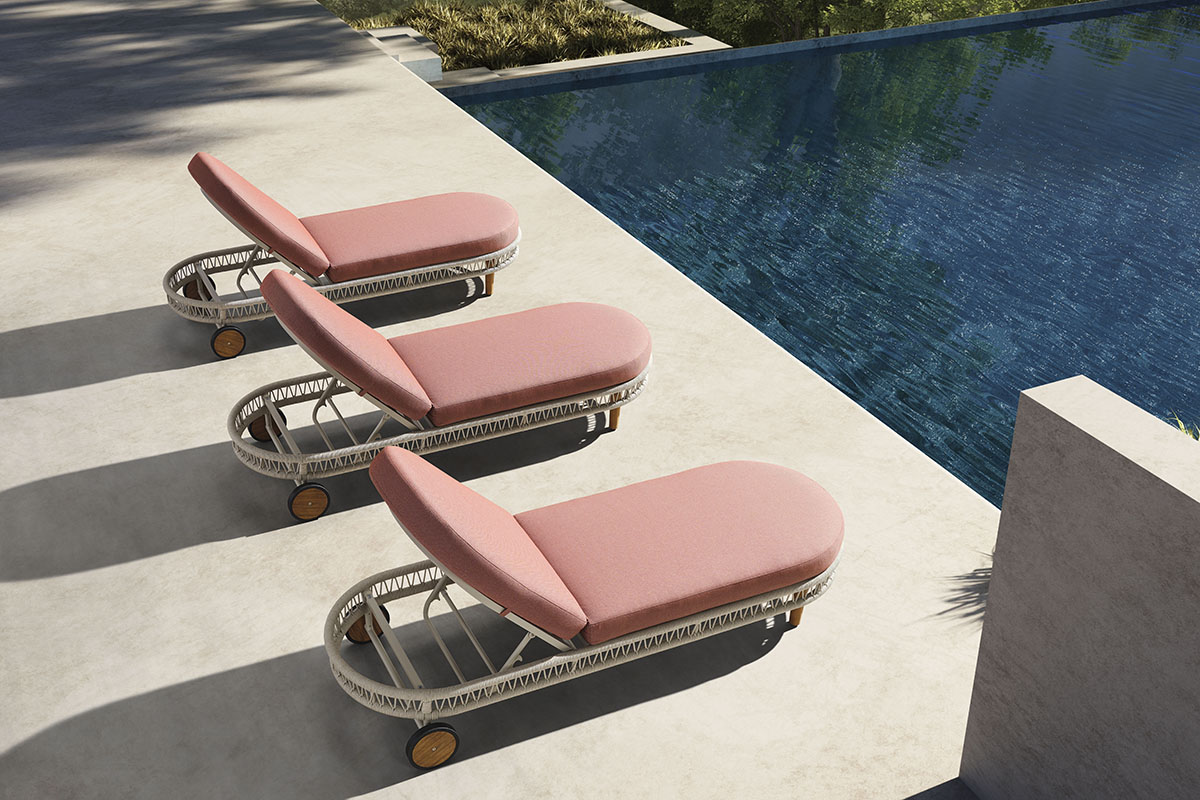
Within this design perspective, the outdoor furniture collections proposed by companies such as Higold Milano fit in through solutions characterized by clean lines and durable materials. The attention to detail and proportions allows the furnishings to be integrated into the context without overloading the space, helping to build balanced and versatile environments.
Another element that is often underestimated is the visual continuity between interior and exterior. When materials, colours and shapes dialogue between these two environments, the garden becomes a natural extension of the home. This approach reinforces the perception of spaciousness and makes the space more coherent as a whole.
Finally, natural light completes the project. The way it illuminates surfaces and materials throughout the day profoundly affects the perception of the environment, making it more dynamic and welcoming. Shadows, reflections and chromatic variations contribute to bringing the space to life, transforming it over the course of the hours.
A well-designed contemporary garden is never static: it evolves over time and accompanies those who live in it, offering an elegant, functional space in balance with nature, where outdoor furniture, light and landscape build a complete living experience.