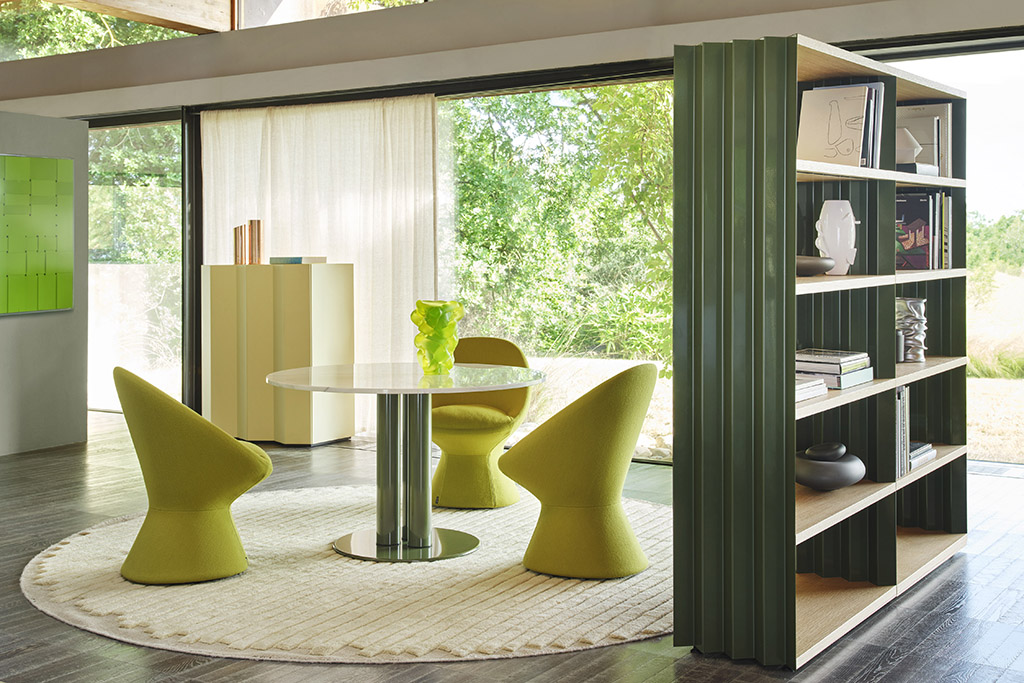
Outdoor and light: how the space changes between day and evening
Understanding the impact of natural and artificial light to design functional and evocative outdoor spaces at any time of the day
Pubblicato il:
La luce trasforma lo spazio esterno: di giorno definisce volumi, colori e percezione della profondità; di sera modula atmosfera, funzionalità e sicurezza. Progettare tenendo conto di questa variabilità significa scegliere materiali, finiture e punti luce che funzionino in entrambe le condizioni, consentendo una fruizione fluida dallo stato diurno a quello notturno. Al mattino e nelle ore centrali la luce naturale valorizza le texture dei materiali e l’intensità delle piante; posizionare arredi e percorsi in relazione al sole evita abbagliamenti e sfrutta l’irraggiamento per riscaldare superfici in modo naturale. Durante il giorno è utile prevedere superfici che non accumulino calore e zone d’ombra strategiche per i momenti più caldi, così da mantenere equilibrio tra luce e comfort termico.
La sera, invece, la luce artificiale diventa protagonista nel disegnare gerarchie visive e scenari. Un progetto di illuminazione ben calibrato combina tre livelli: illuminazione funzionale per sicurezza e attività (percorsi, punti di lavoro), illuminazione d’accento per valorizzare elementi focali (sculture vegetazione, superfici materiche) e illuminazione d’atmosfera per creare temperatura emotiva (aree conviviali, angoli relax). Prediligere temperature colore calde per le zone conviviali e usare intensità regolabili permette di adattare l’ambiente alle diverse occasioni. L’uso di sorgenti a basso consumo e apparecchi con adeguato grado di protezione garantisce efficienza e durabilità in esterno.
Galleria immagini
Materials and finishes play a key role in the response to light: reflective surfaces soften evening spaces if well controlled, while matte materials reduce annoying reflections. Textiles and plants change color as the lighting changes; Providing consistent palettes helps to maintain harmony between natural and artificial light. The choice of plants with varied foliage – glossy or opaque, light or dark – allows you to modulate contrasts and chromatic depths throughout the day.
The placement of lighting fixtures must take into account the visual paths and shadow areas created by furniture and vegetation. Low-profile spotlights along the pathways, recessed lights for the steps and pole lamps for the larger areas guarantee safety and aesthetic integration. For convivial areas, hanging lamps or lanterns positioned at different heights create pleasant light stratifications; Including dimmer systems and preset scenarios makes day-to-day management easier.
Lighting can also support practical functions: lights integrated intofurniture for reading or cooking, protected sockets for outdoor devices and adjustable light points for specific tasks expand the versatility of the space. Rechargeable battery or solar panel powered solutions offer practical alternatives where the electrical system is limited, while also reducing the impact of complex
excavation and installation.An often overlooked aspect is the effect on the perception of safety: well-lit areas deter intruders and facilitate safe movement, but it is important to avoid excesses that compromise visual comfort or generate light pollution. Carefully designing the orientation of the sources and using shielding to avoid unnecessary dispersion improves both efficiency and respect for the surrounding environment.
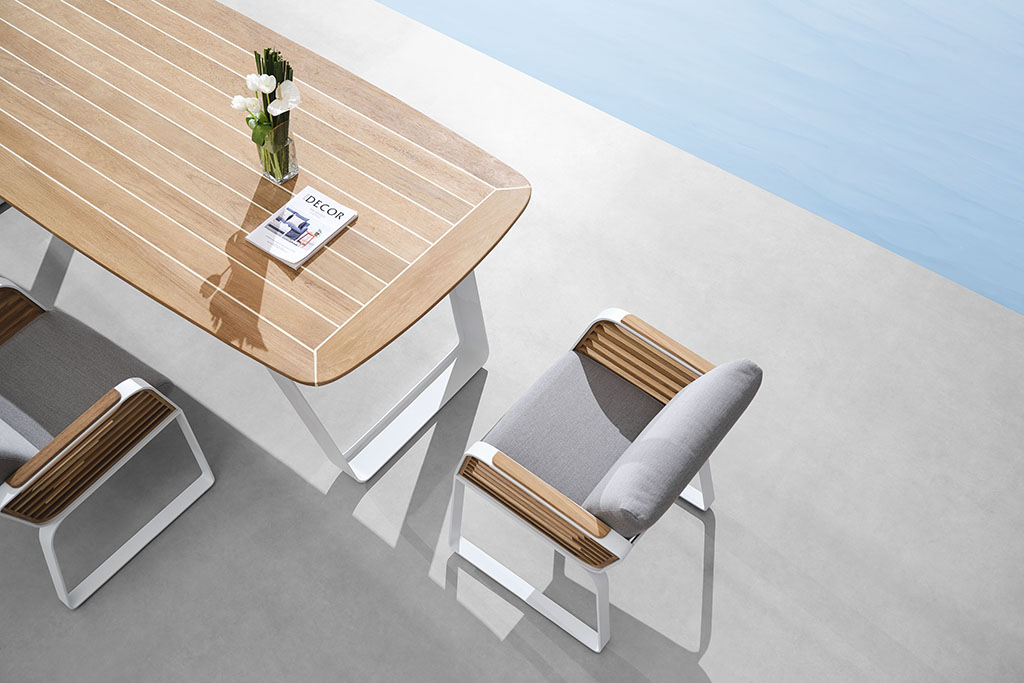
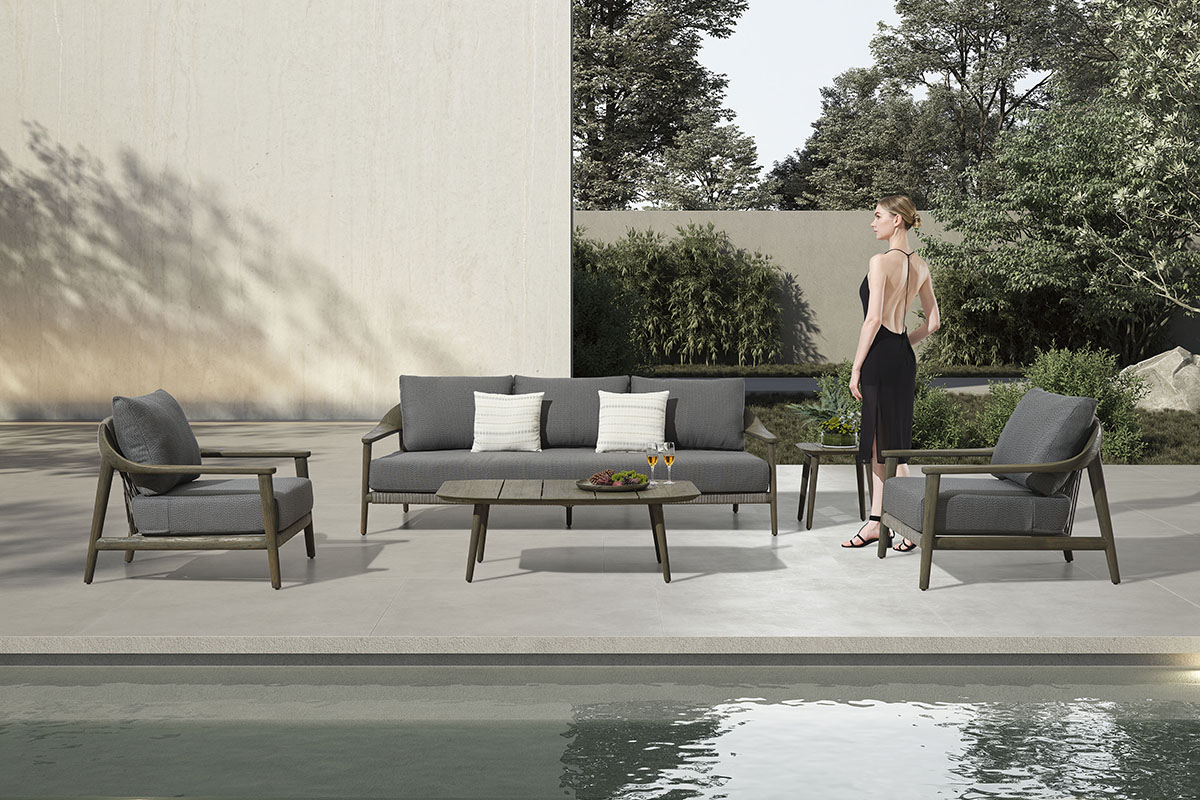
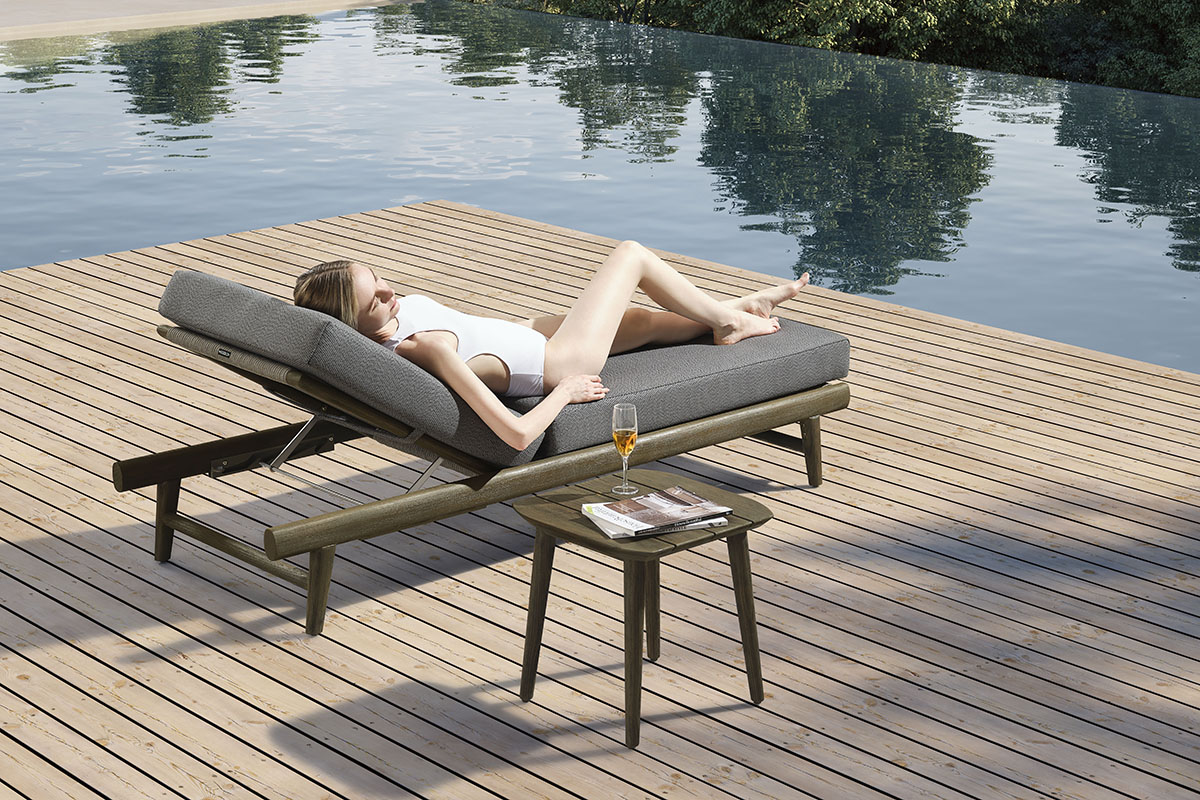
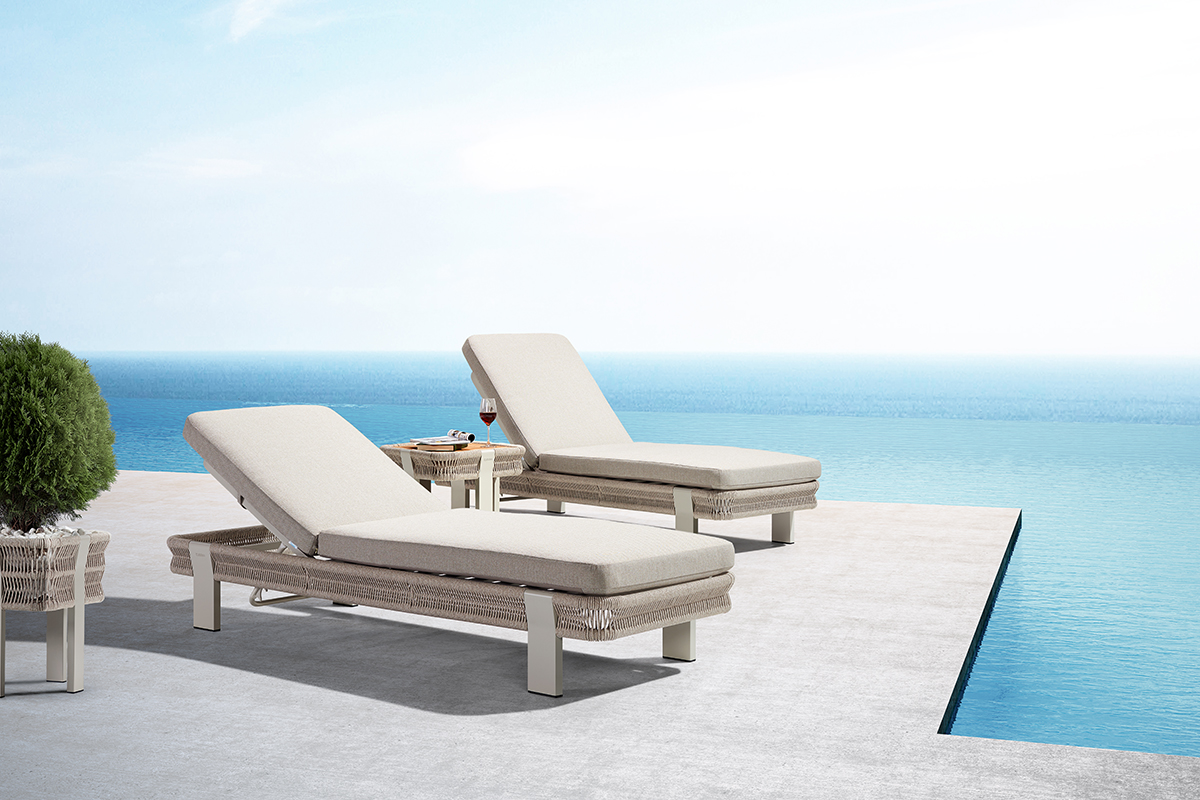
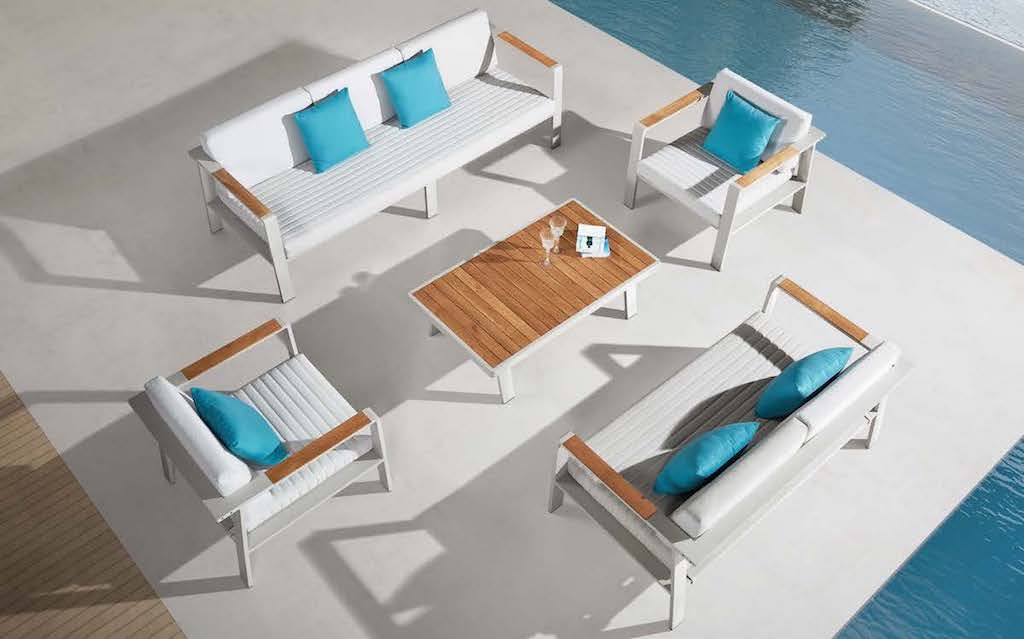
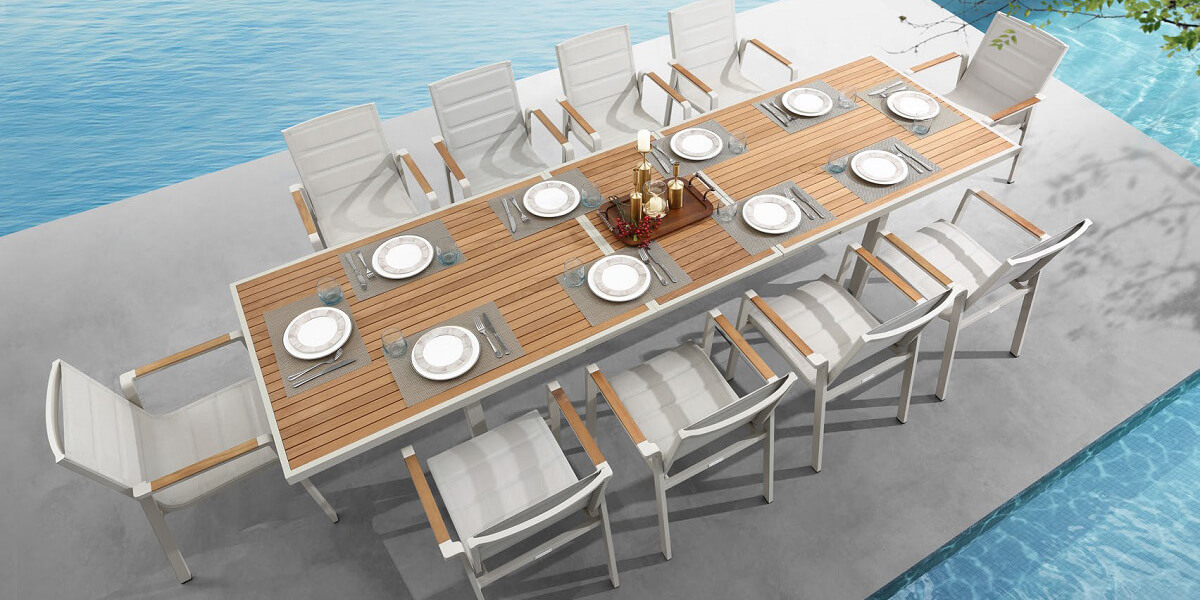
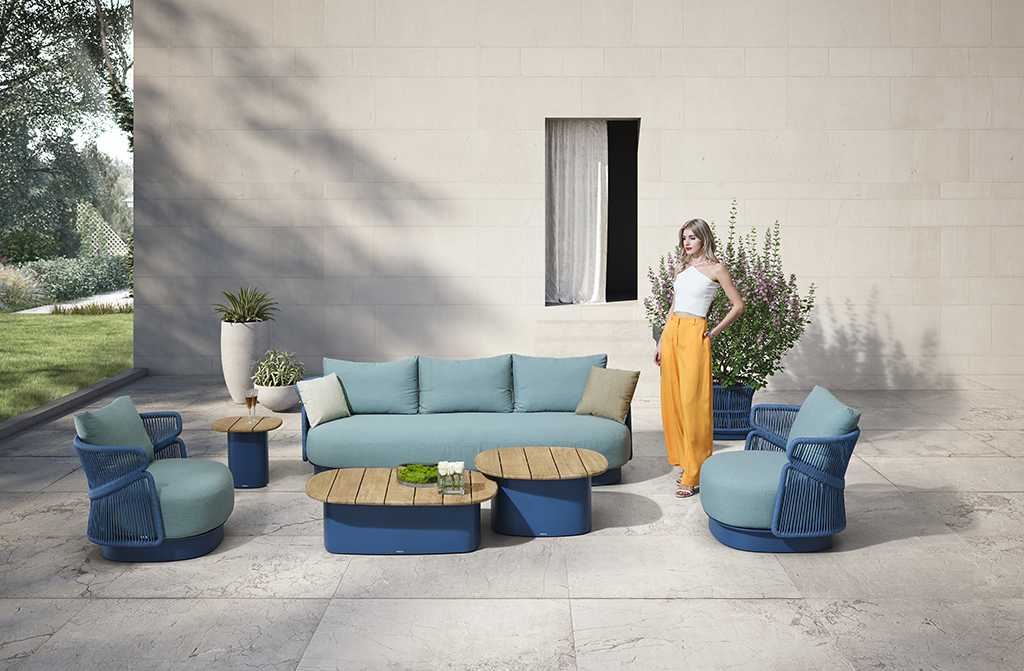
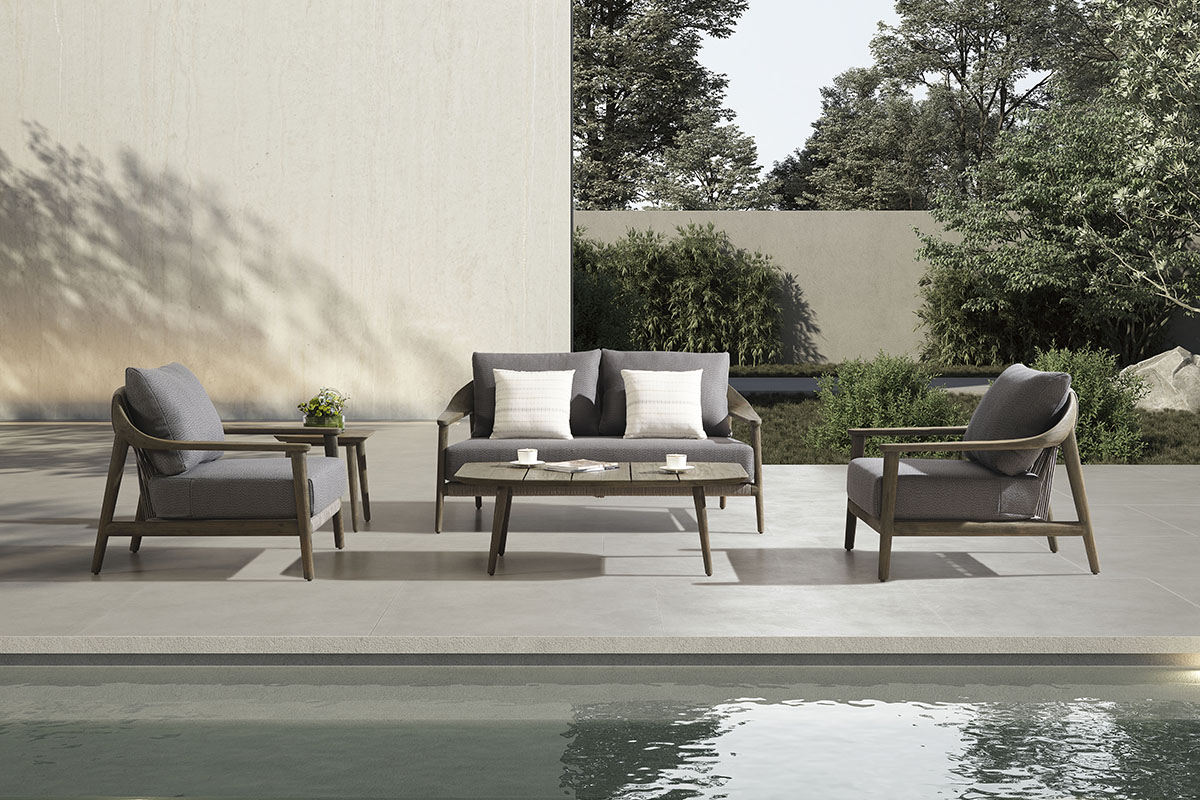
In the outdoor design scene, brands such as Higold Milano offer outdoor furniture solutionsthat integrate with lighting projects thanks to finishes and details designed for the outdoors. This dialogue between materials, comfort and aesthetic harmony makes it possible to explore current design solutions to enhance terraces, gardens and outdoor lounge areas in a modern way.