Smart materials for outdoor furniture: elegance that lasts over time
Between innovation, sustainability and design, the new outdoor materials redefine the way we experience outdoor spaces. Comfort, resistance and style, even in the Higold Milano collections
Pubblicato il:
In the world of contemporary design, the boundary between indoor and outdoor is increasingly thin. The outdoor spaces — terraces, gardens, verandas — become real extensions of the house, to be enjoyed all year round. But to withstand sun, rain and temperature changes, outdoor furniture must be not only beautiful, but intelligent: capable of combining aesthetics and technology, lightness and solidity, comfort and durability.
The evolution of outdoor materials
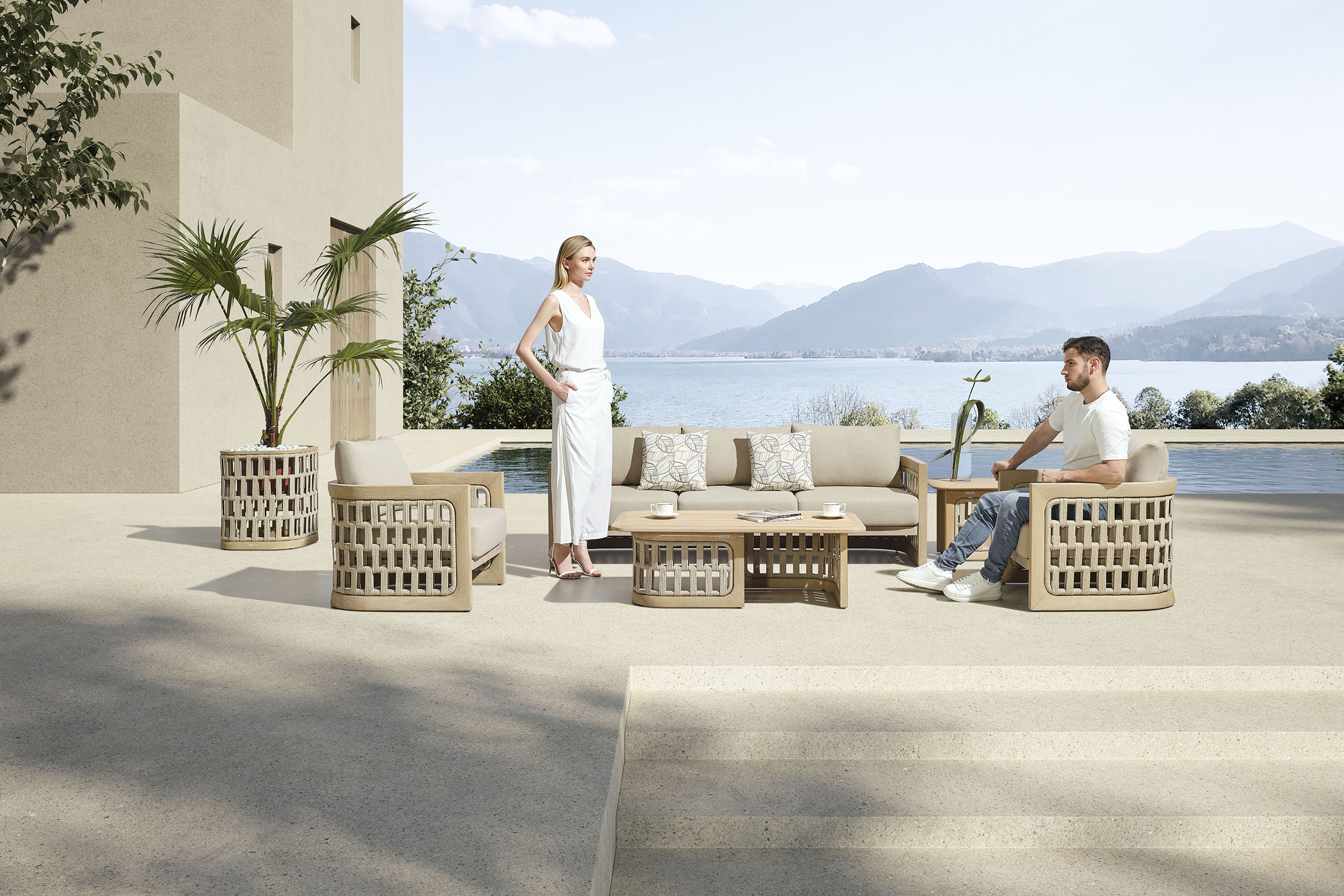
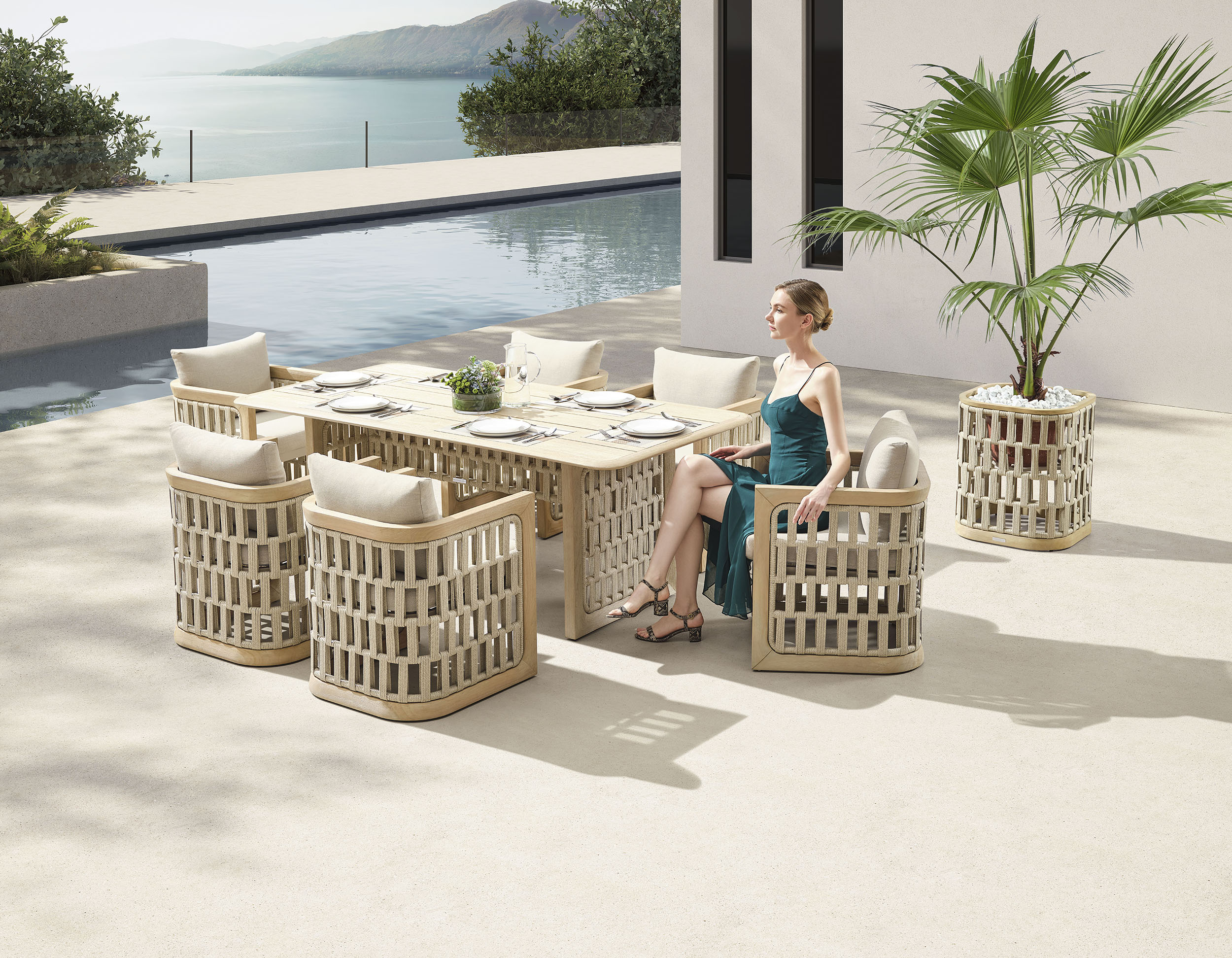
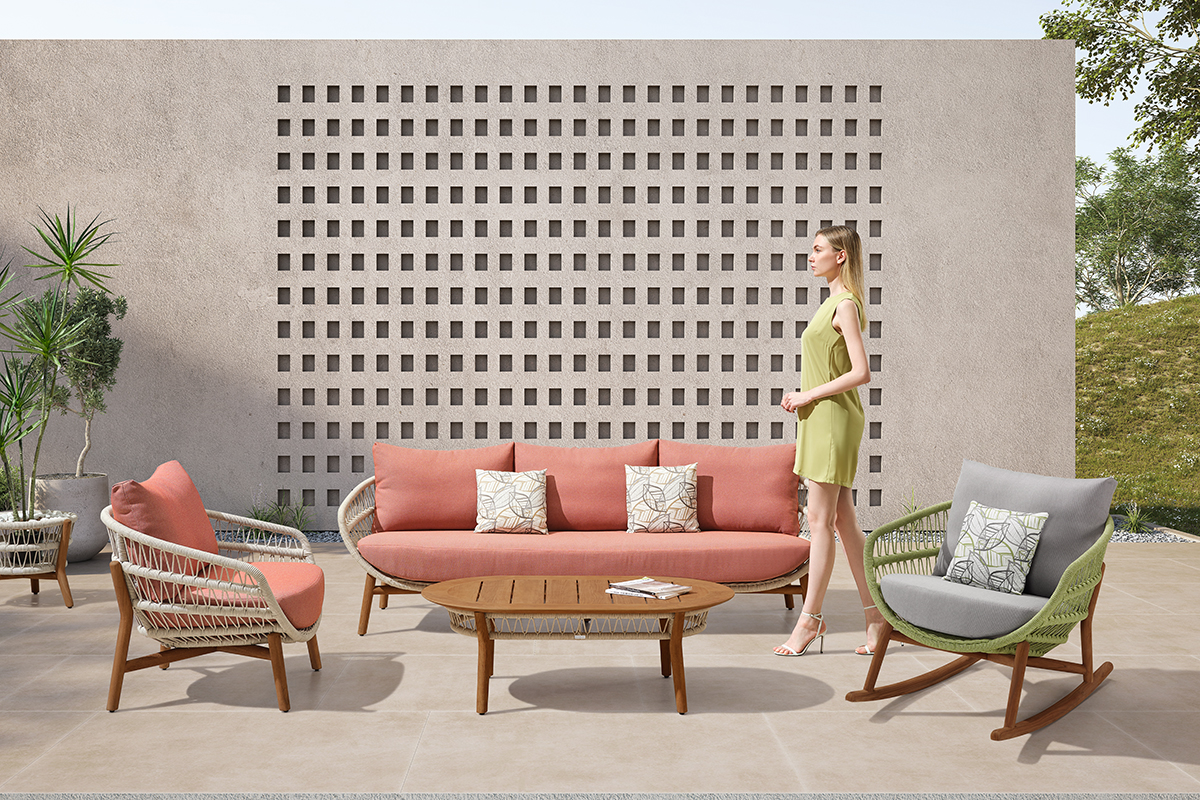
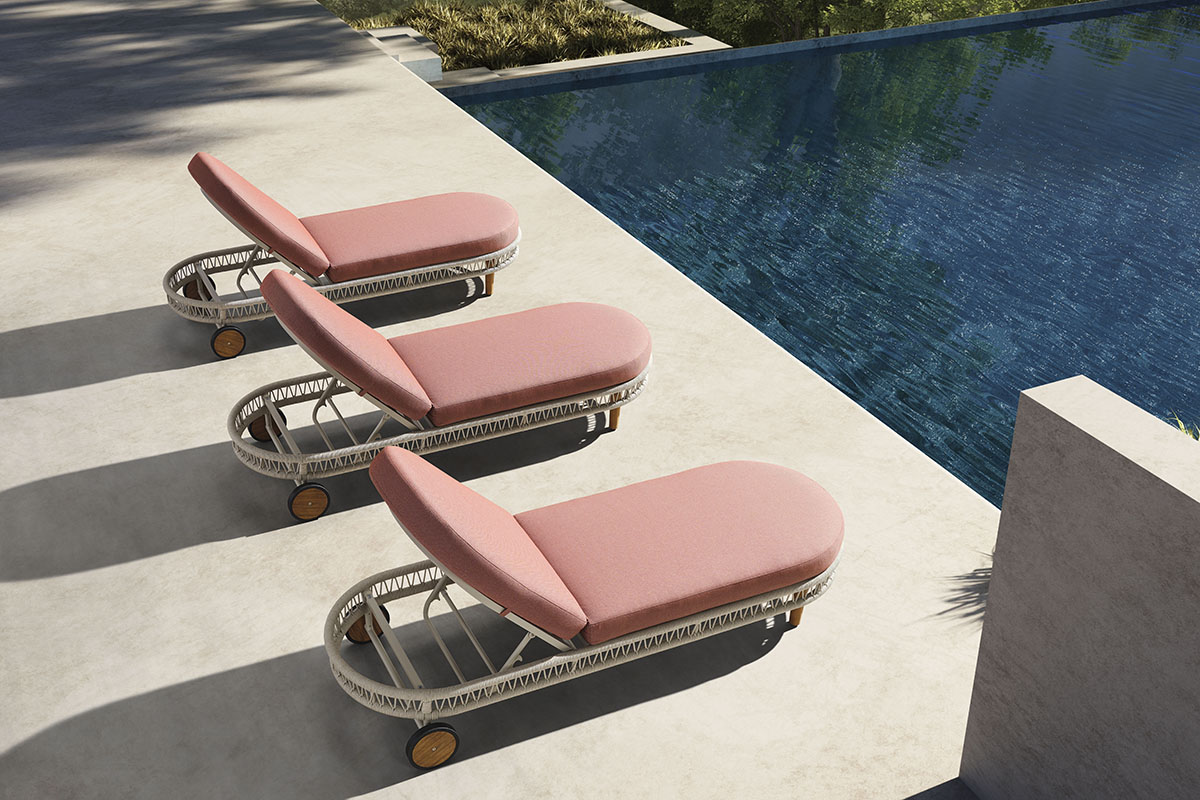
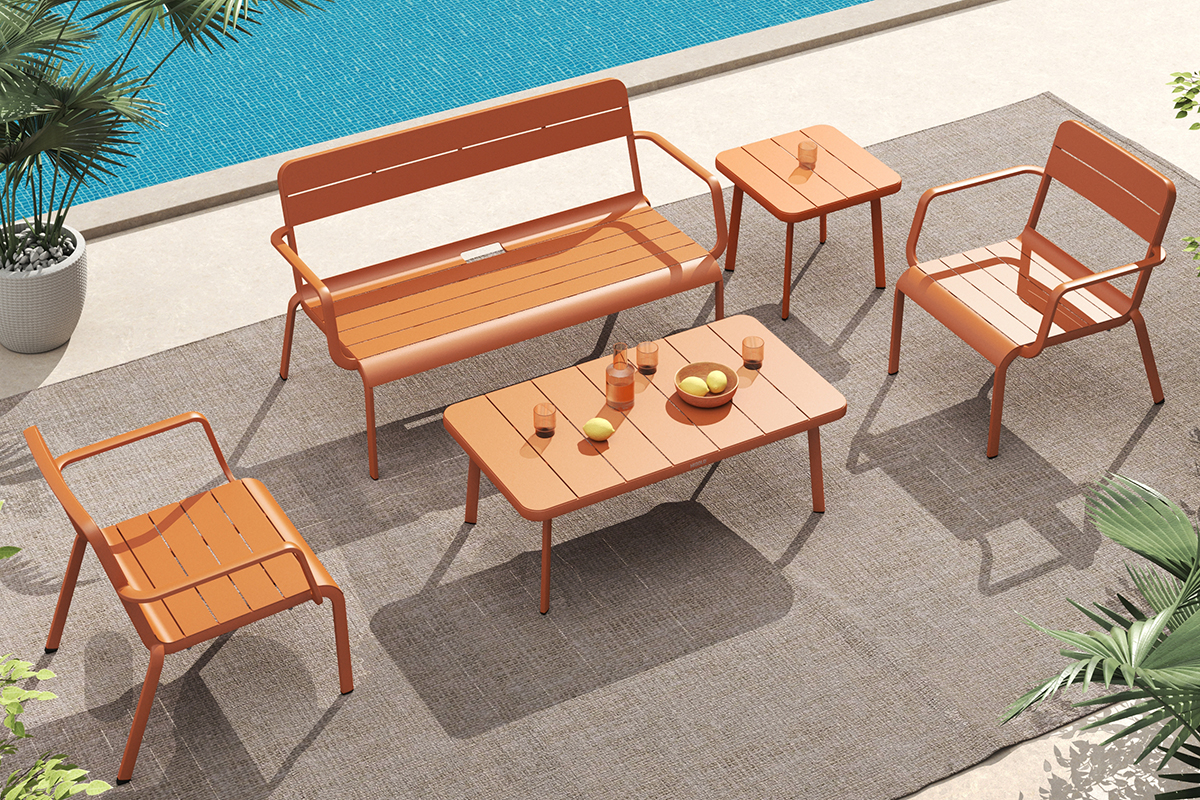
In recent years, research into outdoor materials has radically transformed the furniture industry. Surfaces are no longer just decorative, but become functional tools for performance and sustainability. Anodized aluminum, for example, is now one of the most popular materials for outdoor furniture: resistant to corrosion, light and recyclable, it guarantees a long life without requiring maintenance. Similarly, the new woven synthetic fibres reproduce the natural effect of rattan or rope, but with superior resistance to atmospheric agents.
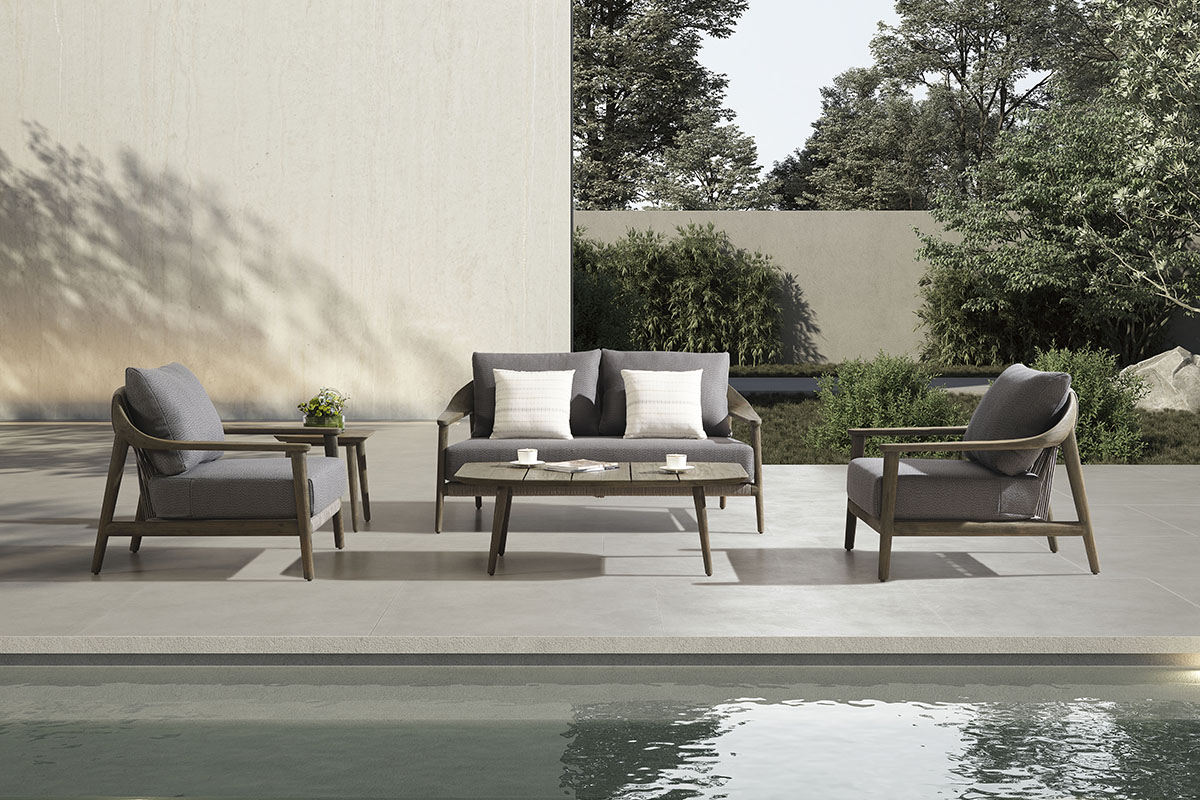
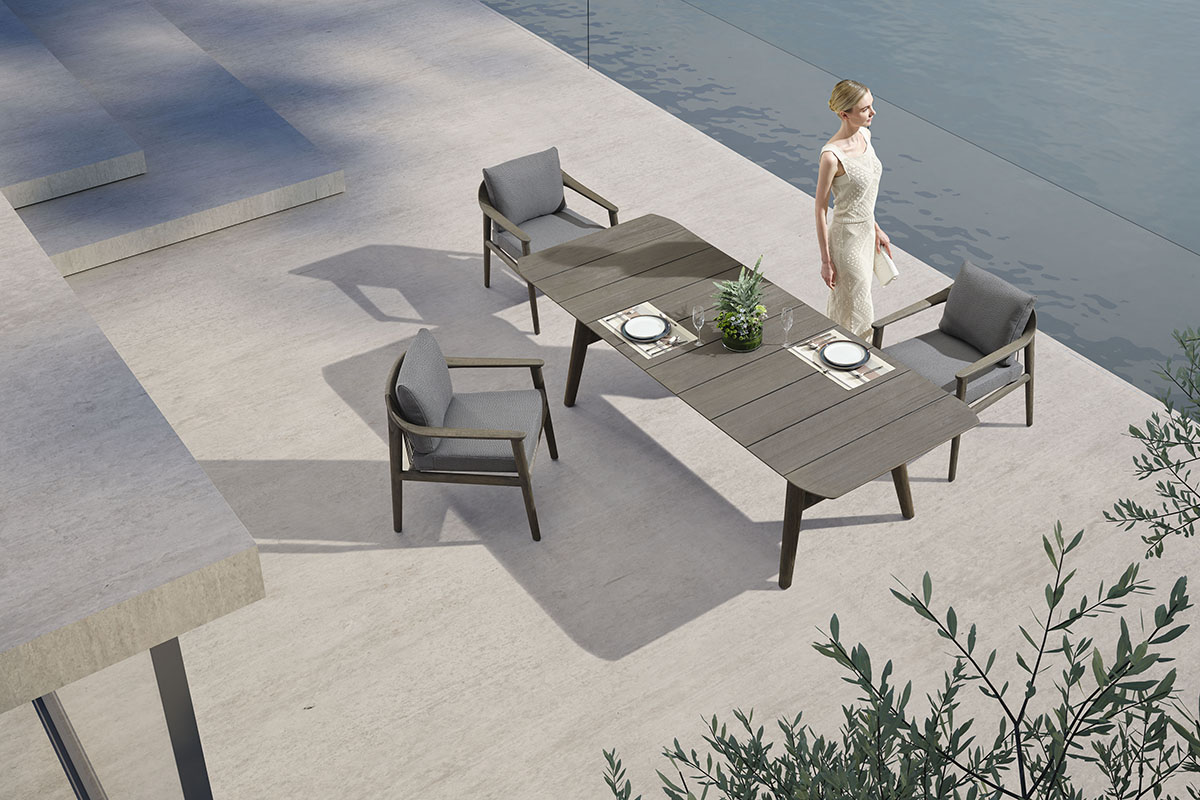
Another protagonist is certified teak, a wood that combines aesthetic warmth and extraordinary stability over time. When treated with natural oils, it retains its golden patina intact, transforming over the years into a living material, which tells the story of the space it inhabits.
Galleria immagini
Higold Milano’s approach: innovation and durability
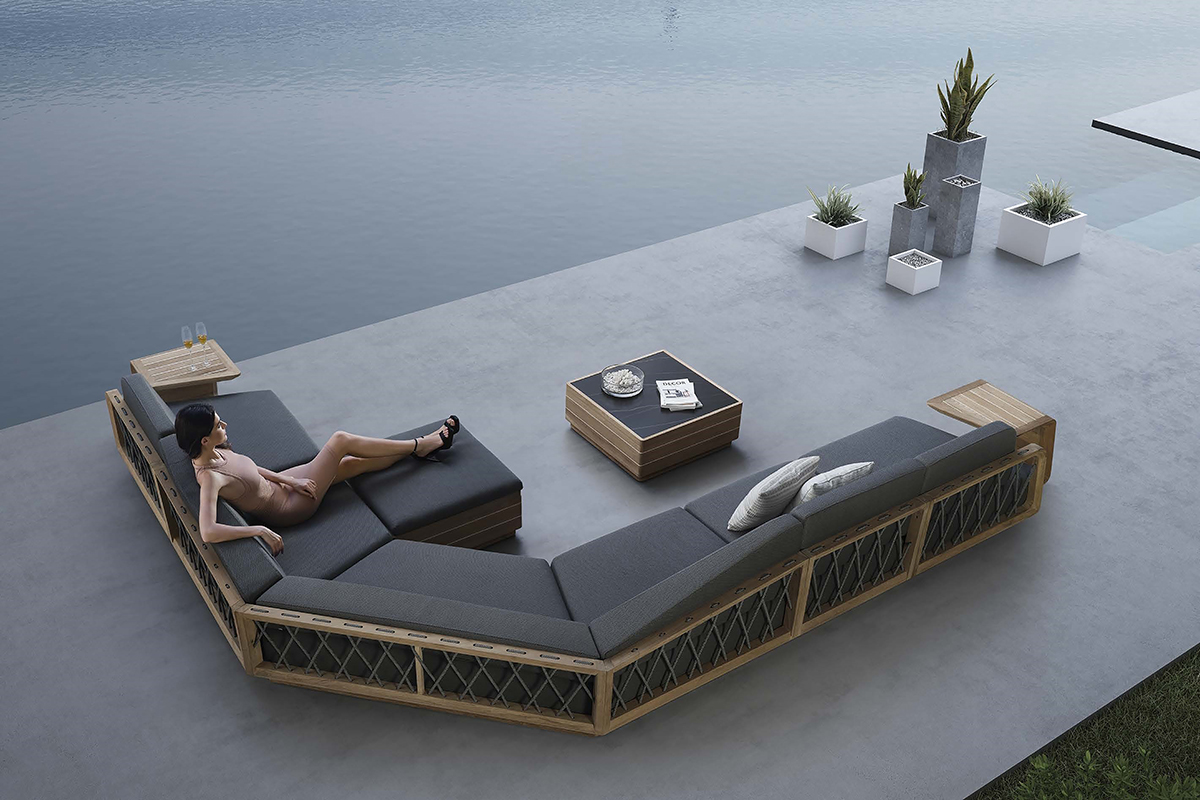
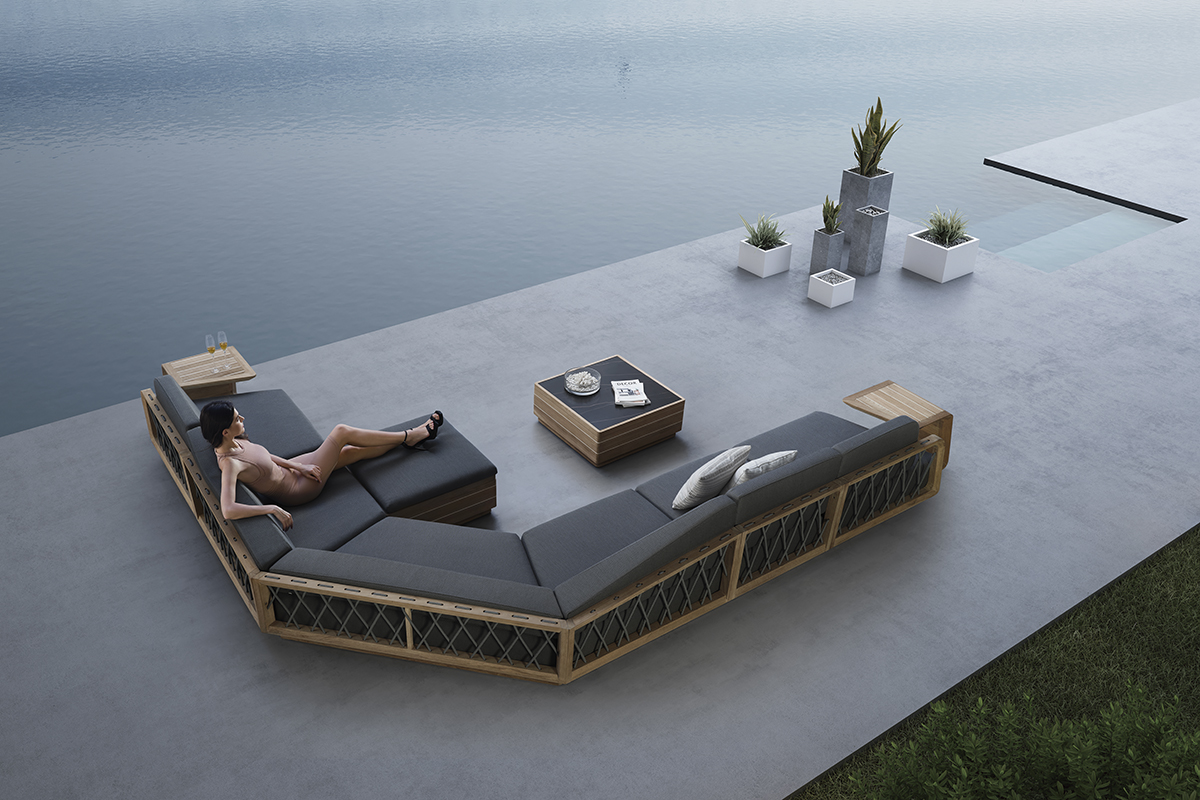
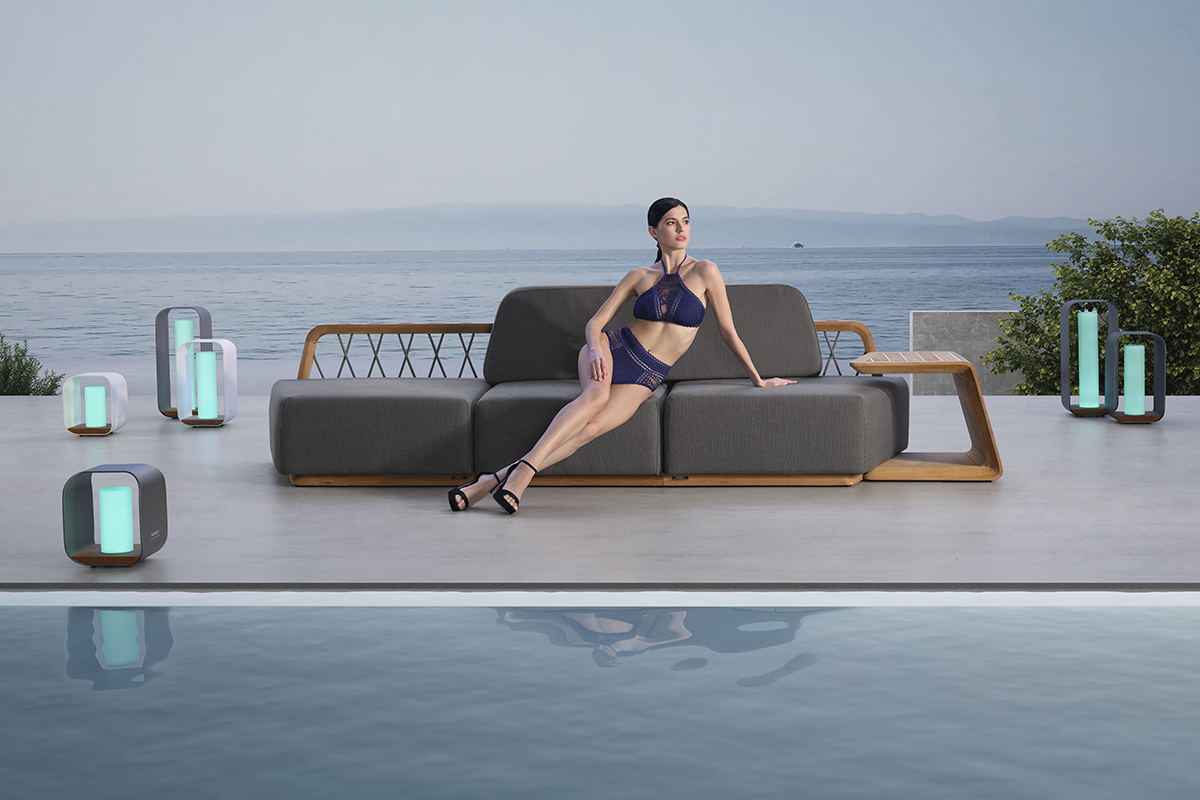
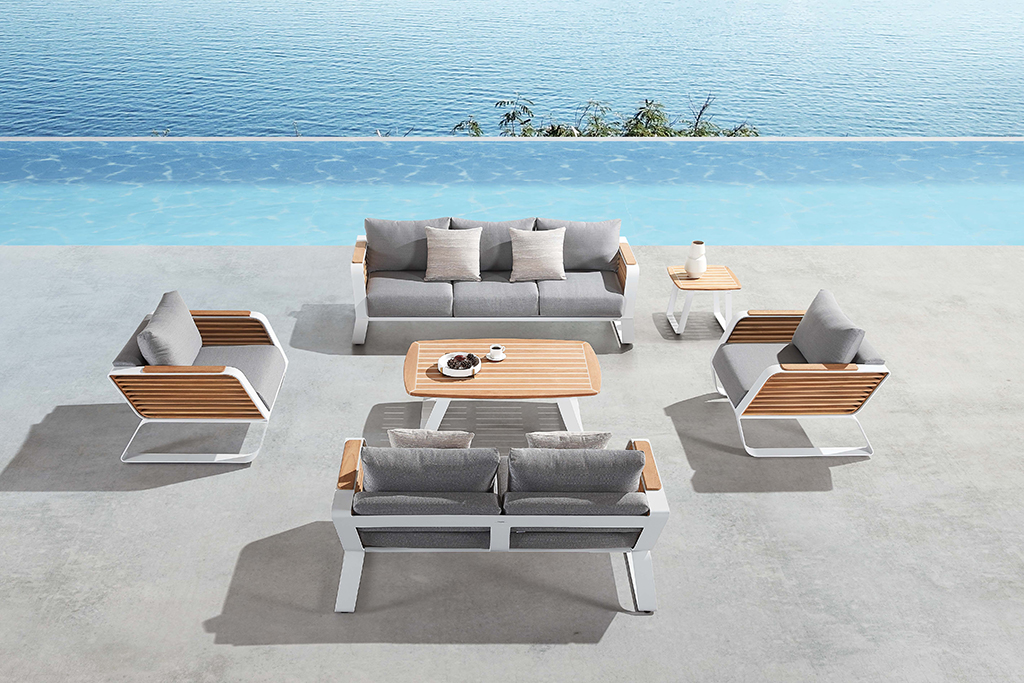
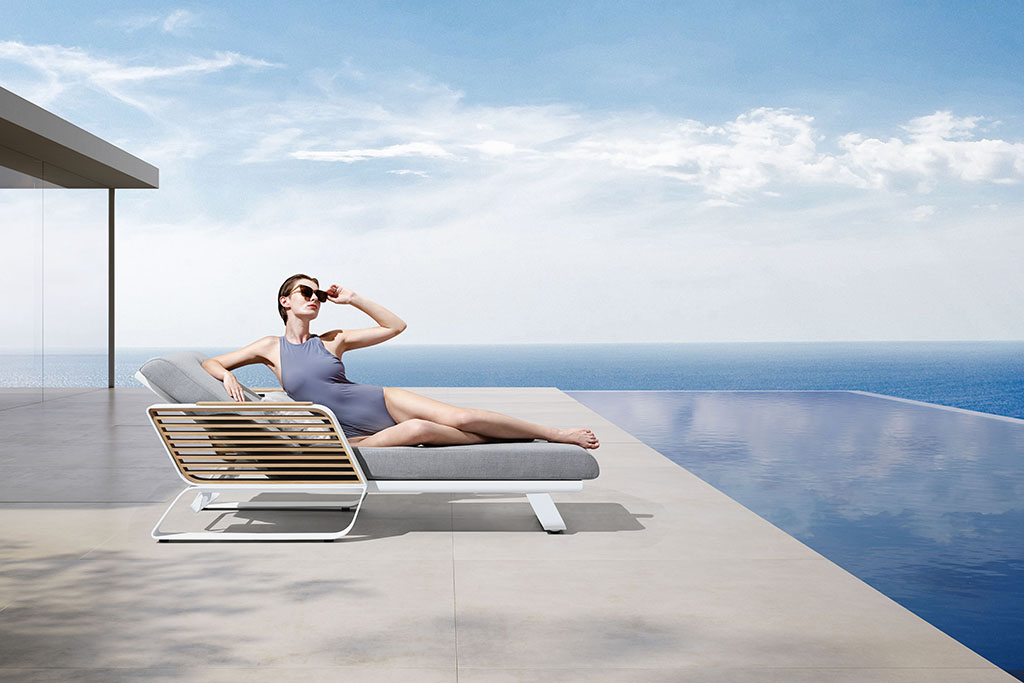
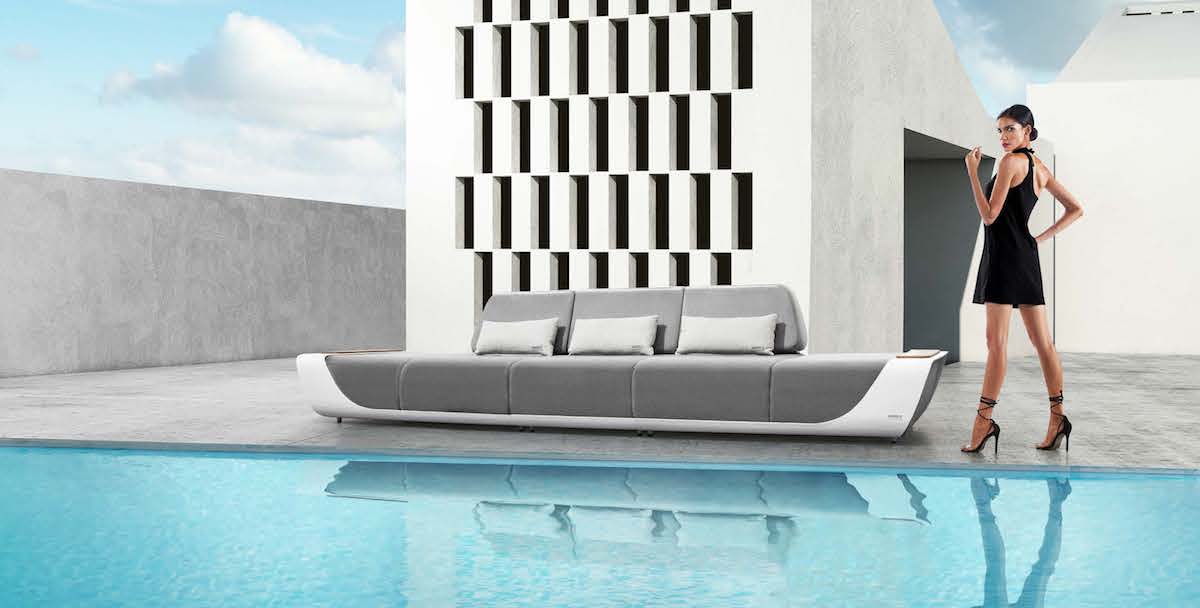
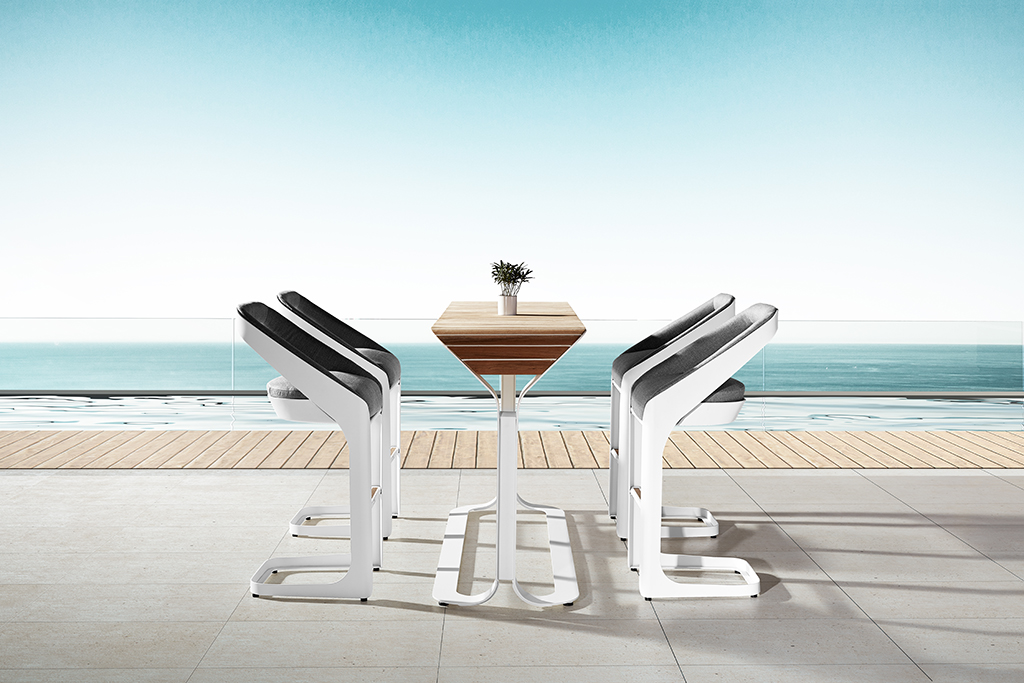
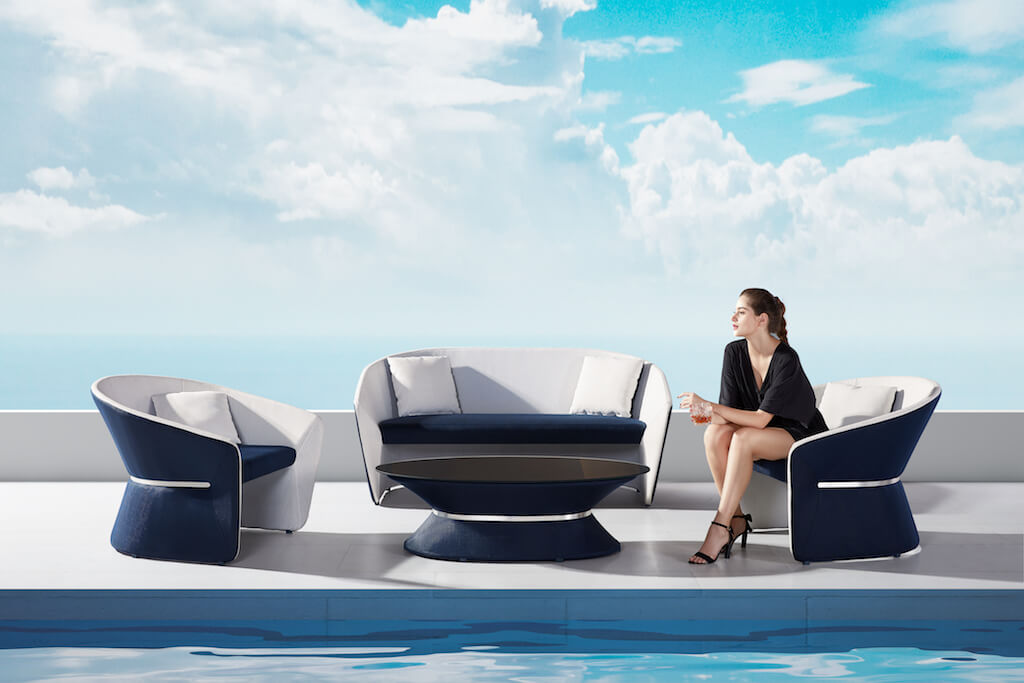
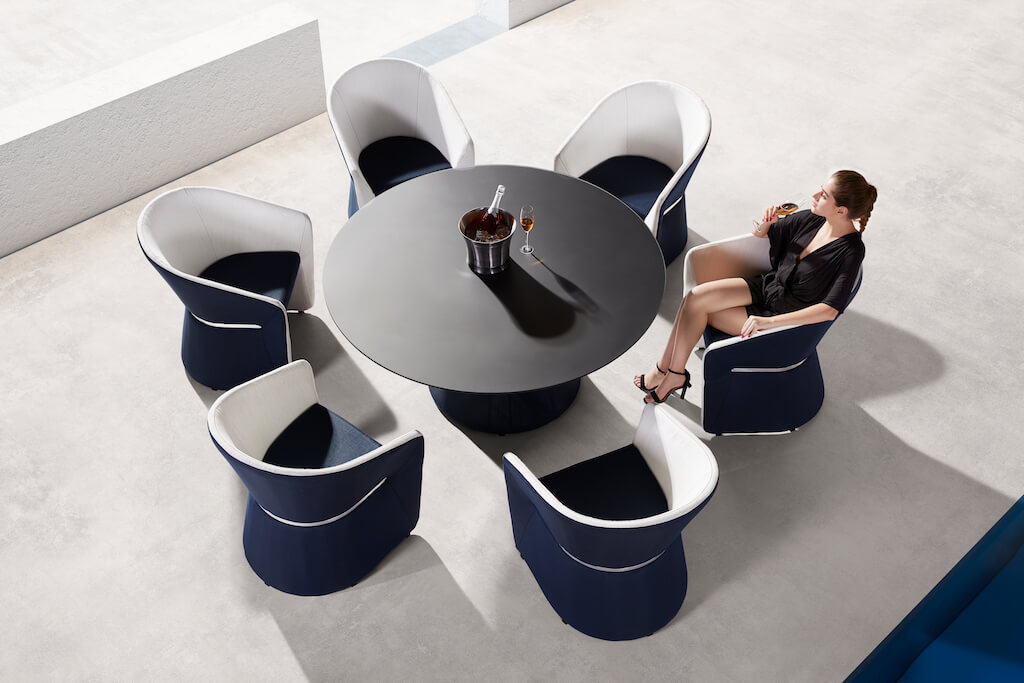
Among the brands that have been able to best interpret this evolution is Higold Milano, which has always placed research on materials and construction quality at the center of its work. Its outdoor furniture collections represent a balance between technology and craftsmanship, combining aluminum, teak and new generation technical fabrics in an essential and contemporary formal language.
The light and resistant die-cast aluminum structures are combined with water-repellent and breathable fabrics, designed to face different climatic conditions without sacrificing comfort. The goal is not only to create furnishings that last over time, but also that fit into a context of visual harmony with the surrounding environment.
Functional elegance and sustainability
The concept of “smart material” today is not only about performance, but also about environmental responsibility. The most attentive designers and companies invest in sustainable production processes and in the reuse of recyclable materials. The conscious use of resources, together with the choice of non-toxic and durable finishes, makes it possible to reduce the environmental impact without sacrificing aesthetic quality.
In contemporary outdoor design, elegance comes from consistency: simple lines, neutral colors and authentic materials give shape to spaces that live over time, resisting fashions and seasons. It is an elegance that is renewed every year, capable of transforming the garden into a place of well-being and daily beauty.