The detail that makes the difference in outdoor design
Come piccoli elementi e finiture selezionate elevano funzionalità ed estetica negli spazi esterni
Pubblicato il:
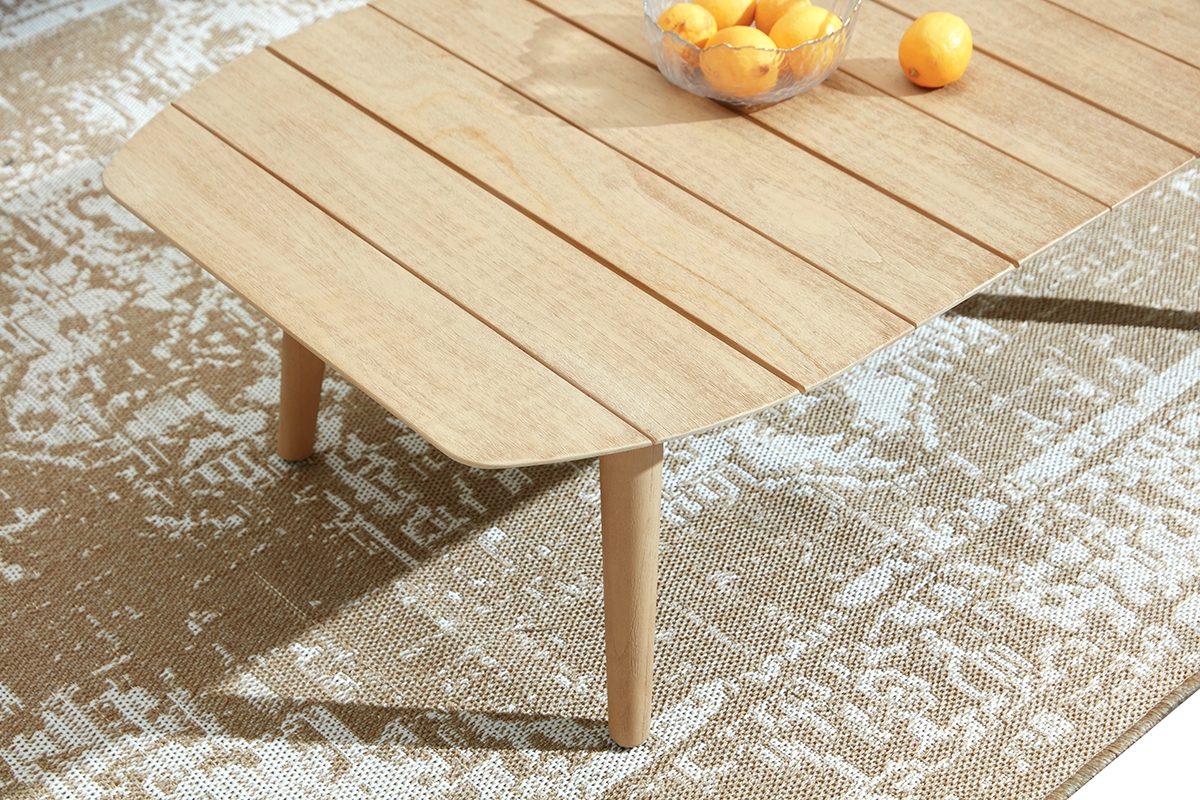
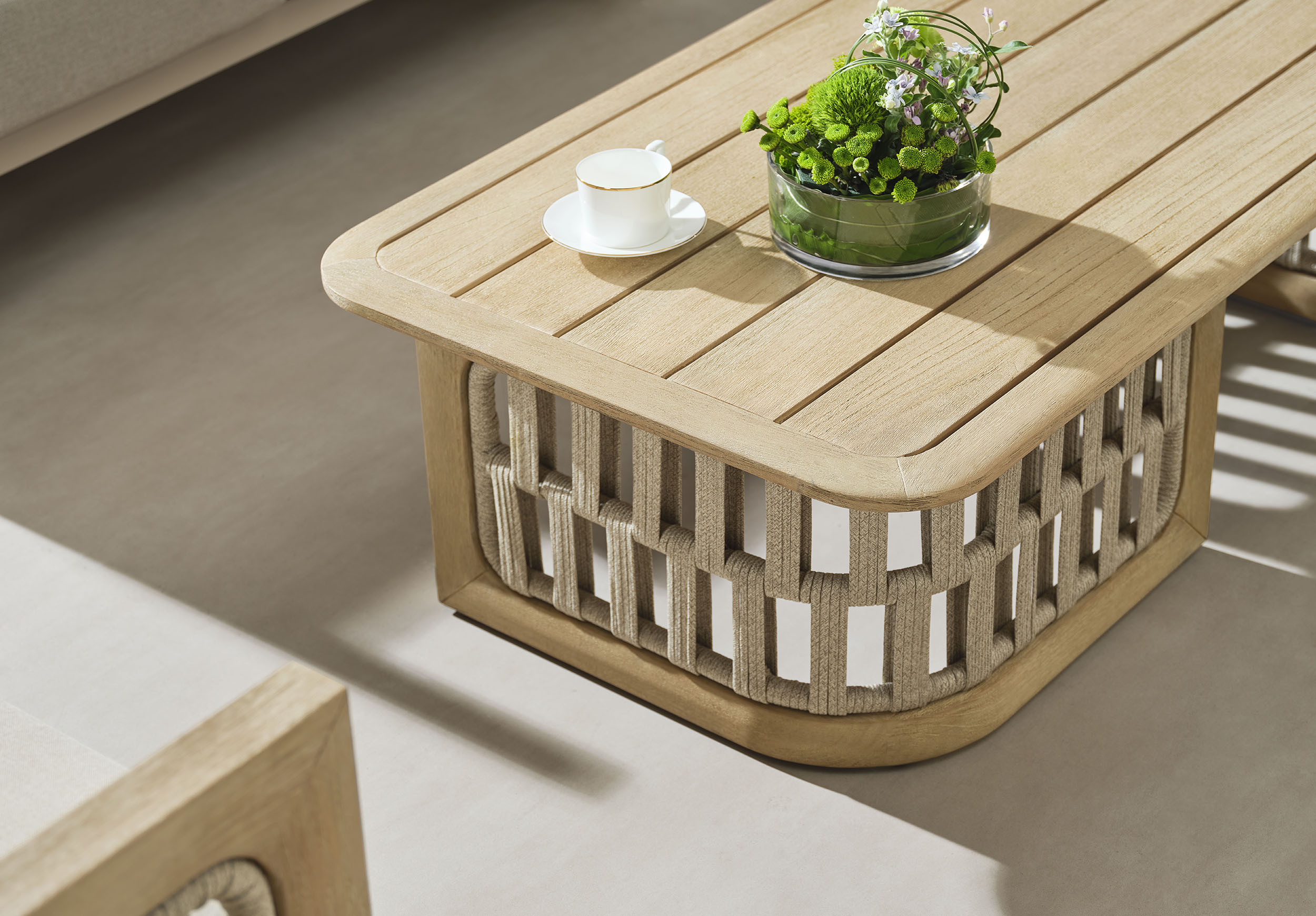
In the design of outdoor spaces , it is often the details that determine the perceived quality: well-kept joints, seat profiles, types of stitching in the cushions, discreet fastening systems and metal finishes speak of design attention and increase the feeling of care. Starting from the assumption that every element, even the smallest, contributes to the overall harmony leads to more informed decisions: choosing materials that age well, providing minimal visibility of the joints or using hardware that allows quick disassembly are all solutions that improve both aesthetics and maintenance. The detail is not only aesthetic, but functional: well-integrated ergonomic handles facilitate the movement of furniture, drainage holes in the surfaces prevent stagnation, and invisible fastening systems increase safety without compromising the image.
The choice of finishes profoundly influences the final effect: metals with powder coatings or brushed finishes are better resistant to external agents and maintain a uniform appearance, whilesurface treatments on woods and compositesextend their life while maintaining the material warmth. Textile seams and cushion edging also become distinctive elements when carefully made, using UV-resistant yarns and closure solutions that do not deteriorate with use. Considering production tolerances and dimensional clearances between stackable or modular elements avoids assembly problems and premature wear.
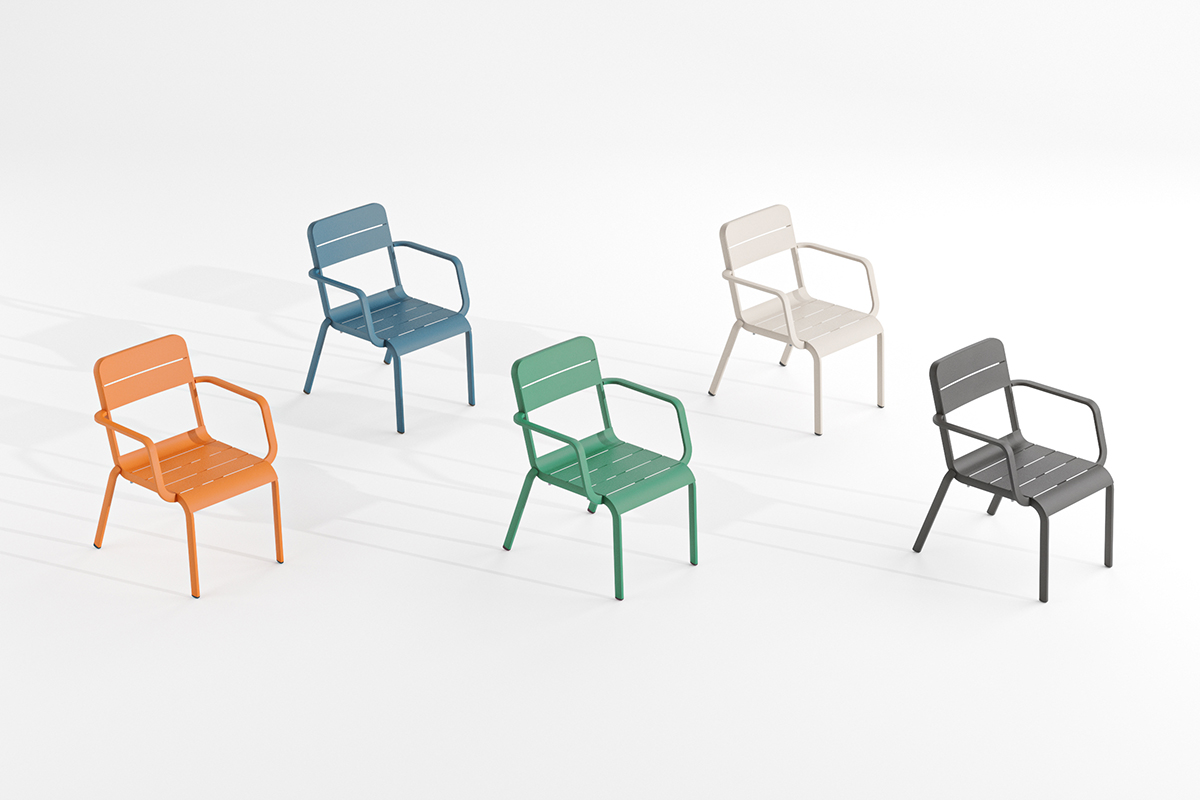
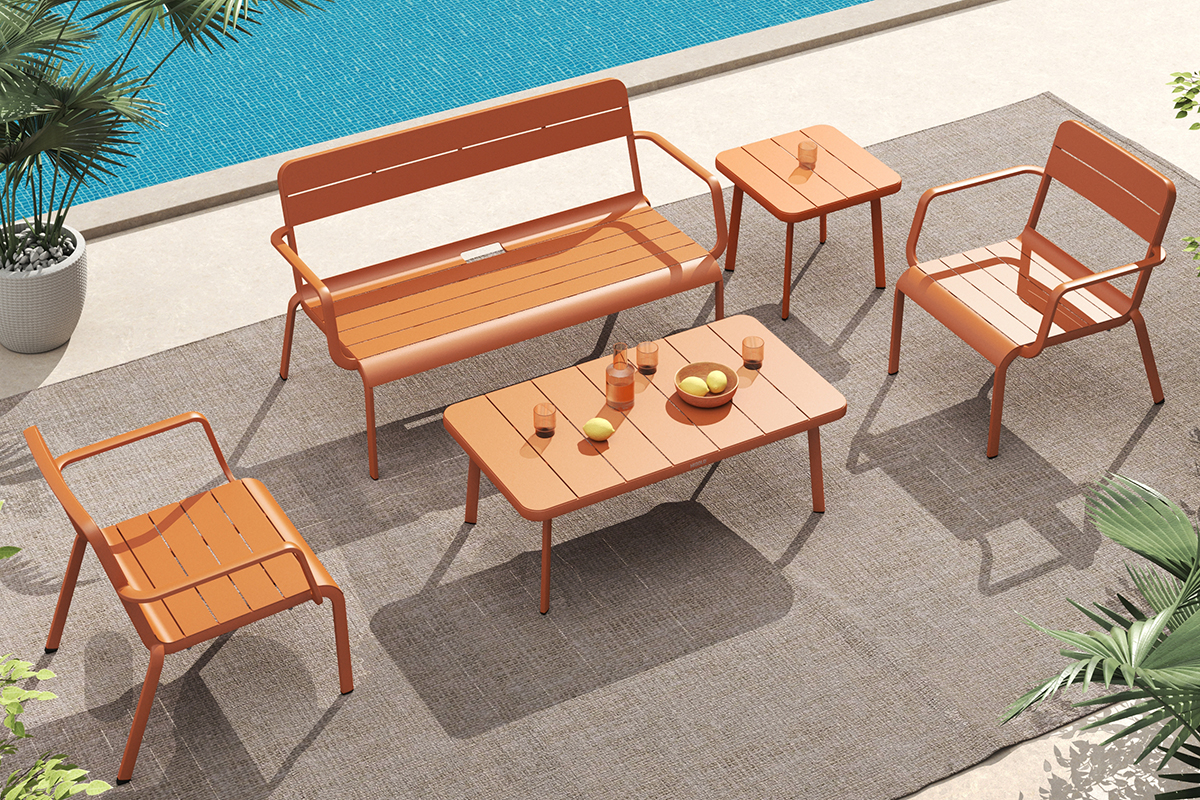
Colour as a design detail must be chosen according to the context: neutral shades amplify a sense of continuity with the architecture, chromatic accents on individual elements (cushions, vases, tops) create points of interest without overwhelming the space. Beware, however, of colors that can fade with the sun; opting for UV-resistant pigments and palettes that harmonize with the local vegetation ensures consistency even with the changing seasons.
Galleria immagini
Small accessories work as value-added elements: coffee tables with pull-out tops, lighting systems integrated into the seat arms, hidden wheels to facilitate movement, and hooks for storing cables and covers keep order and make the space more practical. The integration of technical materials, such as anti-UV sheaths in fabrics or rubber inserts to reduce contact noise, improves the everyday user experience.
Another aspect is the detailed modularity: elements that are combined through studied joints, interchangeable bases and plug-and-play accessories allow individual components to be upgraded or repaired without replacing the entire piece, increasing the sustainability of the project. This kind of attention to detail is often documented in product data sheets and maintenance instructions, and is a valid selection criterion for professionals and demanding users.
Installation and assembly are also part of the detail: provision of prepared anchor points, visible screws reduced to a minimum, clear manuals and service kits facilitate the design outcome and reduce time and costs on site. In urban or windy settings, details such as studied base weights or quick locking systems make all the difference in terms of safety and durability.
In the context of outdoor design, companies such as Higold Milano include in their outdoor furniture collections technical solutions and finishing details that can be useful as a reference for designing coherent and well-finished spaces.
Taking care of the details means designing with the long term in mind: aesthetics, functionality, ease of maintenance and the possibility of updating all contribute together to building an outdoor space of perceptible quality from the first glance.