Garden as a refuge: designing spaces for total relaxation
Practical strategies and stylistic suggestions to transform the garden into a place of well-being, privacy and mental refreshment
Pubblicato il:
Pensare al giardino come a un rifugio significa progettare con l’obiettivo primario del relax: ridurre stimoli visivi e sonori, privilegiare percorsi fluidi e creare angoli che invitino alla permanenza. Il primo passo è definire l’uso prevalente dello spazio – lettura, meditazione, conversazione, pratica leggera di movimento – perché le scelte di arredo, vegetazione e illuminazione dipendono direttamente dalle attività che si intendono favorire. Orienting areas according to the sun and wind optimizes comfort and duration of use; For example, placing a relaxation area in a portion that receives sun in the morning and shade in the afternoon can encourage longer stops. It is useful to design minimal paths and access points to avoid unnecessary passages that fragment the space, preferring soft or draining surfaces that encourage relaxed walking. La scelta delle piante è centrale: prediligere specie autoctone e perenni assicura una manutenzione contenuta e supporta la biodiversità locale; piante aromatiche come lavanda e rosmarino contribuiscono a un’esperienza sensoriale calma e piacevole. Strutturare la vegetazione su livelli – arbusti bassi, siepi medie, alberi d’alto fusto – crea profondità visiva e schermature naturali per la privacy. L’uso di bordo verde e aiuole ben definite aiuta a mantenere ordine estetico e facilita la cura stagionale.
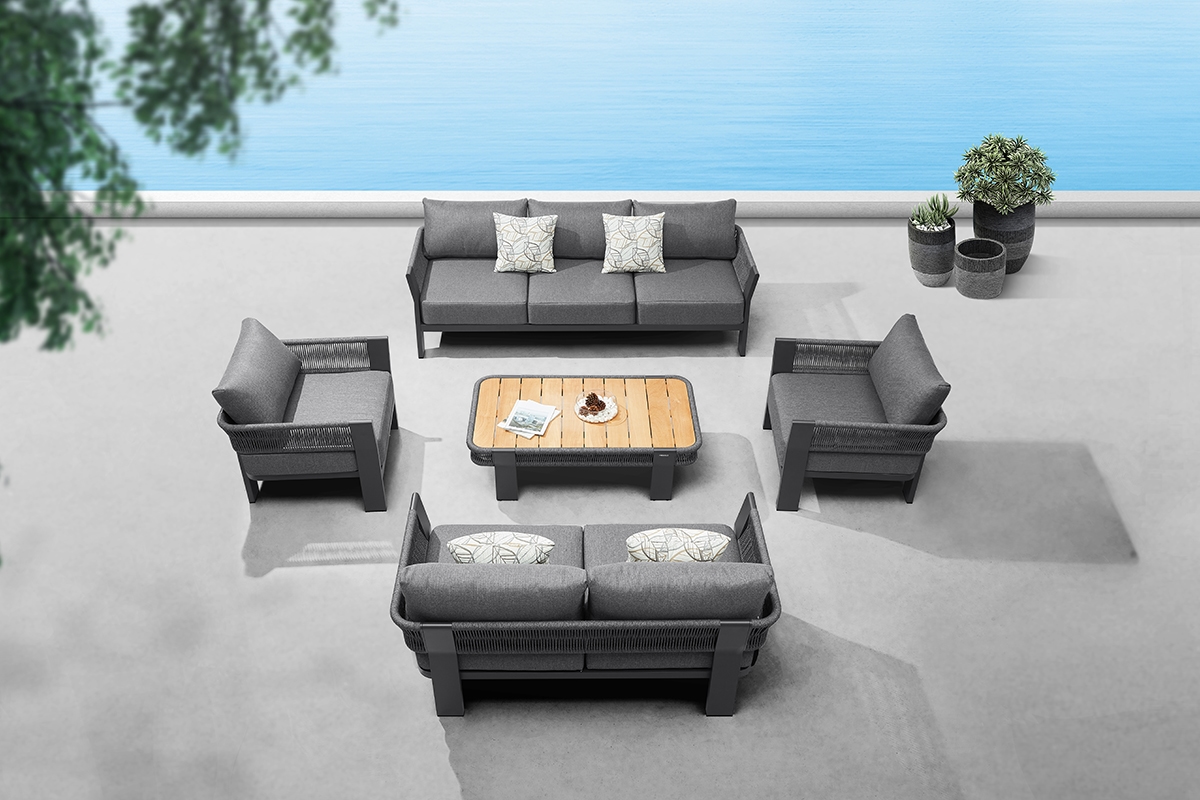
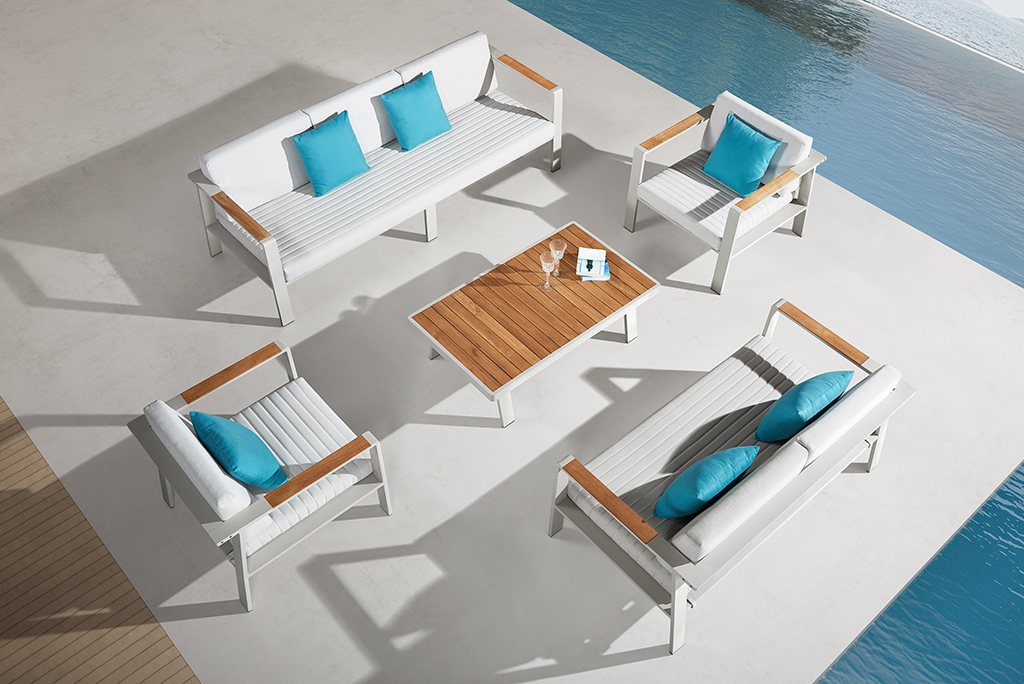
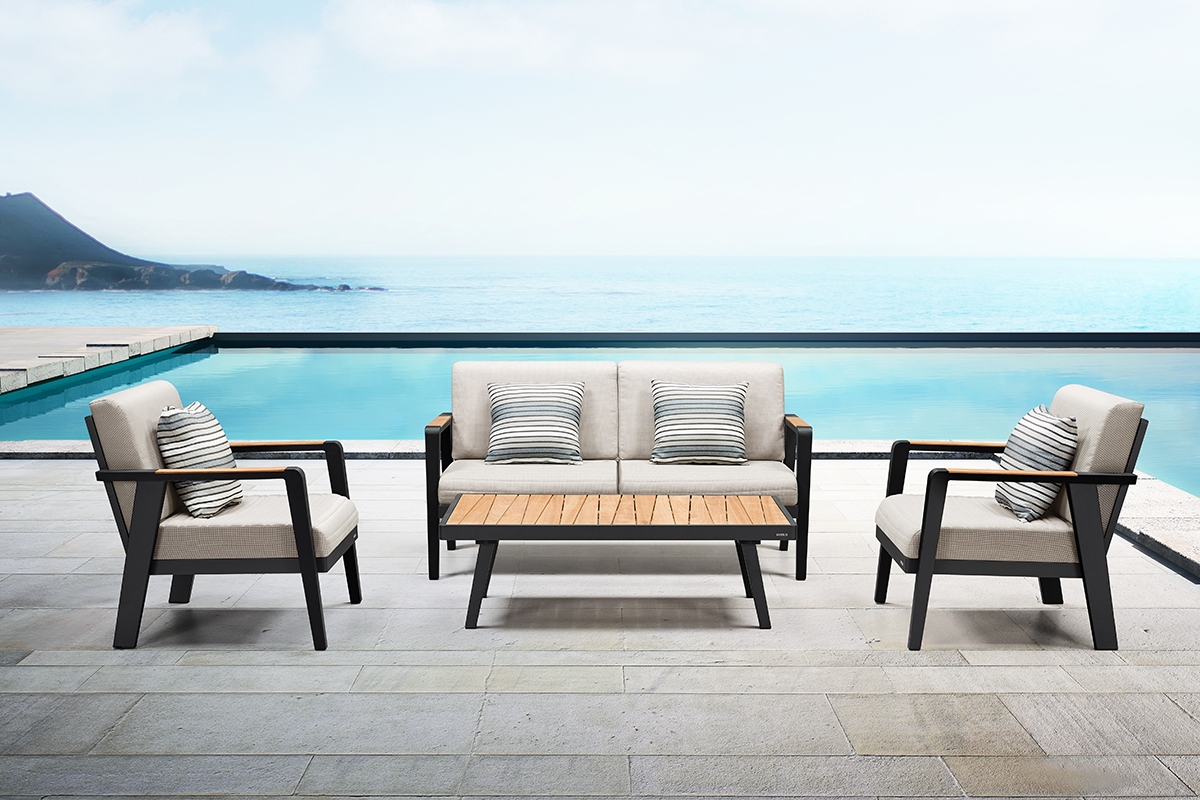
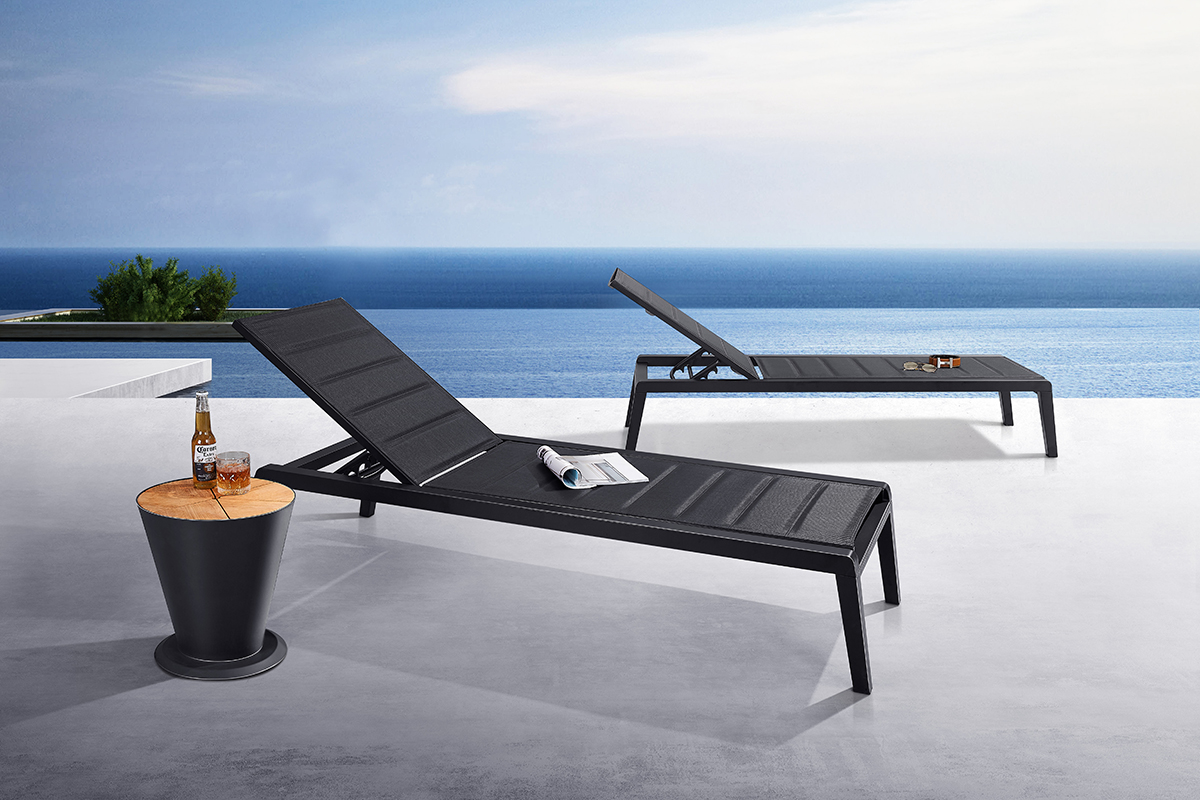
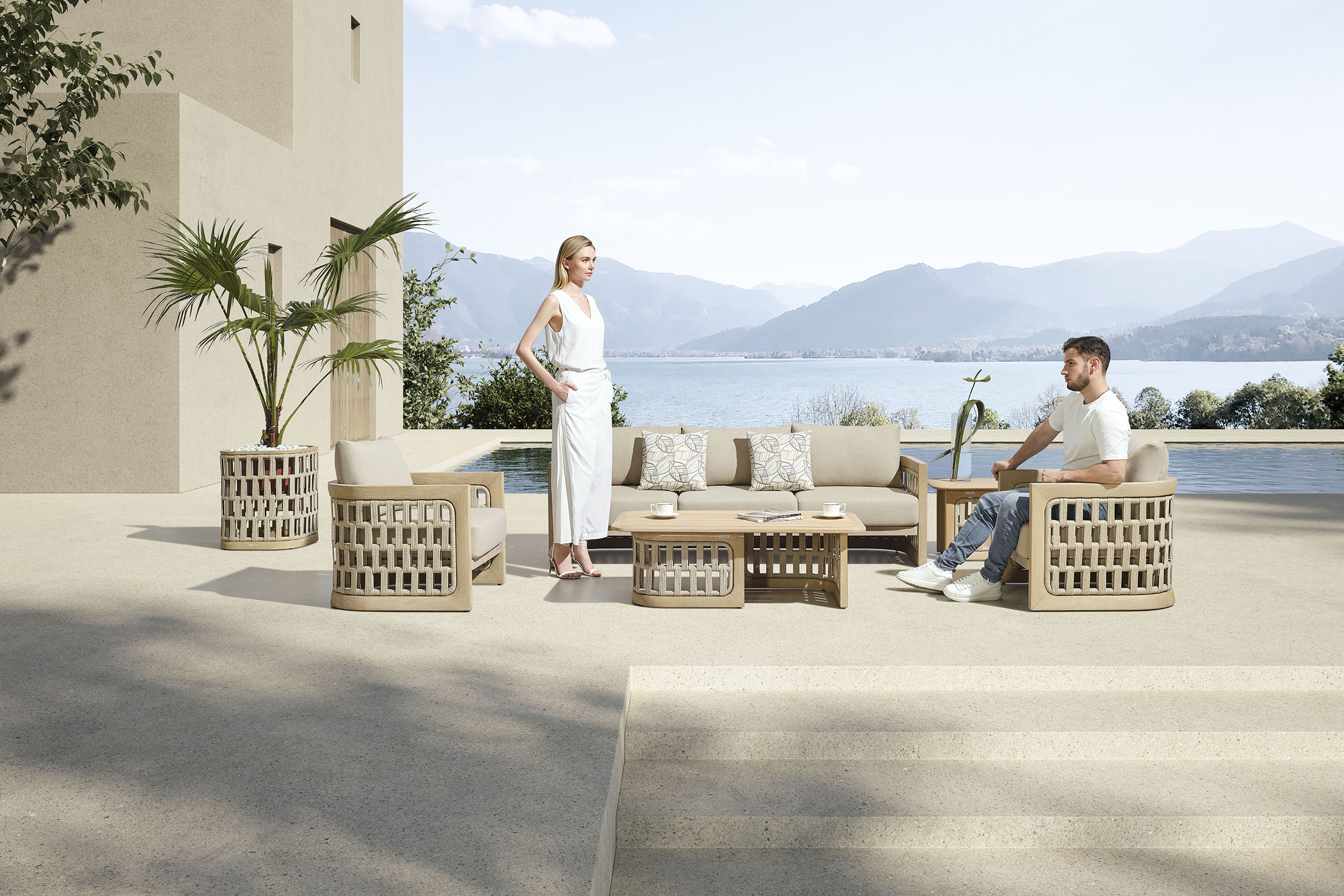
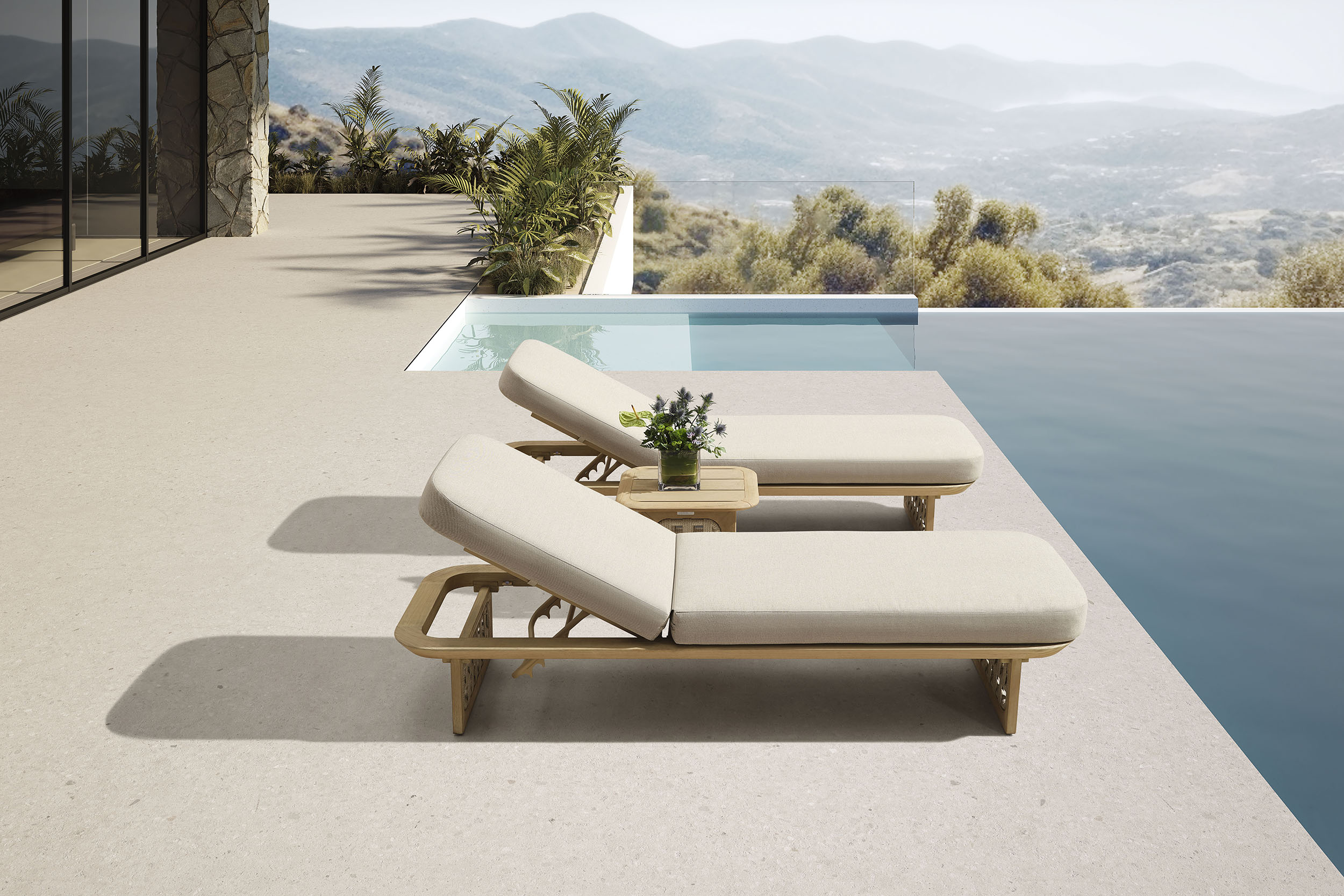
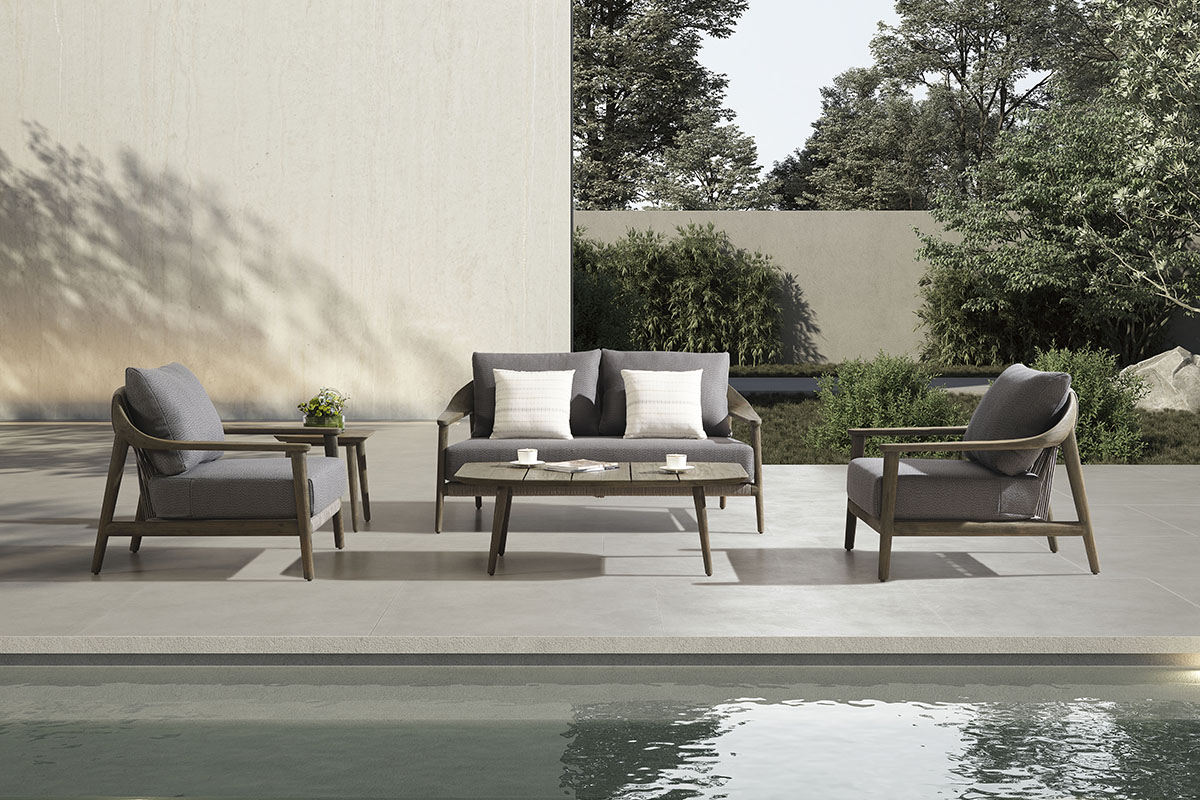
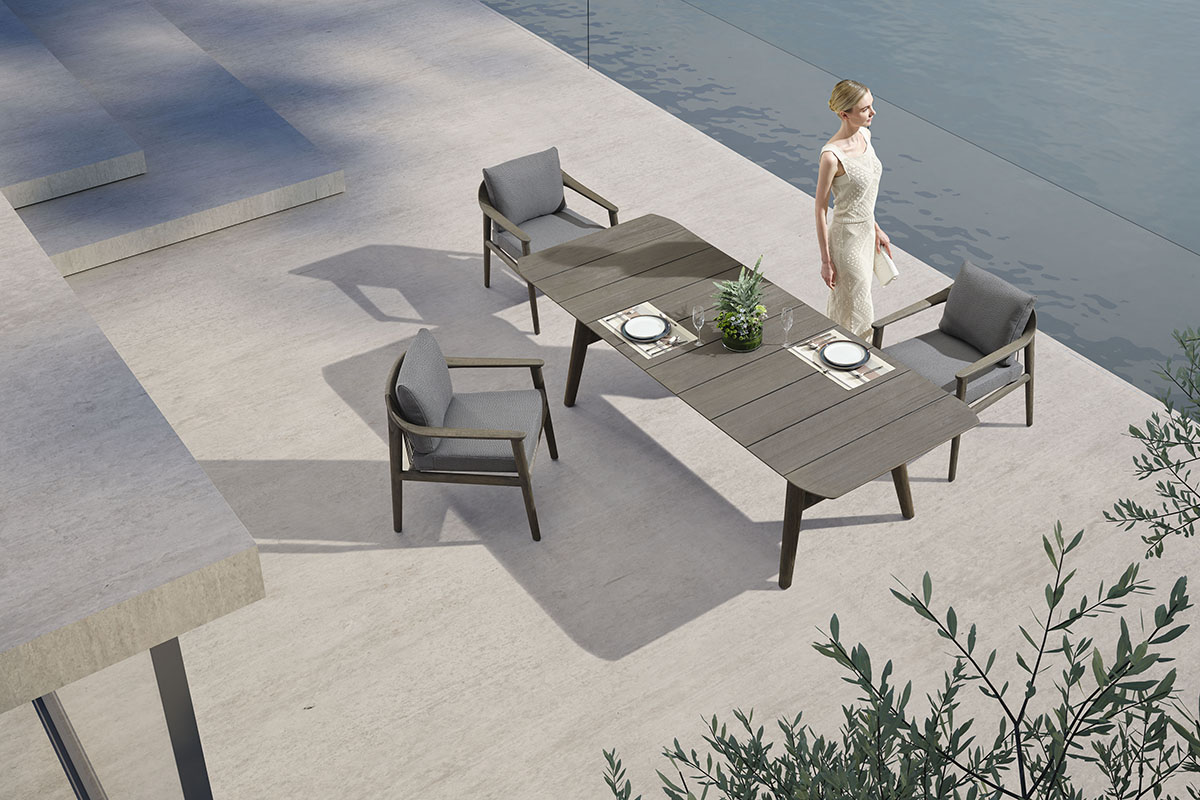
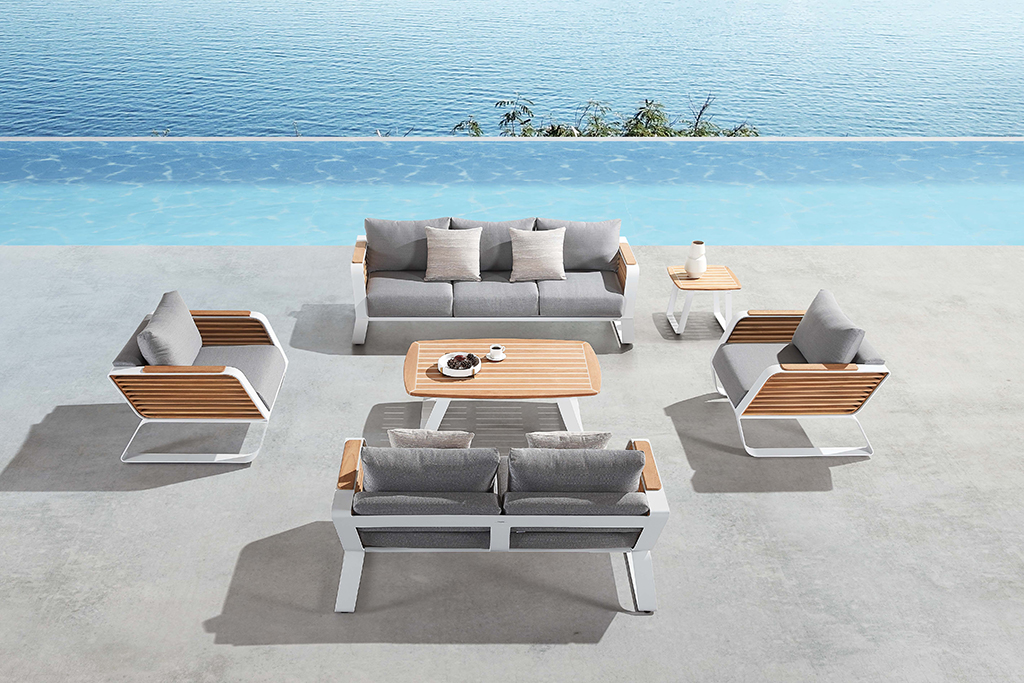
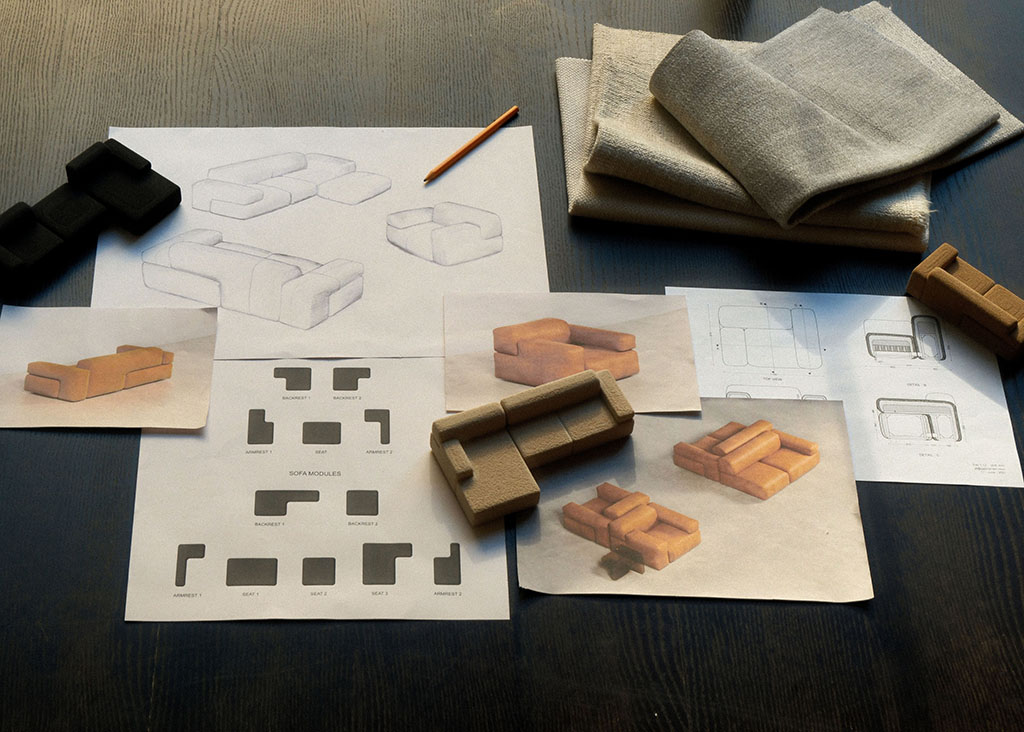
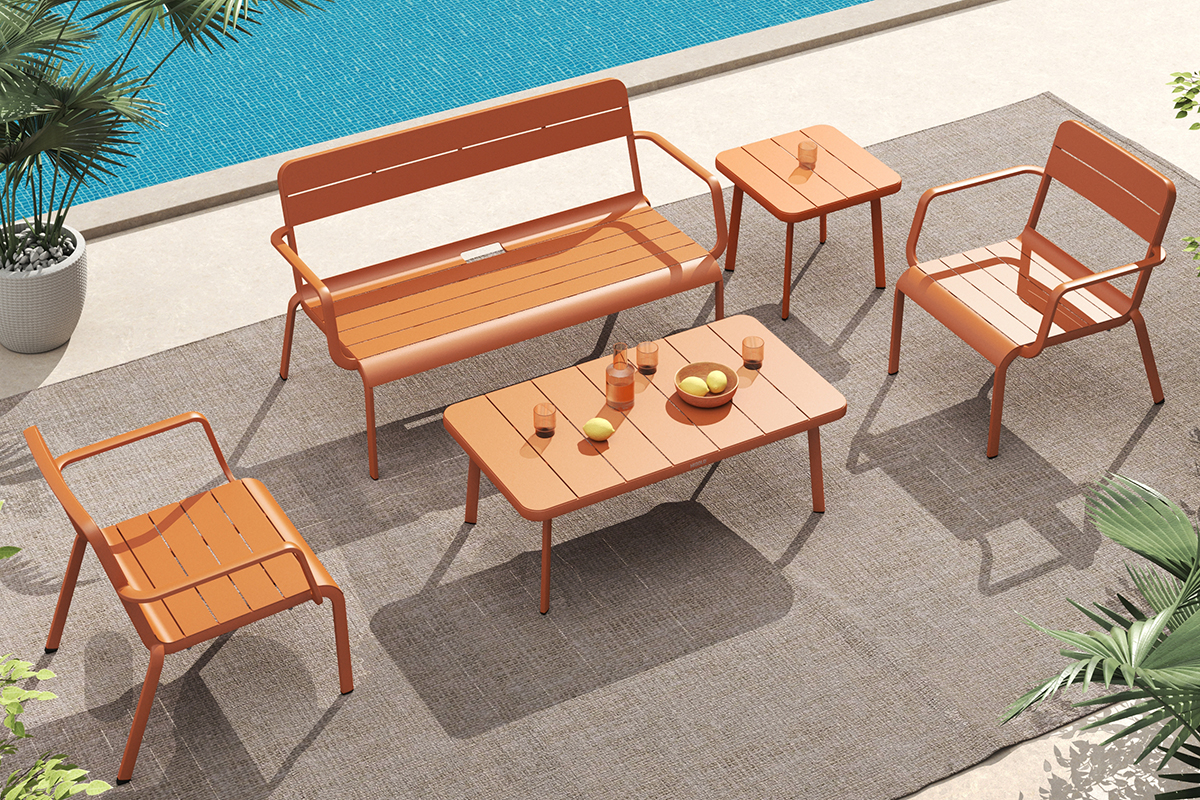
Per l’arredo da esterno, la priorità è il comfort: sedute ergonomiche, chaise longue o poltrone con imbottiture resistenti all’esterno invitano alla permanenza. Mobili modulari e soluzioni che integrino contenimento per cuscini e accessori riducono l’ingombro visivo e semplificano la manutenzione. Materiali caldi – legni trattati, tessuti dalle texture naturali, metalli dai toni opachi – contribuiscono a un tono visivo rilassante. Anche piccoli elementi come tavolini bassi, pedane in legno o cassapanche multifunzione aumentano la fruibilità senza appesantire.
Galleria immagini
Lighting plays a fundamental role in prolonging the refuge in the evening time: soft low-intensity lights, lanterns positioned at ground level and indirect light points among the vegetation create a relaxing atmosphere without excessive brightness. Preferring lights with warm color temperature and the possibility of adjustment helps to modulate the environment according to the time of the evening. Integrating low-consumption systems and rechargeable or solar sources reduces plant complexity and energy impact.
Acoustic control is often overlooked but essential for a shelter: dense hedges, plant sound-absorbing panels and damping pavements can muffle urban noise, while a small fountain or water sound device introduces a natural background that promotes relaxation. The arrangement of the elements must also take into account the view: seats facing focal points such as a tree, a flower bed or a water element encourage contemplation.
Practical and maintenance aspects should not be underestimated: choosing weather-resistant materials, water-repellent fabrics and containers with drainage systems helps to maintain order and durability, while a seasonal intervention plan simplifies care operations.
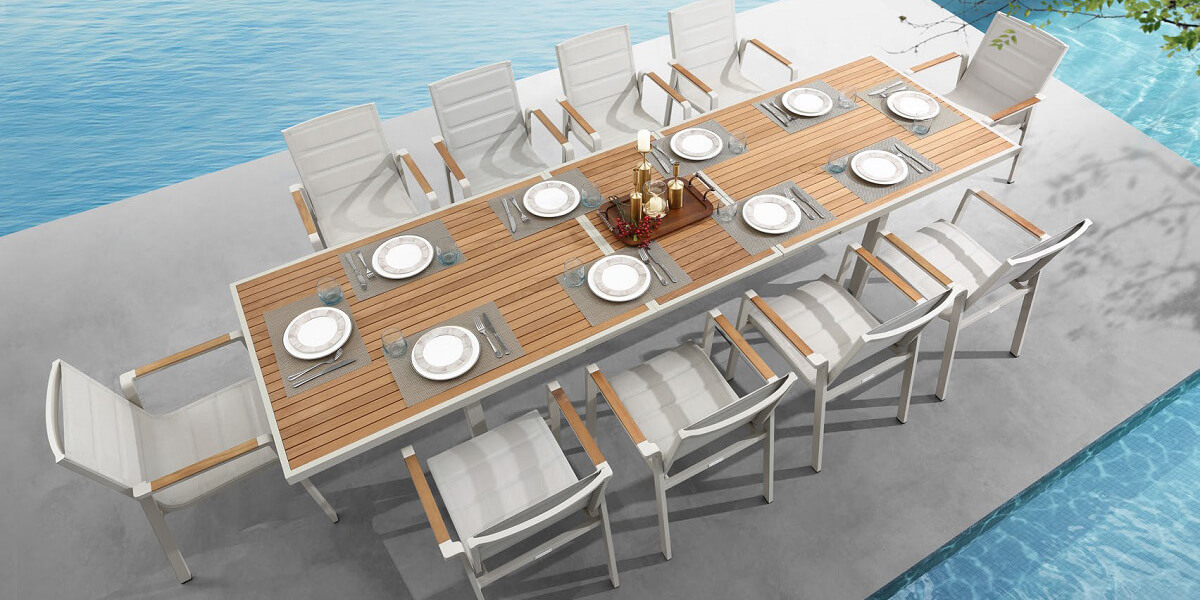
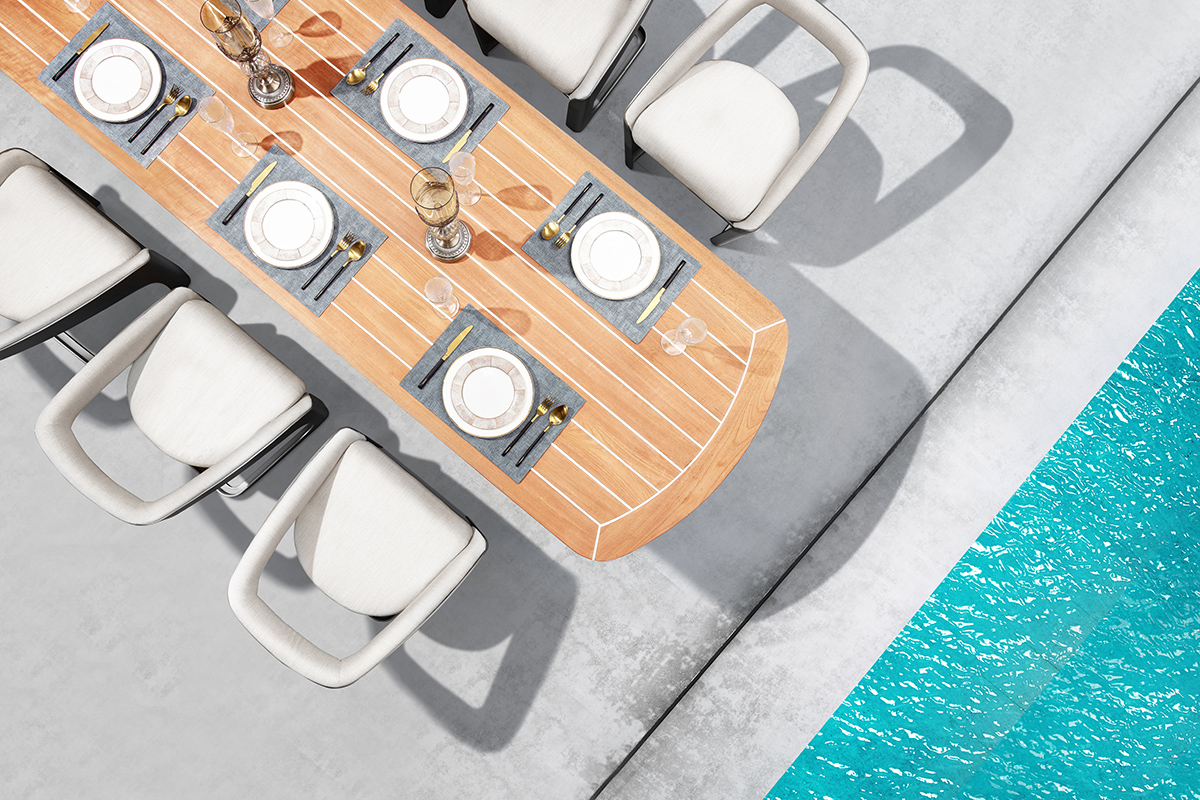
In the context of outdoor design, brands such as Higold Milano offer outdoor furniture collectionsthat can represent an interesting point of reference for evaluating finishes, modularity and design configurations dedicated to open-air spaces. The attention to the combination of materials, comfort and aesthetic continuity allows us to observe useful solutions for interpreting terraces, gardens and outdoor lounge areas in a contemporary way.
Creating a garden as a refuge means thinking about the continuity between inside and outside: materials and palettes consistent with domestic spaces promote a harmonious transition and increase the perception of well-being.