Responsible design: durability, maintenance and sustainability in the outdoors
How to choose outdoor furniture designed to last over time and reduce environmental impact
Pubblicato il:
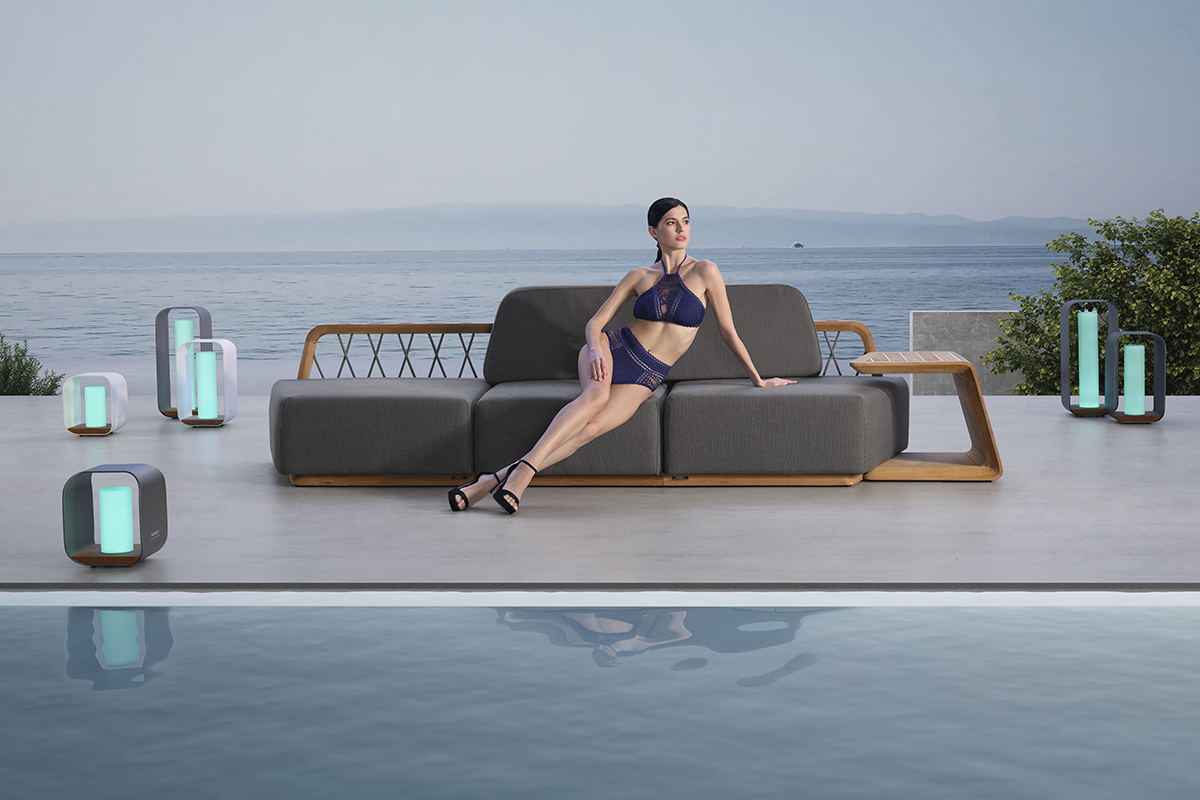
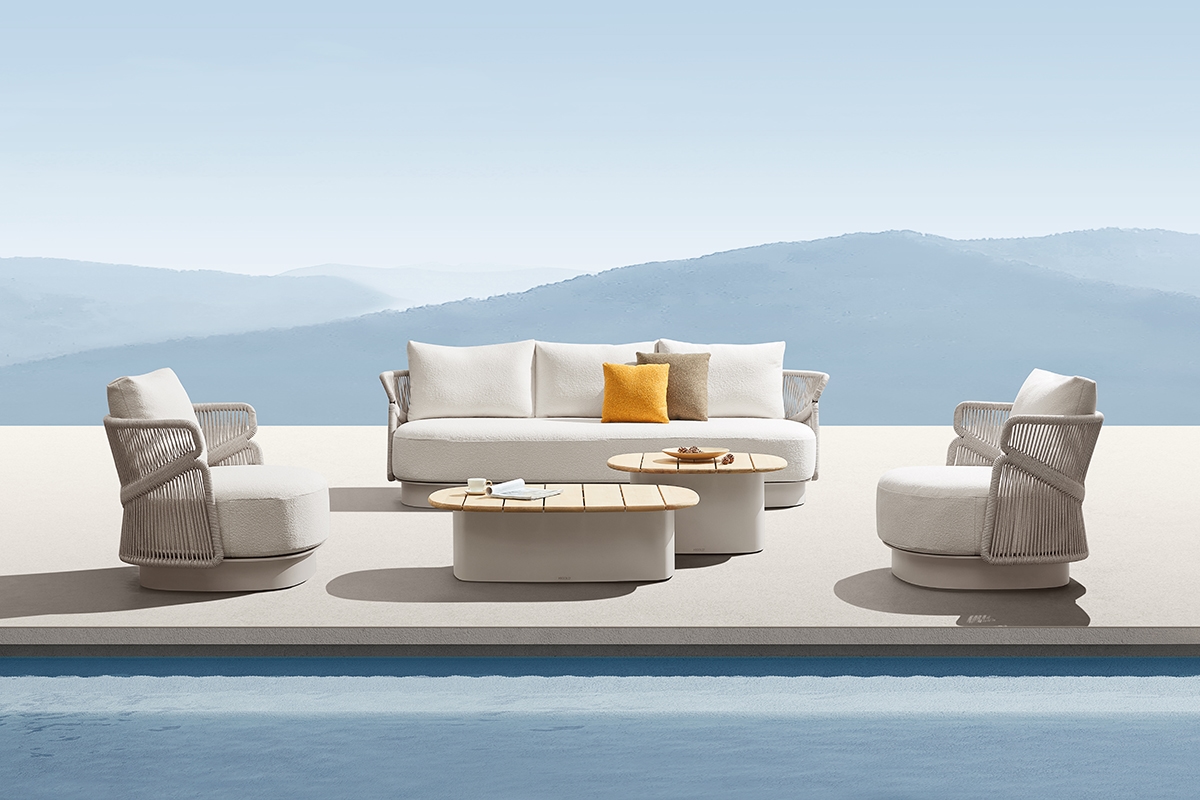
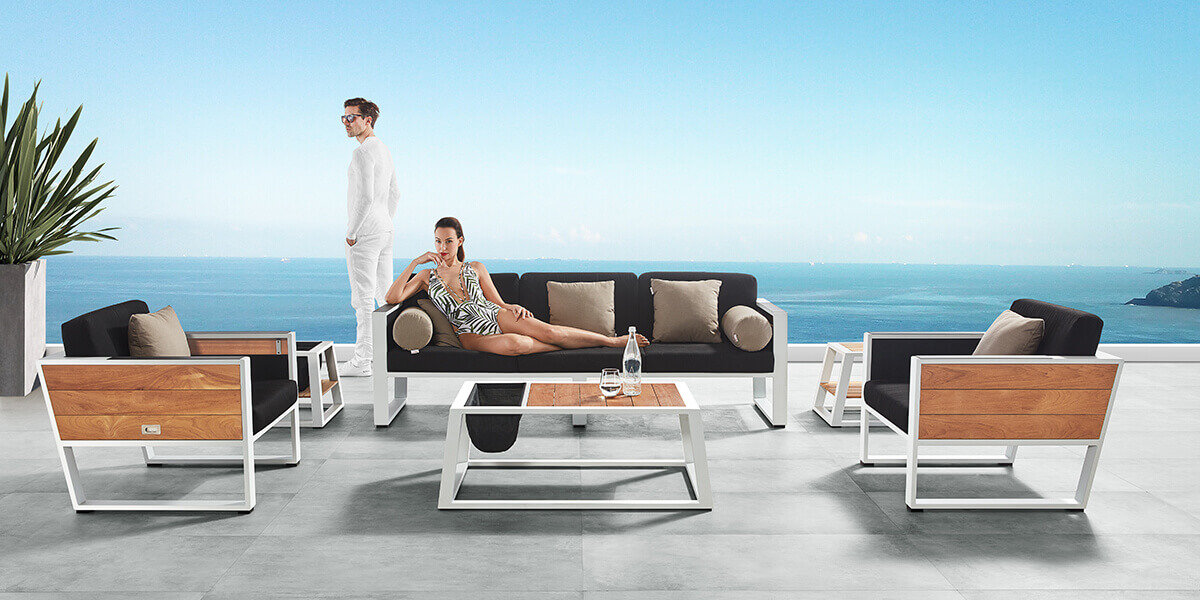
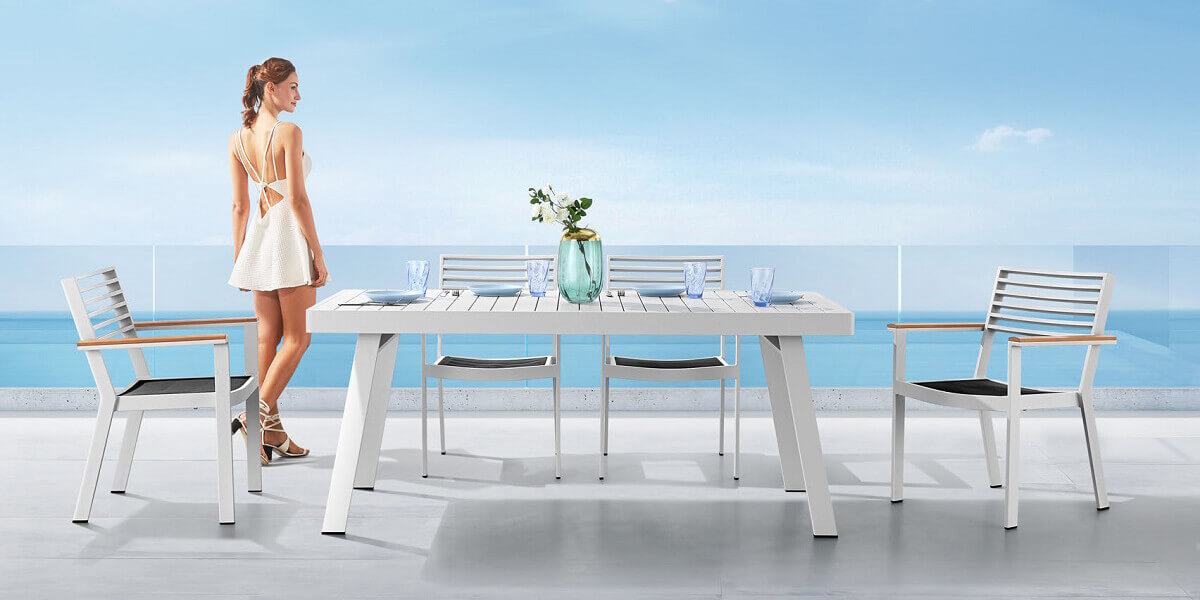
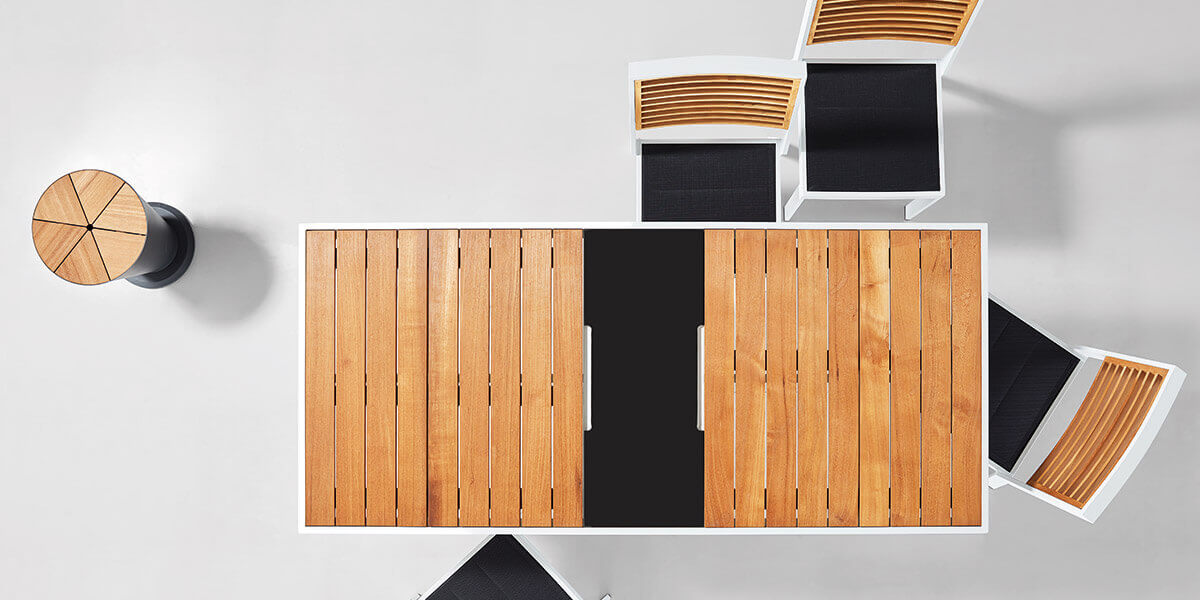
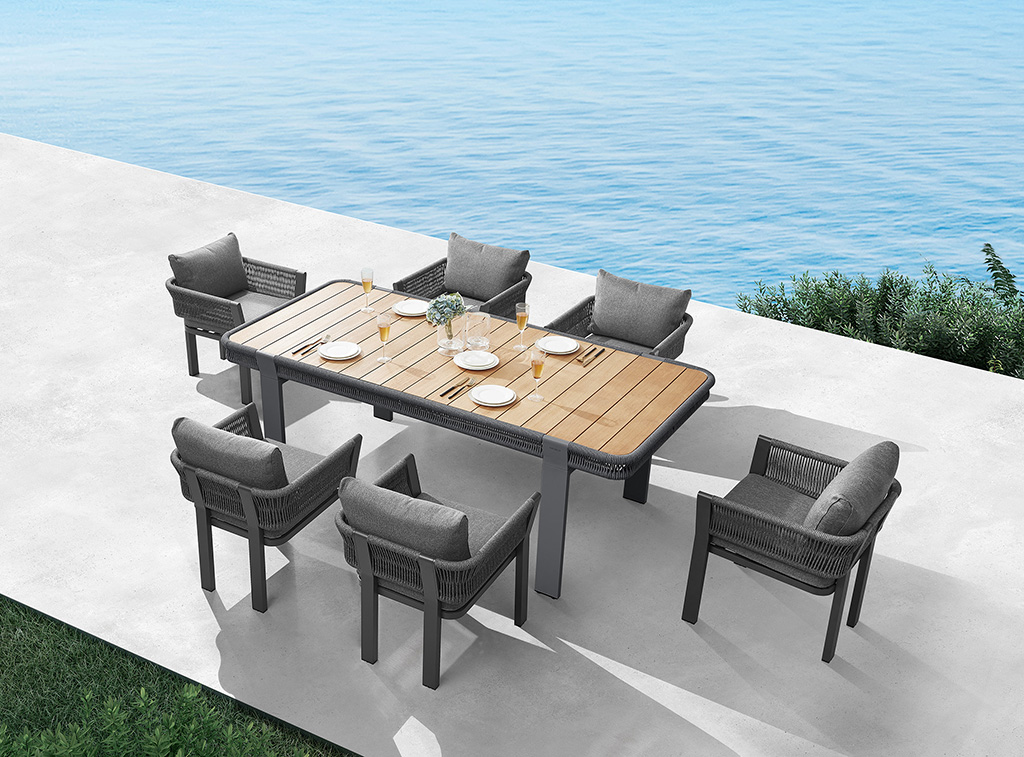
In recent years, the theme of sustainability has also strongly entered the world of outdoor furniture. Designing and choosing outdoor furniture today means not only evaluating aesthetics or functionality, but also considering aspects such as durability, maintenance and environmental impact. The concept of sustainable design extends to outdoor spaces, where materials and design solutions have to cope with variable climatic conditions and often intense use. In this context, contemporary outdoor design is increasingly focusing on products designed to last over time. Investing in quality outdoor furniture means reducing the need for frequent replacements and, as a result, limiting the consumption of resources. The durability of outdoor furniture therefore becomes one of the key elements of a responsible approach to design outdoor furniture. The choice of materials is one of the most important factors. In the design of modern garden furniture or terrace furniture, treated metals, certified woods or composite materials designed to withstand sun, rain and humidity are often used. These solutions allow the aesthetic and functional quality of garden furniture to be maintained over time, minimizing replacement interventions. In addition to durability, outdoor furniture maintenance also plays a fundamental role. Easy-to-clean materials and surfaces designed to withstand the elements help simplify the daily management of open spaces. In the context of outdoor living, this means being able to enjoy terraces and gardens with greater freedom, without constantly worrying about the conservation of the furniture.
Galleria immagini
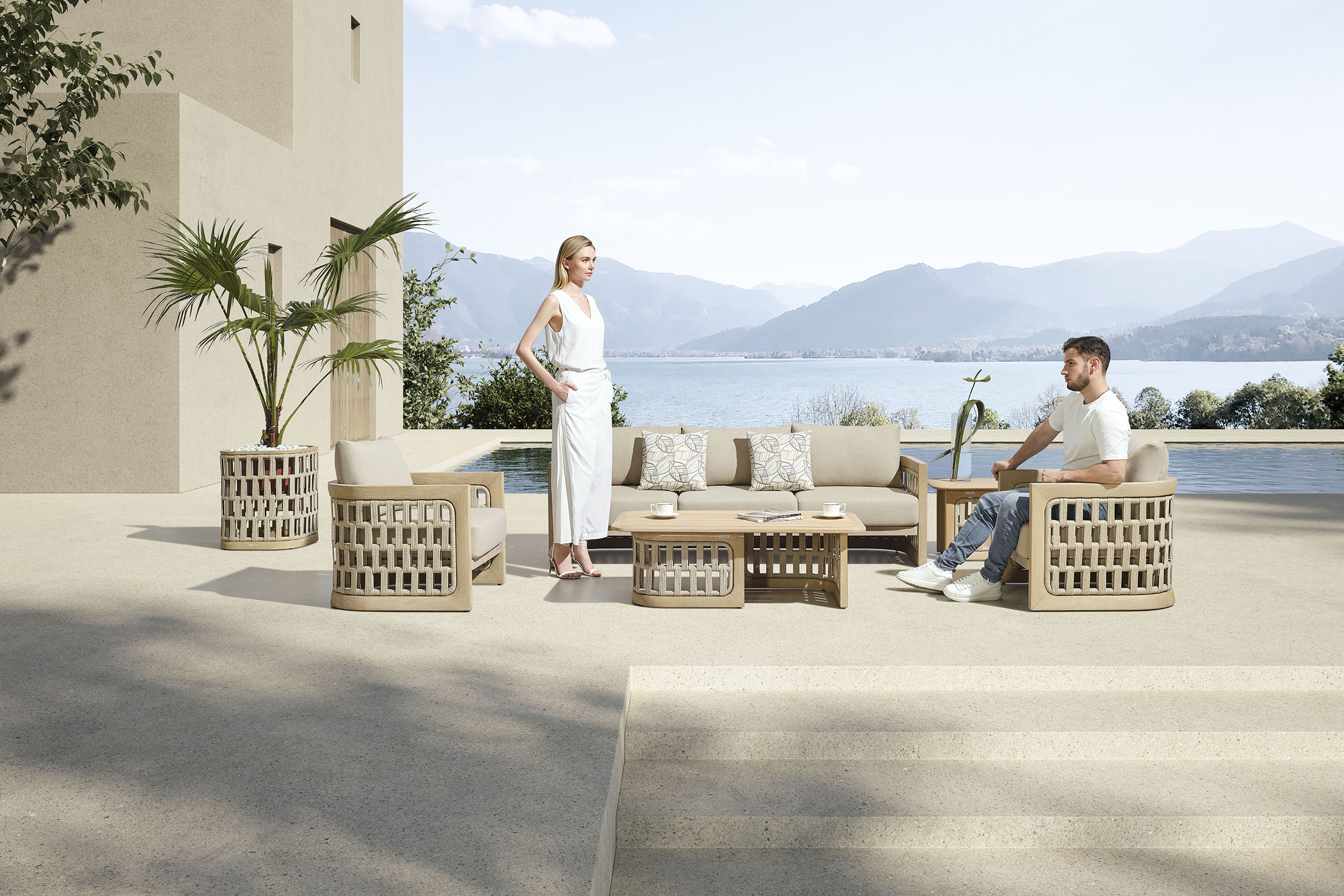
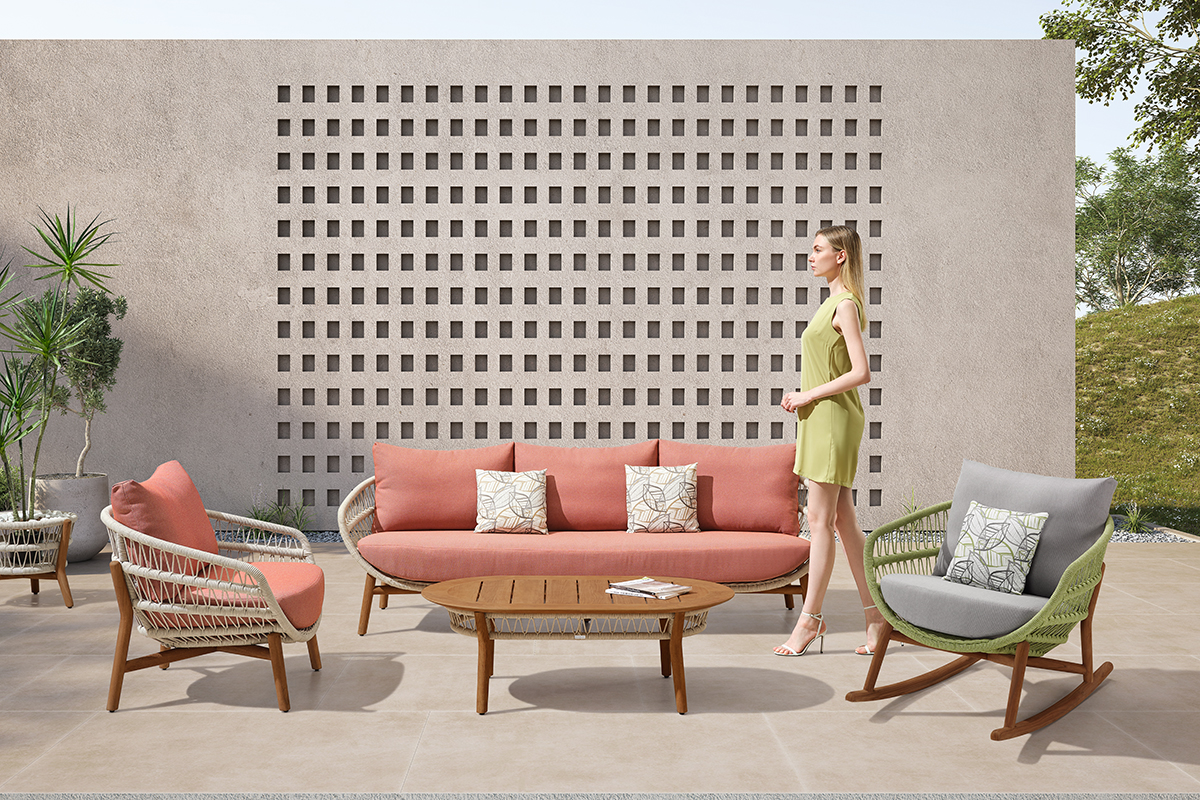
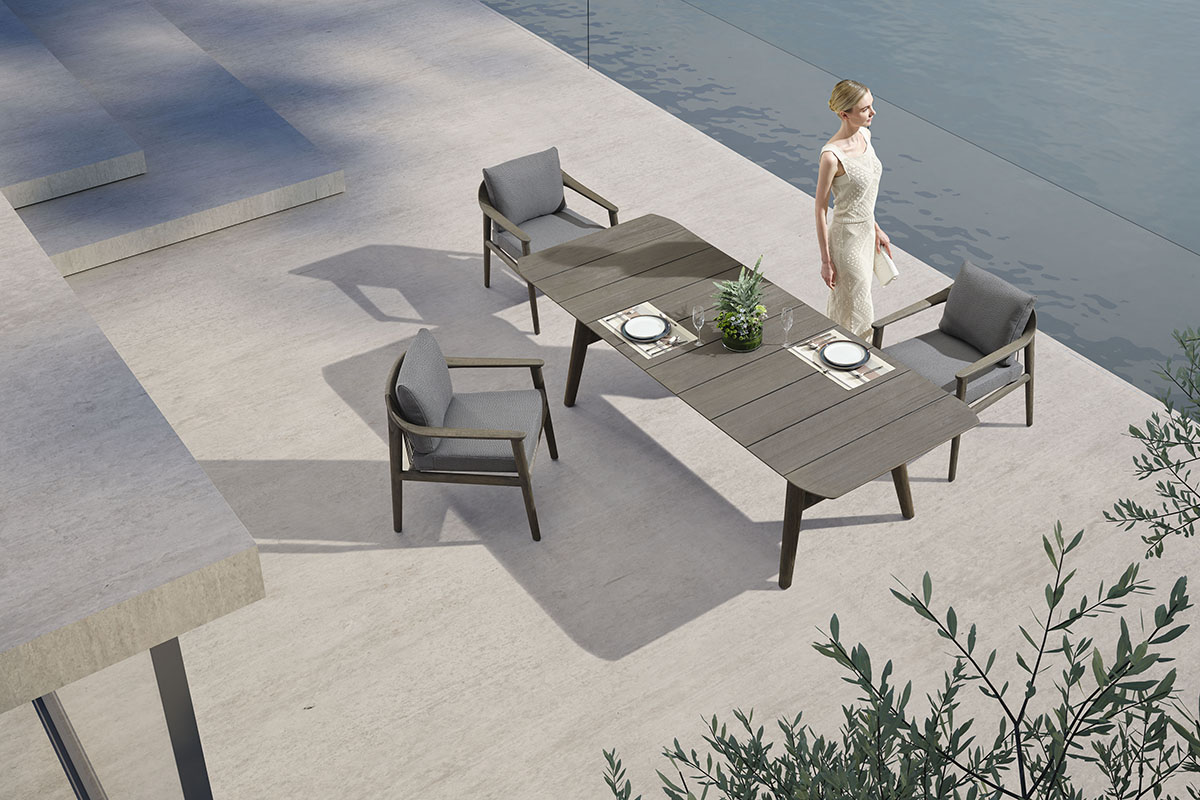
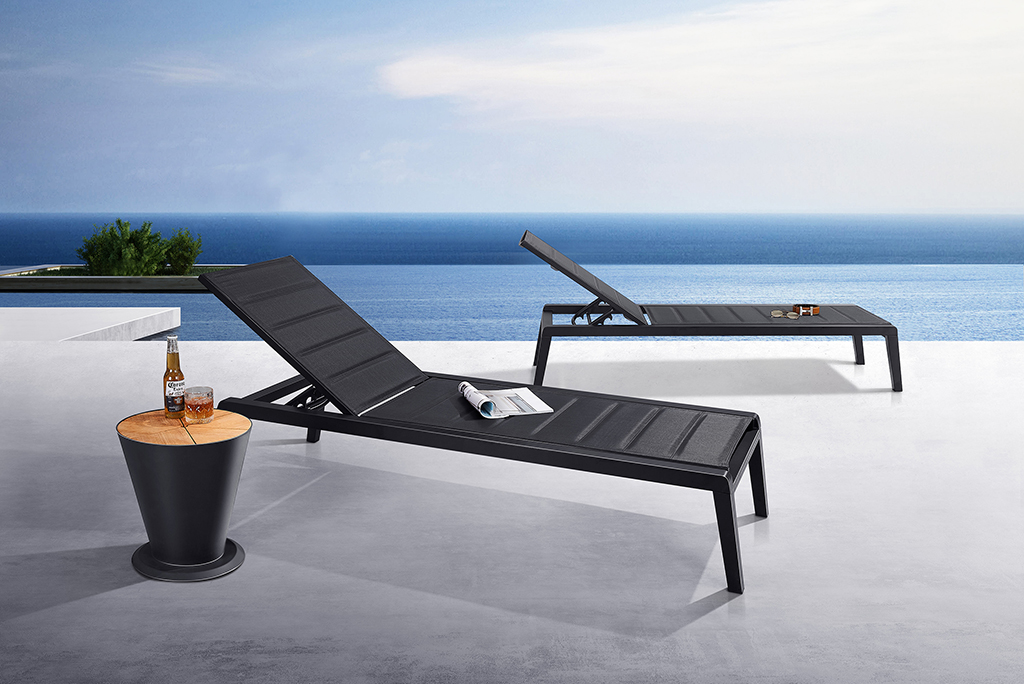
A responsible approach to contemporary terrazzo furniture also implies a broader vision of the project. The elements of outdoor design furniture should not be thought of as isolated objects, but as part of a system that dialogues with nature and landscape architecture. In this way, the furnishings help to create balanced environments, where aesthetics and sustainability are integrated. Even in the panorama of outdoor furniture, research on quality and durability is taking on an increasingly central role. Higold Milano’s outdoor furniture collections fit into this context through collections that focus on resistant materials and on a design that is attentive to the daily use of outdoor spaces. Tavoli, sedute e sistemi modulari sono progettati per adattarsi a diversi contesti, dal giardino moderno alle terrazze urbane, mantenendo nel tempo caratteristiche di solidità e funzionalità. In questo modo il progetto dell’arredo outdoor non si limita all’estetica, ma considera anche la relazione tra oggetto, ambiente e ciclo di vita del prodotto. Looking to the future, the theme of outdoor sustainability will be increasingly central to outdoor design. The combination of sustainable materials, construction quality and attention to maintenance represents a concrete way to make outdoor environments more durable and responsible. Designing with awareness means creating spaces that are beautiful to live in today, but also capable of maintaining their value over time, reducing the impact on the environment and promoting a more attentive and sustainable design culture.