Summer outdoors: creating spaces where you can live every moment
Practical guidelines for transforming terraces, balconies and gardens into functional, comfortable and long-lasting outdoor environments for the summer season
Pubblicato il:
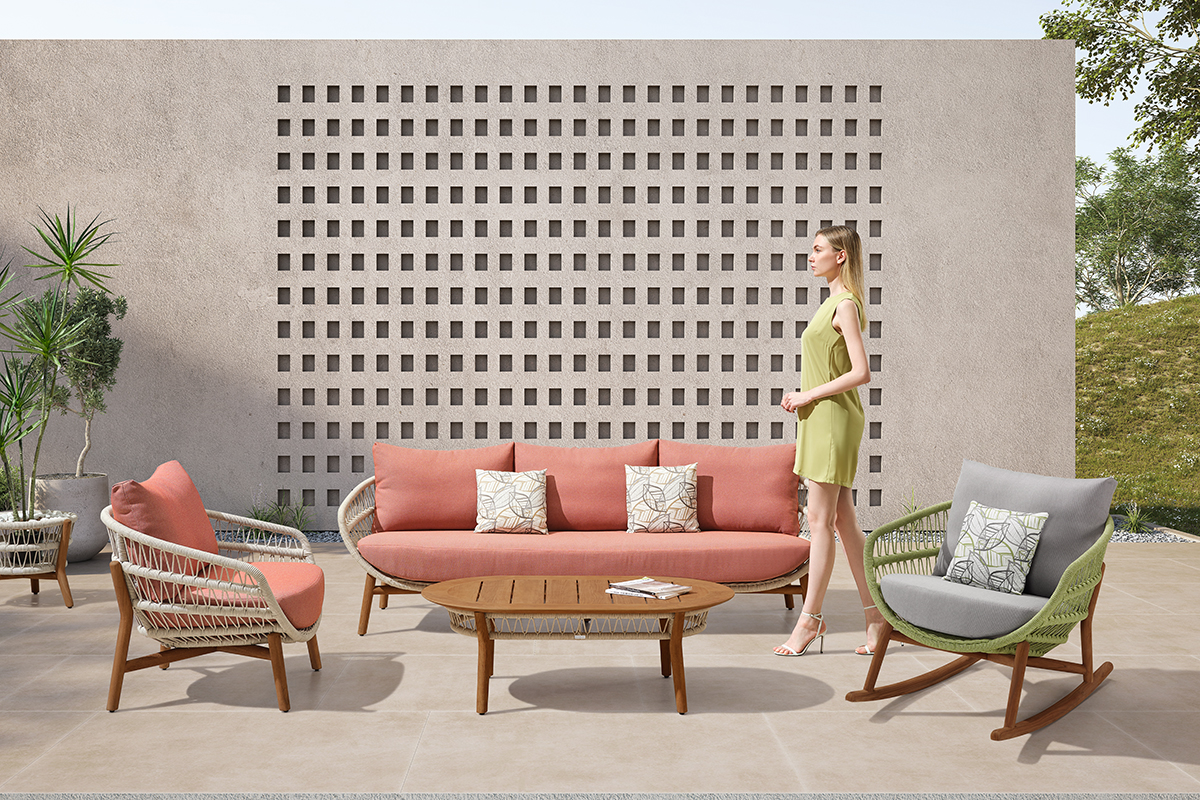
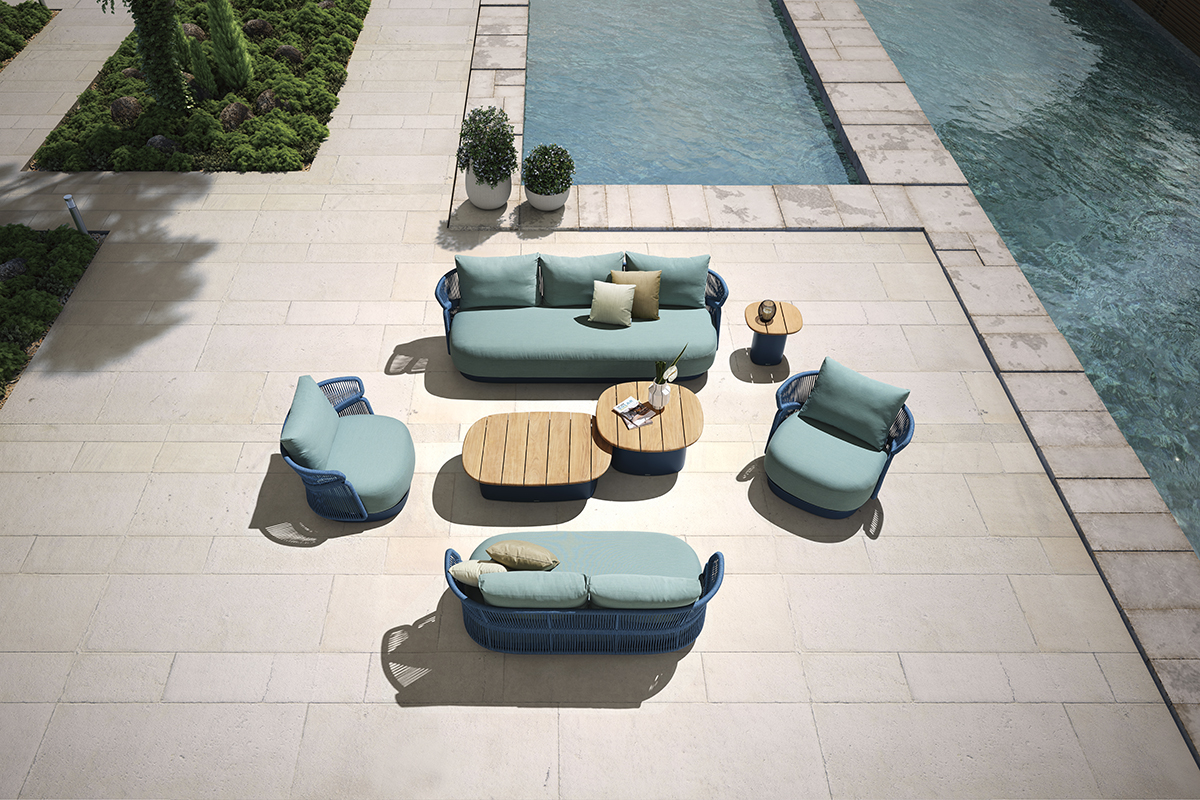
Designing the outdoors as an extension of the home comes from the conscious choice of the activities that will take place outdoors: lunches, moments of relaxation, opportunities for light work or convivial evenings. Defining these functions helps to choose the scale of the furnishings and the circulation routes, avoiding clutter and optimizing usability.
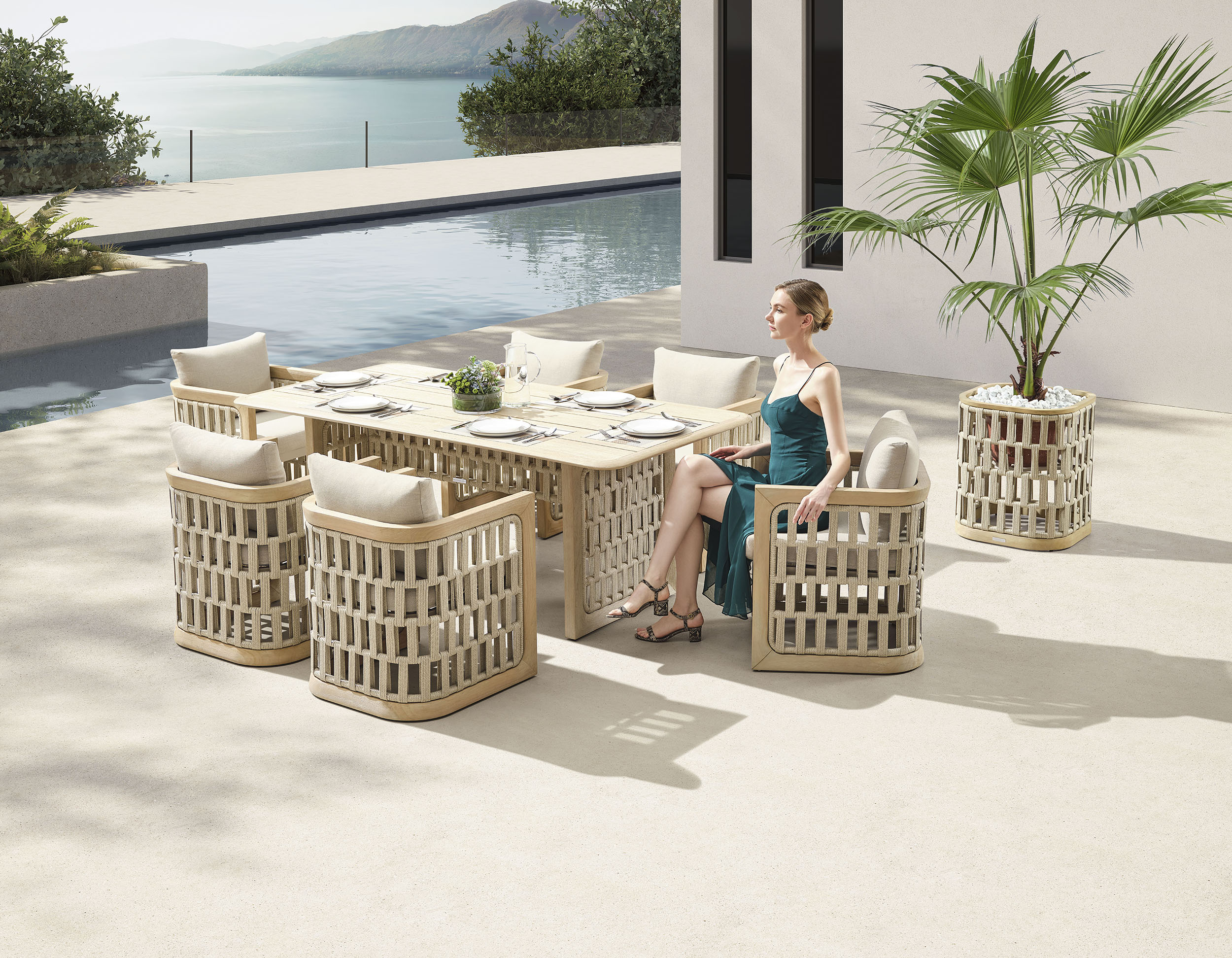
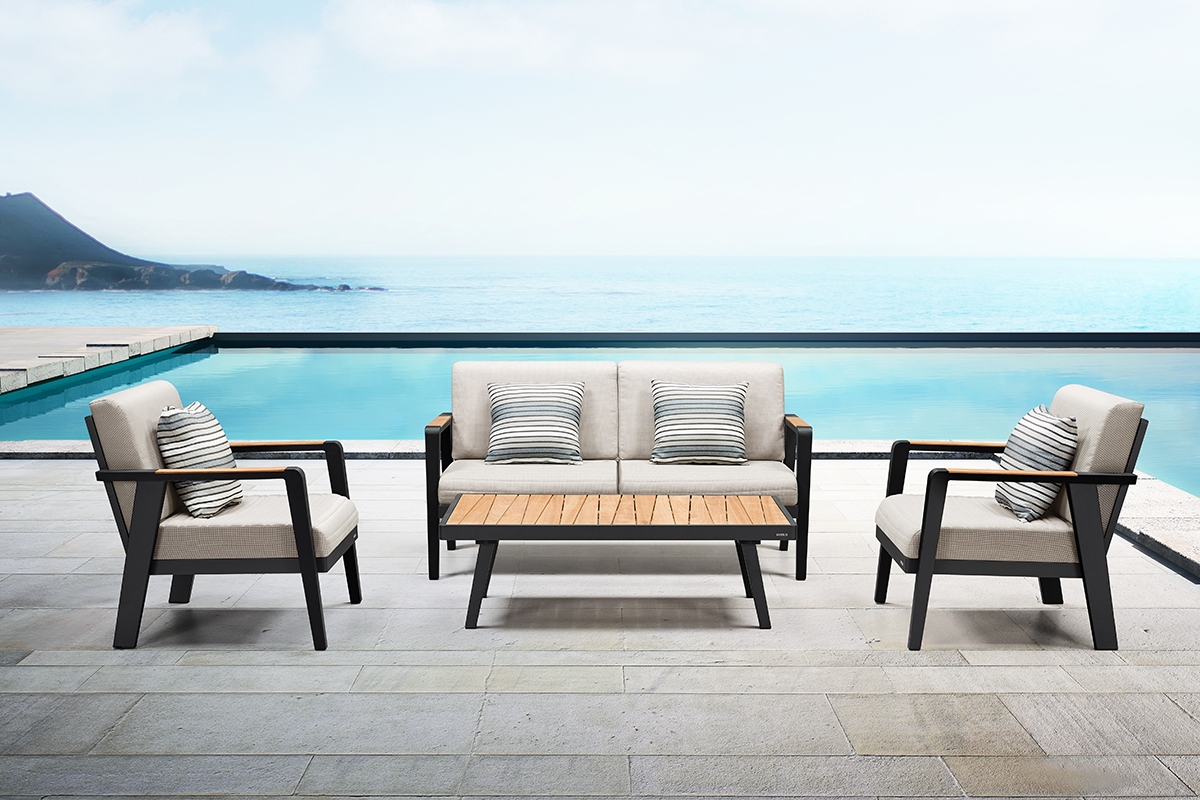
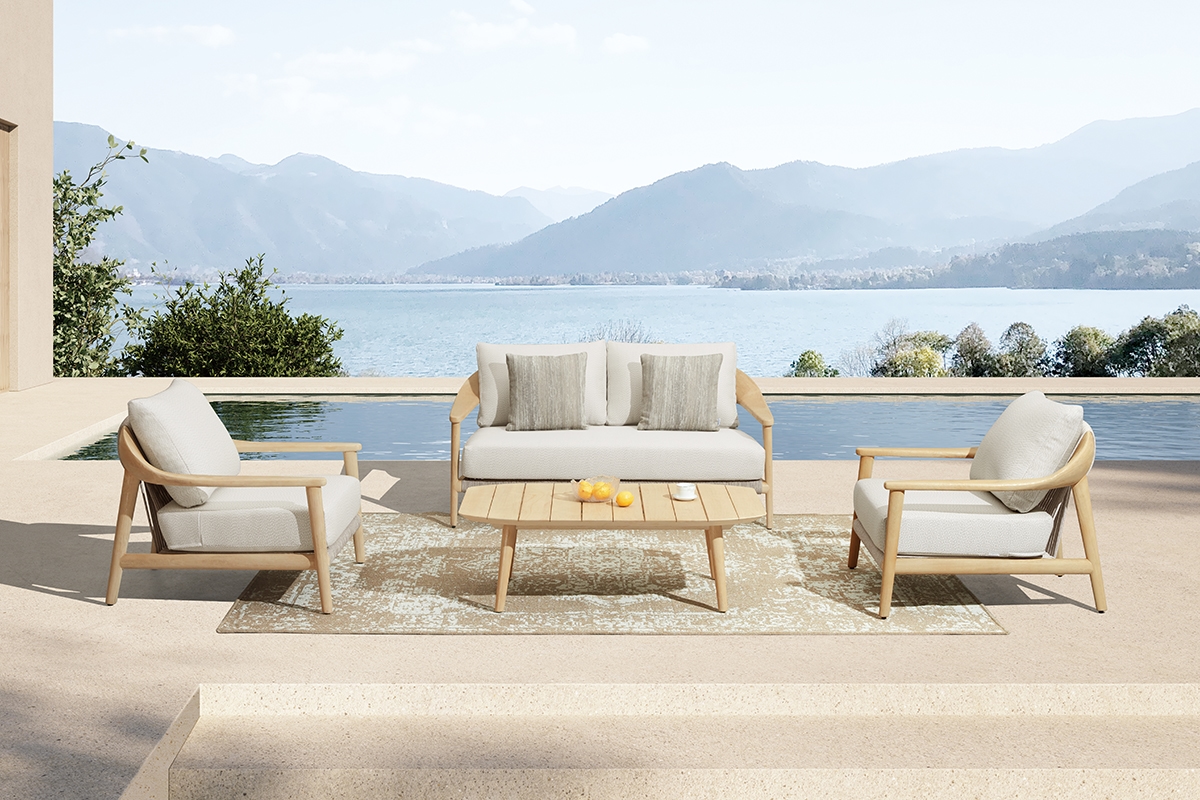
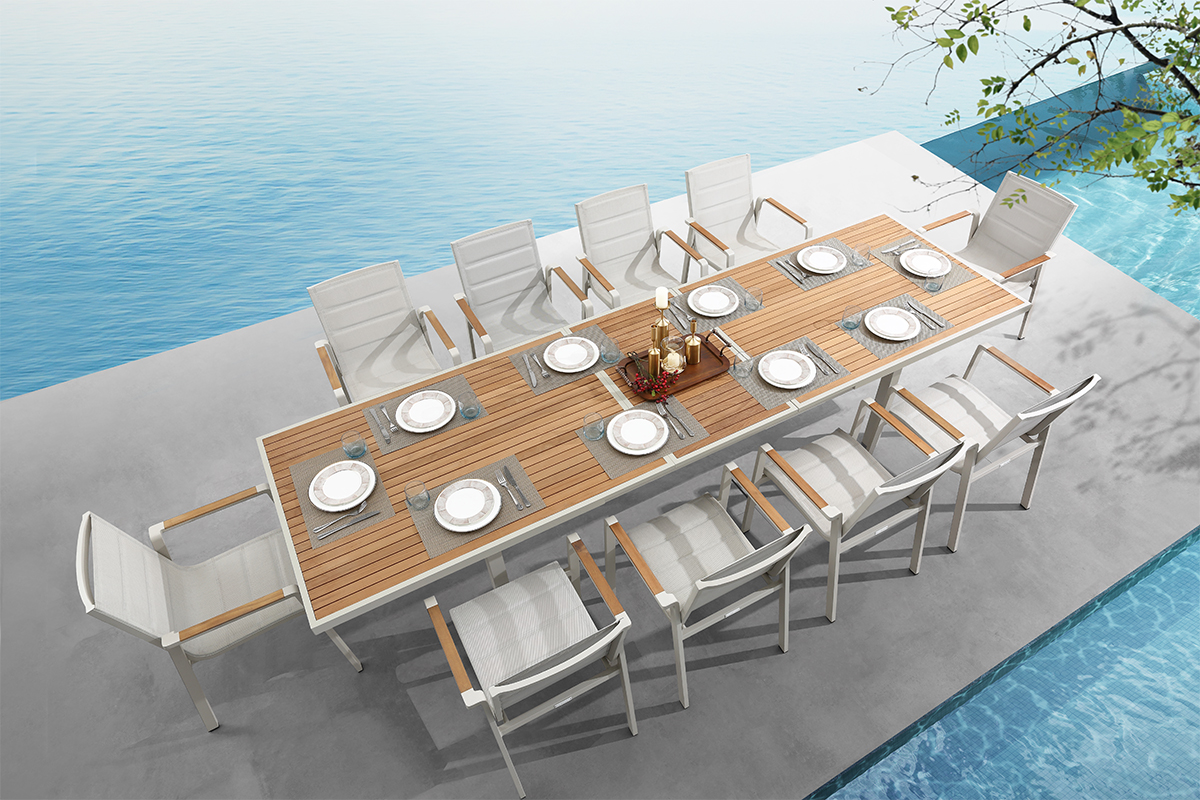
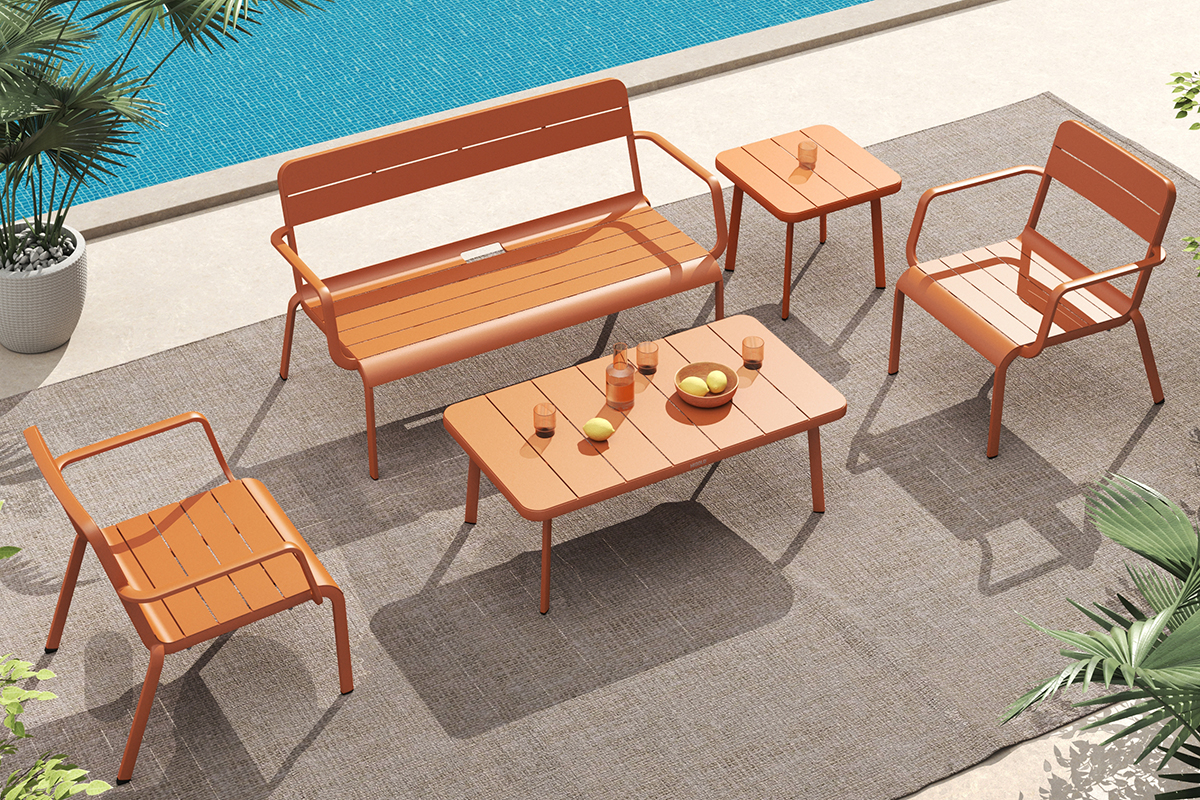
When selecting materials, it is preferable to focus on solutions designed for outdoor use: painted or anodized metals, treated woods, low-maintenance composites and water-repellent fabrics resistant to fading maintain aesthetics and functionality over time without requiring continuous interventions. Organizing the space in micro-zones simplifies daily use even in small areas; Placing a dining area with a table proportionate to the size of the terrace, a lounge area for relaxation and a green corner for plants and screens creates a clear and immediate reading of the space. Light separations – outdoor rugs, minimal screens or tall pots – allow you to define the areas without weighing down the composition. Lighting is one of the most effective elements for transforming an outdoor environment: combining lights for path safety with functional light points above the table and mood lights for plants or architectural details creates versatile evening scenarios. Preferring appliances with an adequate degree of protection and low-consumption sources improves the management and sustainability of the system.
Galleria immagini
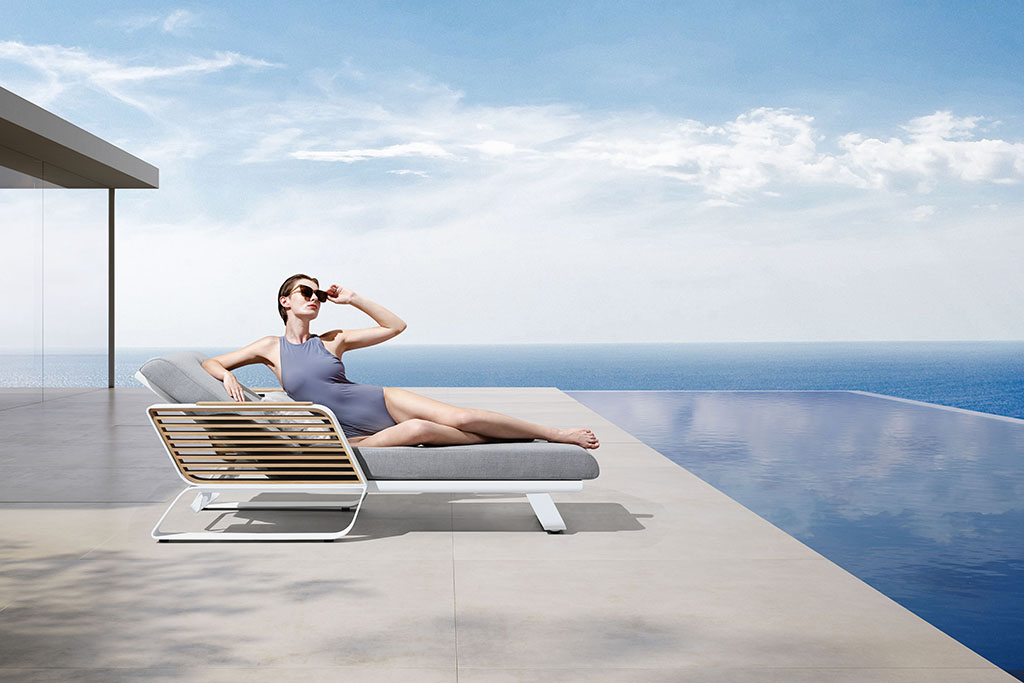
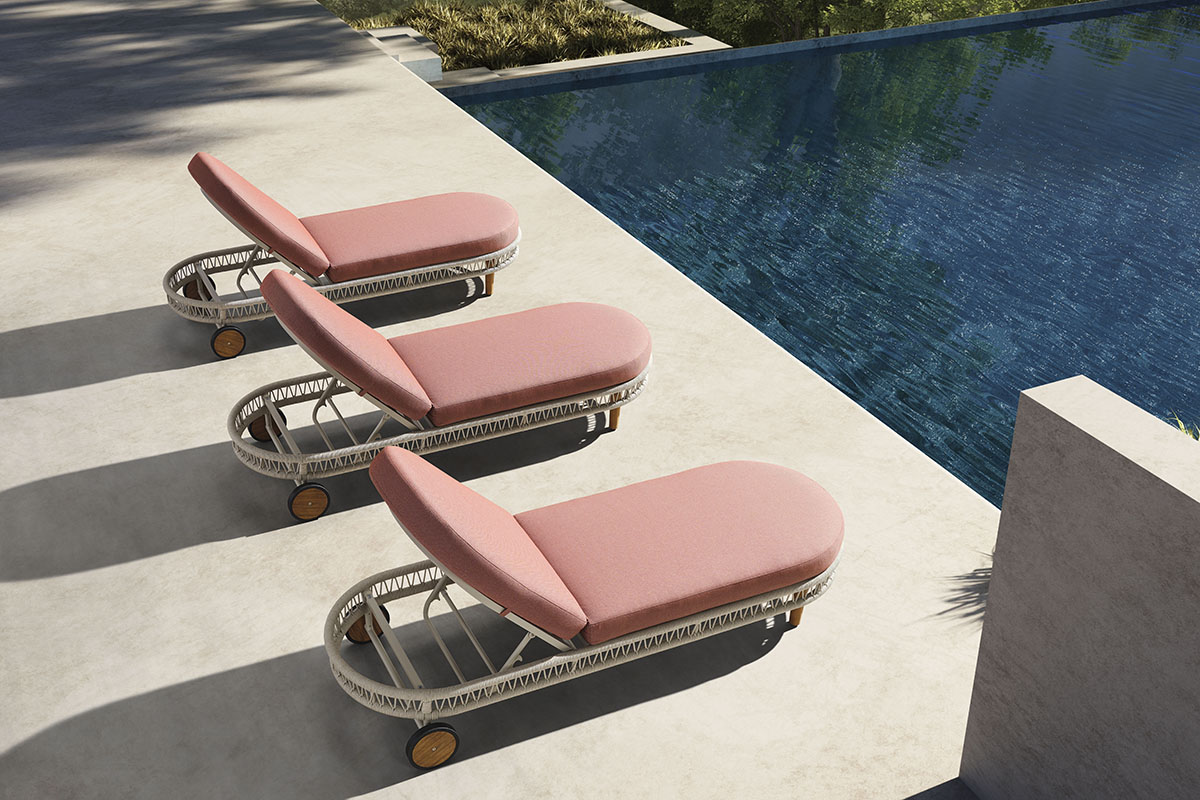
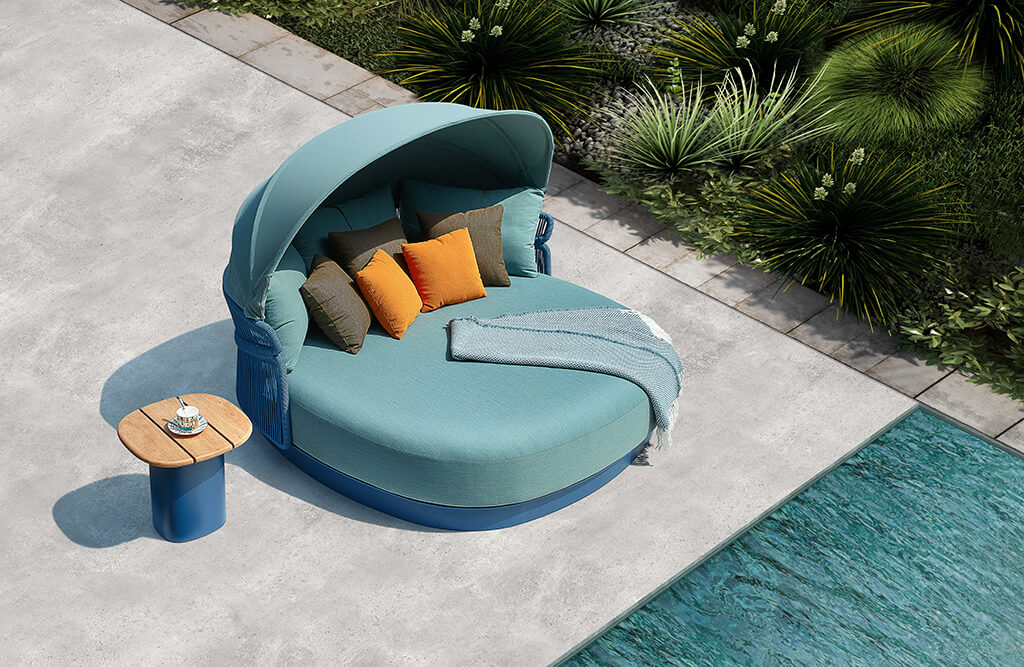
To make the outdoors usable during the hottest hours, it is essential to provide shade solutions – umbrellas, sails, light pergolas or technical tents – and to take advantage of the vegetation to lower the perceived temperature; Choosing seats and tops that do not accumulate heat increases comfort on summer days. Wind and precipitation management must also be considered: furnishings with secure fixings, protective covers for textiles and integrated storage spaces reduce damage and facilitate maintenance.
Practical details matter a lot: waterproof cushions, carpets suitable for outdoor use, storage containers for accessories and modular solutions that adapt to different configurations make the space more livable day after day. Choosing native plants reduces water needs and care interventions, while recyclable and long-lasting materials lower the overall environmental impact. Integrating elements that facilitate maintenance – draining flooring, easy-to-clean cladding, accessible joints – helps to maintain aesthetics and functionality without excessive effort.
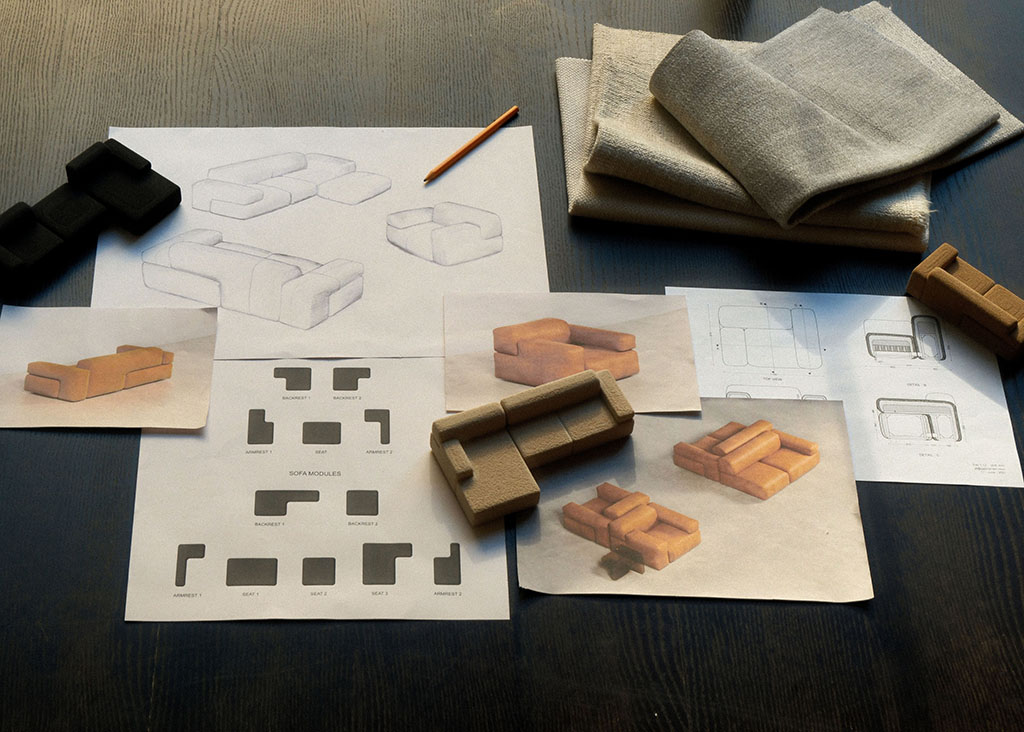
In the panorama of outdoor design, companies such as Higold Milano offer collections designed for outdoor use that can serve as a reference for choices of finish, modularity and assembly useful for defining coherent and functional configurations of outdoor spaces, where aesthetics and technical performance are integrated to meet the needs of comfort, durability and compositional flexibility.
Setting up a simple seasonal maintenance plan – oxidation checks, fabric cleaning and fixings check – prolongs the life of the furniture and ensures that spaces remain pleasant and safe throughout the summer.