Outdoor & Architecture: when outdoor furniture speaks the same language as the home
How to create continuity between indoors and outdoors with designer furniture
Pubblicato il:
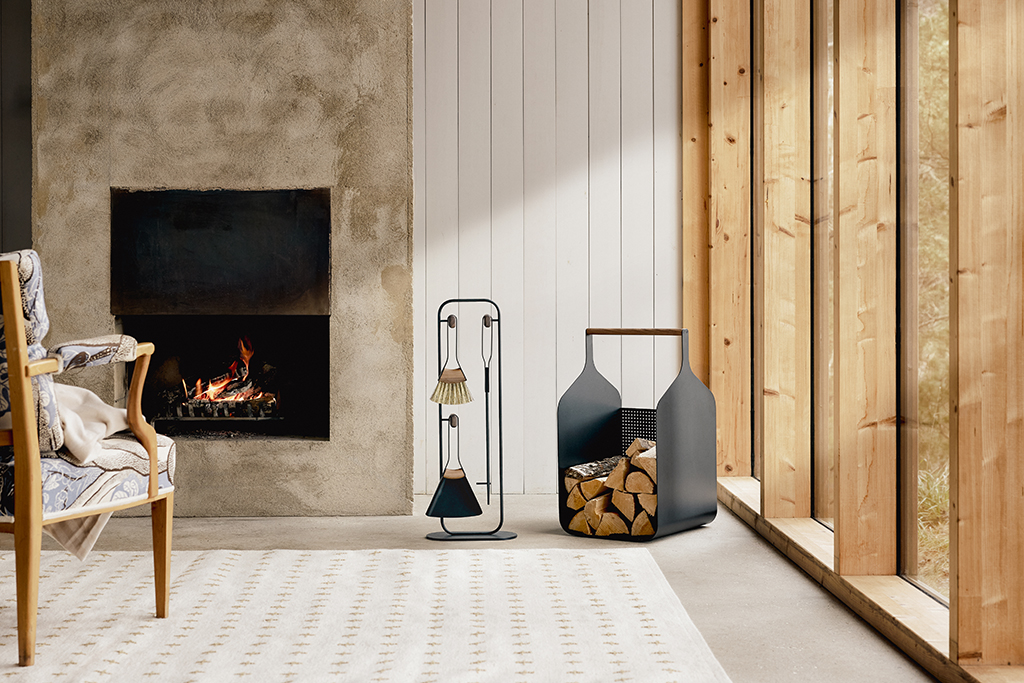
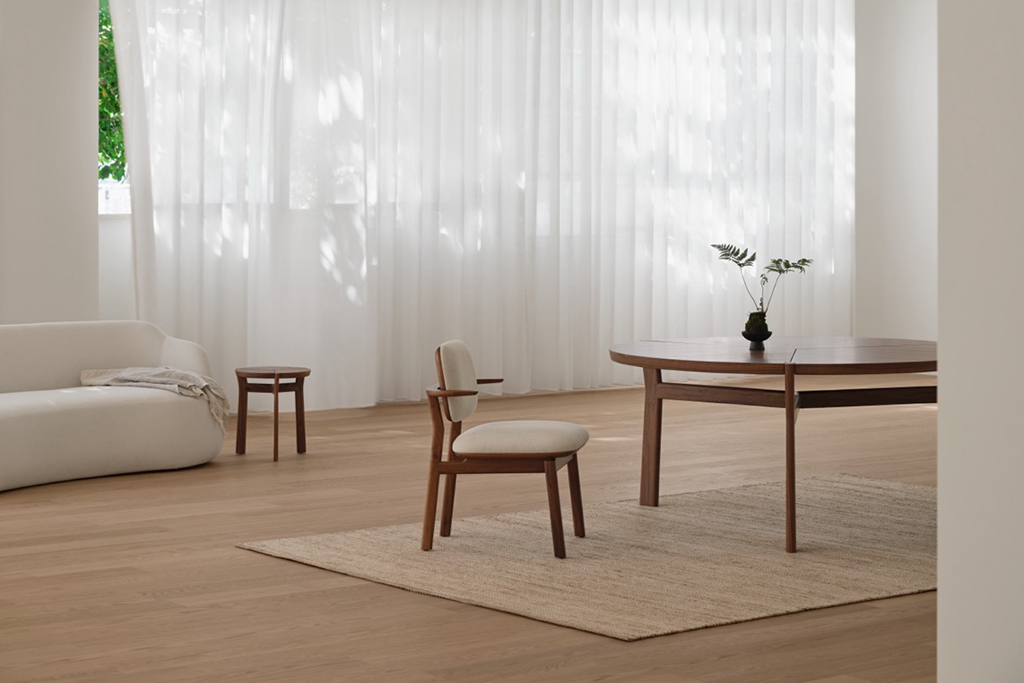
In recent years , outdoor living has become an integral part of architectural design. It is no longer just a question of furnishing terraces and gardens as accessory spaces, but of integrating them into a language that is consistent with the architecture and style of the interiors. In this perspective, outdoor furniture is not a simple accessory, but an element that tells the story of the house itself, amplifying its lines and personality.
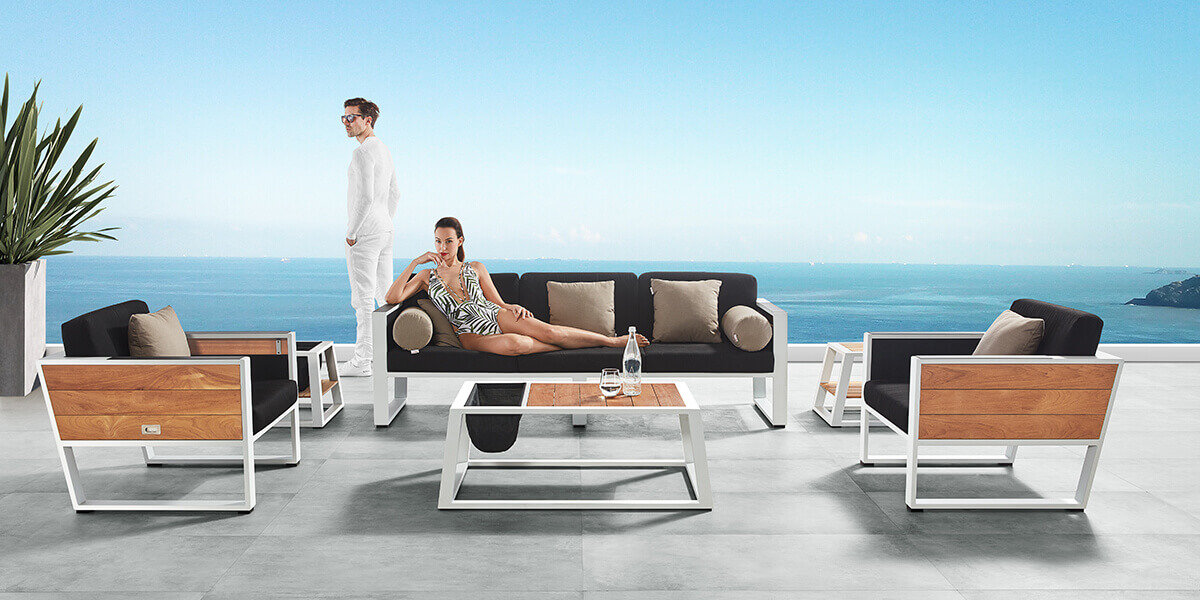
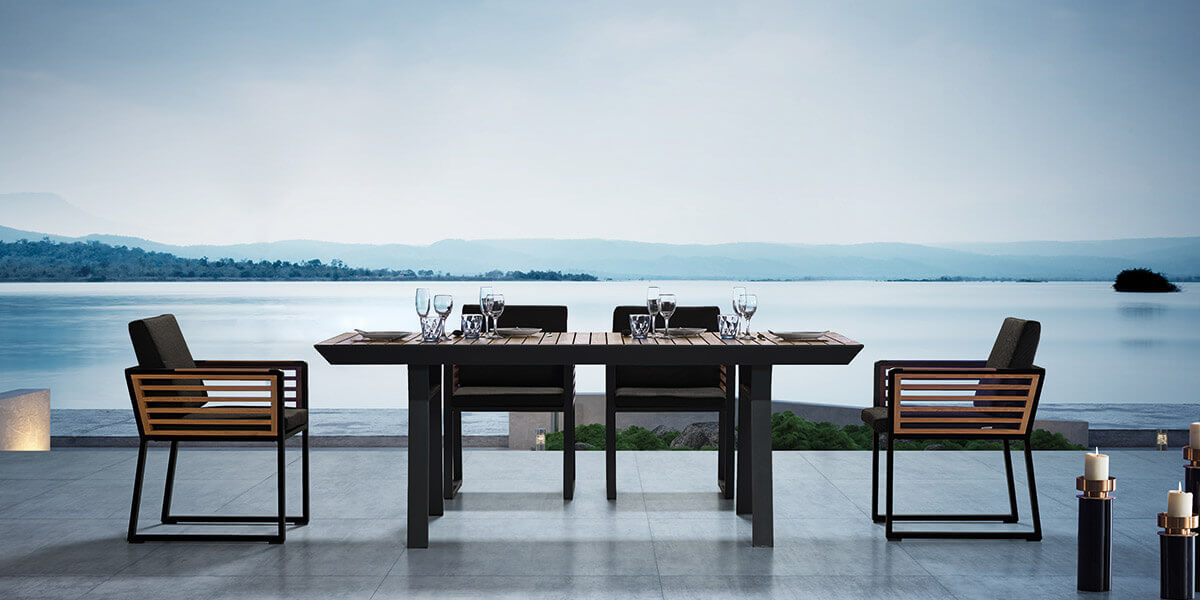
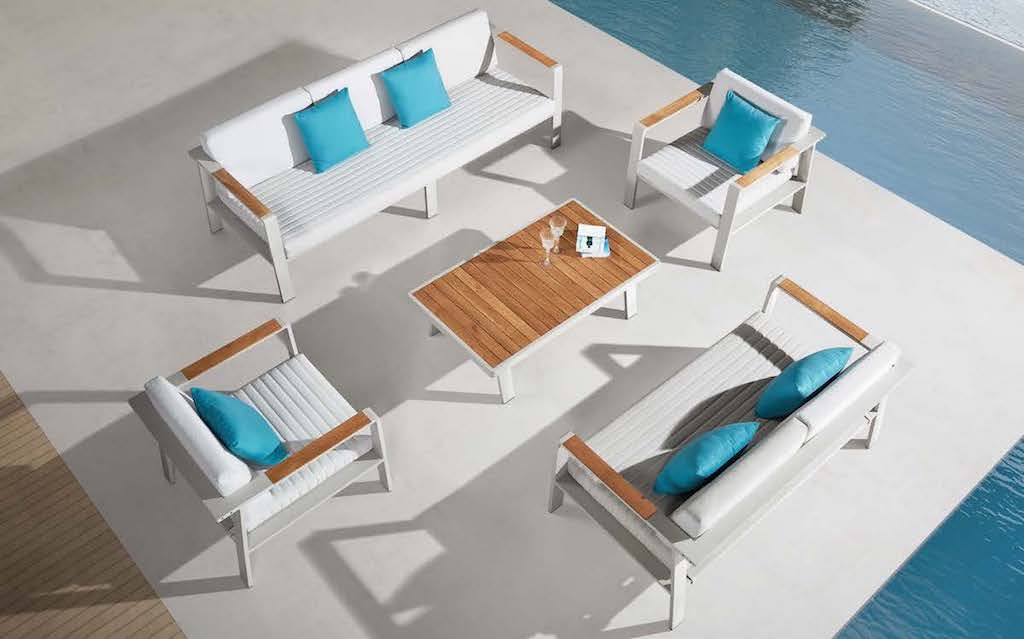
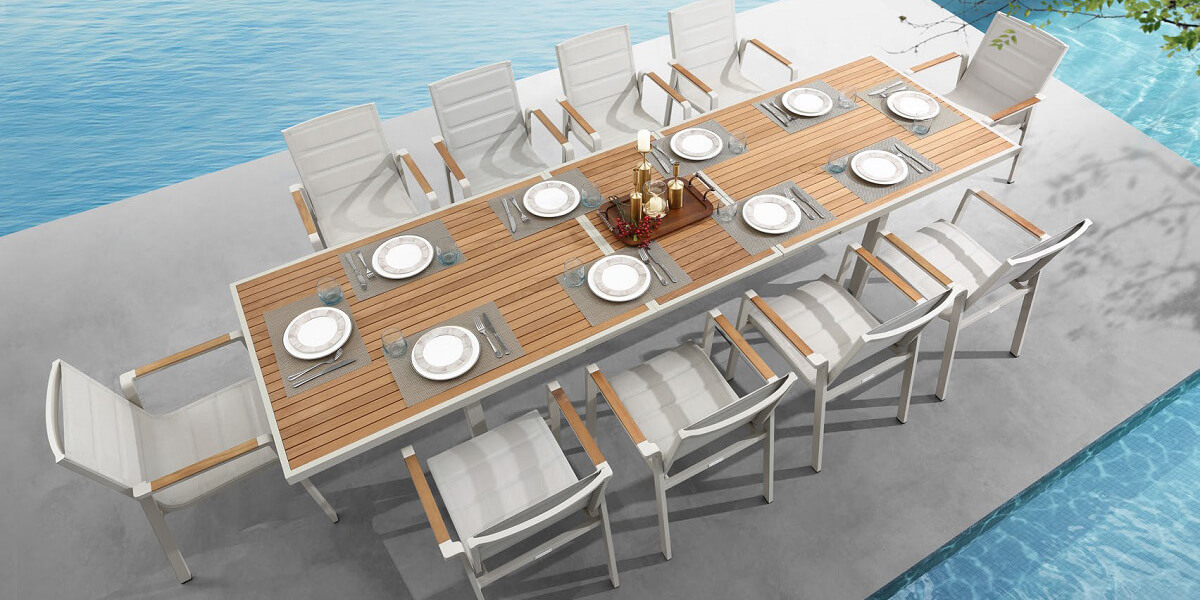
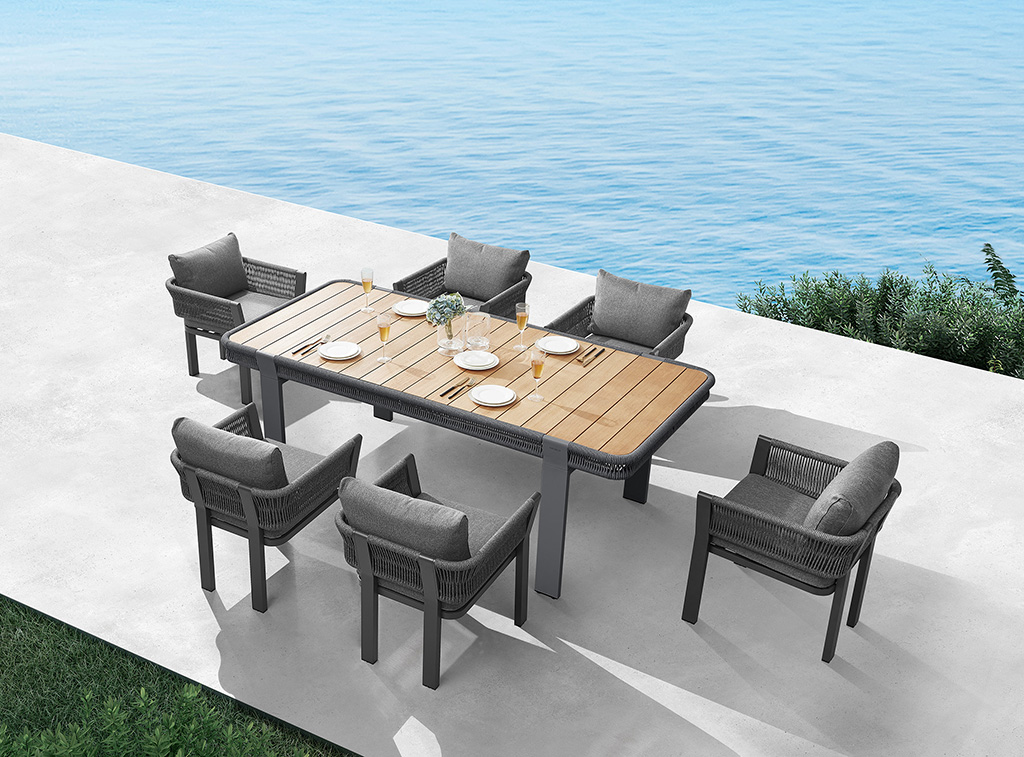
To achieve this continuity, it is necessary to start with the choice of materials. Stone, wood and metal are often used in living spaces and reproducing them outdoors allows you to create a harmonious dialogue. Higold Milano’s outdoor furniture responds precisely to this need, thanks to collections that combine aluminum, teak and technical fabrics, interpreted with a minimal and contemporary design. The result is a coherent whole in which the transition from inside to outside becomes fluid and natural.
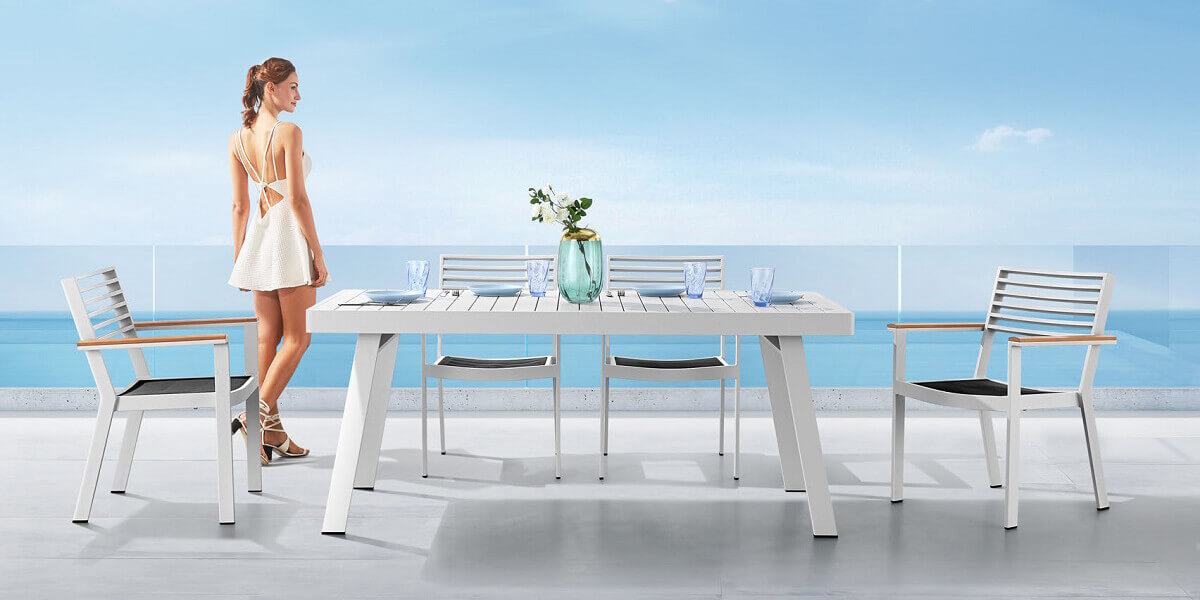
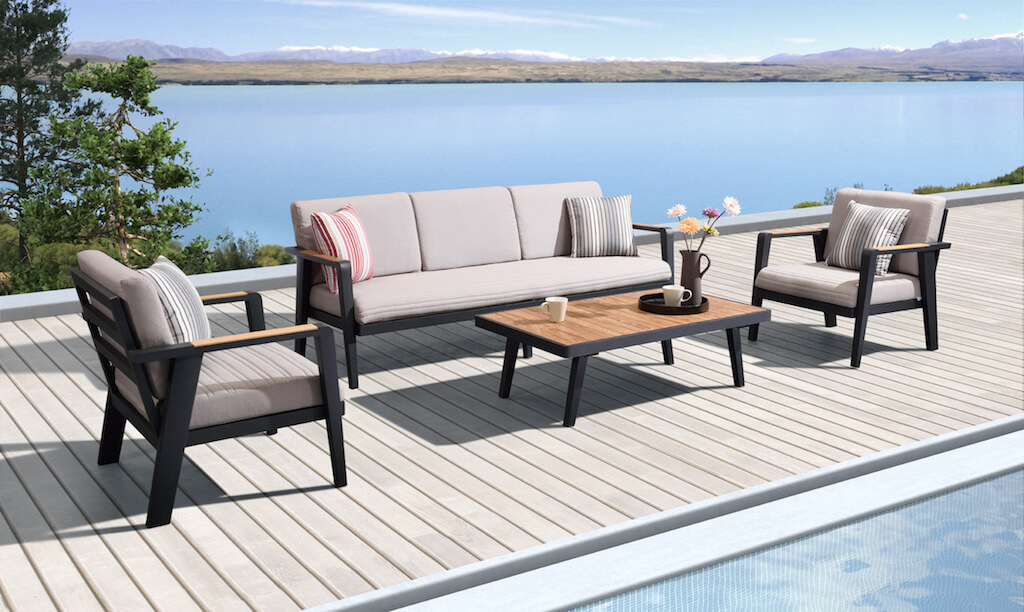
A concrete example is the use of modular outdoor sofas. The proportions, ergonomics and upholstery recall those of indoor living rooms, but with the addition of resistance to atmospheric agents. Similarly, garden tables with essential lines connect to indoor dining rooms, maintaining stylistic consistency and aesthetic quality. Higold offers versatile solutions, capable of adapting to different architectural contexts, from modern homes with large windows to more classic and welcoming environments.
Galleria immagini
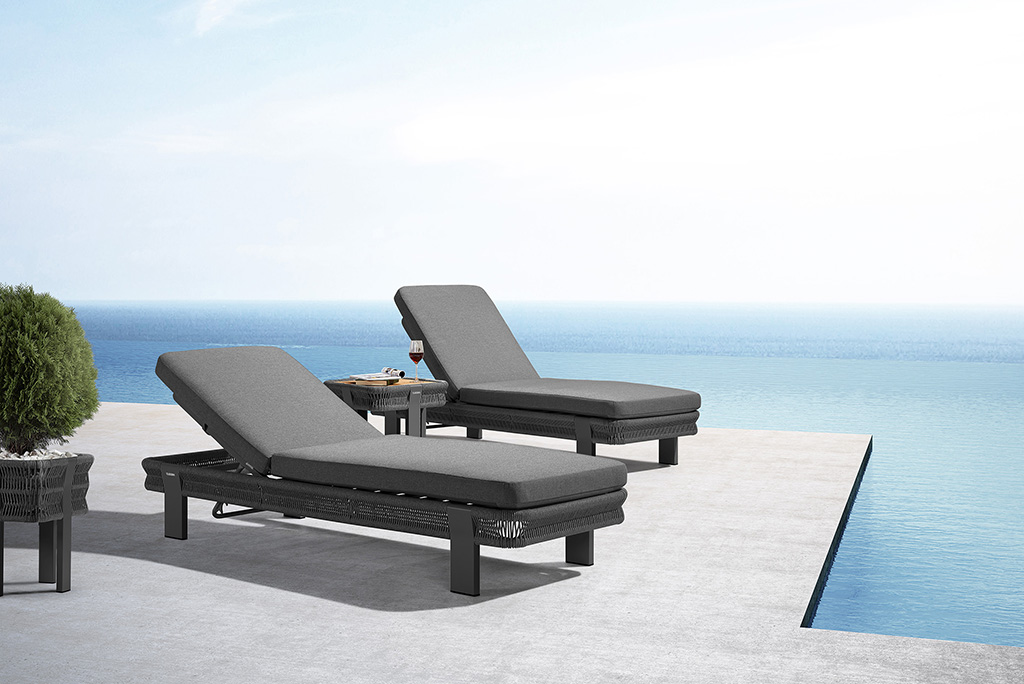
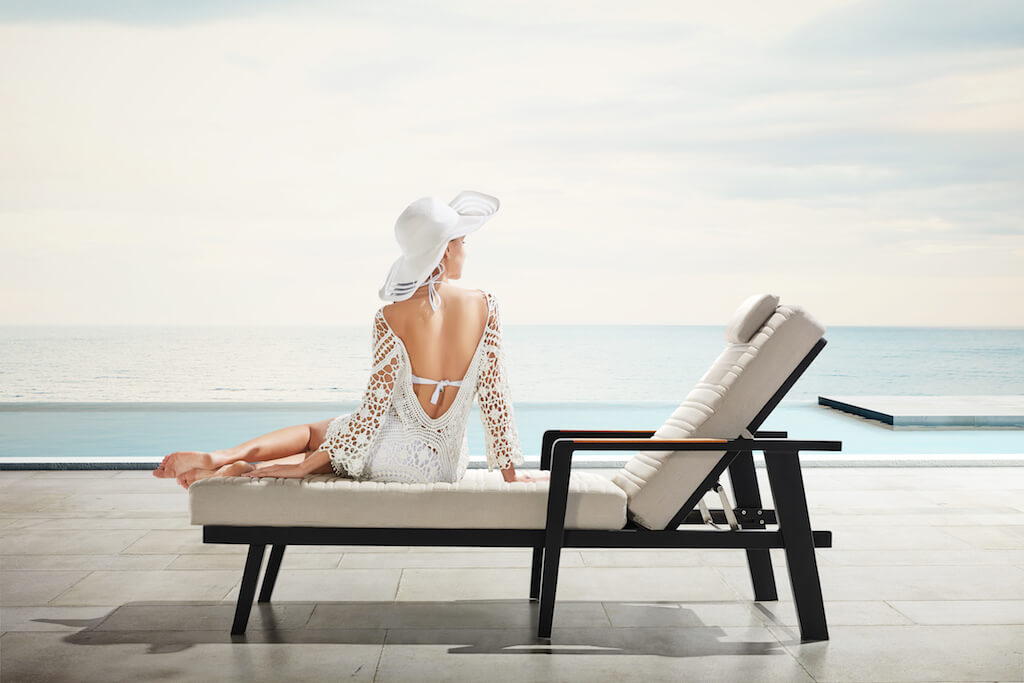
Another key aspect is space management. Architecture and outdoor design meet when the design of outdoor environments follows the same logic as indoor ones: dining areas, lounge areas, relaxation corners. Thanks to recliners, light seats and daybeds, the terrace or garden become outdoor rooms, perfectly integrated with the distribution and functions of the house.
Light further contributes to strengthening this dialogue. Illuminating outdoor furniture with garden lamps or lanterns coordinated with the indoor style allows you to give continuity even in the evening hours. The surfaces and details of the furnishings are thus enhanced, just as they are in well-designed interiors.
A strength of design outdoor furniture is the ability to combine functionality and aesthetics. It is not enough for furniture to withstand the sun or rain: it must also be able to express the same architectural language as the house. The Higold collections stand out for their attention to detail, careful proportions and the choice of materials that dialogue with the architecture, helping to create sophisticated and timeless outdoor spaces.
Integrating interiors and exteriors is not just a trend, but a real living philosophy. It means living the house in continuity, without clear boundaries, enhancing each room with a coherent approach. Outdoor design thus becomes part of the overall architectural project, and Higold Milano’s outdoor furniture is a concrete example of how style, resistance and innovation can contribute to this contemporary vision of living.