3. Conscious materials and long life
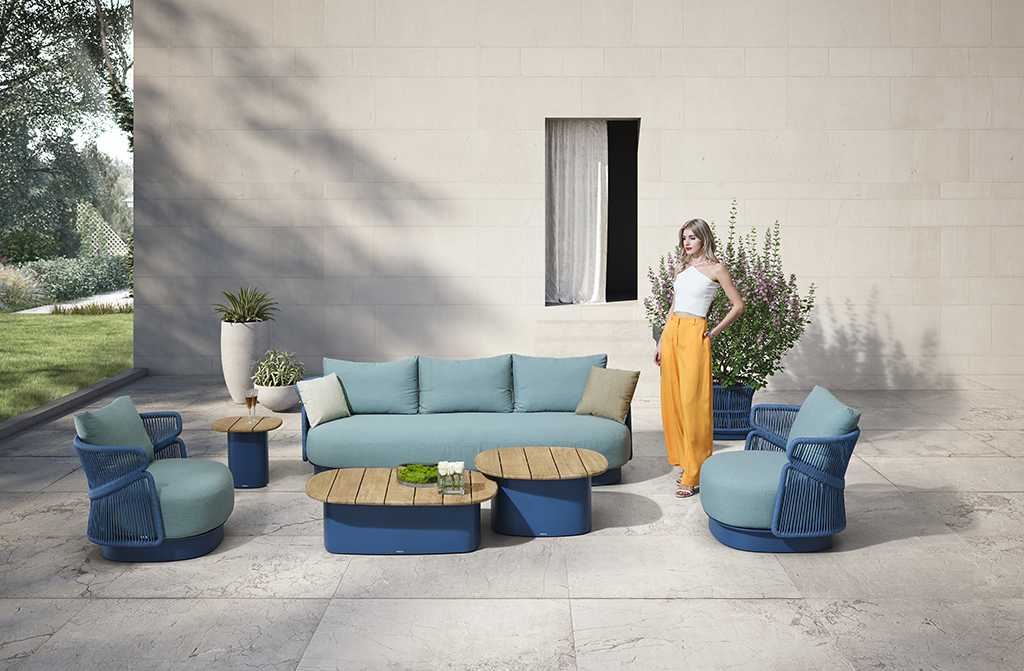
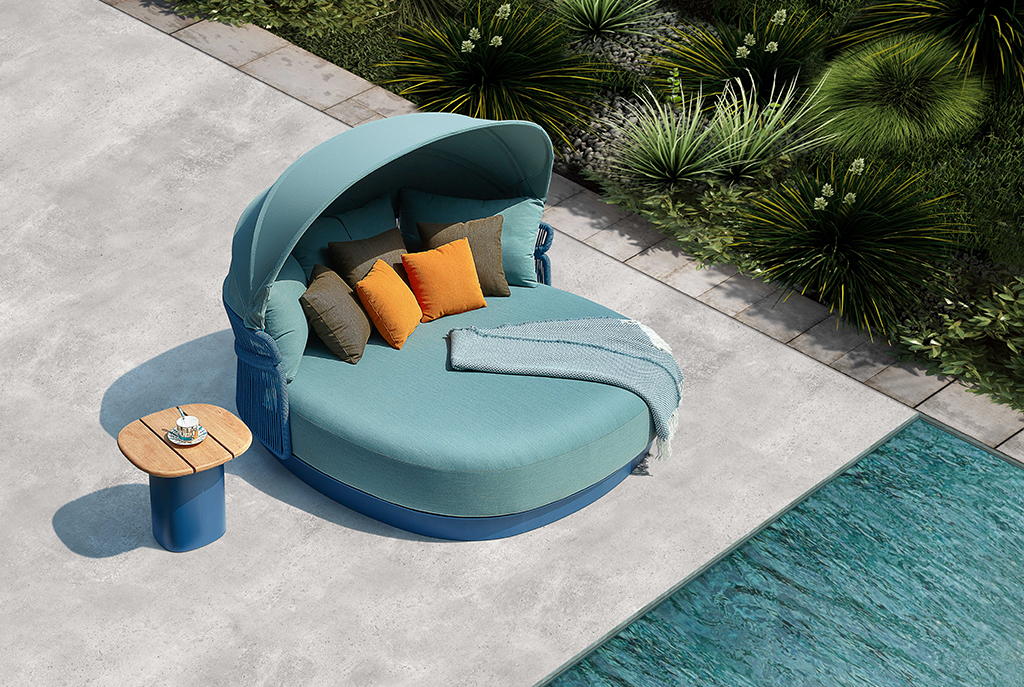
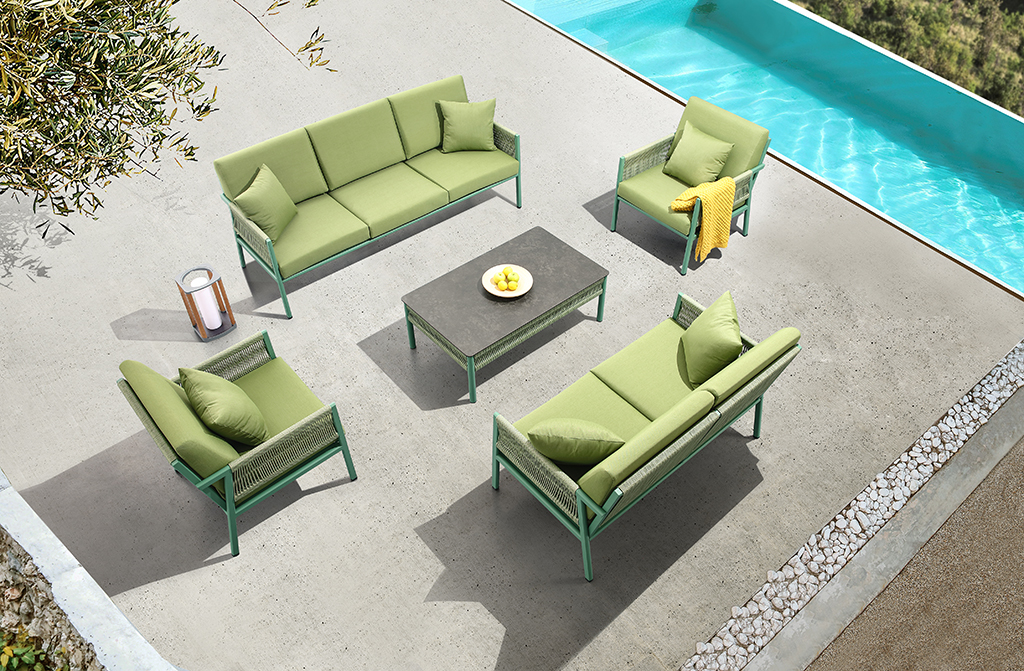
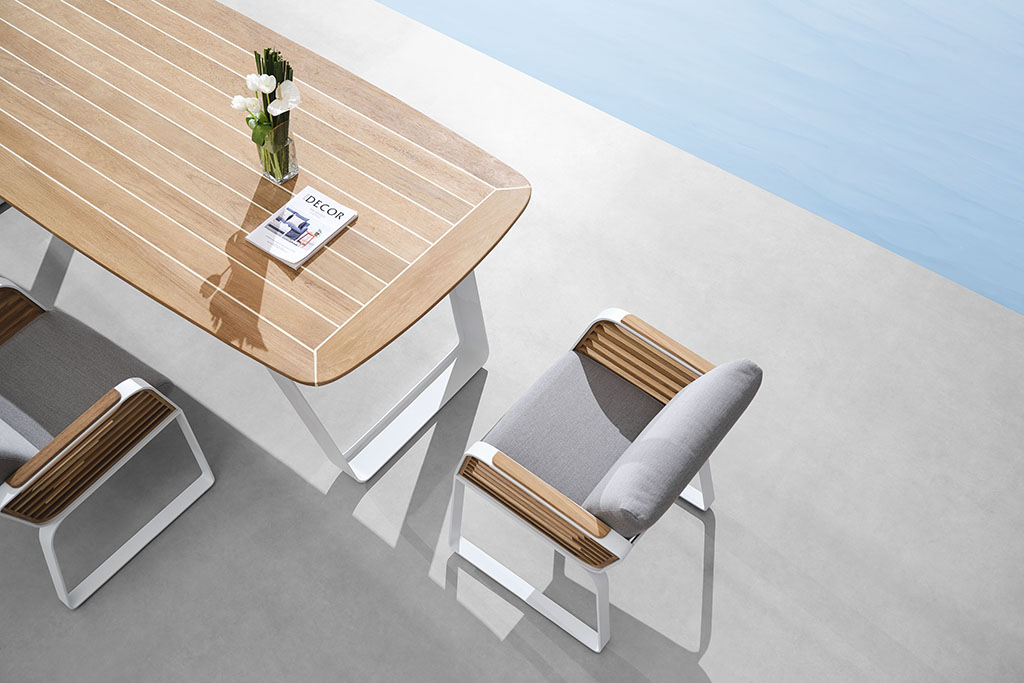
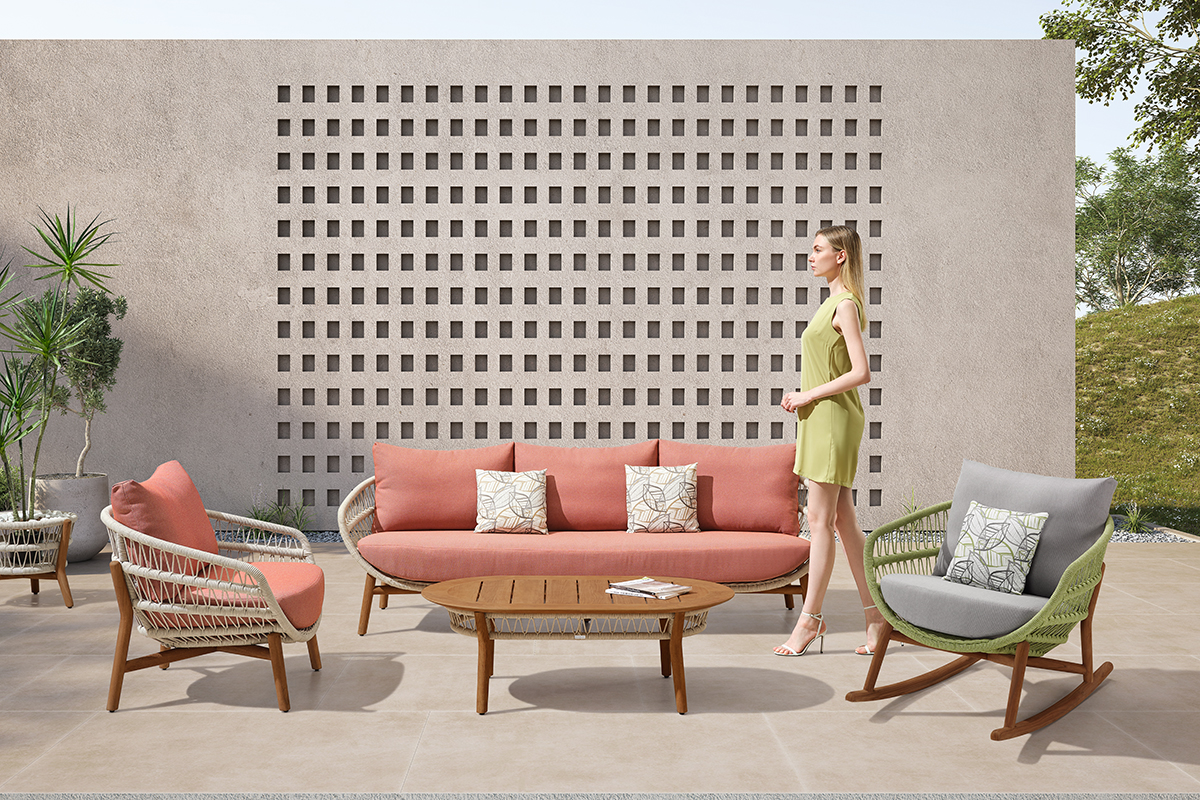
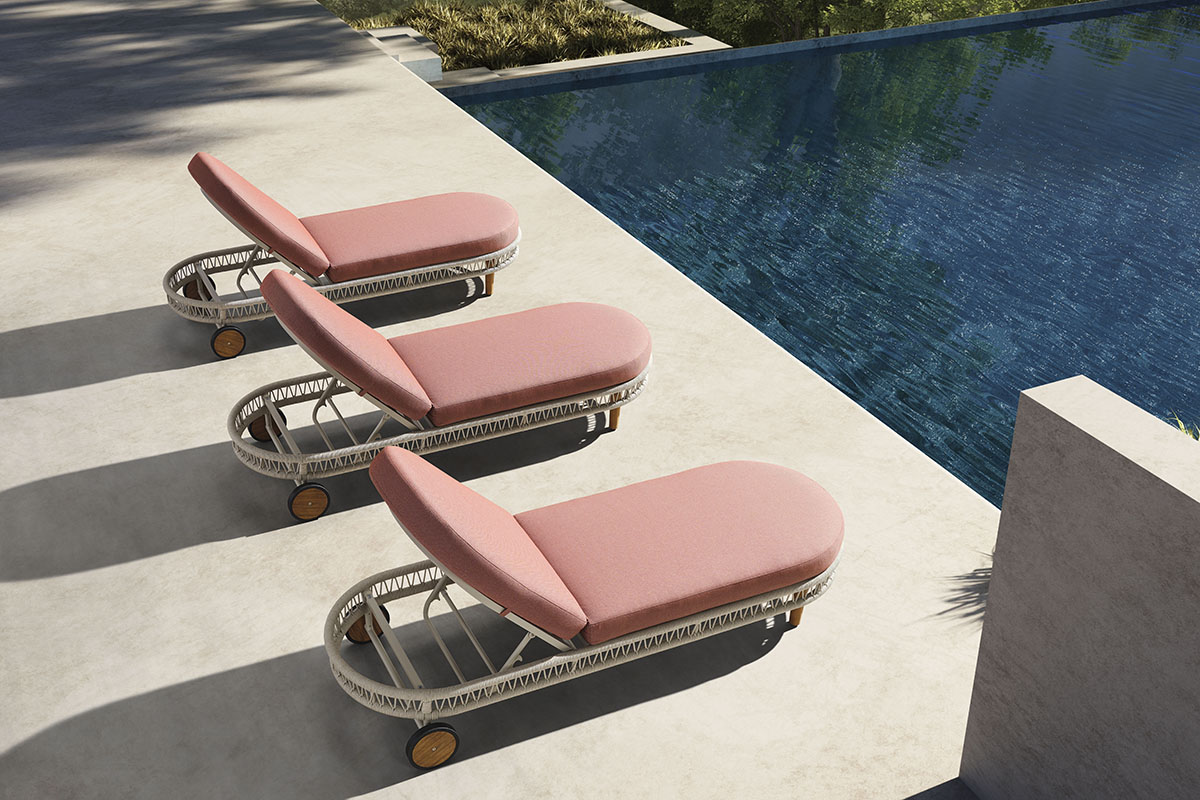
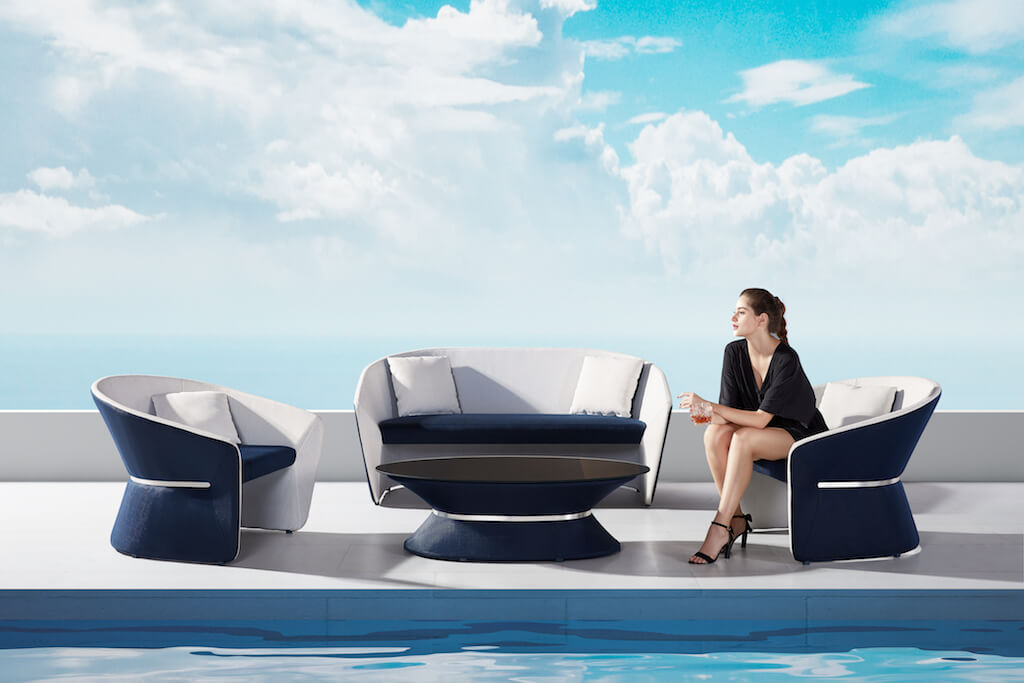
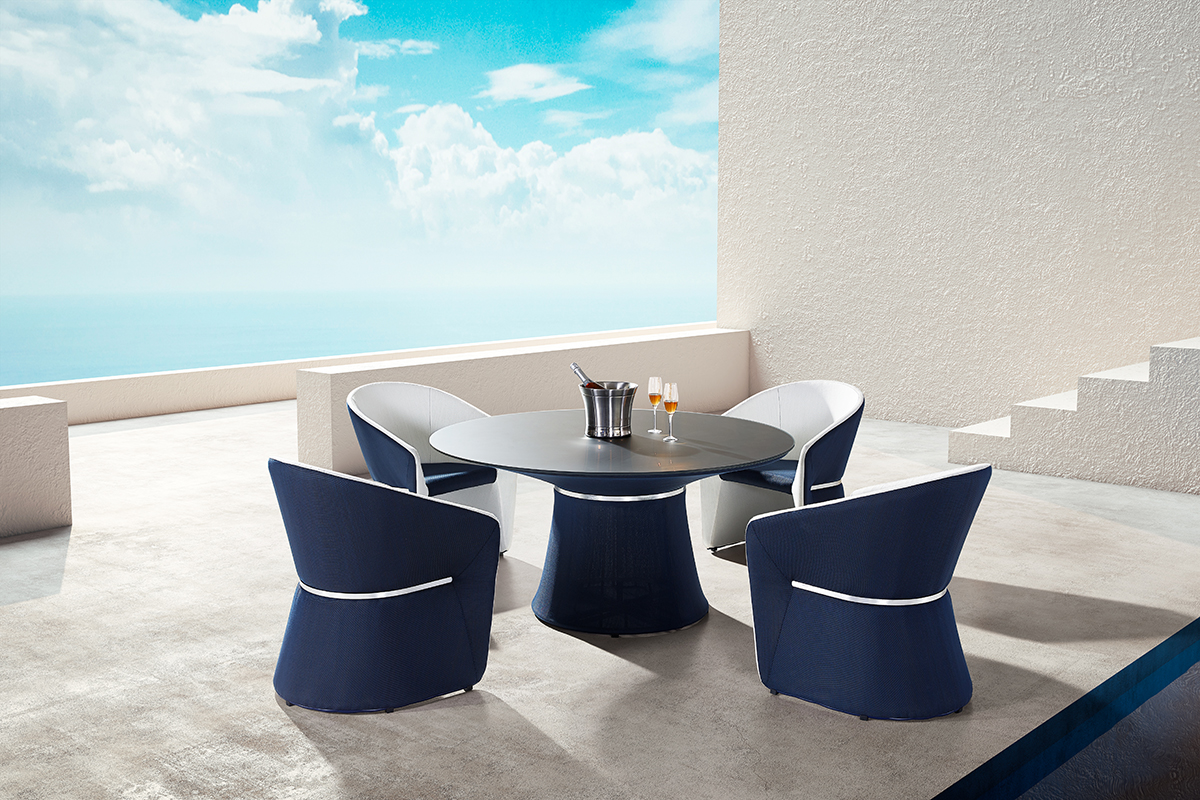
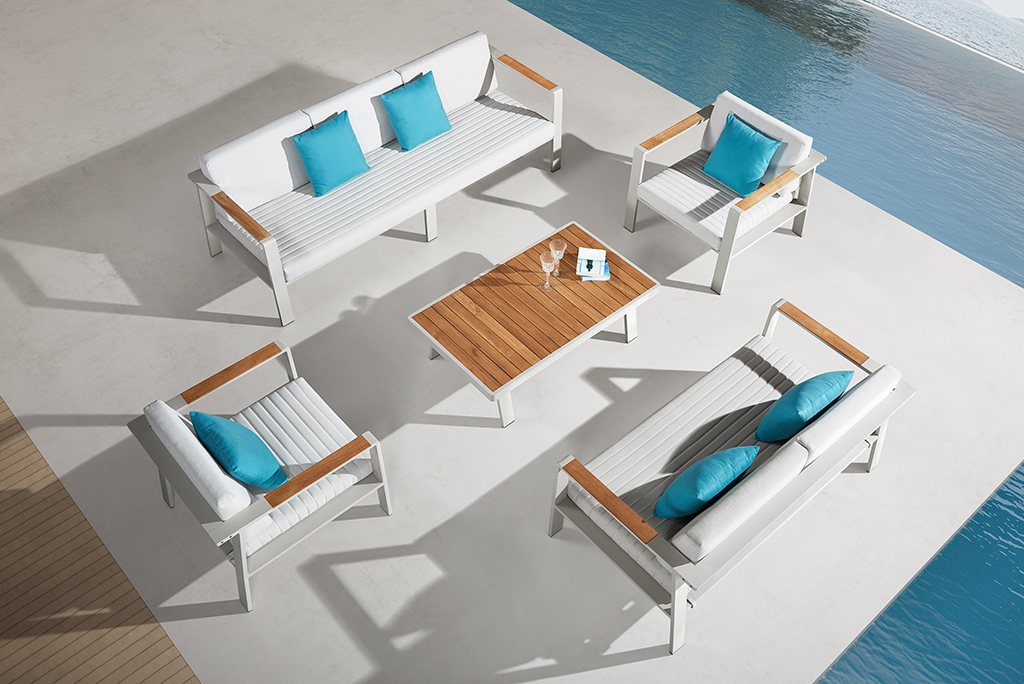
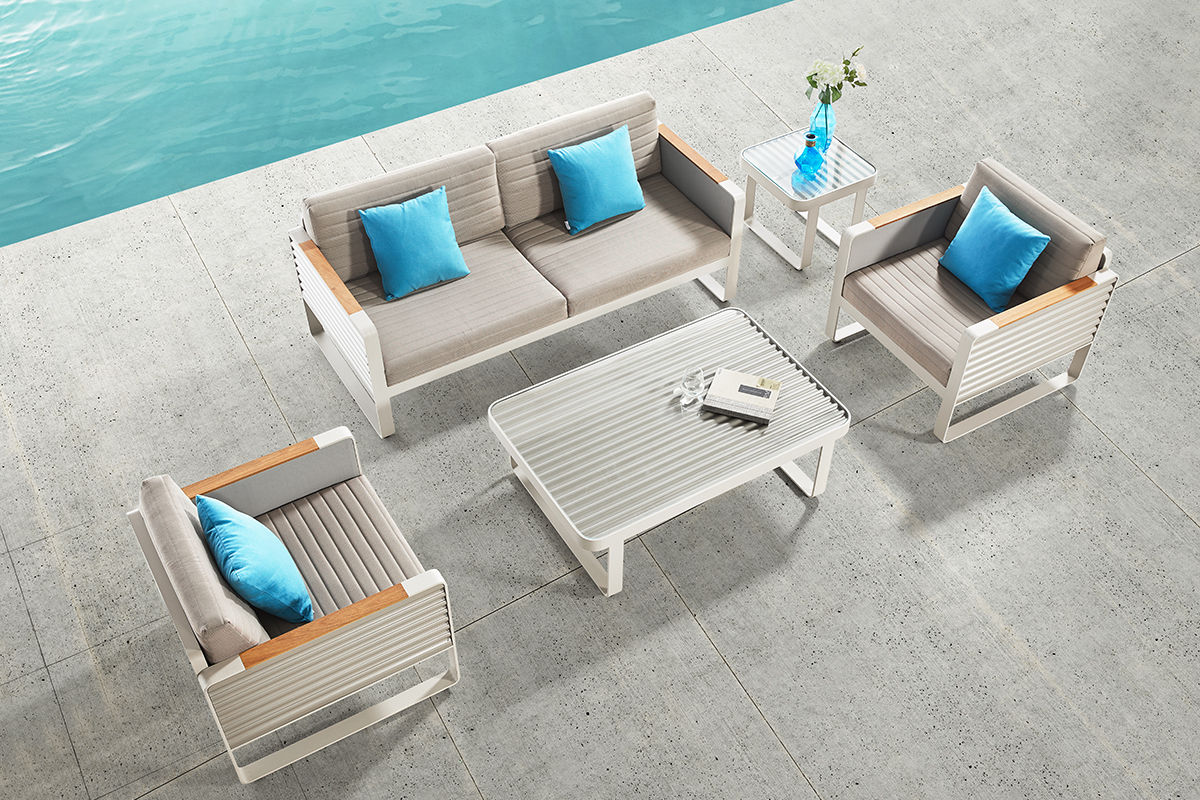
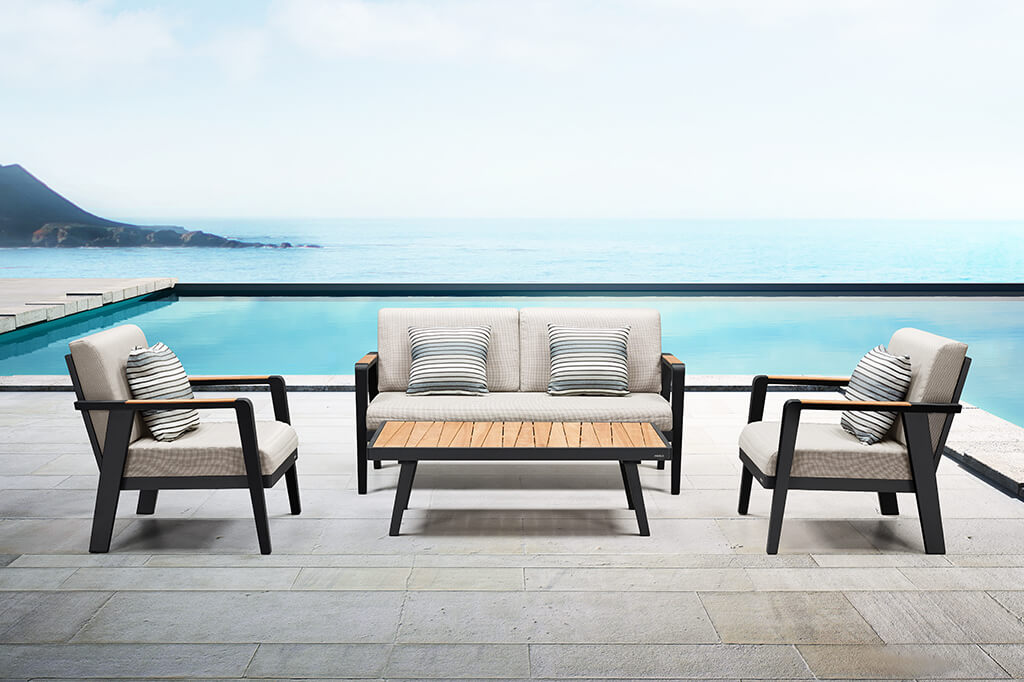
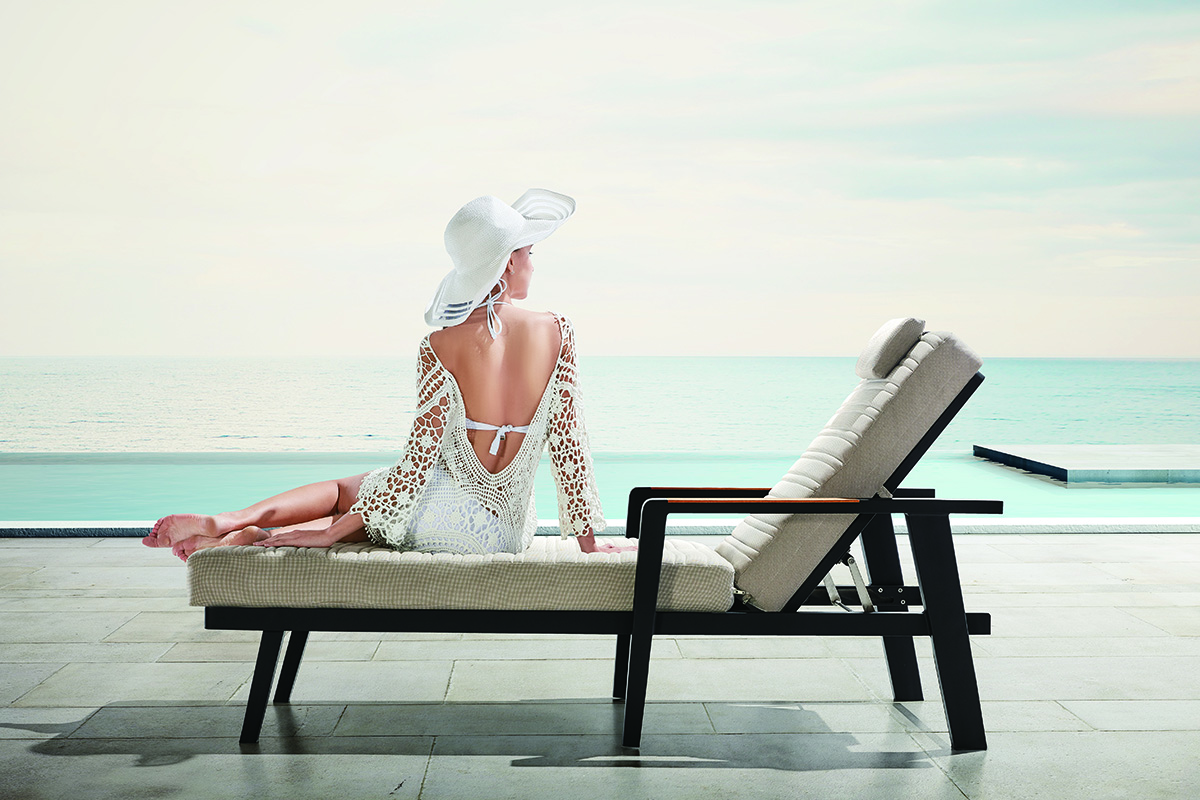
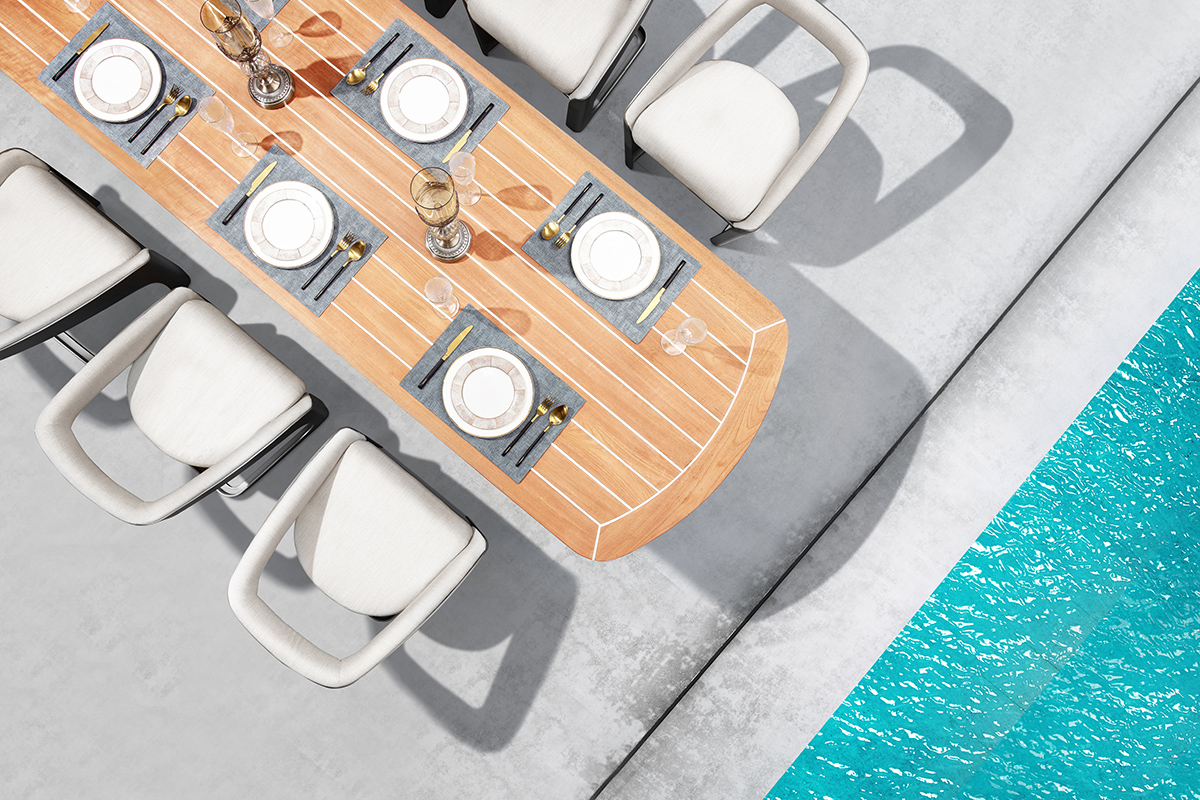
2026 consolidates the focus on responsible materials: recyclable aluminum, teak from controlled supply chains, high-performance technical fabrics and draining padding reduce maintenance and replacements. Sustainability is no longer a label, but a consequence of design choices that aim to make furniture last over time, preserving aesthetic and functional quality.
4. Color as an accent, not as excess
After seasons dominated by neutral tones, color returns in a measured way: deep greens, dusty blues, terracotta and sand build natural bases, while bolder accents appear in cushions, rugs and small accessories. The goal is to give identity to the space without fragmenting it, maintaining a calm reading that is consistent with the landscape.
5. Modularity and flexibility of use
The outdoor space is increasingly hybrid: dining, work, relaxation and socialising coexist. Modular systems allow you to easily reconfigure the set-up according to seasons or occasions. This flexibility is particularly relevant in urban contexts, where terraces and balconies require tailor-made solutions.
6. Light and microclimate as part of the project
Layered lighting (light points, lanterns, integrated systems) and devices for controlling shade and ventilation define the quality of the evening and mid-season experience. The 2026 outdoors is not only “furnished”, but climatically designed.
The outdoor design of 2026 abandons the idea of seasonal furniture to embrace a complete living vision. With attention to comfort, materials and architectural coherence—and with proposals such as the outdoor collections by Higold Milano—gardens and terraces become places to really live, all year round
INFO/PHOTO COURTESY: Higold Milano