Boundless indoor and outdoor: aesthetic continuity between home and garden
Materials, palettes and design solutions for a coherent language between indoor and outdoor spaces
Pubblicato il:
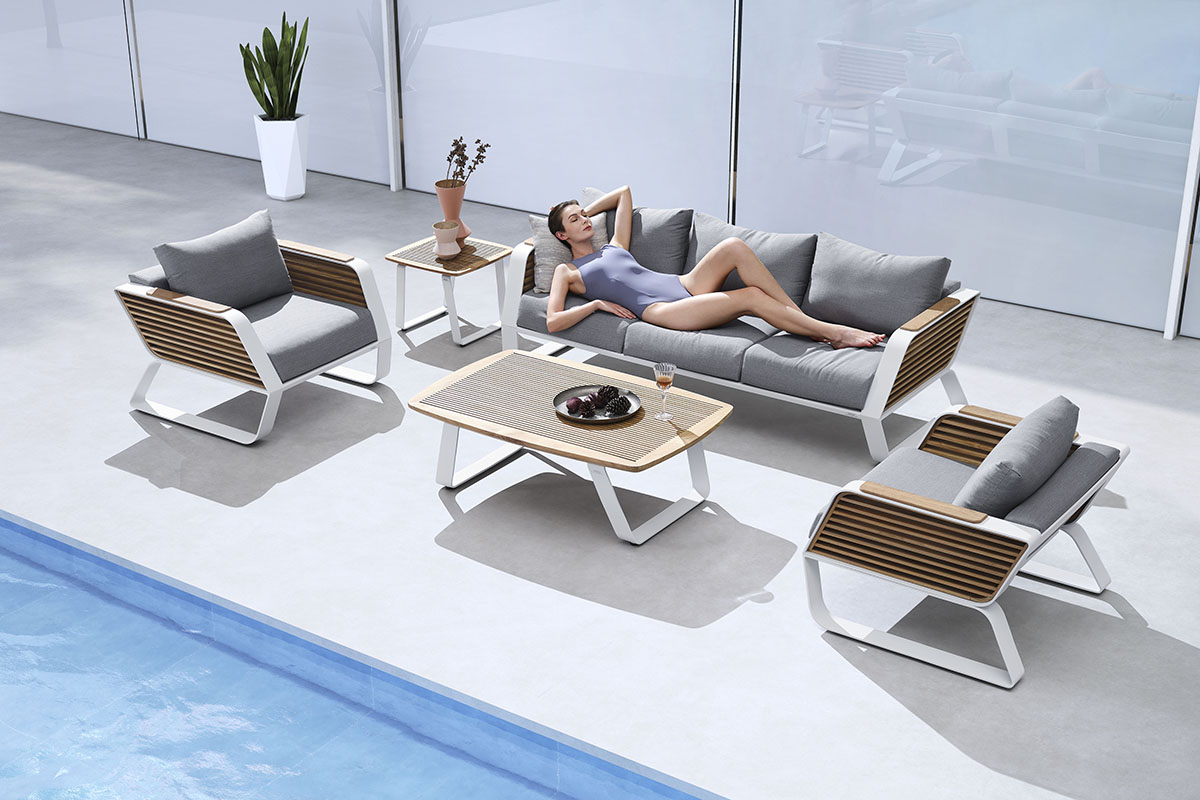
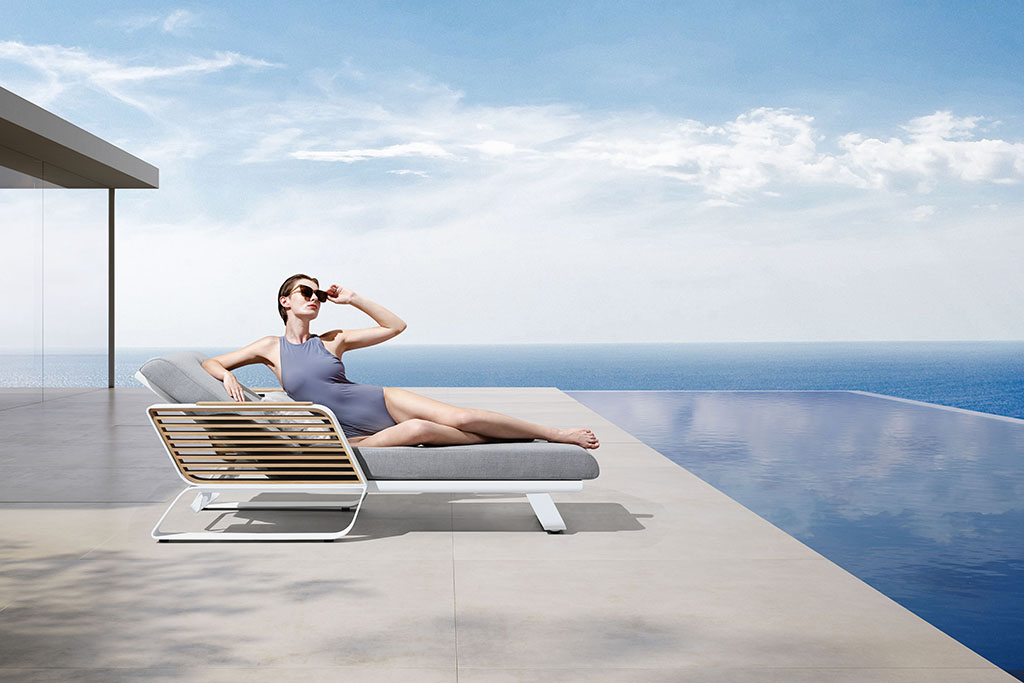
In recent years, the boundary between inside and outside has progressively thinned, giving rise to a new way of designing domestic spaces. The search for aesthetic continuity between indoor and outdoor environments is not only about the visual aspect, but reflects a deeper change in the way of living the home, where terraces and gardens become natural extensions of living spaces. At the heart of this approach is the idea of a fluid space, in which materials, colours and proportions dialogue seamlessly with each other. Coordinated flooring, large glass openings and furnishings with essential lines contribute to creating a coherent design language, capable of uniting different environments in a single visual and functional experience. A central role is played by the choice of outdoor materials, which are increasingly similar in aesthetic performance to those used in interiors. Ceramic surfaces, treated woods, painted metals and technical fabrics allow to maintain chromatic and tactile uniformity, while guaranteeing resistance to atmospheric agents. This material convergence makes integrated design possible, where furniture becomes the common thread between the different environments.
Galleria immagini
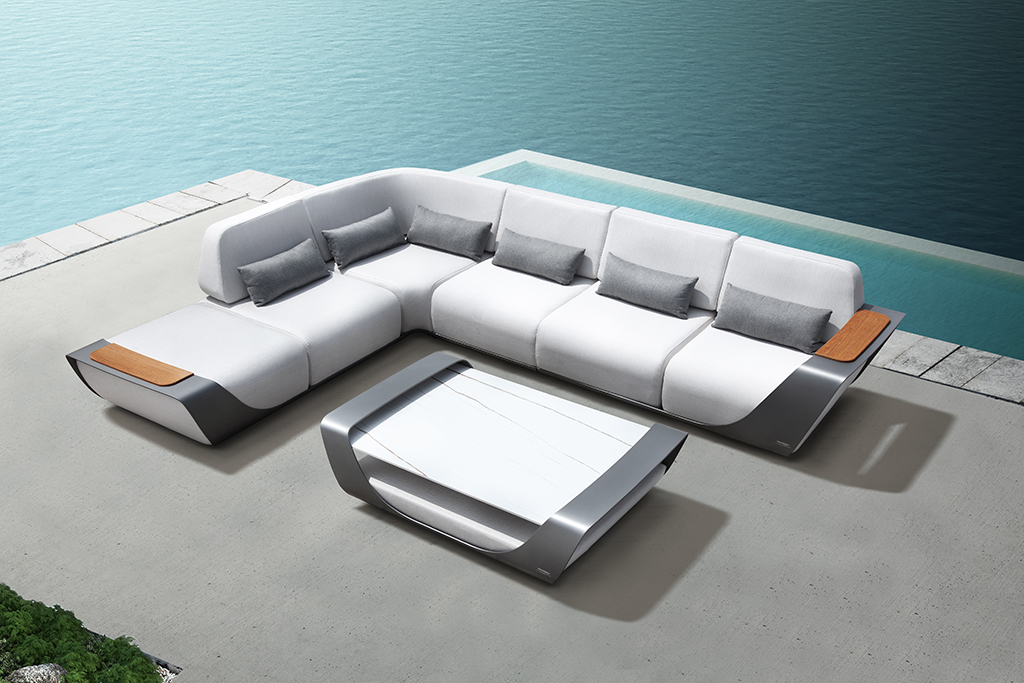
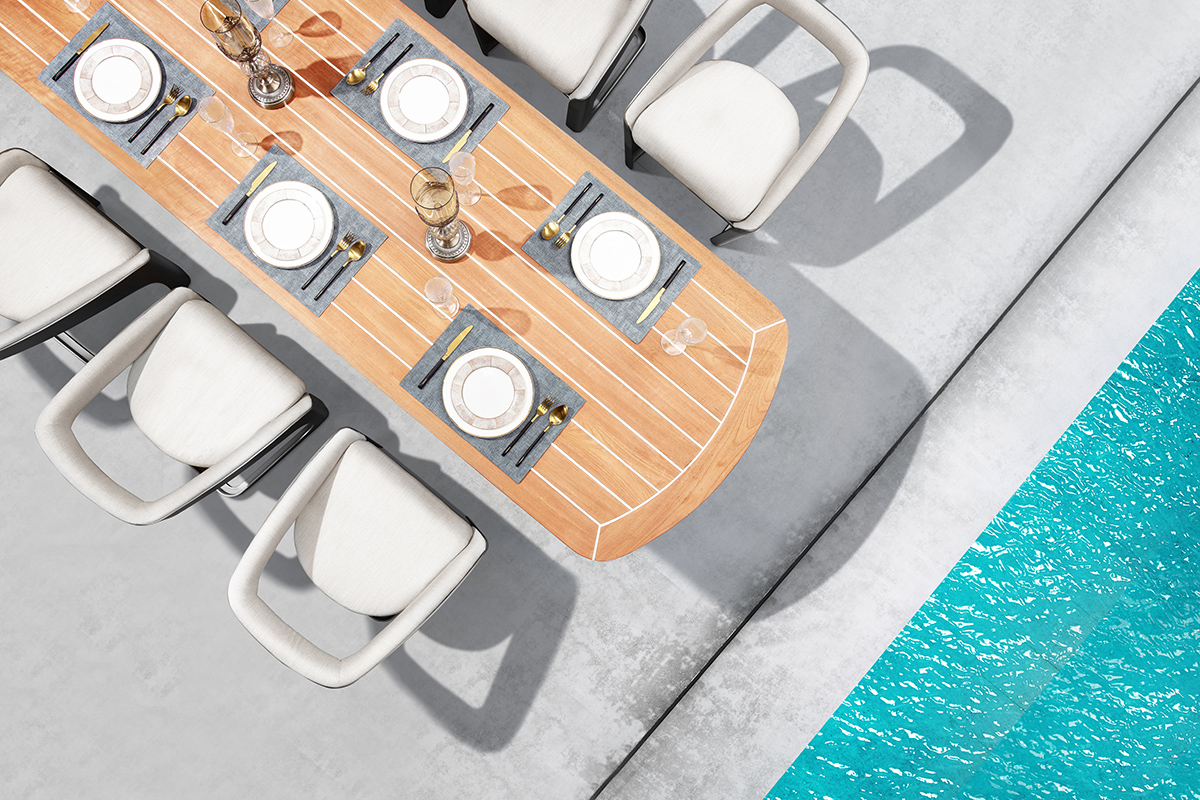
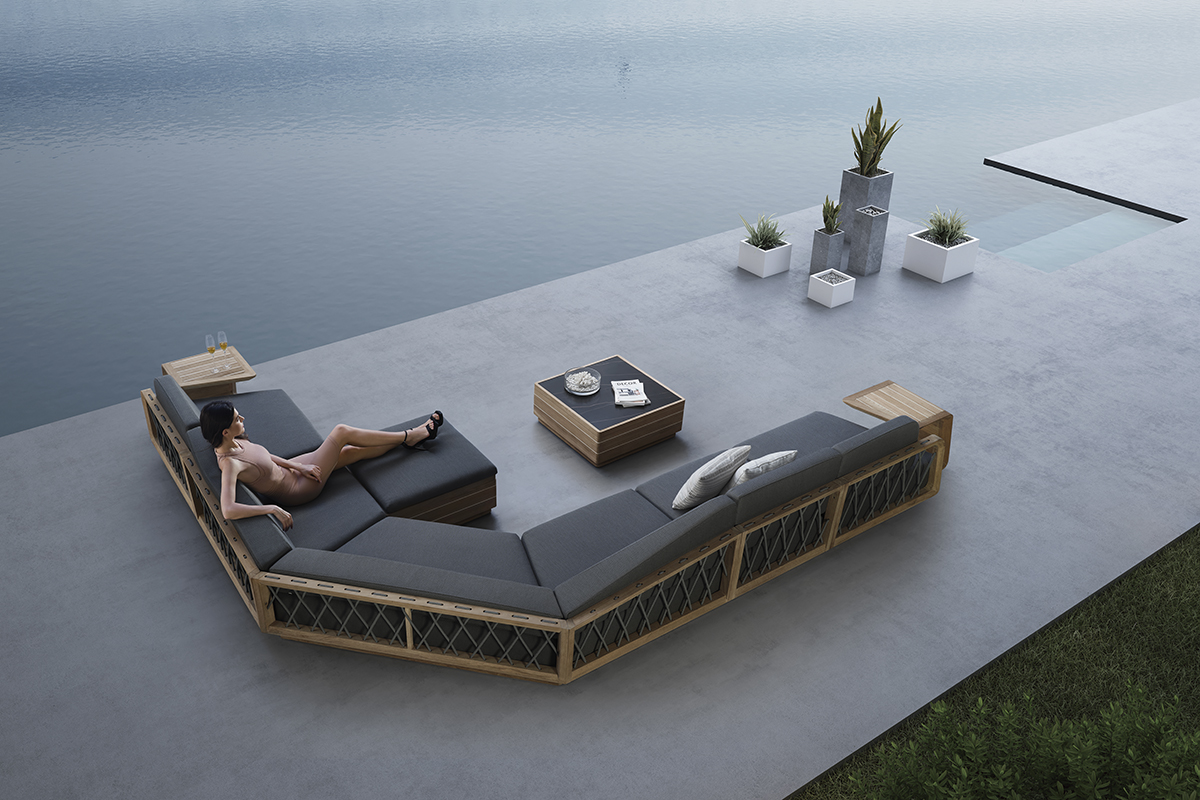
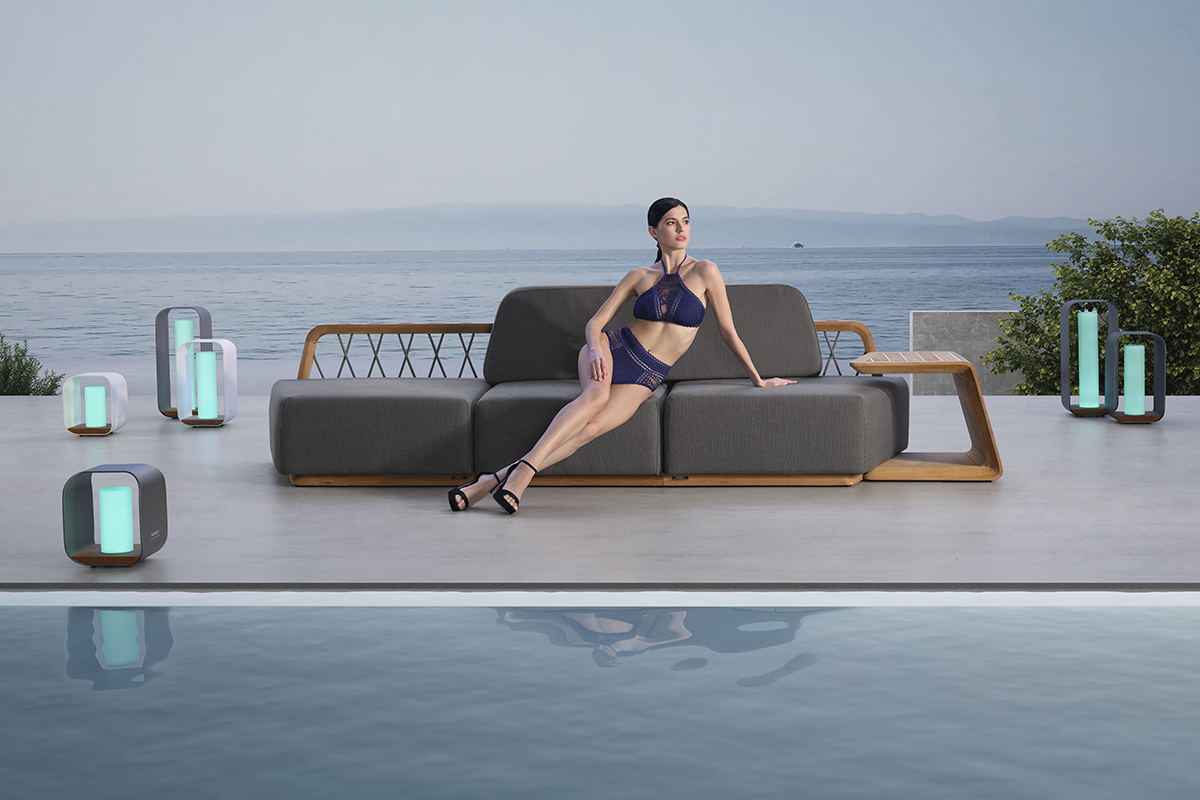
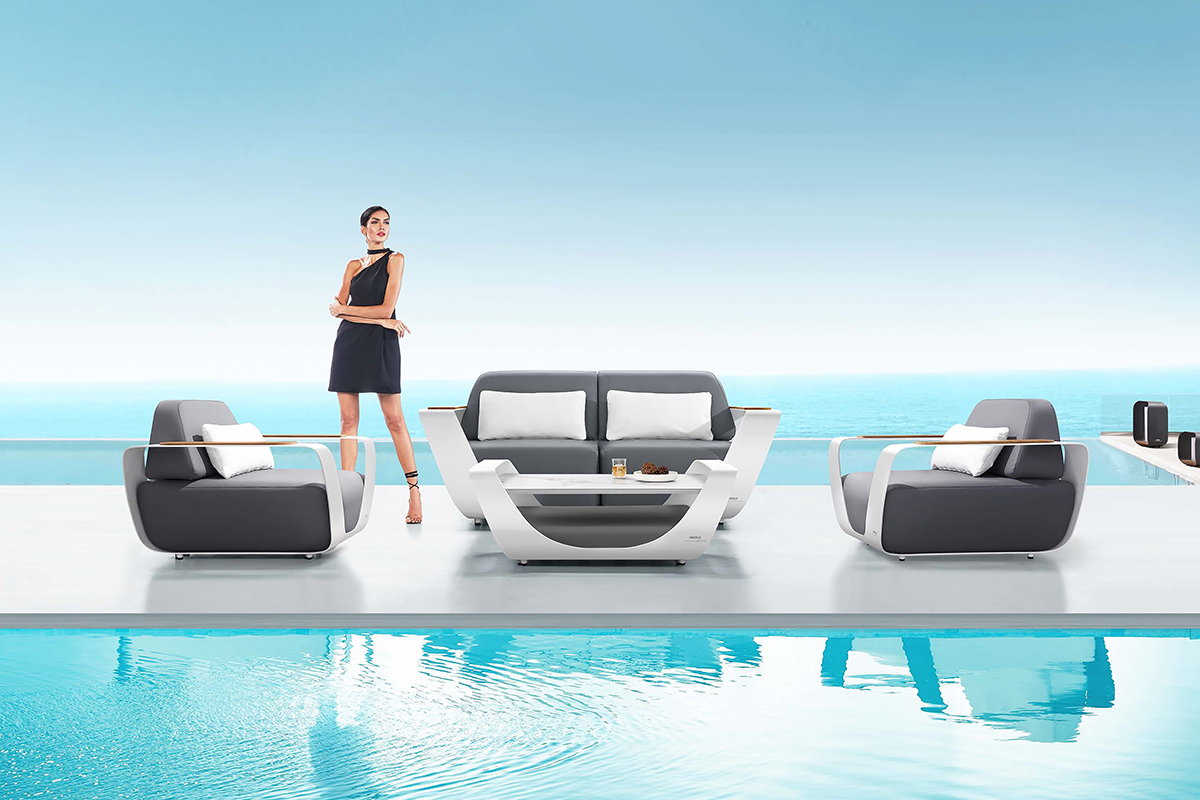
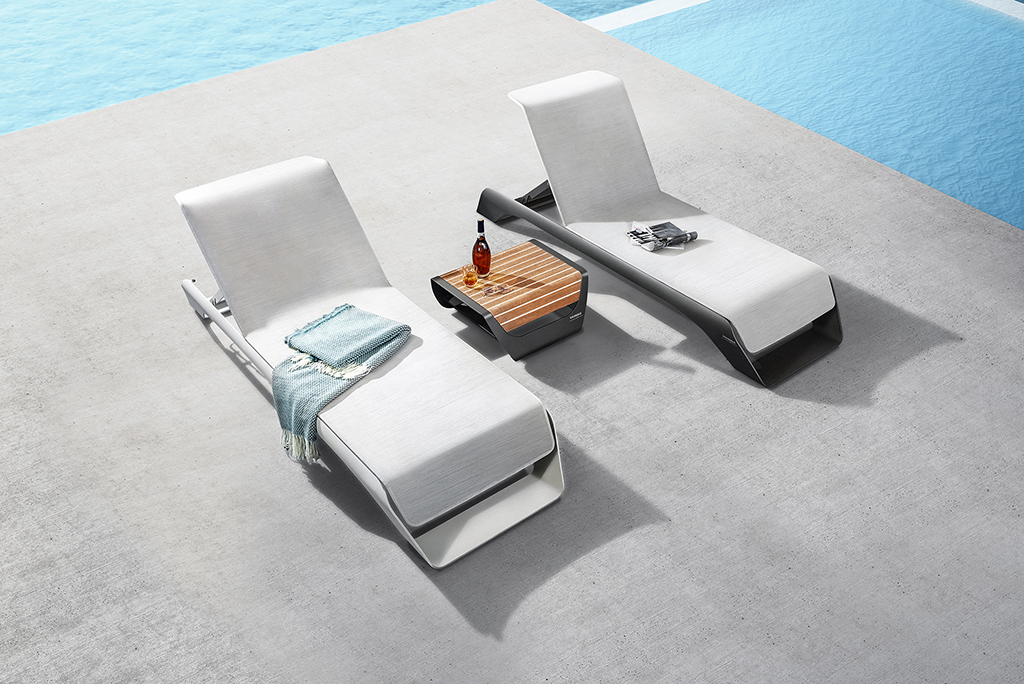
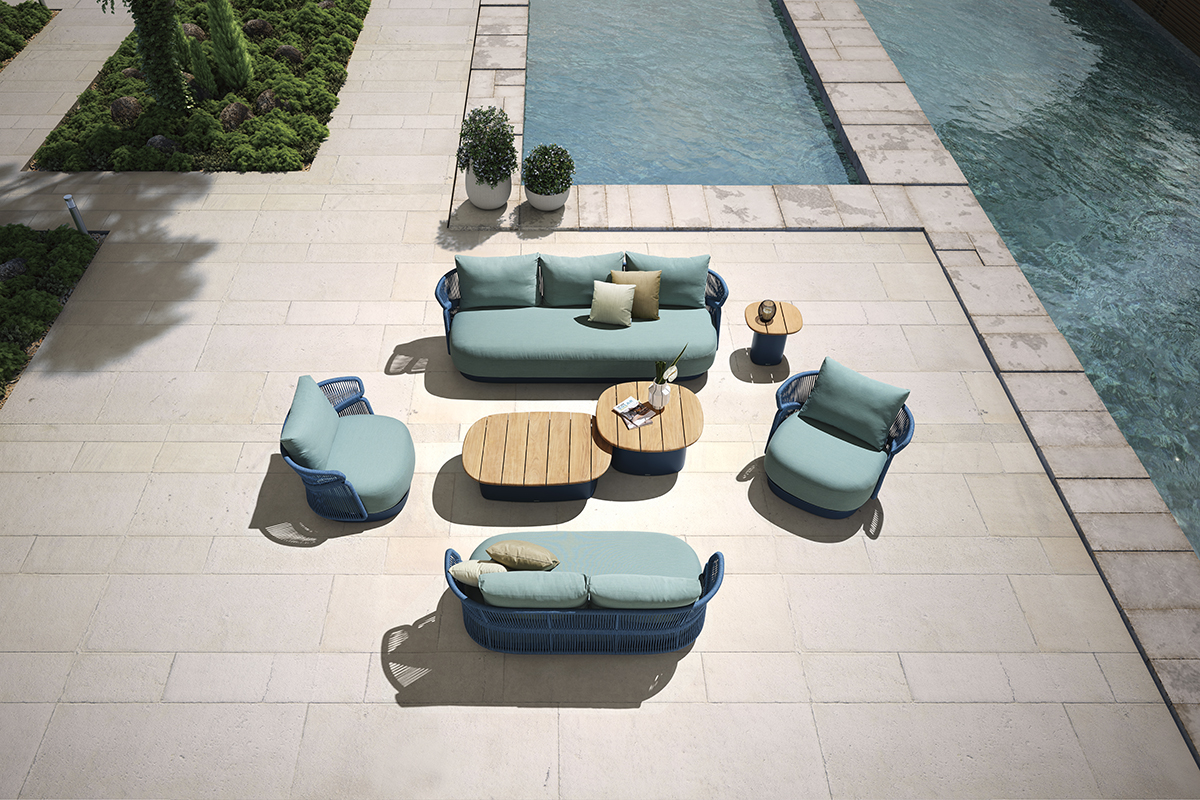
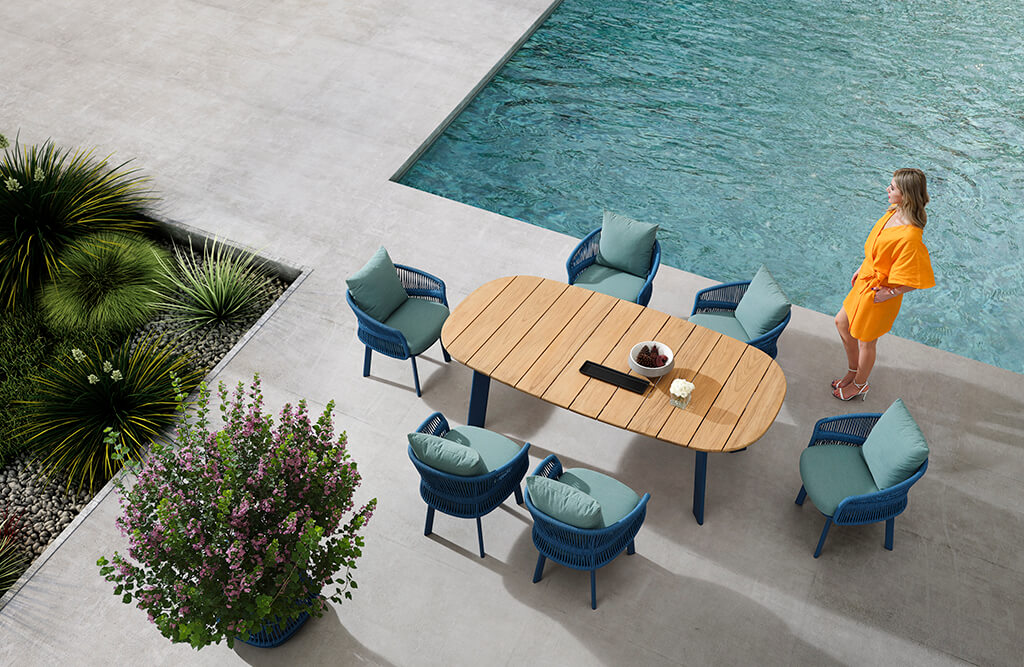
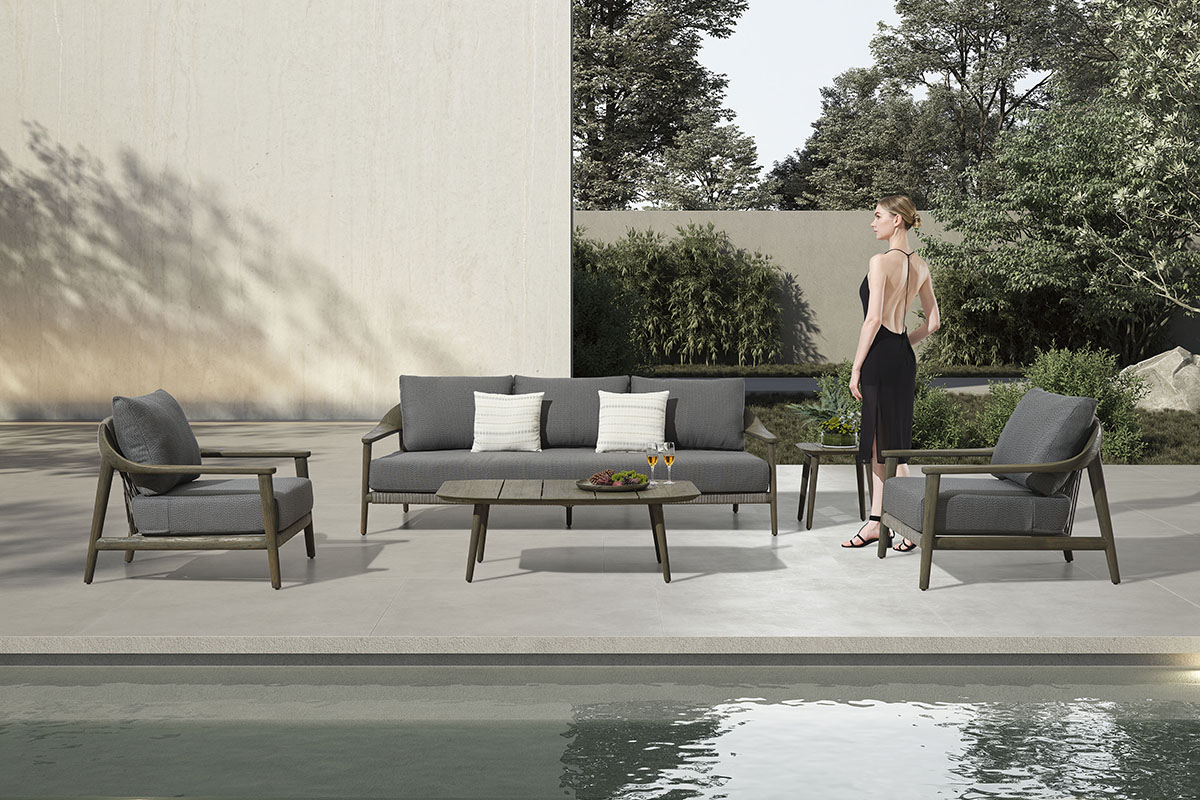
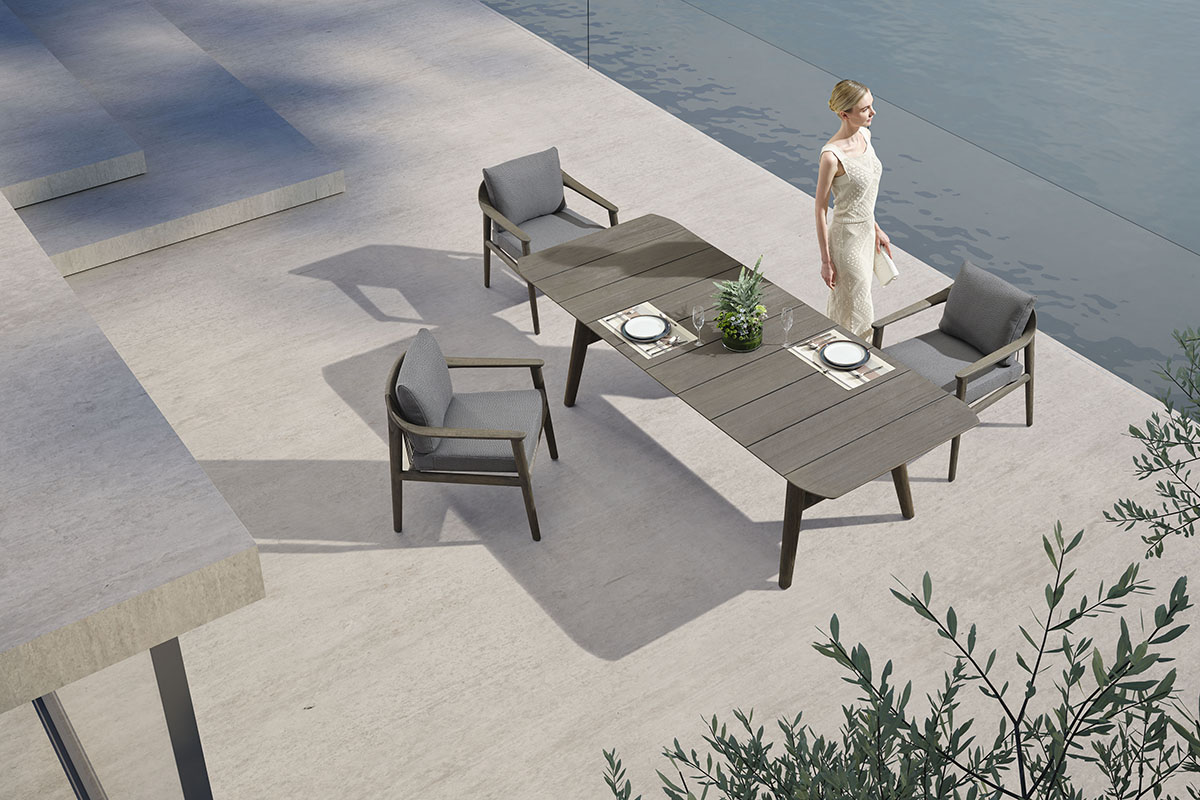
The theme of the color palette also contributes to the perception of continuity. Neutral tones, natural shades and measured contrasts allow you to create harmonious transitions between living room, terrace or garden. In this context, lighting plays a decisive role: consistent lighting solutions between inside and outside help to maintain the same atmosphere at different times of the day. The design of contemporary outdoor furniture today follows logics that are increasingly closer to interior design. Comfort, ergonomics and attention to detail become essential elements, as well as the possibility of configuring spaces flexibly. Lounge systems, tables and chairs designed to withstand outdoor use maintain a formal quality that allows them to be inserted in continuity with the home furnishings. Higold Milano’s outdoor furniture collections also fit into this scenario, offering a useful reference for observing how the sector is interpreting the dialogue between interior and exterior through coherent design solutions and high-performance materials. The reference to these furnishings helps to understand how outdoor quality is increasingly linked to the ability to integrate with architecture and the style of contemporary living. Another key aspect concerns the experiential dimension. The continuity between home and garden favors a more natural use of spaces, expanding the possibilities of use and improving the quality of domestic life. Environments designed in a unified way become versatile places, suitable for relaxation, socialising or work, following daily needs. The idea of indoors and outdoors without boundaries represents more than an aesthetic trend: it is a design approach that enhances the relationship between architecture, landscape and design. Through conscious material choices, consistent furnishings and attention to comfort, the house is transformed into a continuous system, capable of extending beyond the walls and dialoguing with the surrounding environment.