The role of proportions in high-end outdoor design
Visual balance, comfort and relationship with space in the design of outdoor furniture
Pubblicato il:
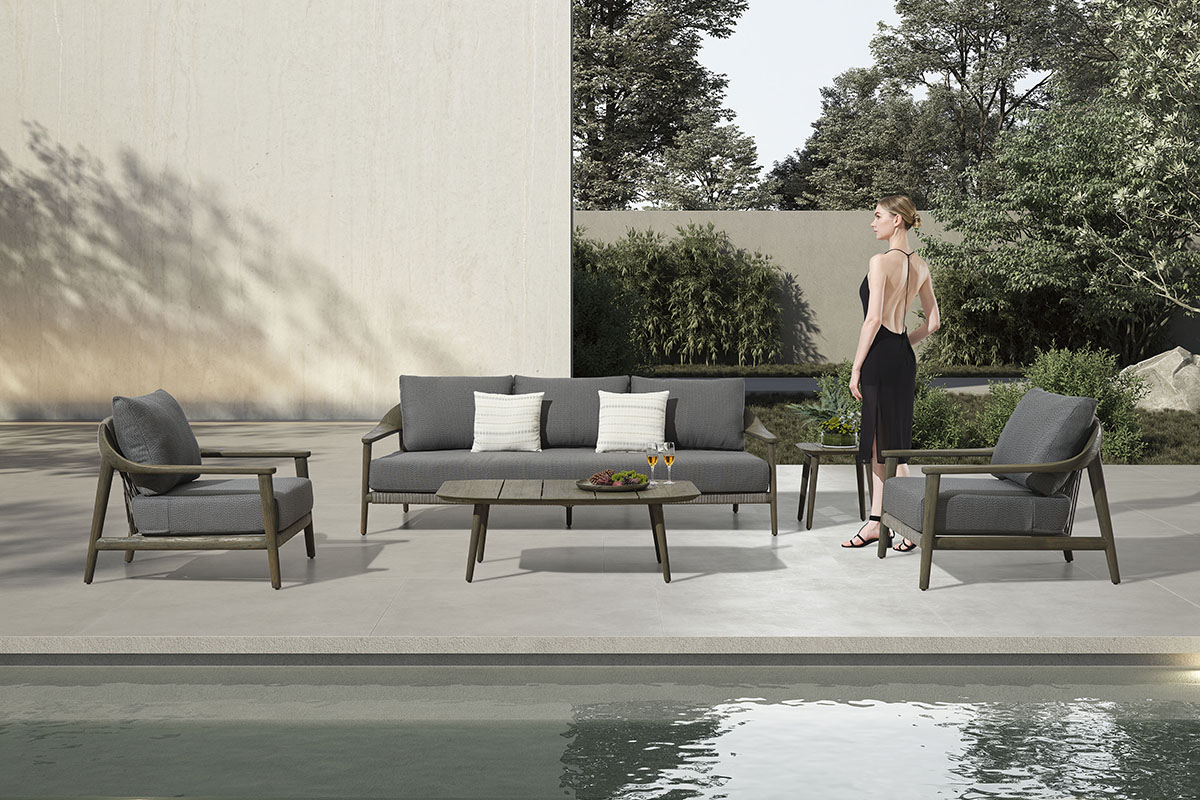
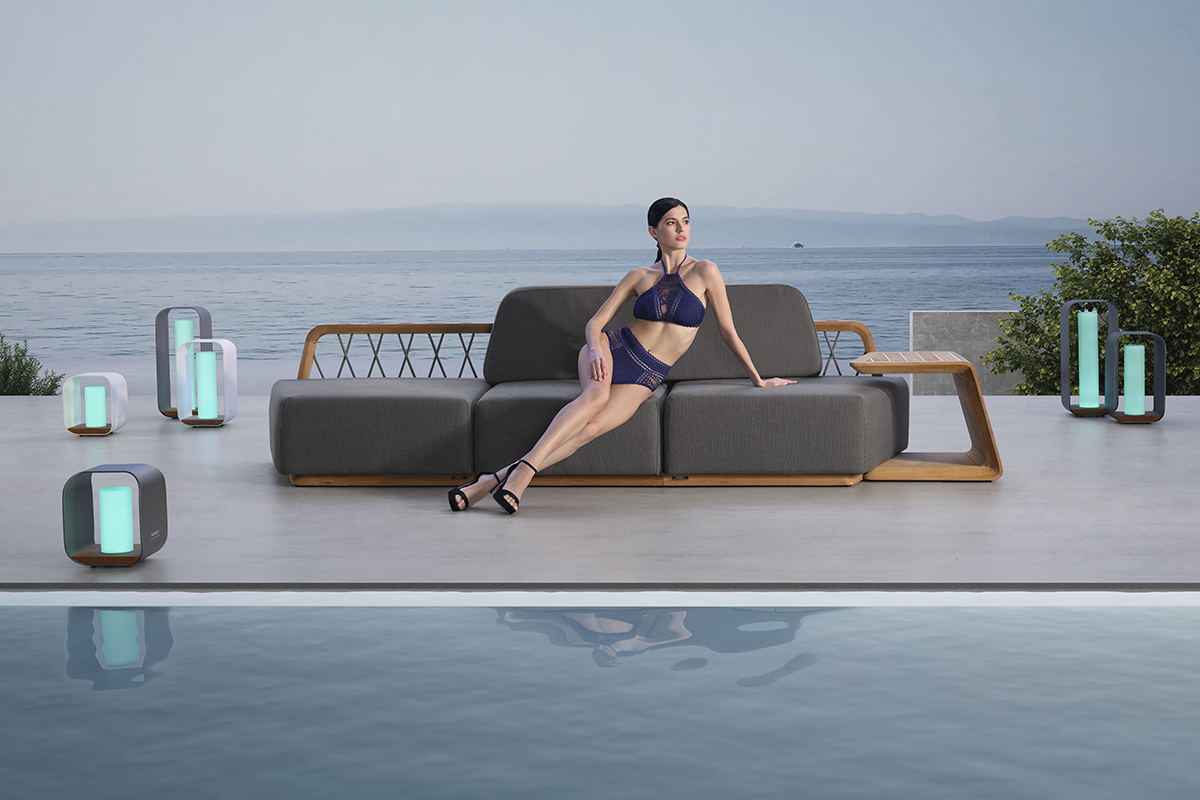
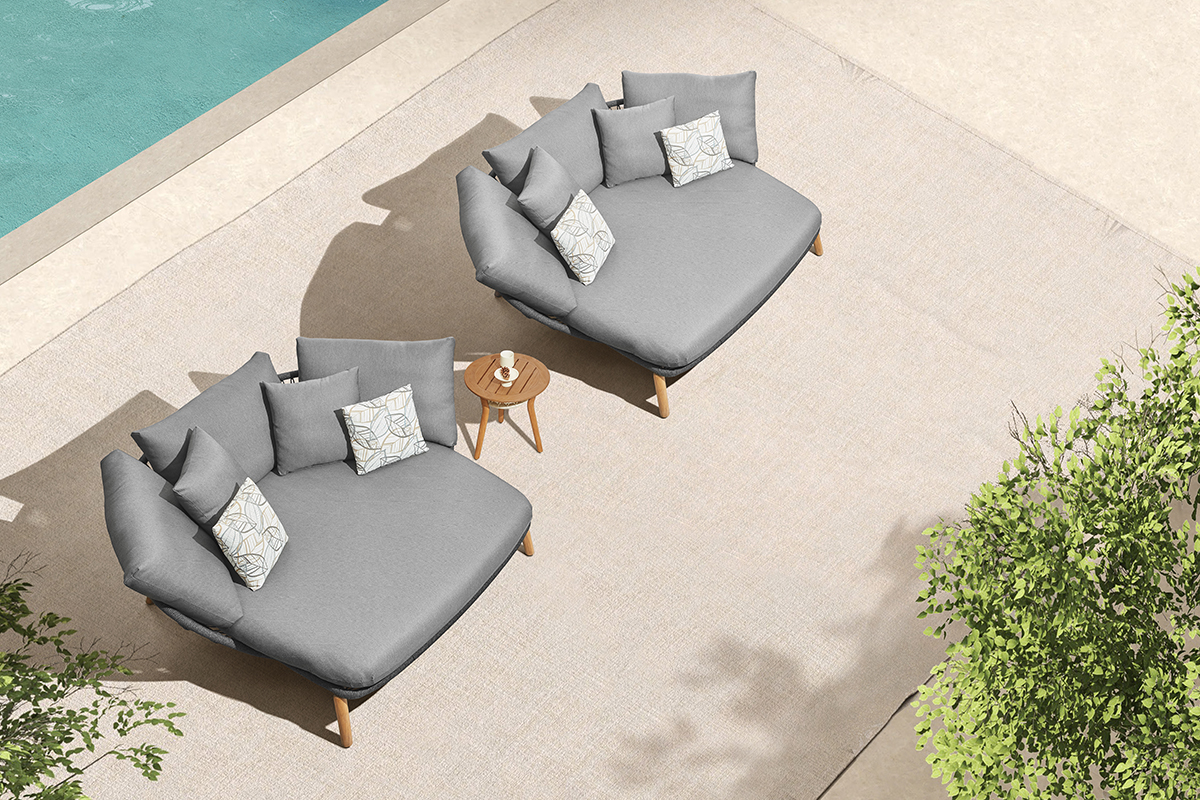
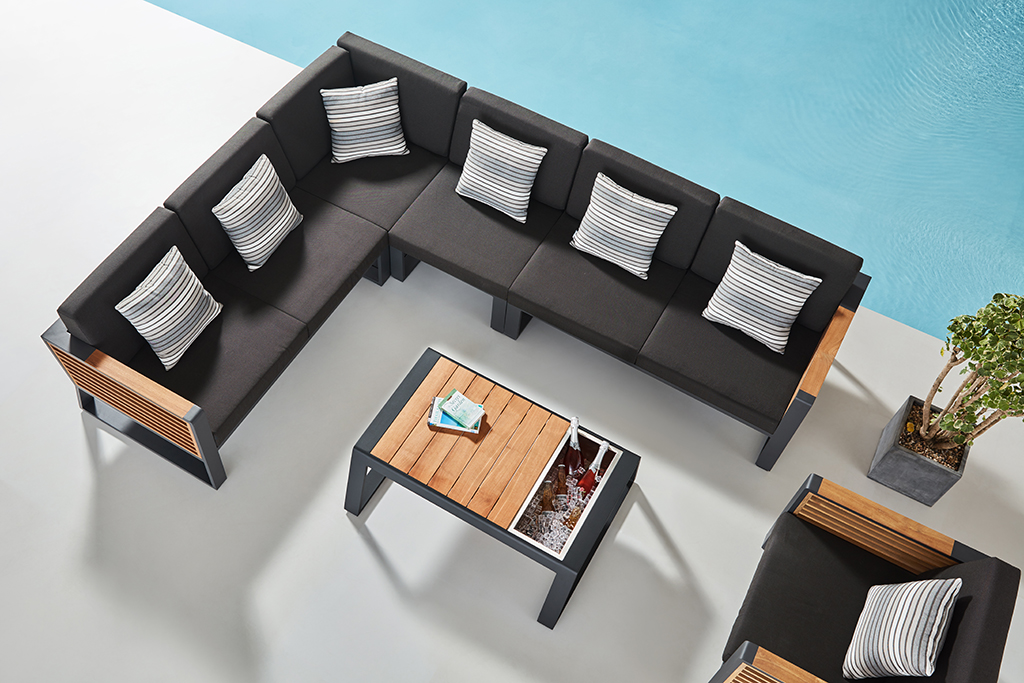
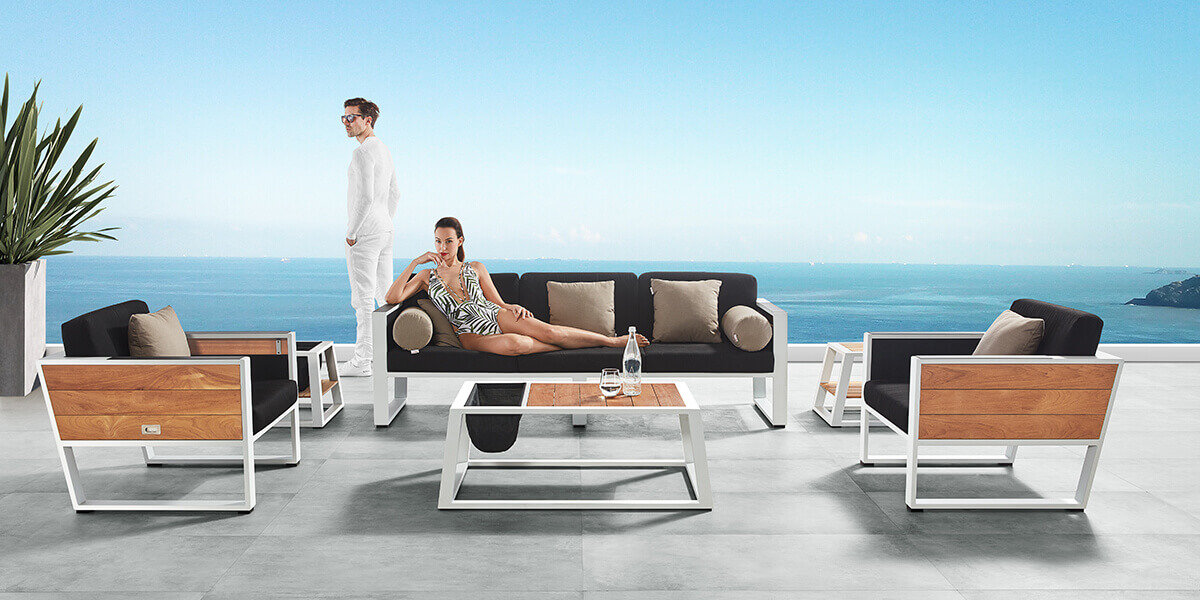
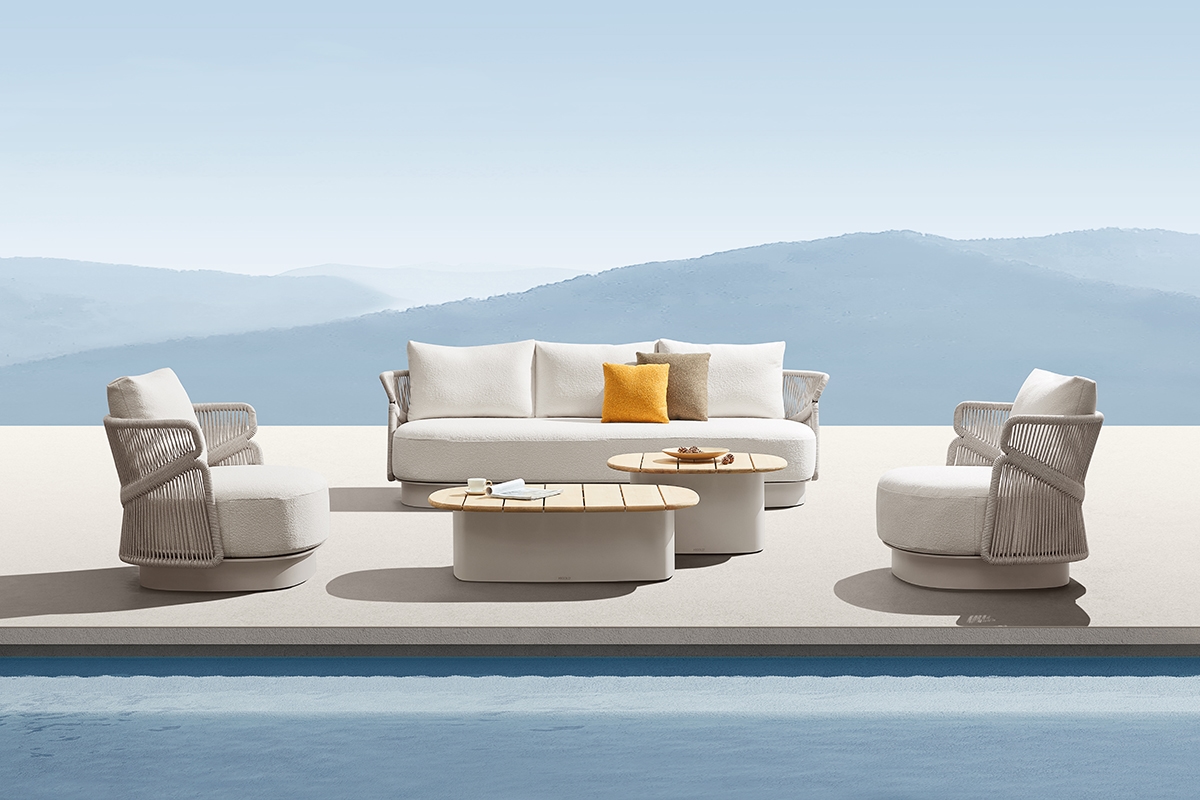
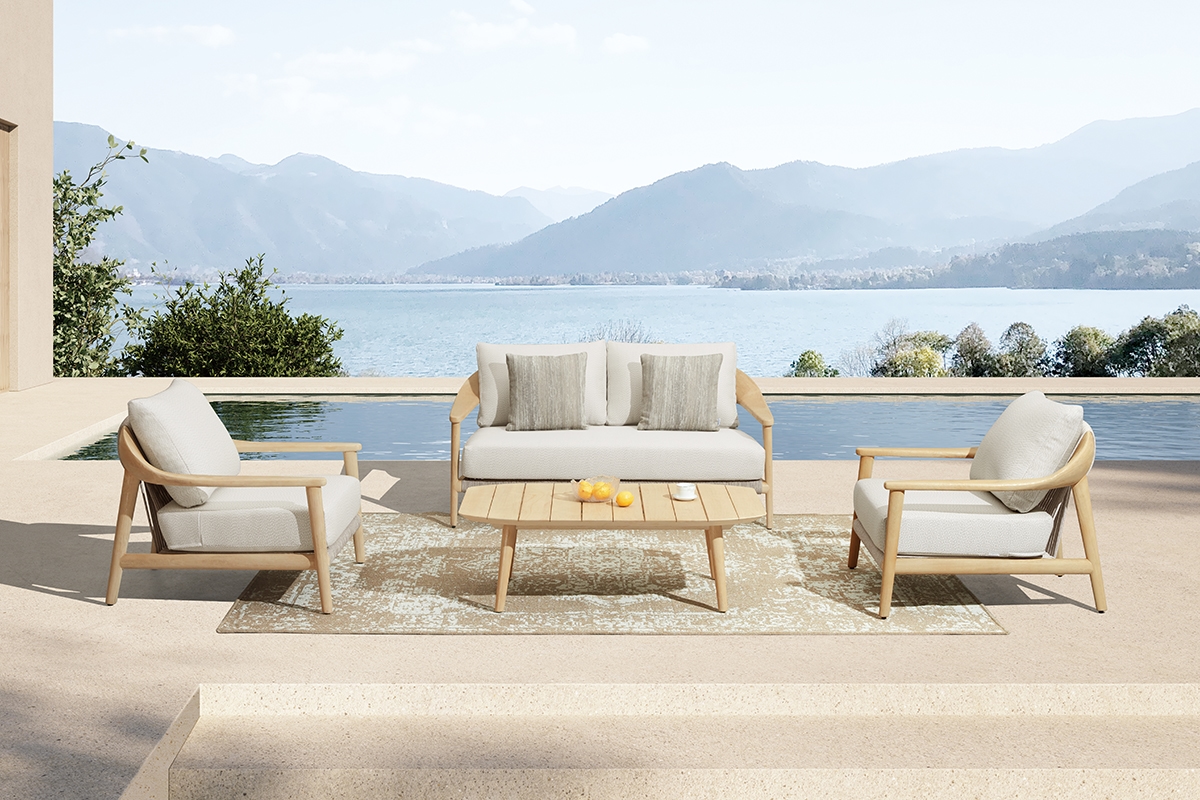
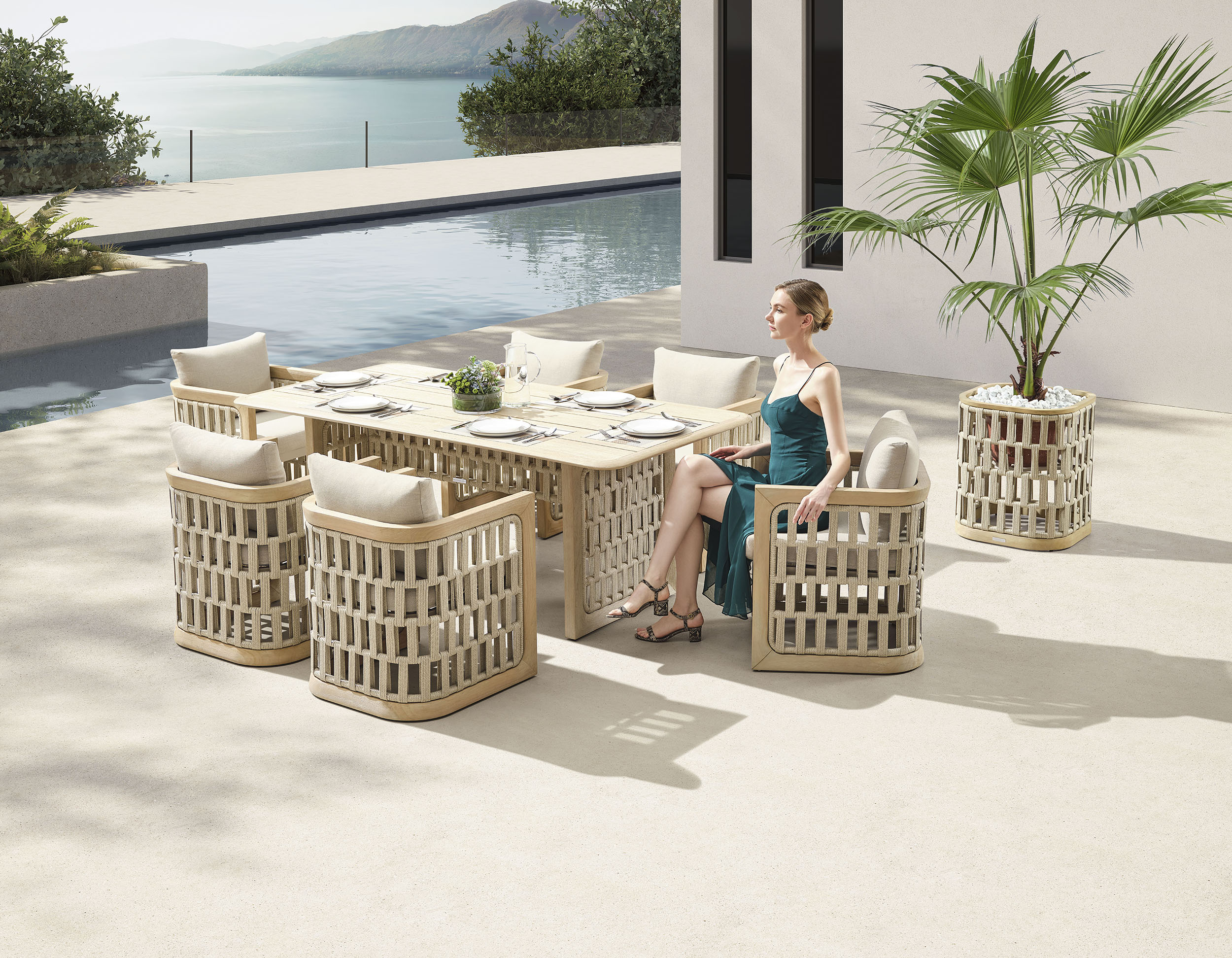
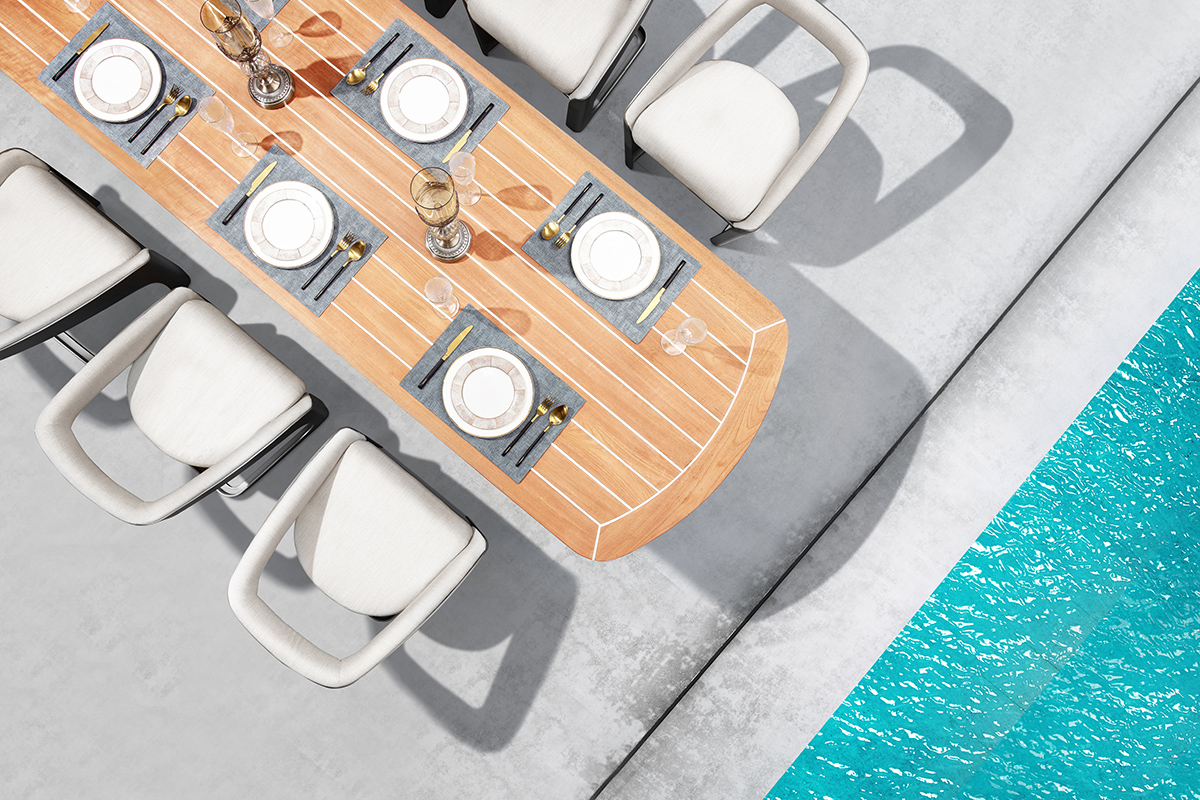
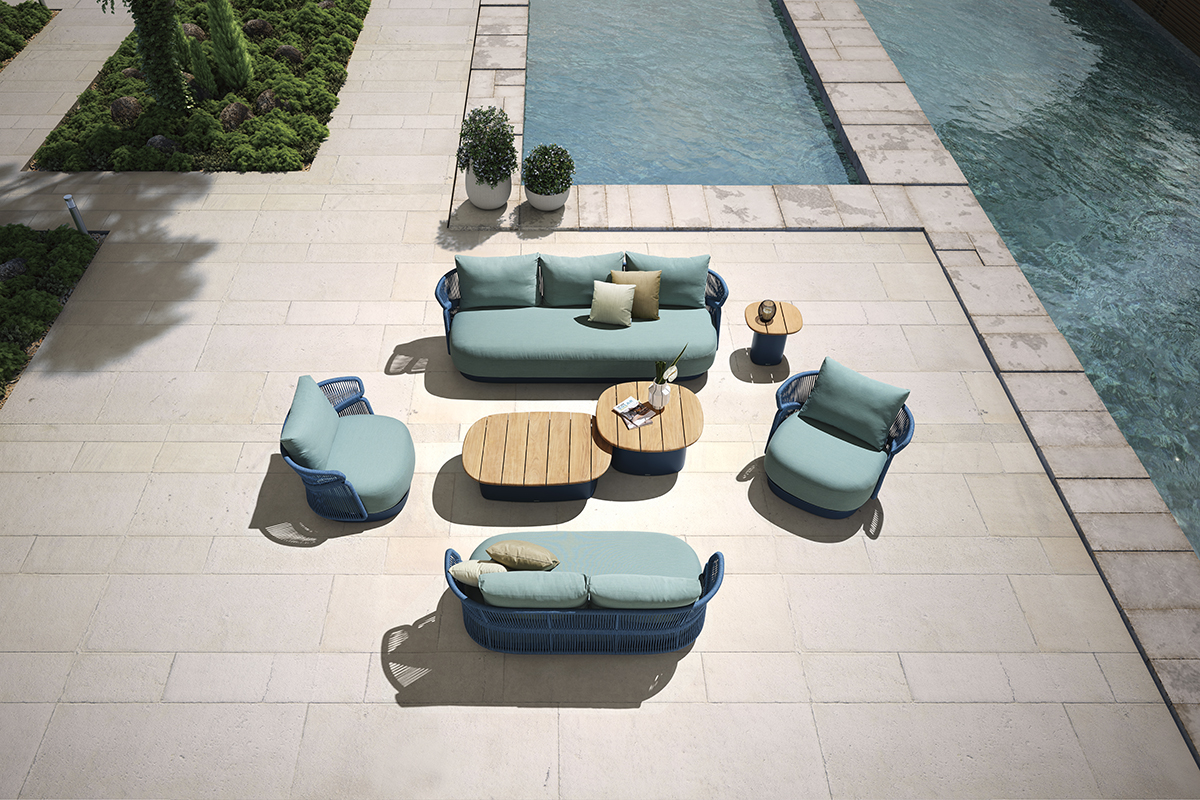
In high-end outdoor design, proportions are one of the most subtle but decisive tools for defining aesthetic quality and comfort. Beyond the choice of materials or finishes, it is the relationship between volumes, heights and depths that determines the overall harmony of an outdoor space, influencing visual perception and user experience. When designing outdoor furniture, the proportions must dialogue with the architecture and the surrounding landscape. Seats that are too low or tables that are too imposing can alter the balance of the space, while calibrated dimensions allow you to create welcoming and coherent environments. In this sense, outdoor design is getting closer and closer to indoor design, where the relationship between body and object becomes central. A fundamental aspect is the relationship between the human scale and the size of the environment. In residential contexts, smaller proportions favor an intimate atmosphere, while in hospitality or contract spaces, more generous volumes are often adopted to meet the needs of collective use. The ability to modulate these variables allows you to achieve a balance between functionality and aesthetic identity. The proportions also affect the perception of comfort. Seat depth, backrest inclination and height of the support surfaces are parameters that derive from ergonomic studies and contribute to making the user experience natural and relaxed. This approach reflects a vision of contemporary outdoor design in which aesthetics and well-being are closely connected.
Galleria immagini
In high-end design, research into proportions is intertwined with the quality of outdoor materials. Thin but resistant structures, visually light volumes and precise construction details allow to achieve a balance between solidity and lightness. It is a work of subtraction and measurement that requires technical skills and design sensitivity. In questo contesto, esempi come le collezioni di arredo da esterno di Higold Milano offrono un riferimento per osservare come il settore interpreti il tema delle proporzioni attraverso arredi che combinano volumi equilibrati e coerenza formale. Il richiamo a questi prodotti non riguarda l’aspetto commerciale, ma aiuta a comprendere come la ricerca progettuale si traduca in oggetti capaci di dialogare con spazi diversi. Un ulteriore elemento da considerare è la relazione tra proporzioni e percezione dello spazio. Arredi ben calibrati possono ampliare visivamente un ambiente, creare punti focali o definire zone funzionali all’interno di un giardino o di una terrazza. In questo modo il design diventa uno strumento di organizzazione spaziale, oltre che di espressione estetica. Finally, the issue of proportions is also linked to sustainability. Objects designed with correct measurements and optimized use of materials reduce waste and improve durability, contributing to a more conscious approach to production and consumption. In high-end outdoor design, therefore, dimensional accuracy is not just a matter of form, but an element that affects the entire life cycle of the product. The role of proportions in outdoor design is to create balance between space, object and person. It is through this relationship that the furnishings are able to integrate harmoniously into the context, transforming outdoor environments into quality places, designed to be lived in over time.