Higold Milano at Giardini & Terrazzi Bologna: observations on contemporary outdoor design
Between design culture and the transformation of open spaces, the role of outdoor furniture in current design practices
Pubblicato il:
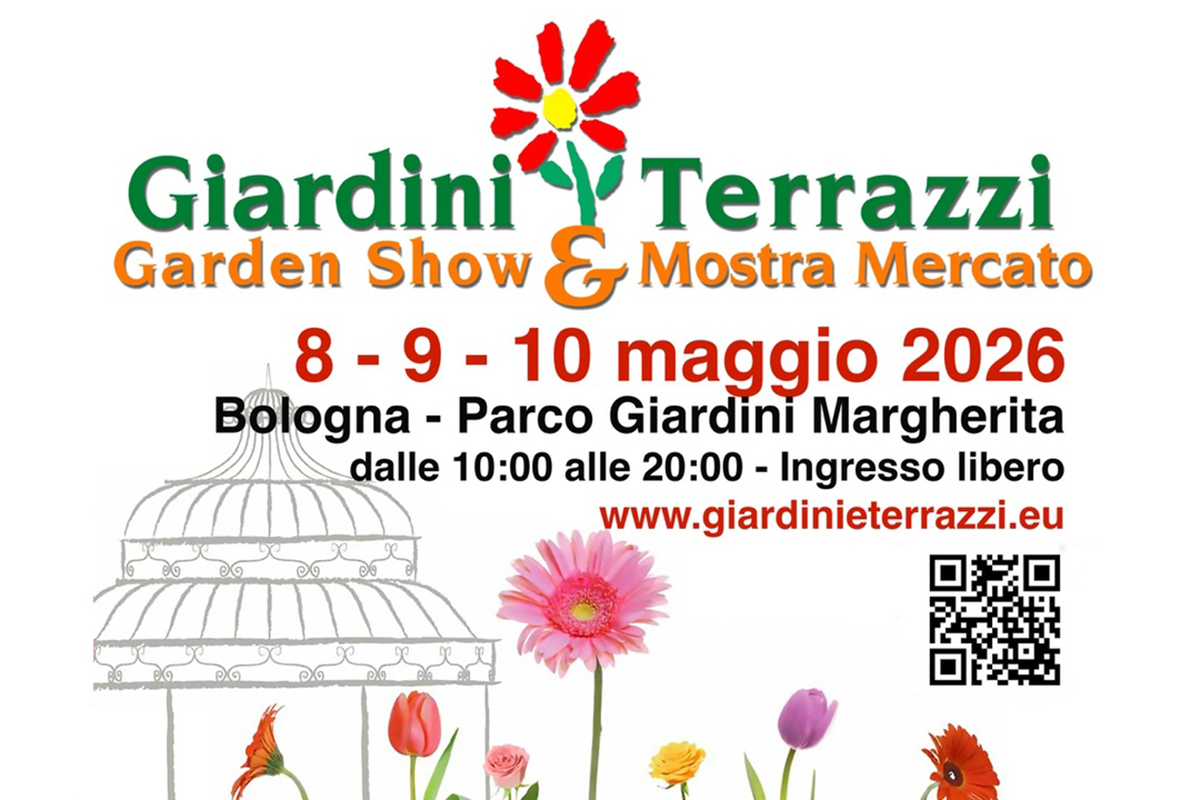
Higold Milano’s presence at the Giardini & Terrazzi fair in Bologna is part of a broader context of reflection on contemporary outdoor design and the growing centrality of open spaces in domestic design. The Bologna event, dedicated to greenery and outdoor living, is in fact configured as a privileged observatory on the transformations of the living landscape and on the new ways of relating between inside and outside.
In recent years, the concept of outdoor space has undergone a significant redefinition. Gardens and terraces are no longer considered accessory elements, but integral parts of the living experience. In this scenario, outdoor furniture takes on an increasingly important design role, helping to build environments that meet the needs of comfort, durability and aesthetic coherence.
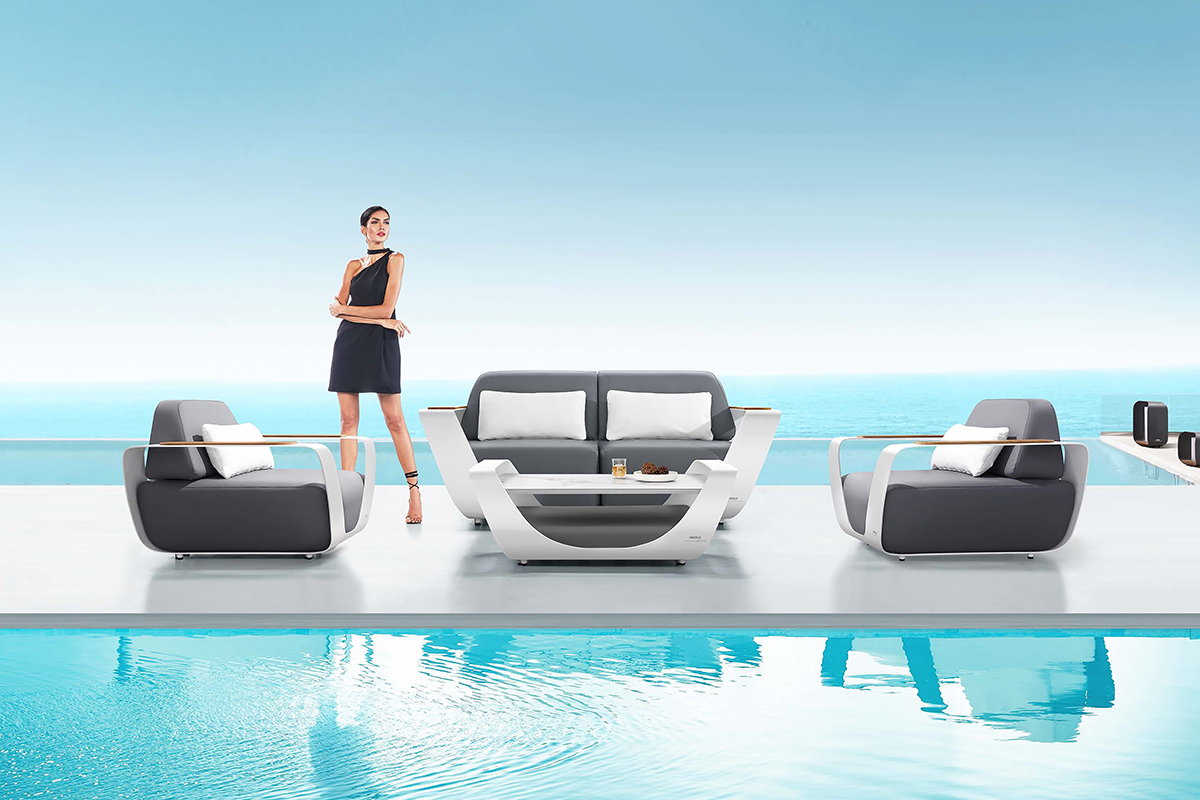
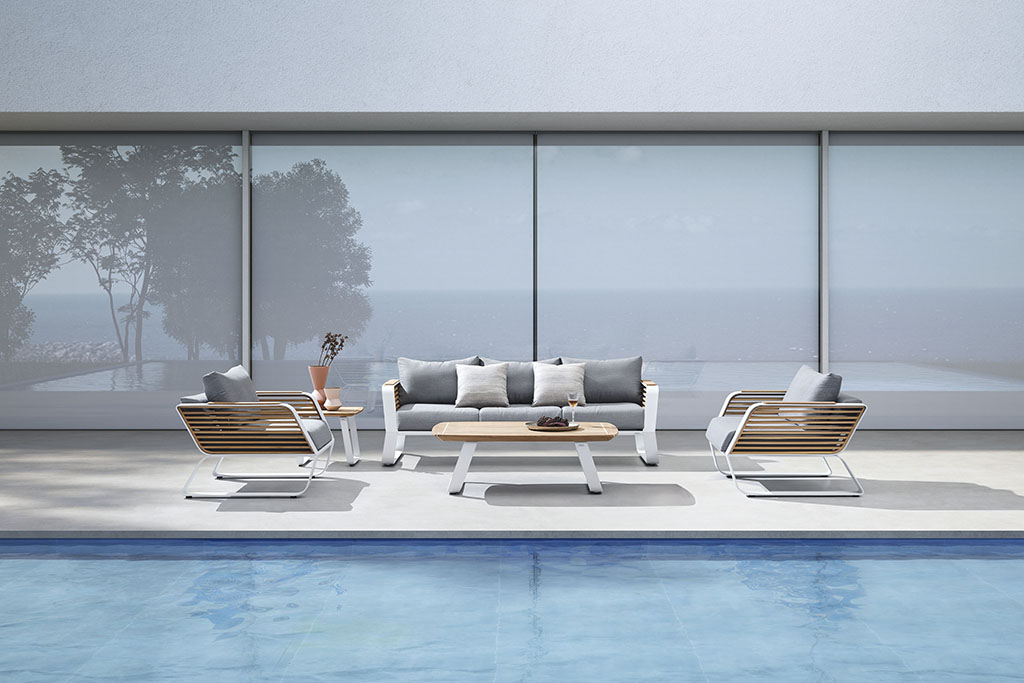
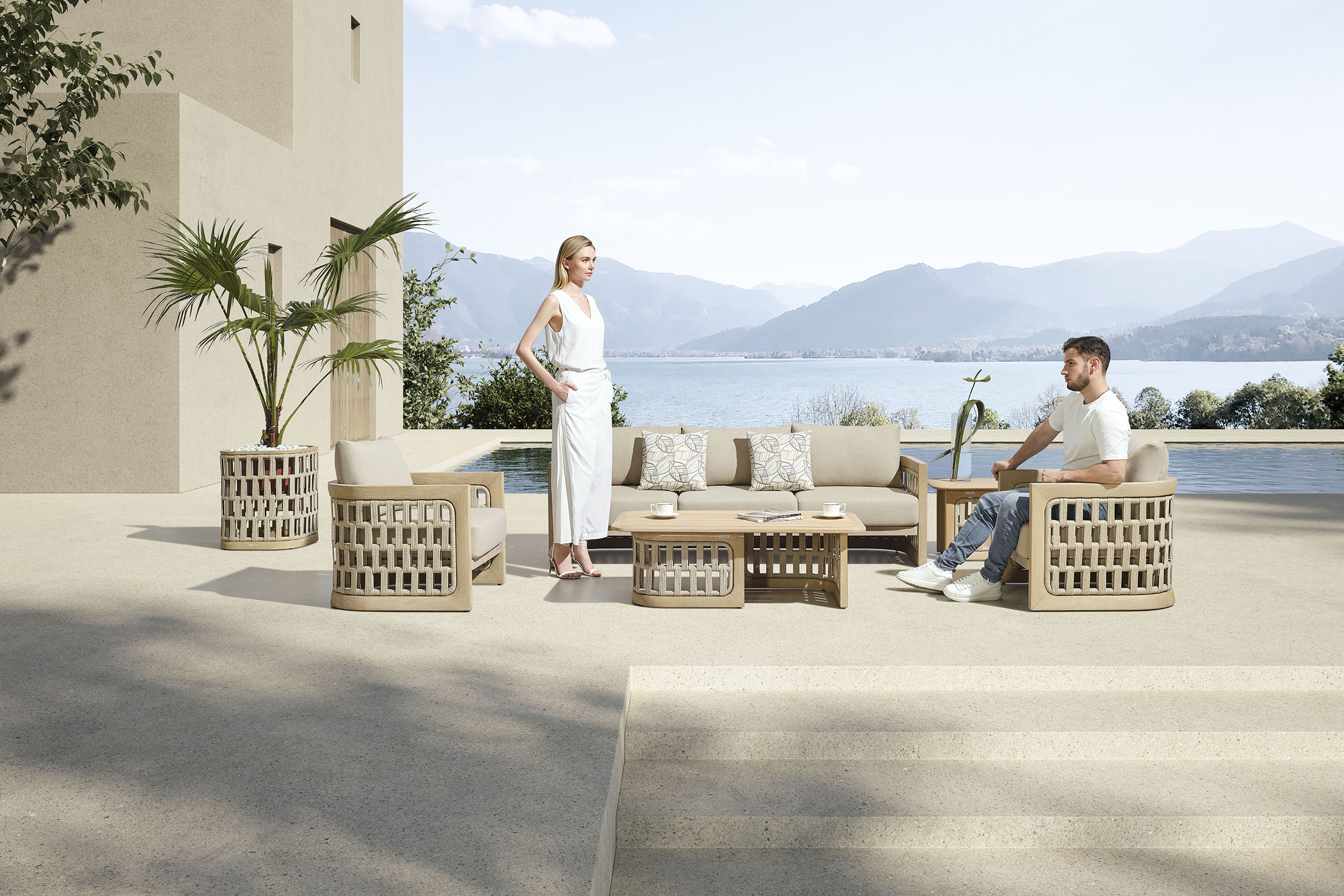
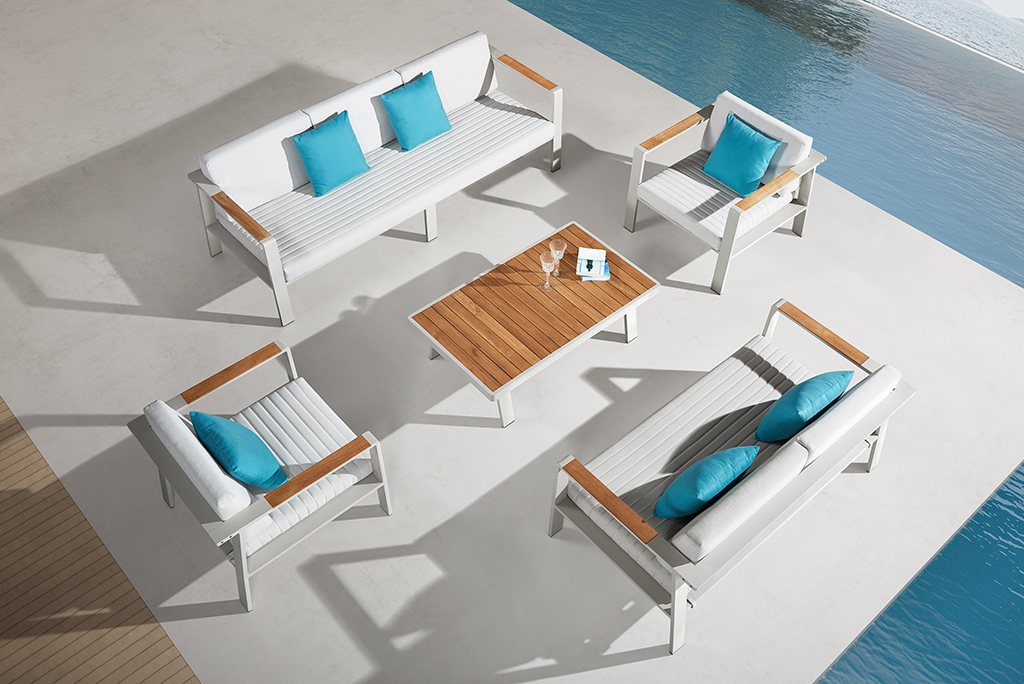
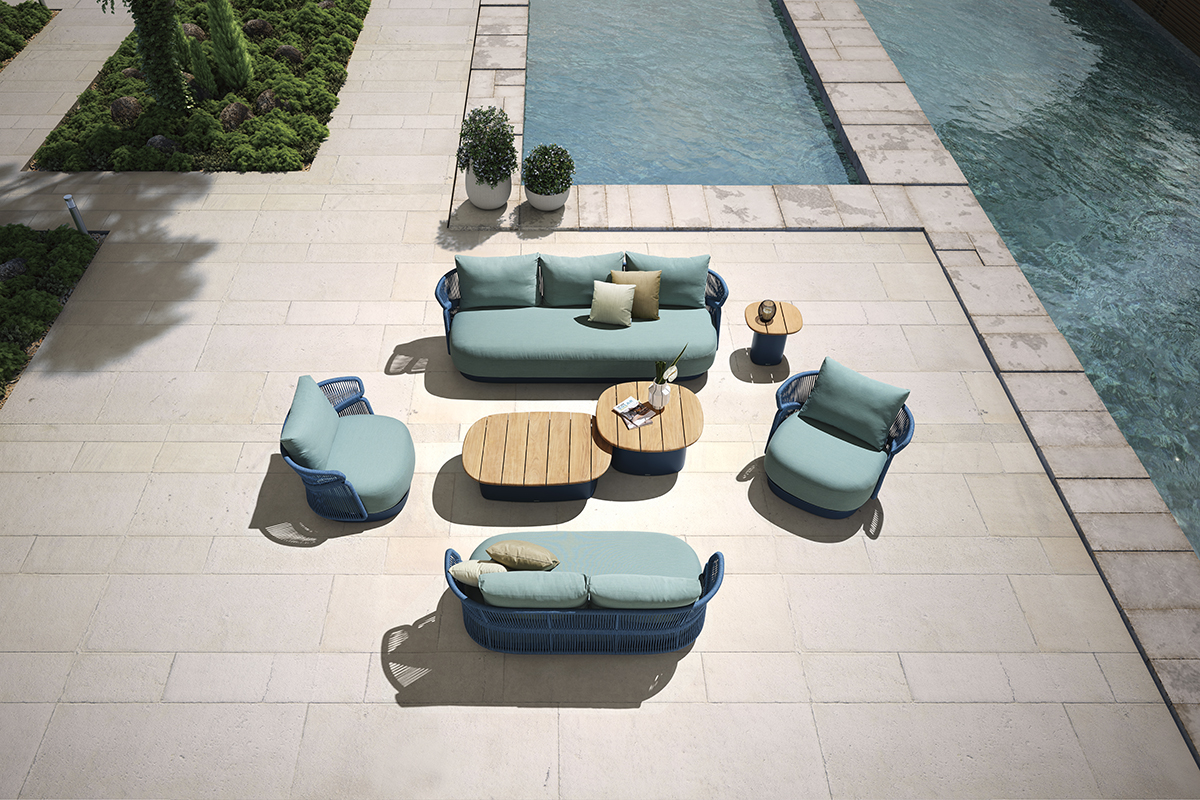
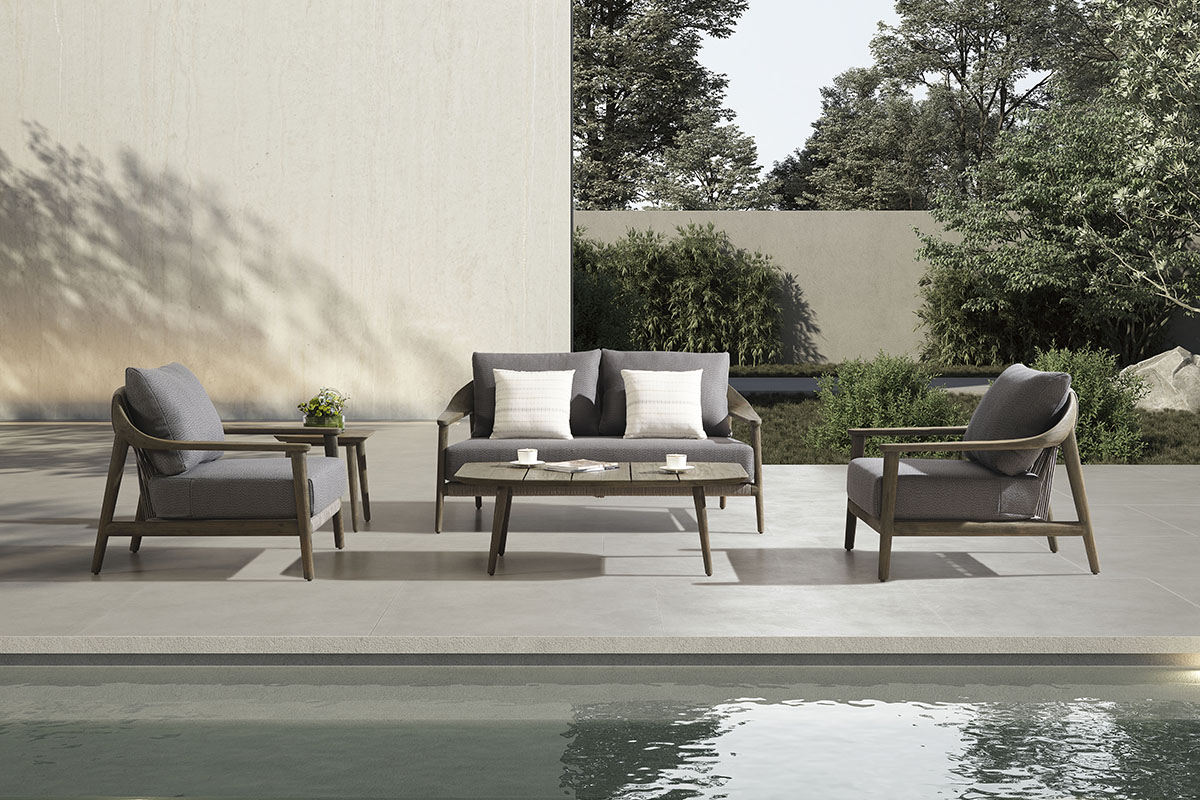
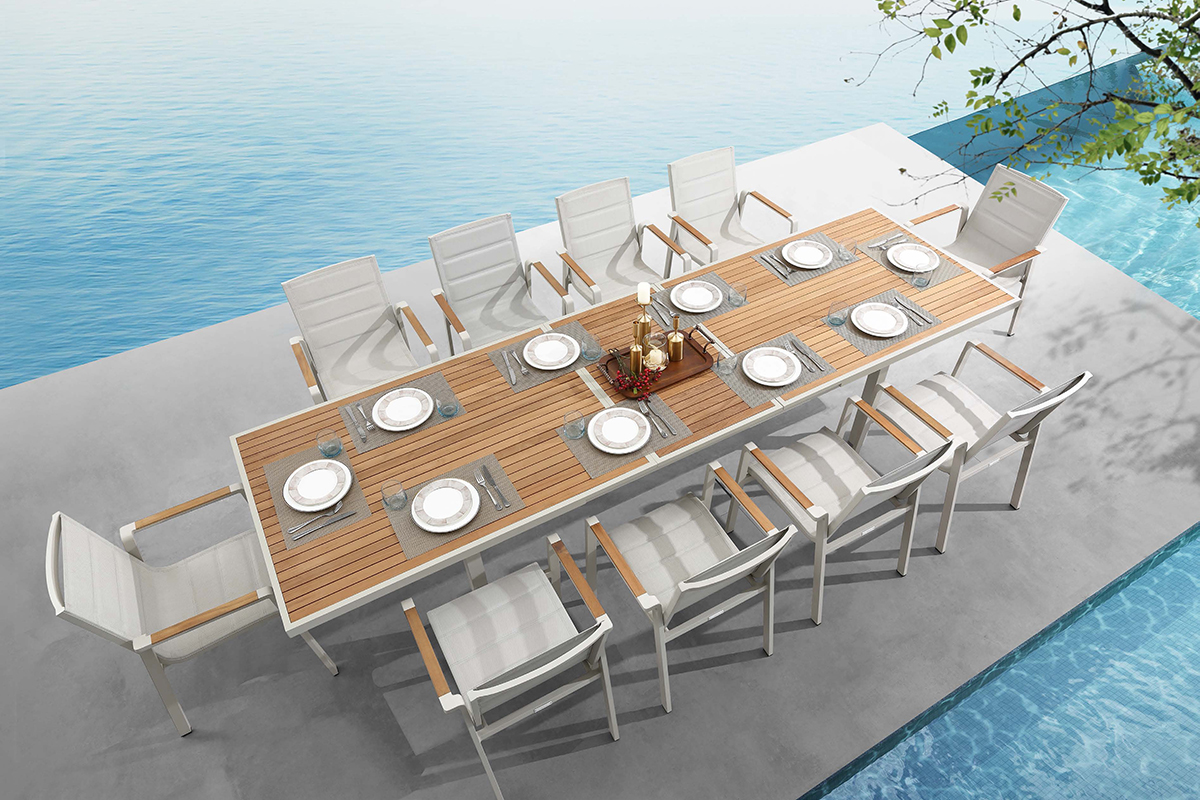
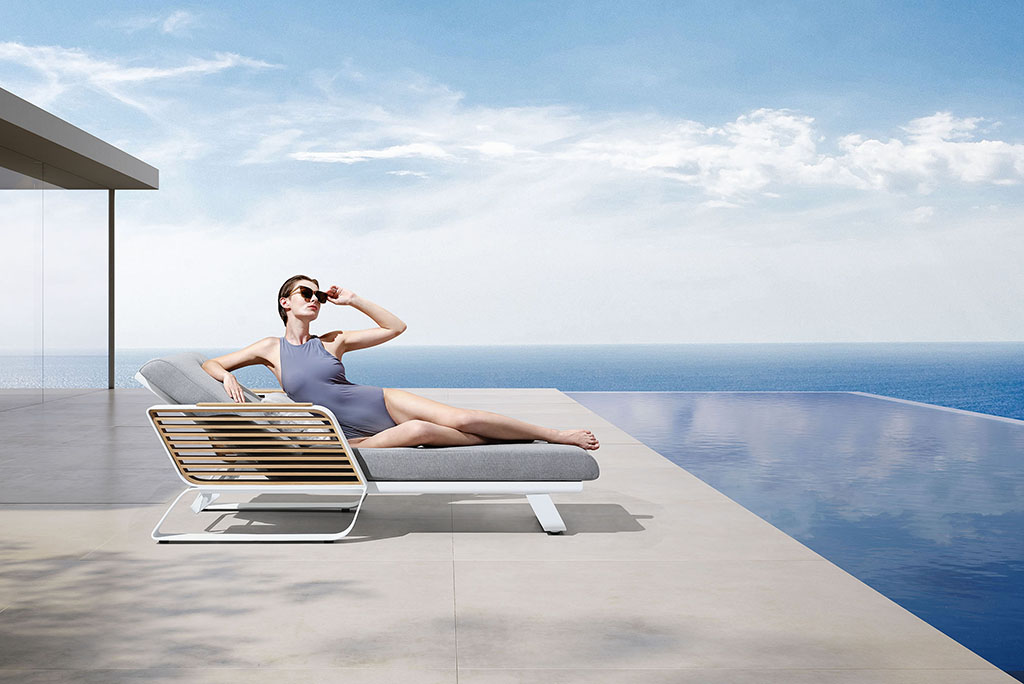
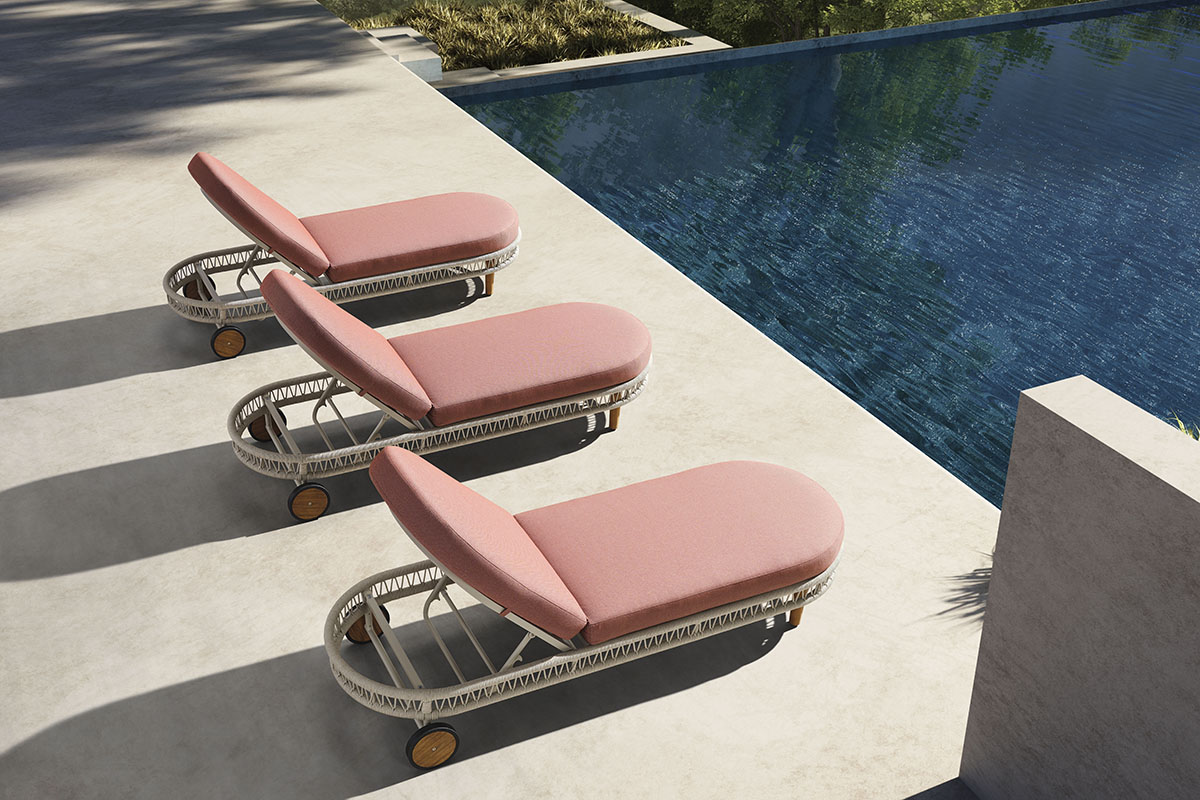
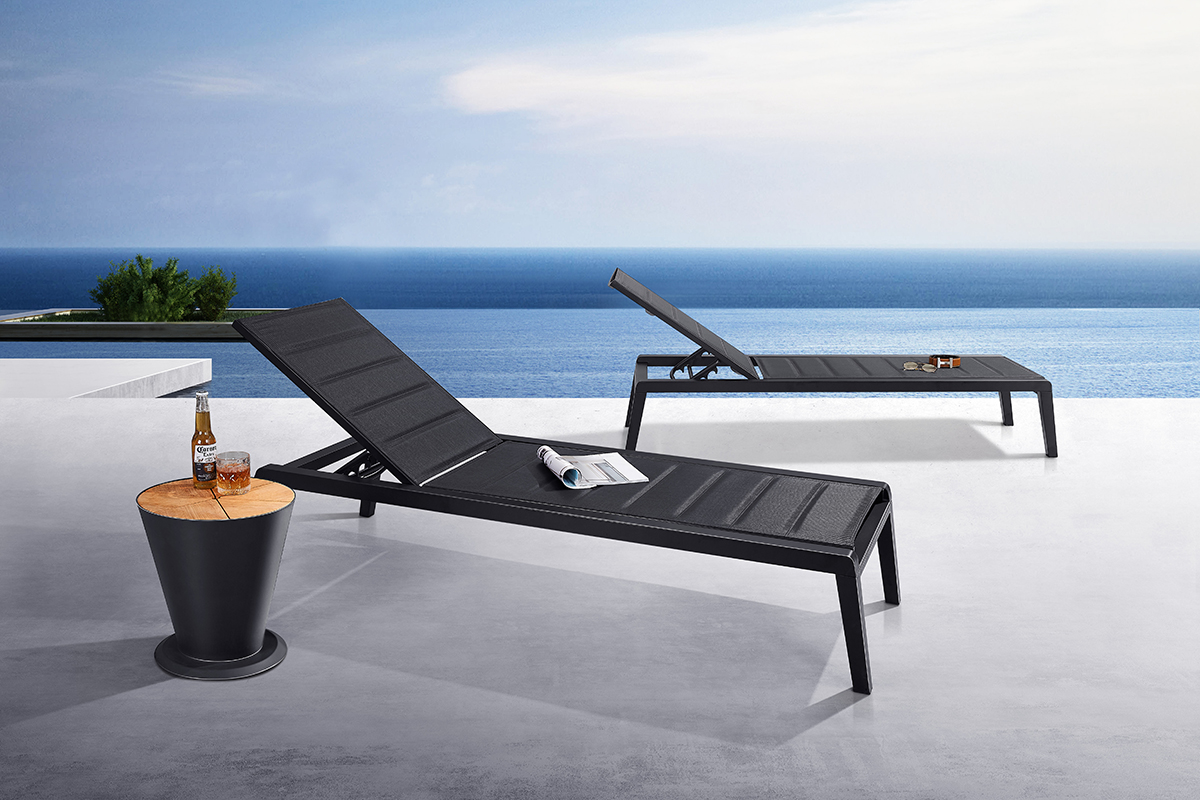
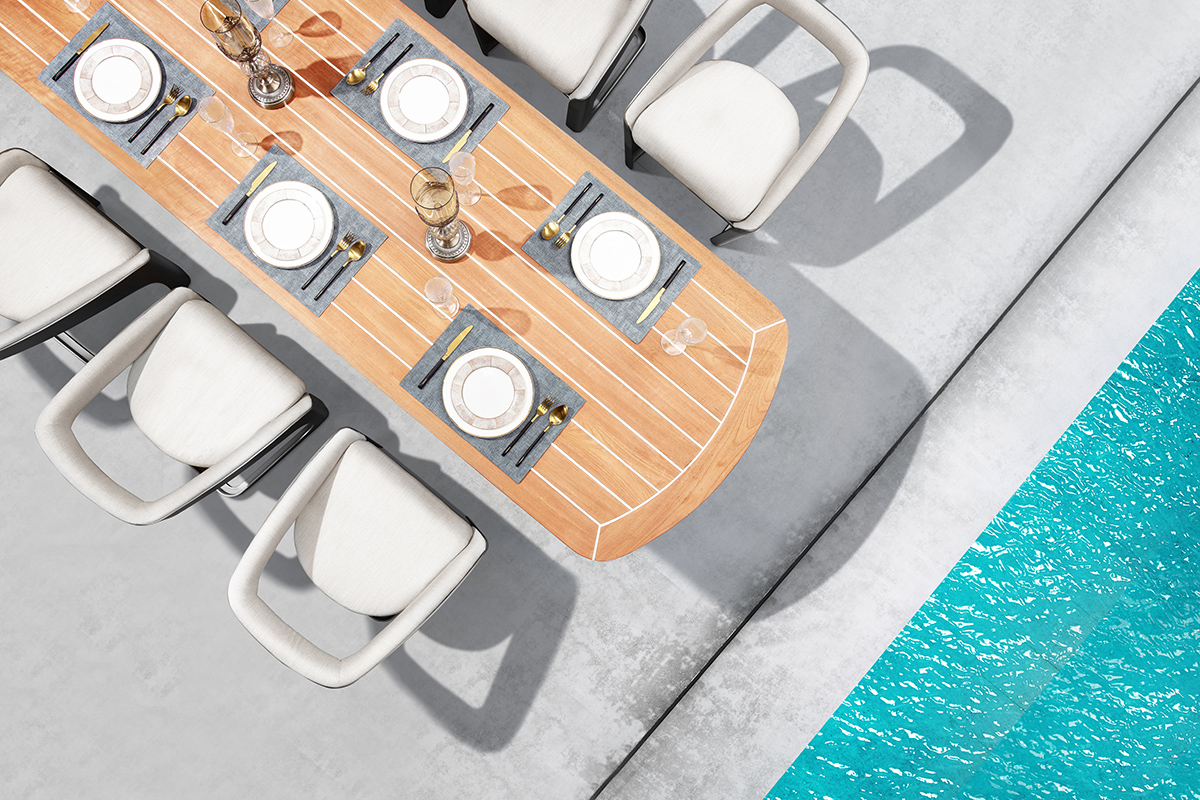
The participation of Higold Milano, already present in previous editions of the event, can be read in this key: not so much as a product exhibition, but as an insertion within a broader discourse on the design of open spaces. The outdoor furniture collections presented reflect an approach that tends to standardize languages and materials between indoors and outdoors, reducing the traditional distance between the two areas.
Galleria immagini
From a formal point of view, a certain continuity emerges with contemporary design trends, characterized by clean lines, modularity and a controlled material palette. However, what appears more interesting is the attempt to adapt these design codes to specific environmental conditions, where resistance and maintenance become determining factors.
Within the fair, the comparison between different companies and designers highlights how the garden furniture sector is now crossed by a double tension: on the one hand the need for innovation, on the other the need to respond to sustainability criteria. In this sense, the theme of sustainable design is not limited to the choice of materials, but involves the entire life cycle of the product and its impact on the context.
Another important aspect concerns the progressive hybridization between the residential and contract sectors. Outdoor living solutions are increasingly addressing shared spaces, hospitality and public environments, expanding the field of application of the project. This phenomenon contributes to redefining the role of outdoor design furniture, which is configured as an element of connection between architecture, landscape and social use of space.
In this context, events such as Giardini & Terrazzi take on a value that goes beyond the simple commercial exhibition. They become moments of synthesis and comparison, in which to closely observe the directions of outdoor design and its possible evolutions.
The presence of Higold Milano, therefore, is placed within this articulated system, offering a further starting point to question how the project can contribute to redefining the way we experience open spaces.