How to choose the right garden furniture for every need
A practical guide to materials, proportions and functions for conscious outdoor furniture
Pubblicato il:
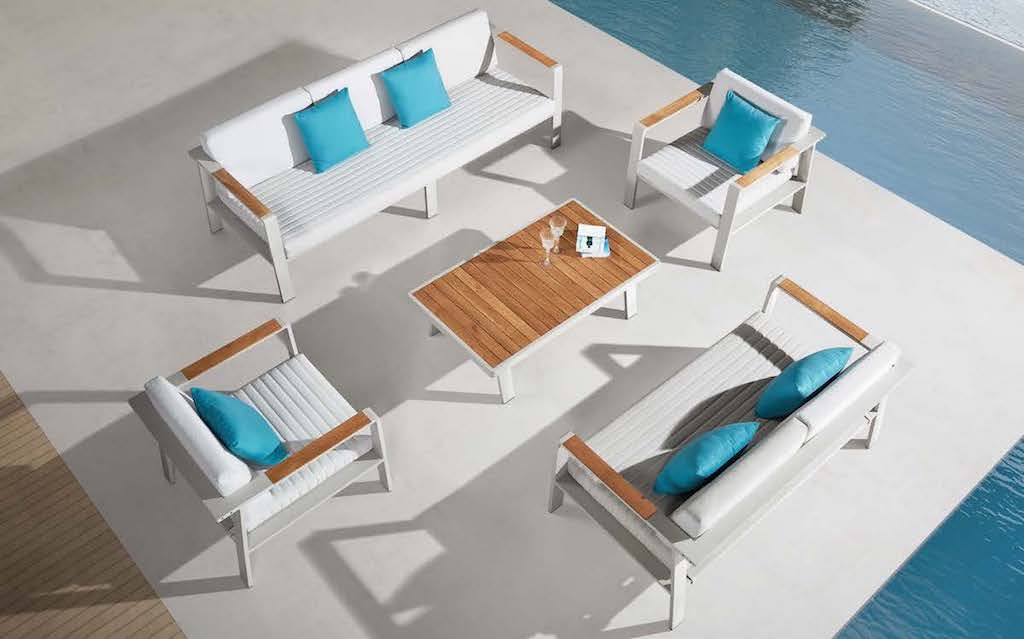
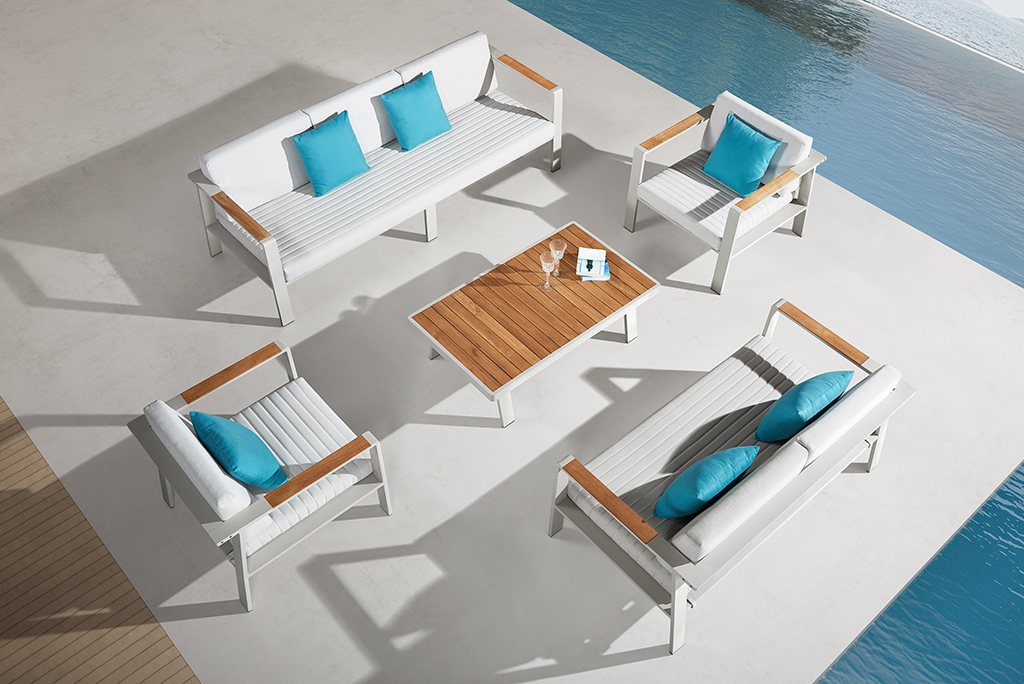
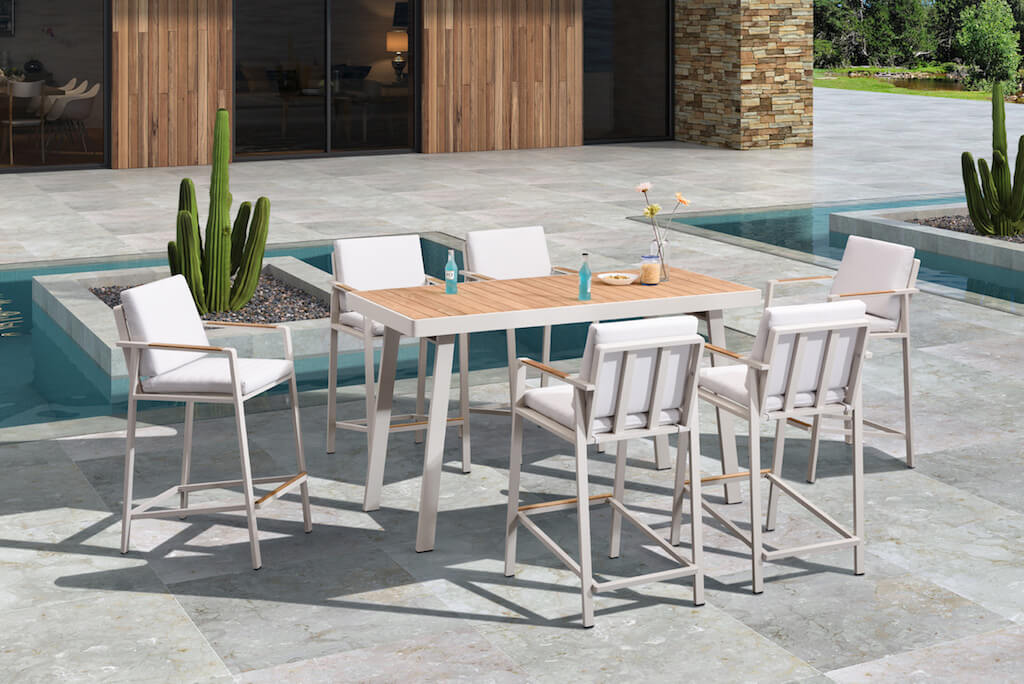
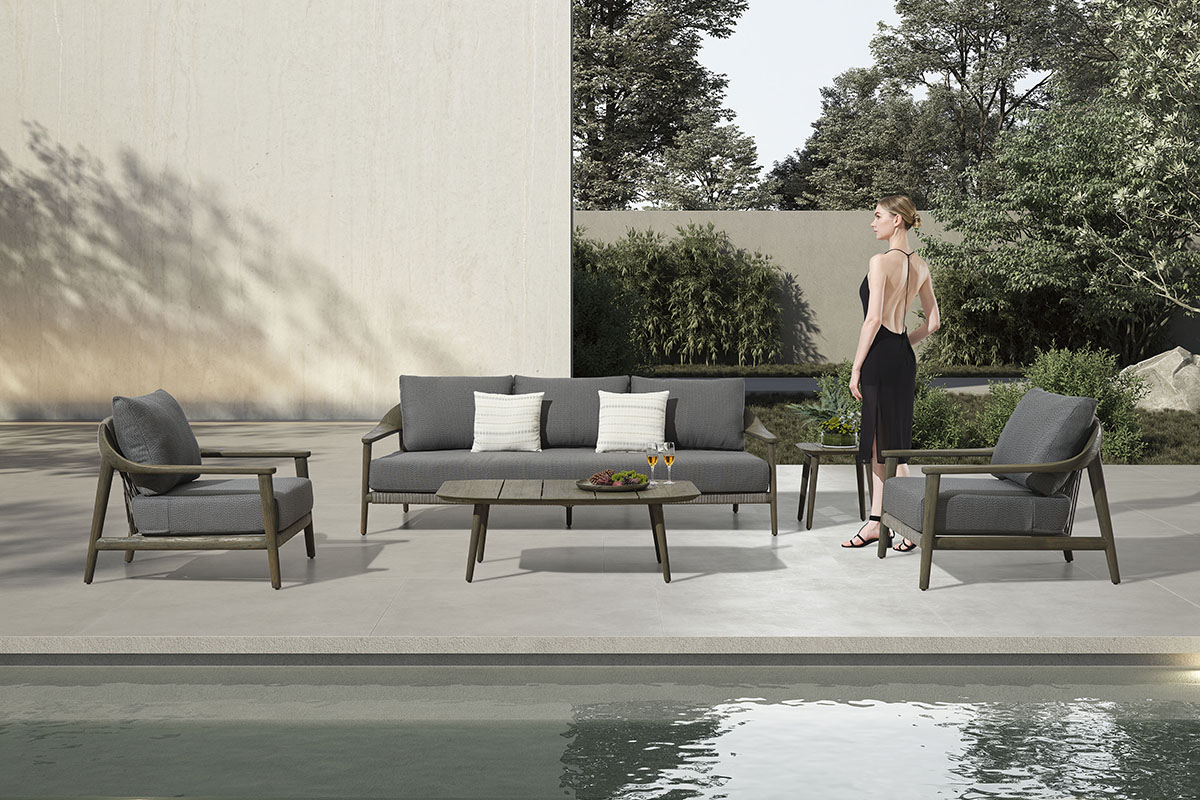
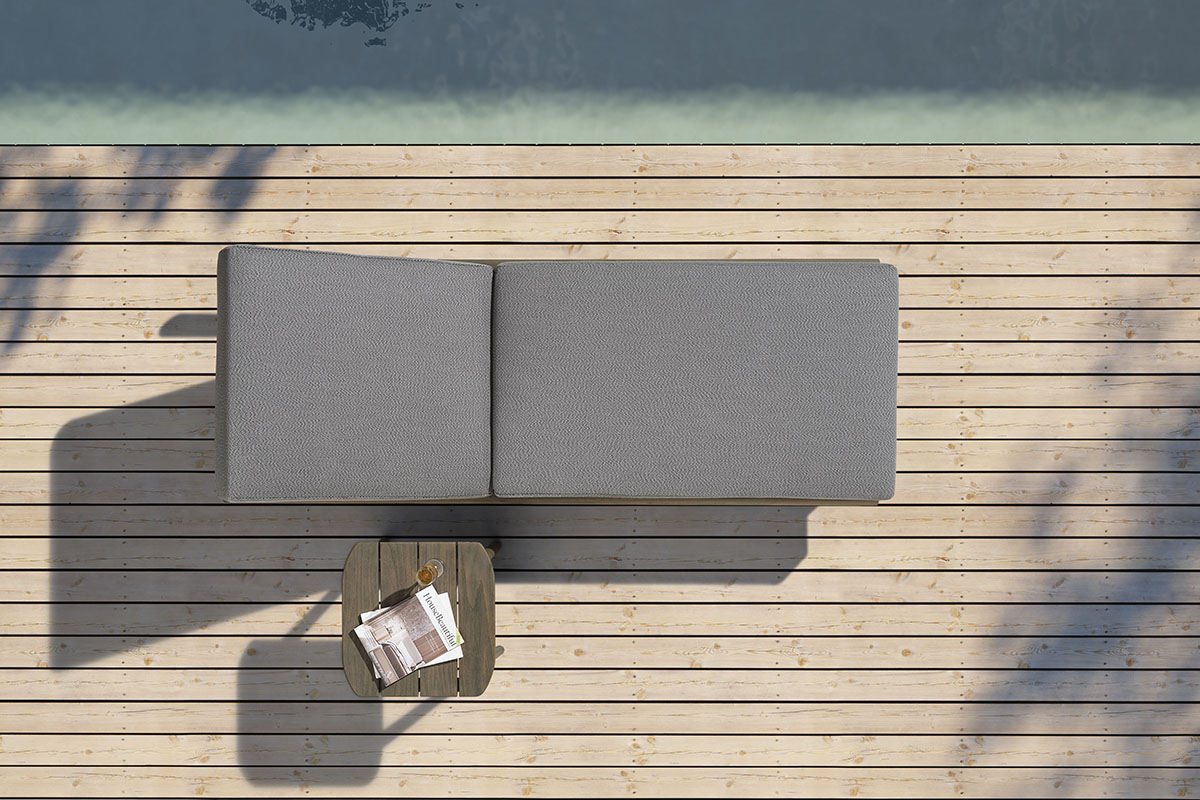
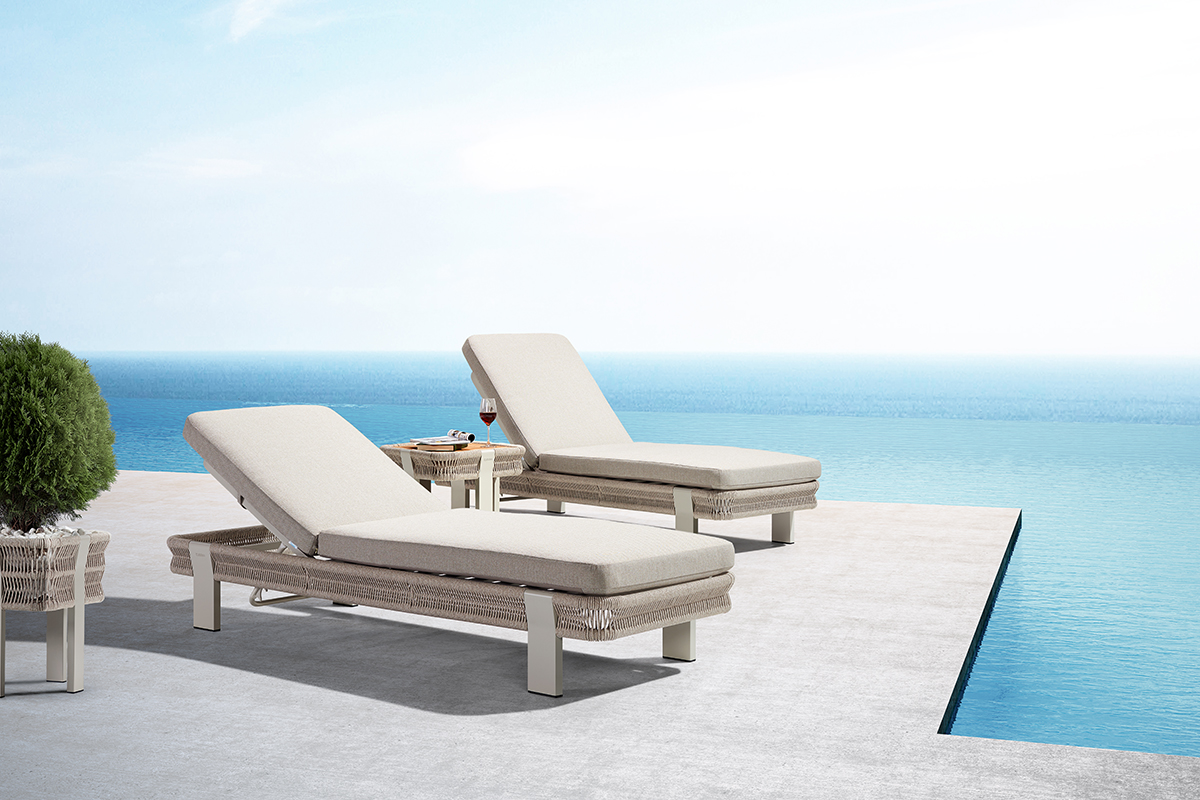
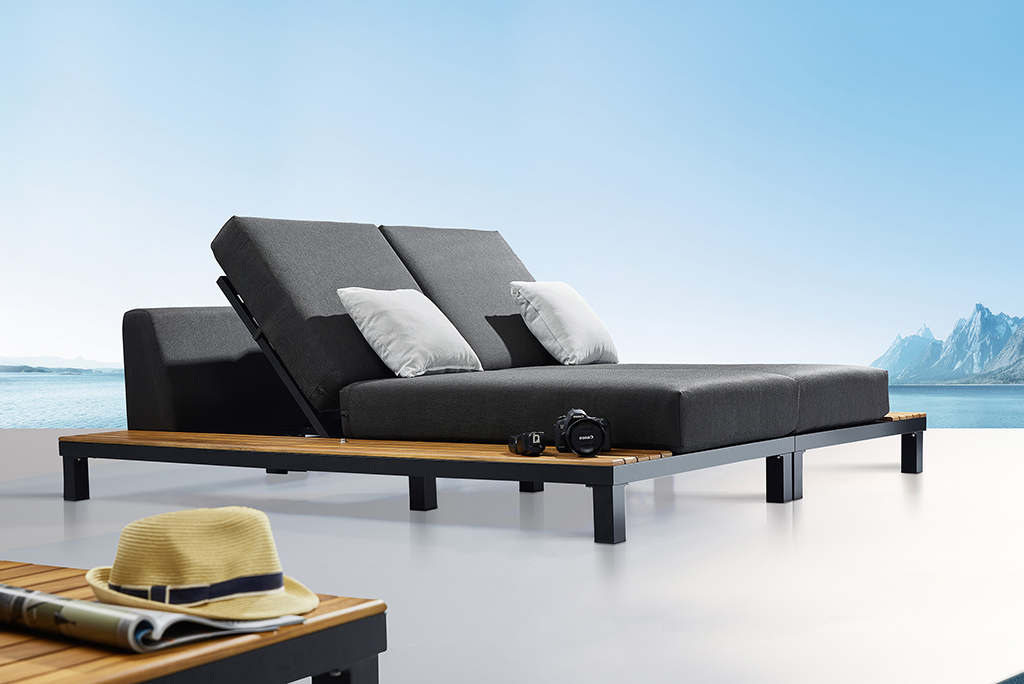
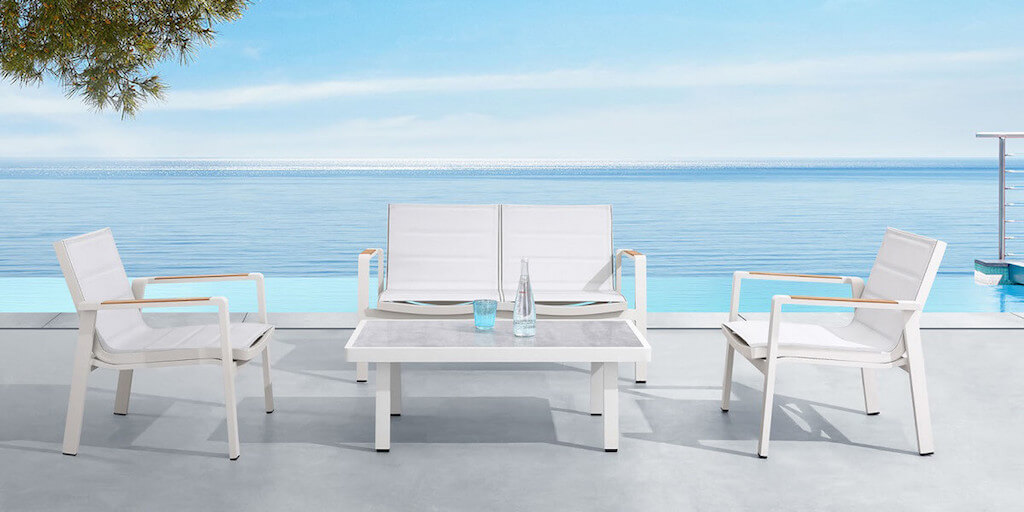
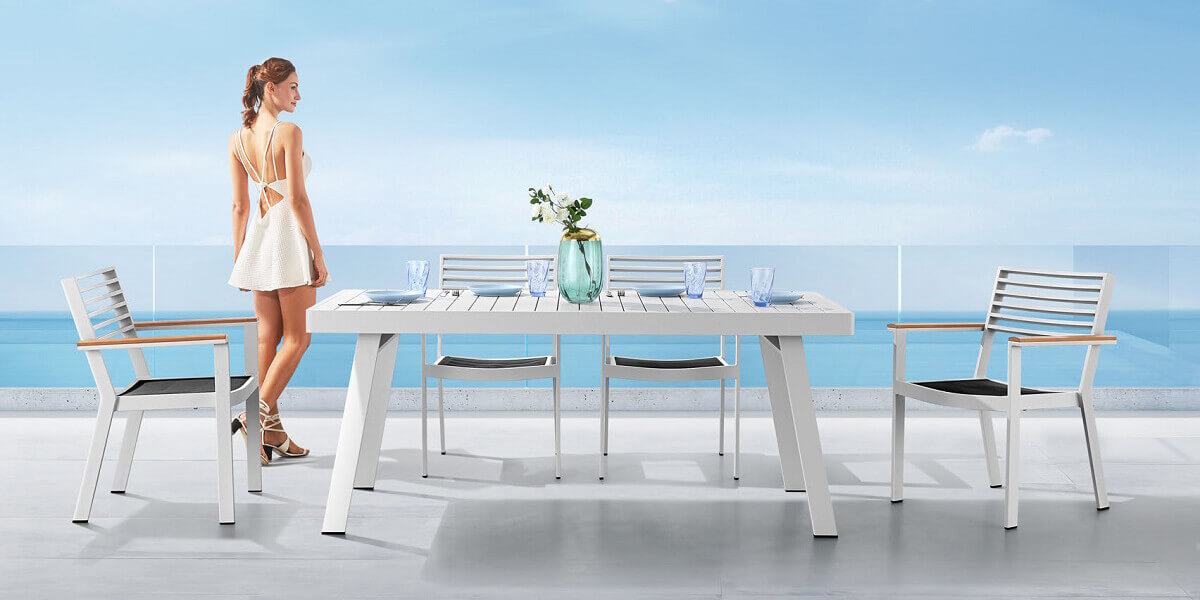
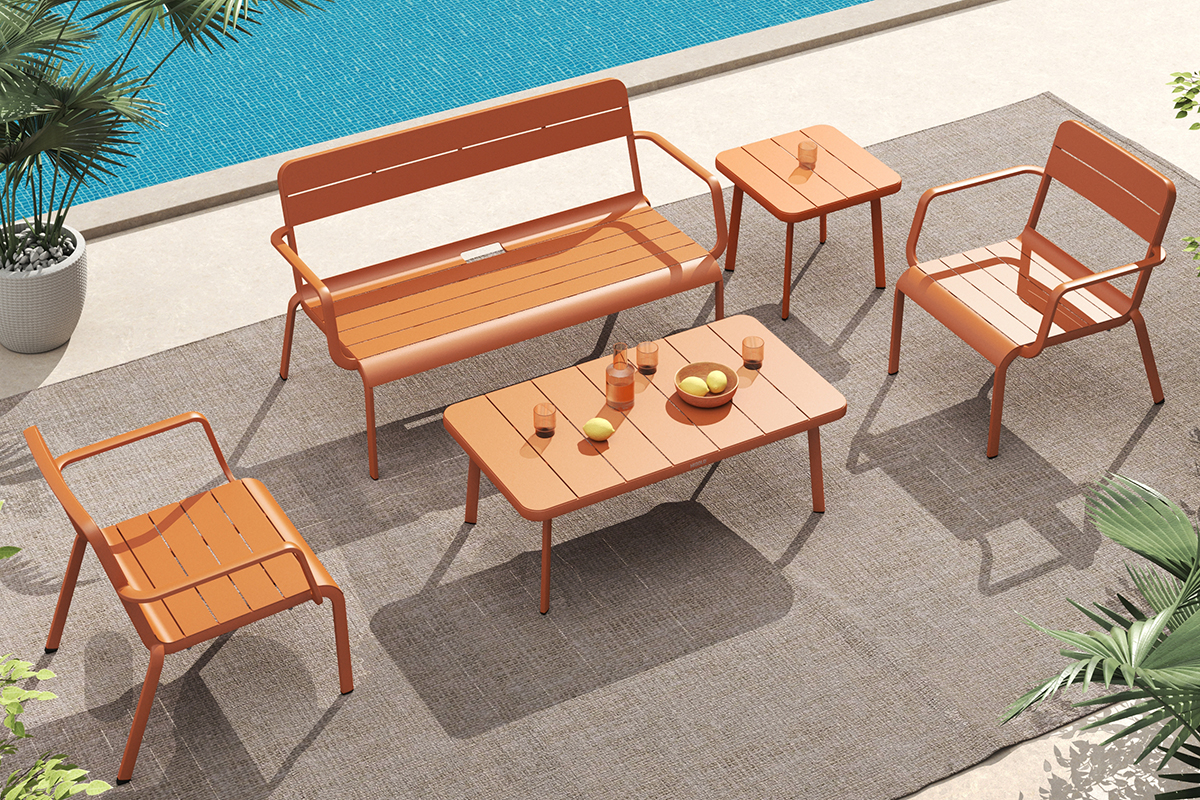
Choosing garden furniture is not just a matter of aesthetics, but a real design process that requires attention to several factors. From functionality to the quality of materials, up to consistency with the surrounding space, every decision contributes to defining the character and livability of the outdoor environment. The first aspect to consider is the use of space. A garden can be thought of as a place of conviviality, perfect for outdoor lunches and dinners, or as an area dedicated to relaxation, where you can carve out moments of tranquility. Often, a balanced combination of both functions is the best solution. Clearly defining priorities allows you to orient the choice of furnishings in a more conscious and effective way, avoiding inconsistent purchases. Size and proportions are key elements. Inserting furniture that is too large risks weighing down the space and compromising its usability, while lighter and more well-calibrated solutions help maintain a correct visual balance. It is important to leave free areas to facilitate passage and make the environment more harmonious and functional. La qualità dei materiali outdoor rappresenta un elemento imprescindibile. Gli arredi outdoor devono essere progettati per resistere a condizioni atmosferiche variabili come sole, pioggia e umidità, mantenendo nel tempo le proprie caratteristiche estetiche e strutturali. I metalli trattati, come alluminio e acciaio, garantiscono resistenza e leggerezza; i legni selezionati offrono un’estetica più naturale e calda; mentre le superfici tecniche assicurano elevate prestazioni e facilità di manutenzione.
Galleria immagini
Alongside durability, comfort plays an equally important role. Ergonomic seats, cushions made of fabrics resistant to external agents and surfaces that are pleasant to the touch make the space more welcoming and livable. A well-furnished garden should invite you to live in, not just observe. Another increasingly important aspect is flexibility. Modular or easily reconfigurable solutions allow the space to be adapted to different needs over time. Extendable tables, modular seats and light furniture to be moved make the garden a dynamic space, capable of evolving according to occasions. In the current landscape, outdoor furniture collections such as those of Higold Milano offer a balance between design and functionality. Their proposals stand out for their attention to proportions, the quality of the materials and the ability to adapt to different living contexts, guaranteeing versatile and durable solutions. Finally, it is important to consider the whole. Furniture should not be isolated elements, but part of a coherent project that integrates greenery, light and architecture. The inclusion of plants, the use of lighting and the relationship with the built space contribute to creating a harmonious and complete environment. Choosing the right outdoor furniture therefore means building a space that meets the needs of everyday life, maintaining quality, identity and aesthetic value over time. A well-designed garden thus becomes a natural extension of the home, capable of offering well-being and functionality in every season.