The detail that makes the difference in outdoor design
Materials, proportions and finishes: how small elements define the quality of outdoor spaces
Pubblicato il:
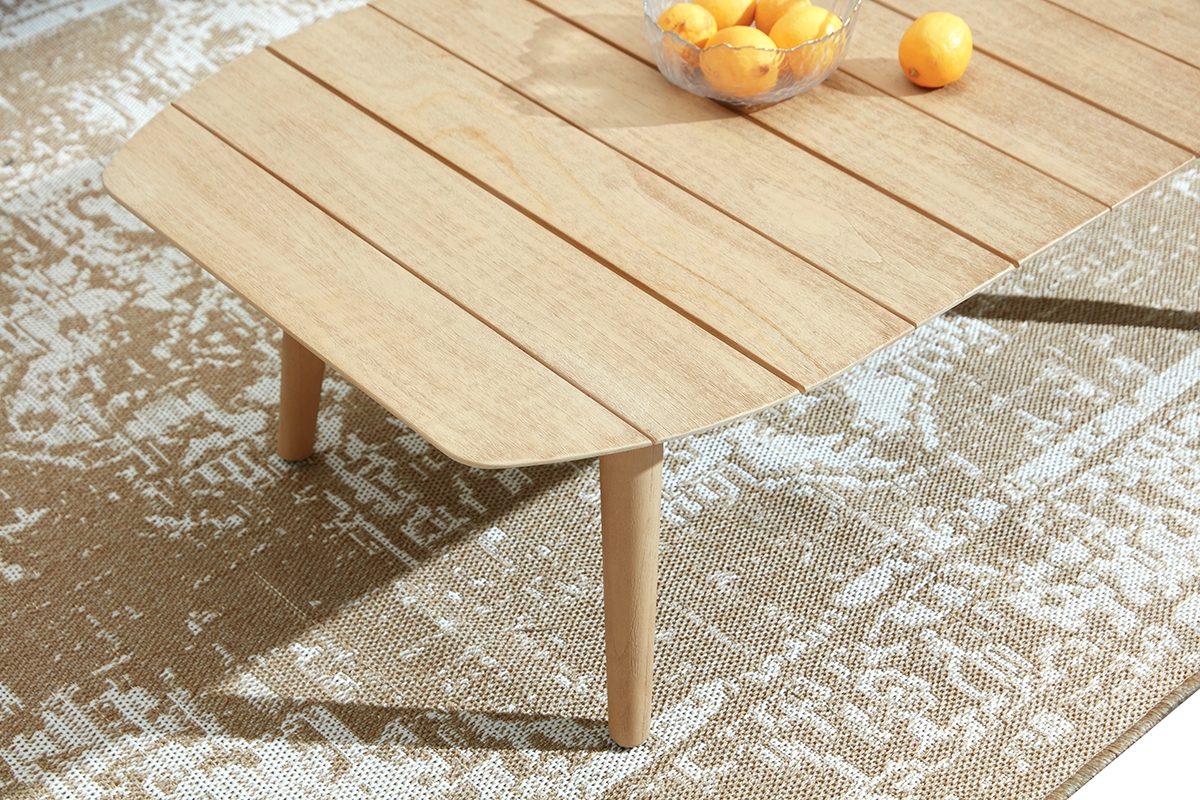
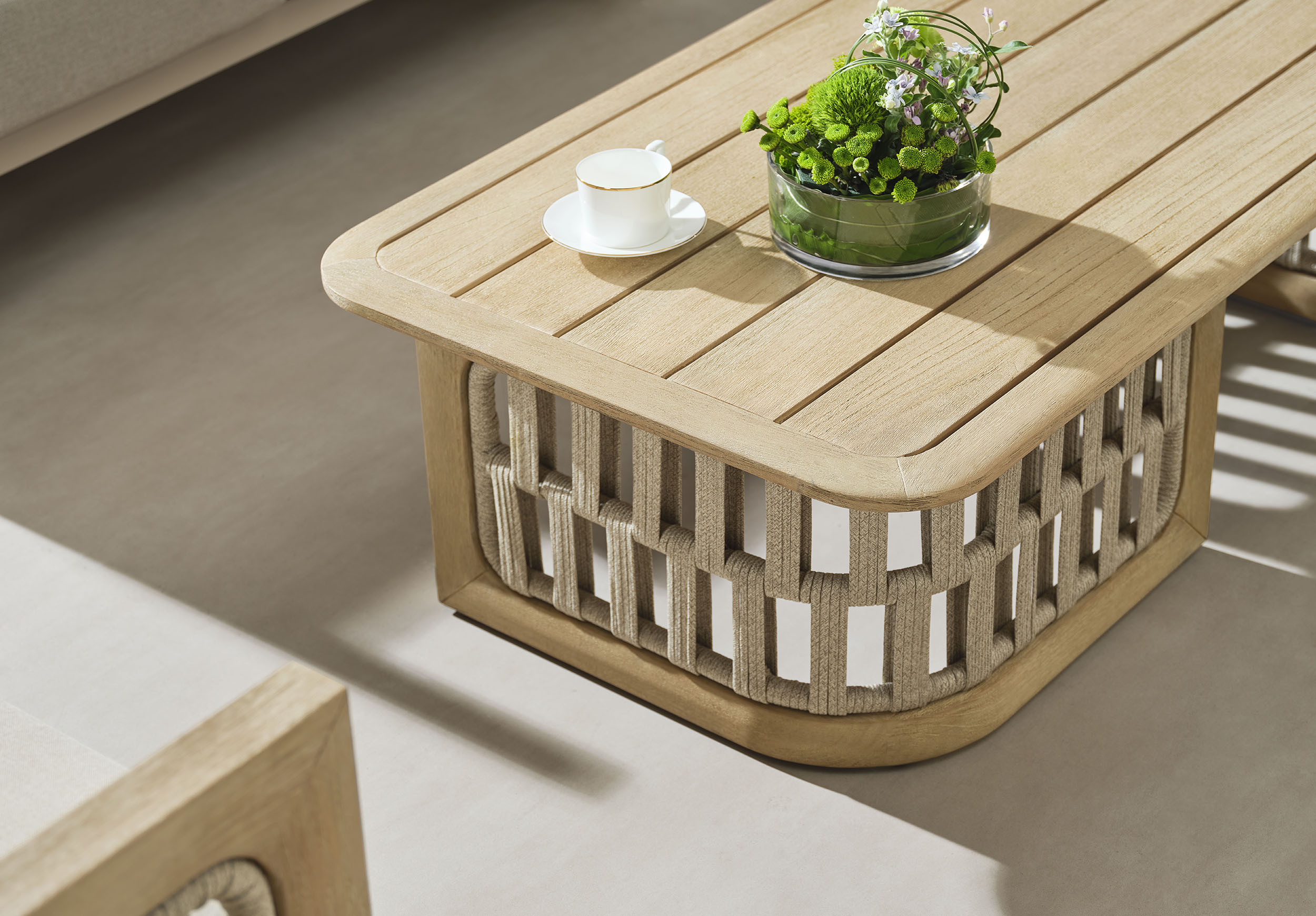
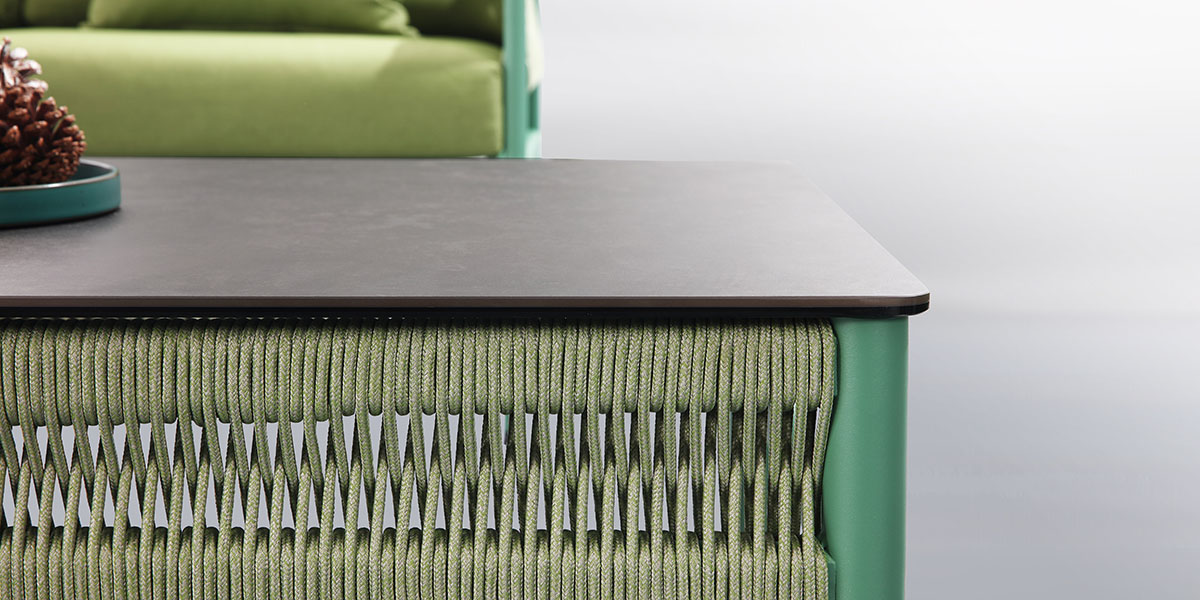
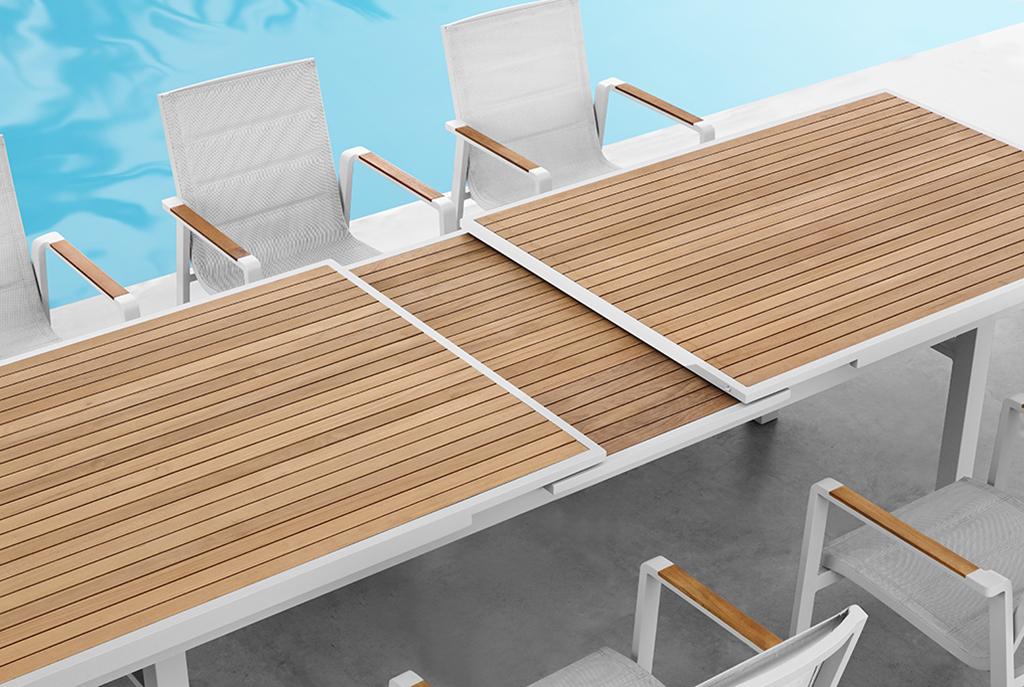
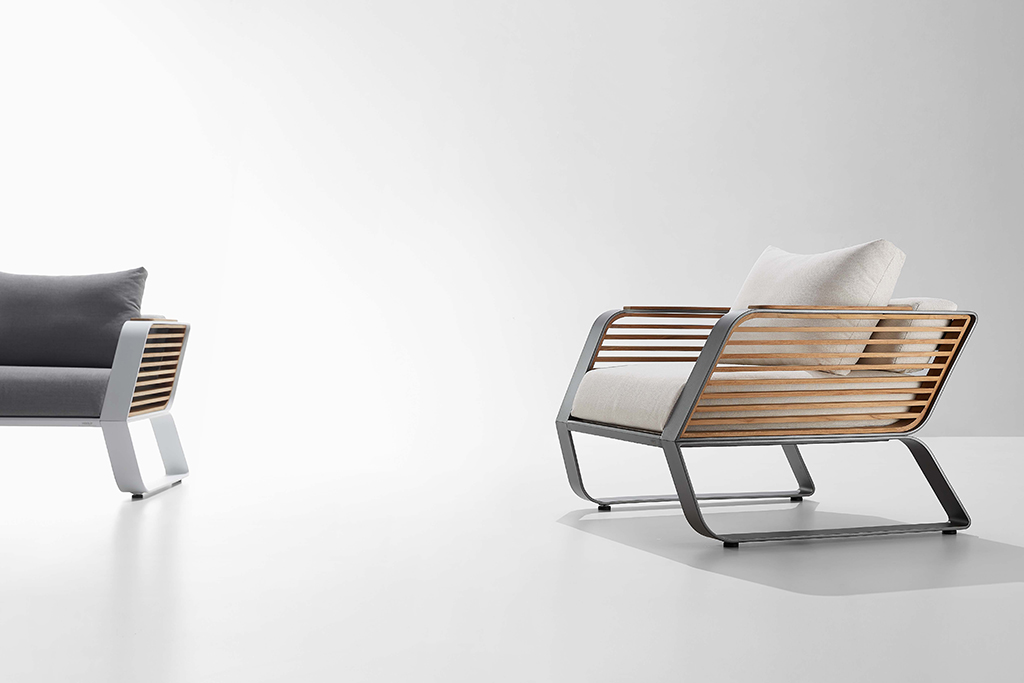
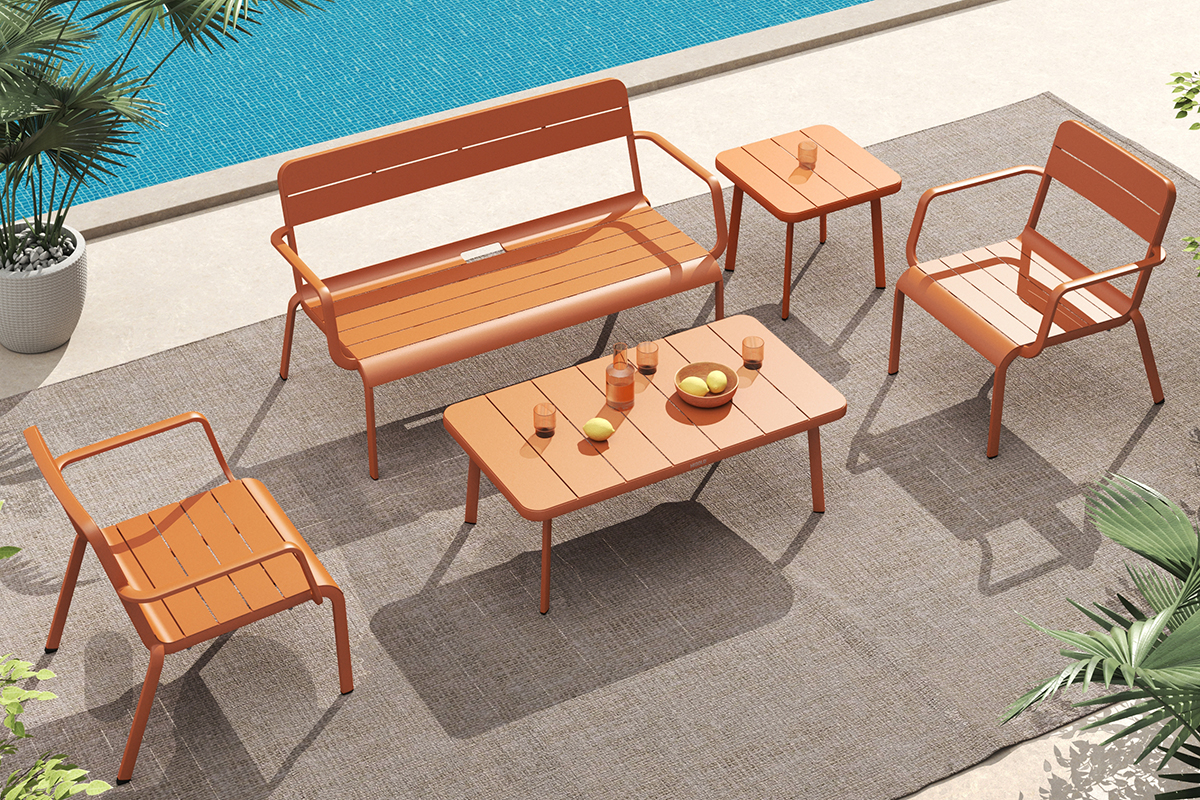
In the design of outdoor spaces, it is often the details that determine the overall quality of an environment. In the world of outdoor design, every element – from the choice of materials to the proportions of the seats, up to the finishes – contributes to building a balance between aesthetics, comfort and functionality. It is not just a matter of choosing some garden furniture, but of designing a coherent system capable of dialoguing with the architectural and natural context. The concept of contemporary outdoor furniture stems precisely from this attention to detail. A well-proportioned table, a light but durable structure or a finish designed to reflect natural light can radically change the perception of a space. In the design of terrace furniture or modern garden furniture, the quality of the detail therefore becomes a fundamental element. One of the most relevant aspects concerns the choice of outdoor materials. Treated metals, natural woods and technical surfaces are designed to withstand weather conditions, maintaining aesthetics and functionality over time. In this context, the quality of outdoor furniture finishes plays a central role: edges, textures and colour combinations help to define the identity of design outdoor furniture. In exterior design, the proportion between the elements is also a determining factor. In a modern garden, for example, overly voluminous seats could weigh down the space, while light and linear structures allow you to enhance the vegetation and natural light. In the same way, a table with balanced dimensions can become the focal point of an area dedicated to outdoor living.
Galleria immagini
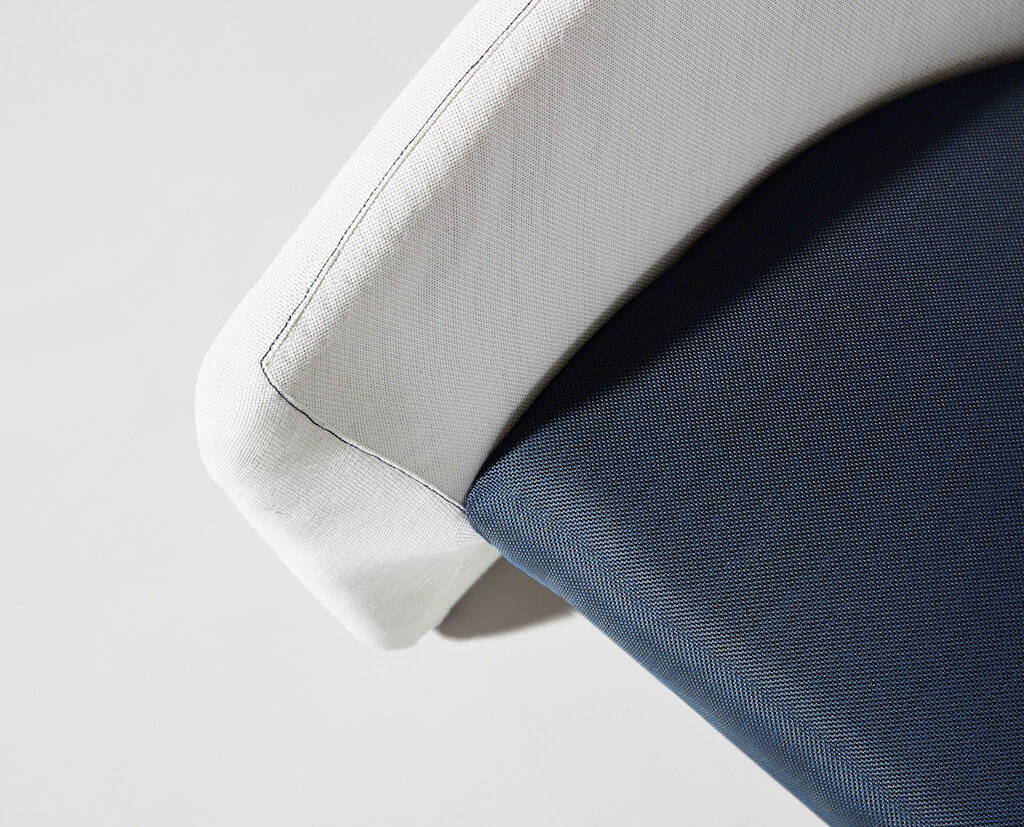
The dialogue between furniture and landscape is another key element. Landscape architecture suggests integrating garden furniture with the natural context, creating continuity between surfaces, colors and materials. In this way, quality outdoor furniture becomes part of the landscape, helping to build a harmonious and welcoming environment. In the contemporary panorama of outdoor space design, some realities interpret this design approach with particular attention to detail. Higold Milano’s outdoor furniture, for example, is part of a vision of outdoor design in which essential shapes and resistant materials are used to create solutions designed to last over time. The collections include tables, chairs and modular compositions designed to configure contemporary terrace furniture and balanced outdoor environments. In these projects, attention to detail – from structural joints to surface finishes – helps to define the identity of the objects and their relationship with the surrounding space. Looking at the evolution of outdoor design, it is increasingly evident that quality does not depend only on the general shape of a piece of furniture, but on a series of apparently minimal design choices. The curvature of a seat, the texture of a material or the precision of a joint can transform a simple element into an object capable of characterizing the entire environment. In this sense, the detail becomes the real protagonist of design outdoor furniture. It is precisely through these small elements that the design of outdoor spaces manages to build coherent, elegant and long-lasting atmospheres, making the garden or terrace places to be lived naturally every day.