Outdoor design and sustainability: materials and conscious choices
How to design responsible outdoor spaces without sacrificing aesthetics and quality
Pubblicato il:
Sustainability has also become a central theme in the design of outdoor spaces. Designing a garden or terrace today means making conscious choices, capable of reducing the environmental impact without compromising the aesthetic and functional quality of the project. It is no longer just about creating beautiful environments, but about developing solutions that are responsible and durable. One of the main aspects concerns the selection of materials. Choosing durable and resistant solutions means reducing the need for replacement over time, contributing to a more efficient use of resources. Materials designed to cope with variable climatic conditions, while maintaining their characteristics unaltered, represent a sustainable choice in the long term. Durability therefore becomes a key value, not only technical but also ethical. In addition to materials, production processes also play a fundamental role. The use of technologies that limit waste, reduce emissions and optimize the use of resources helps to improve the entire product life cycle. Less impactful surface treatments and more efficient industrial processes are elements that directly affect the overall quality of outdoor furniture. Sustainable design is not just a technical issue, however. It is also a cultural approach, which promotes a new idea of design. It means creating objects designed to last over time, avoiding temporary solutions or those linked to passing fashions. A timeless, essential and balanced aesthetic allows the furnishings to maintain their value even after years, reducing consumption and promoting greater continuity.
Galleria immagini
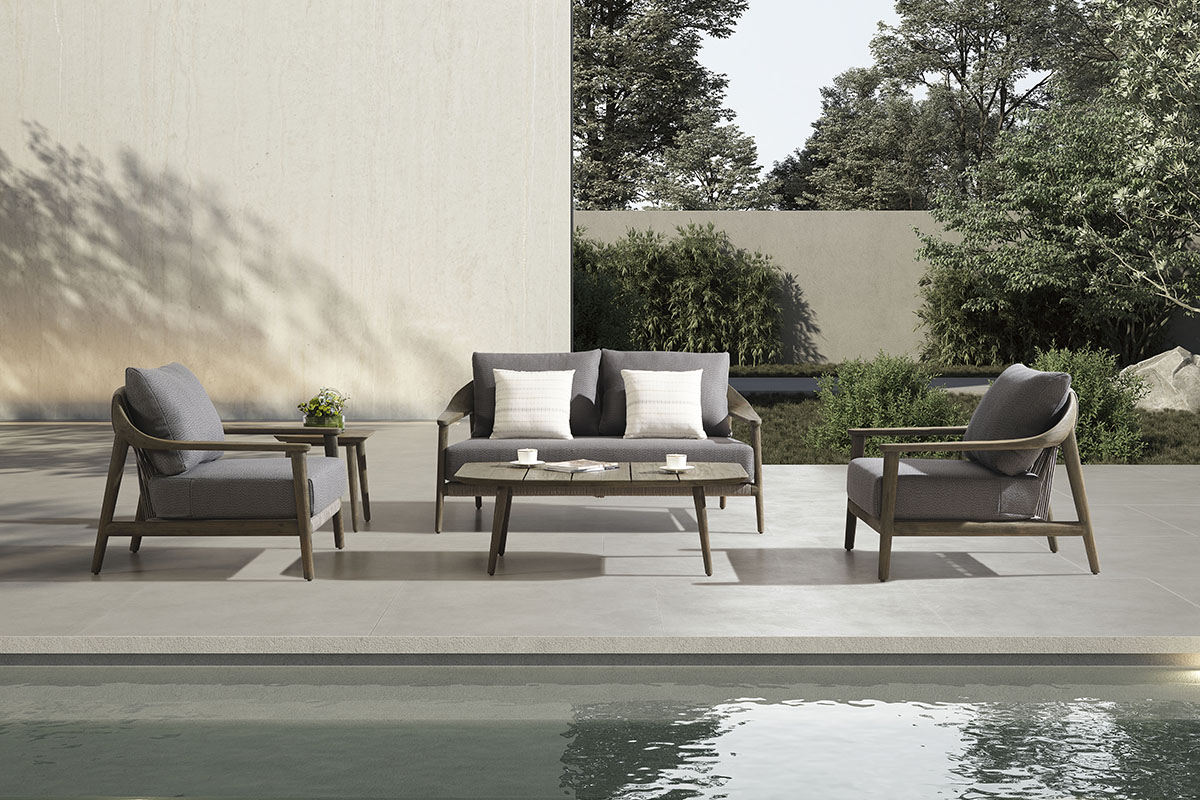
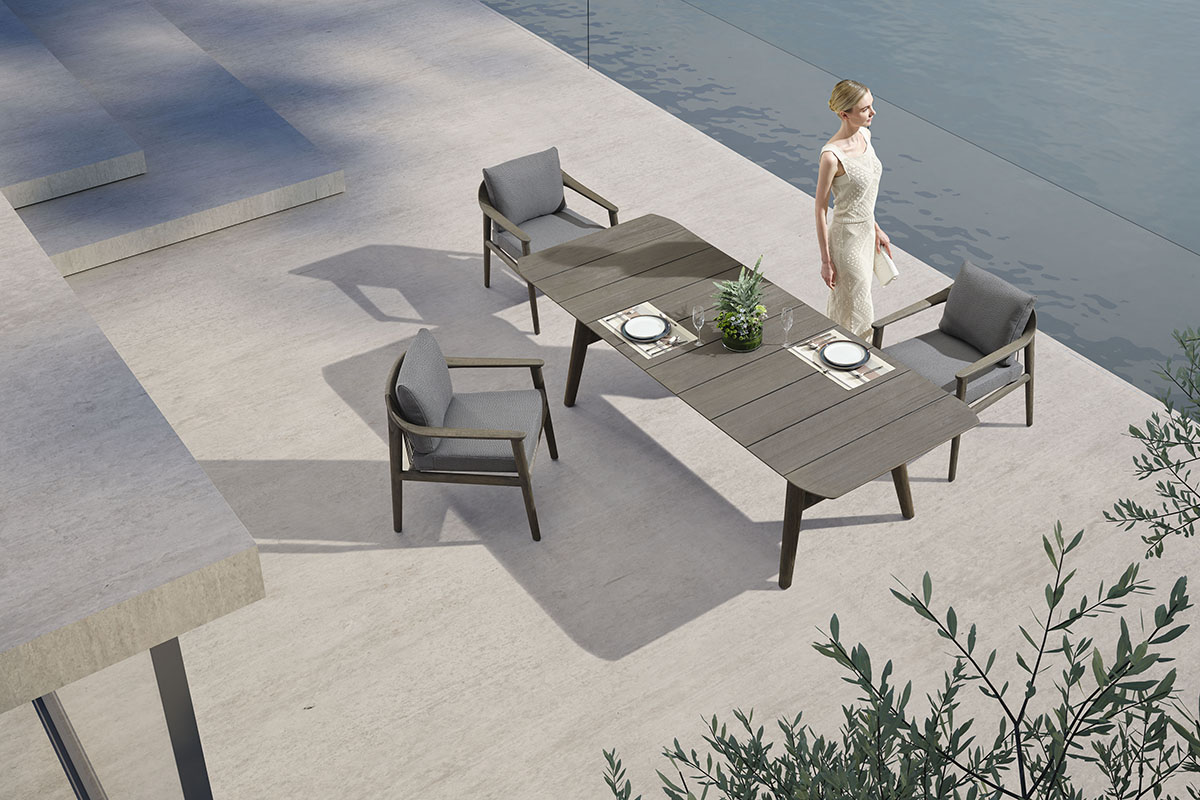
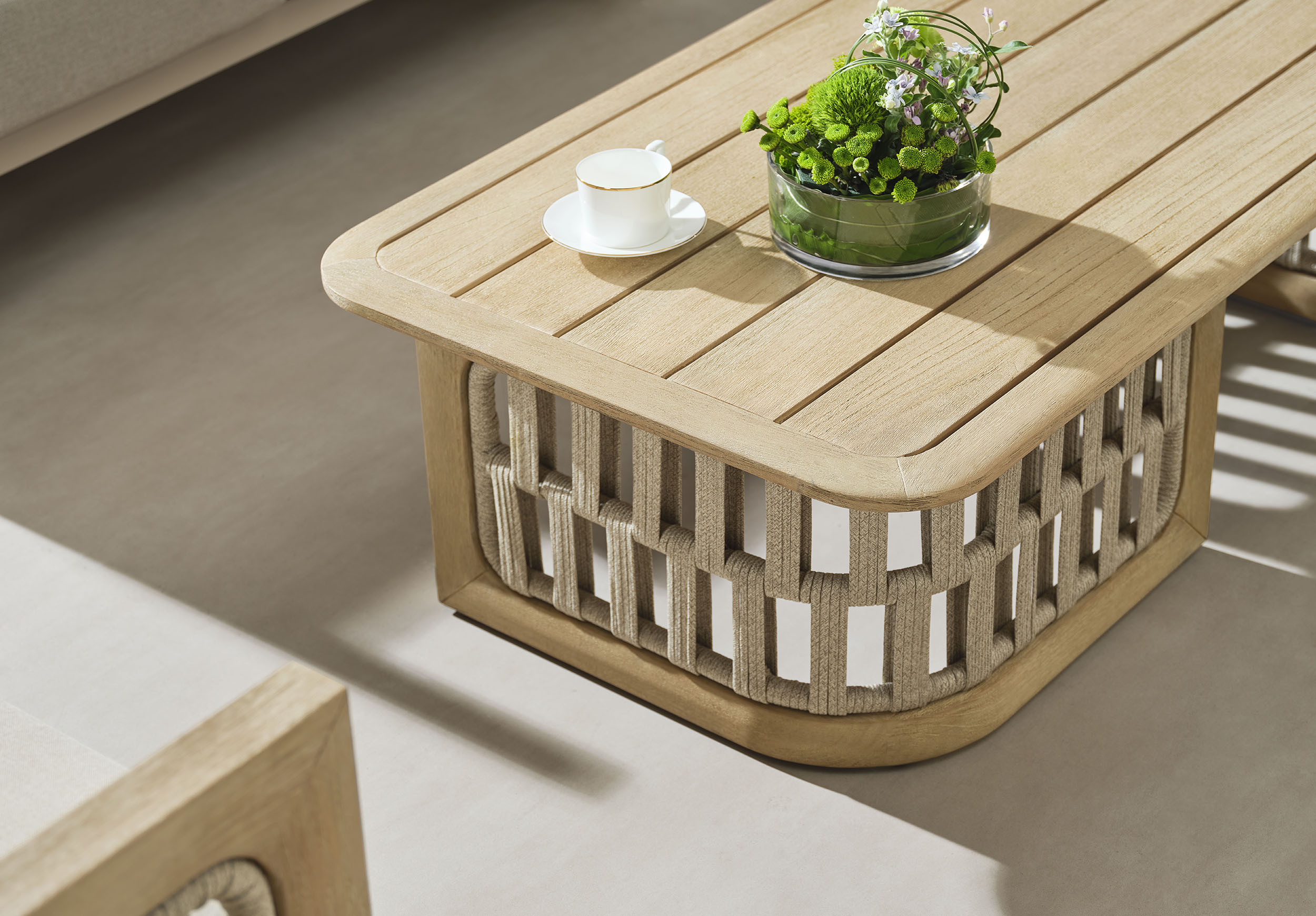
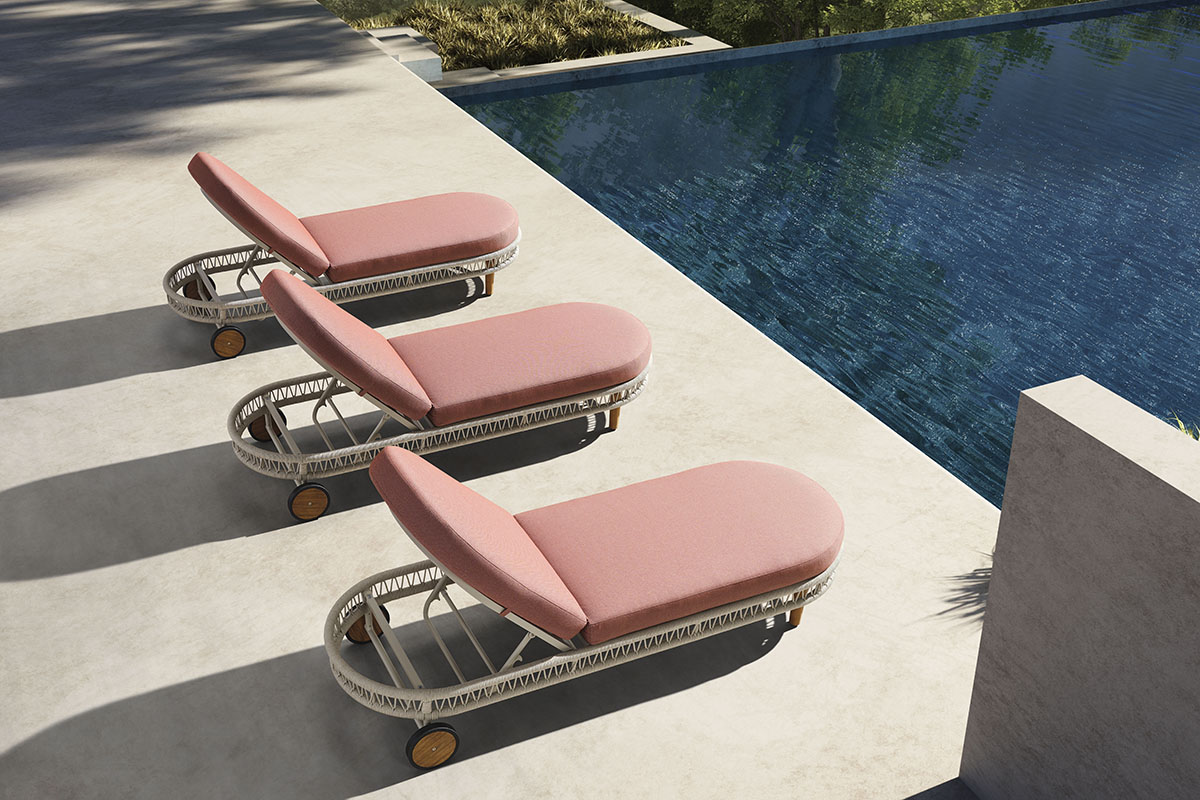
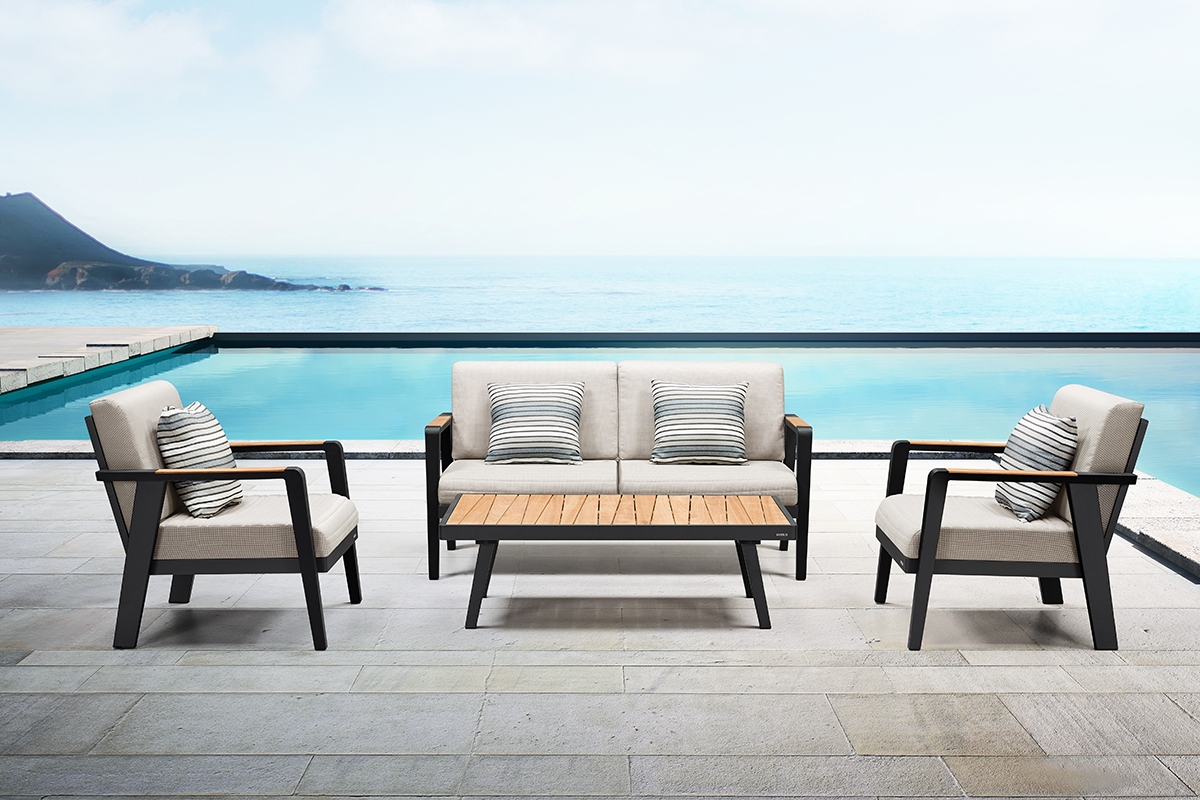
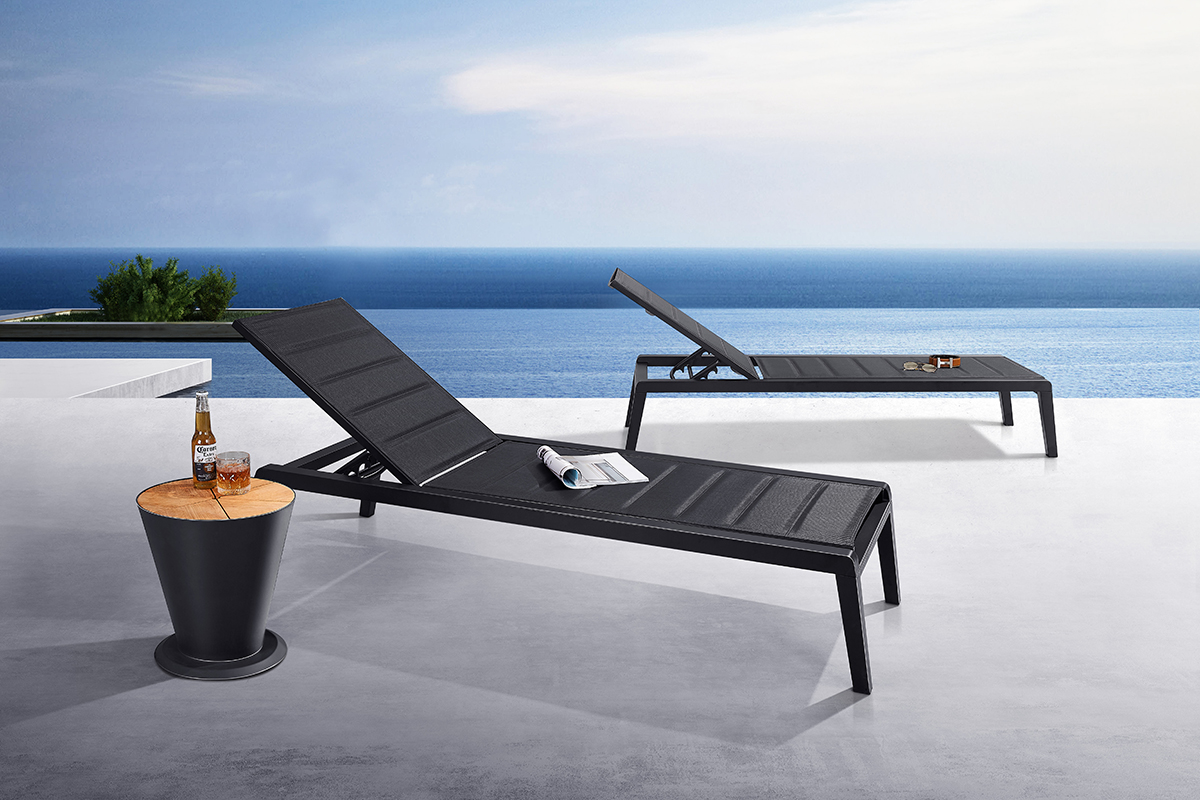
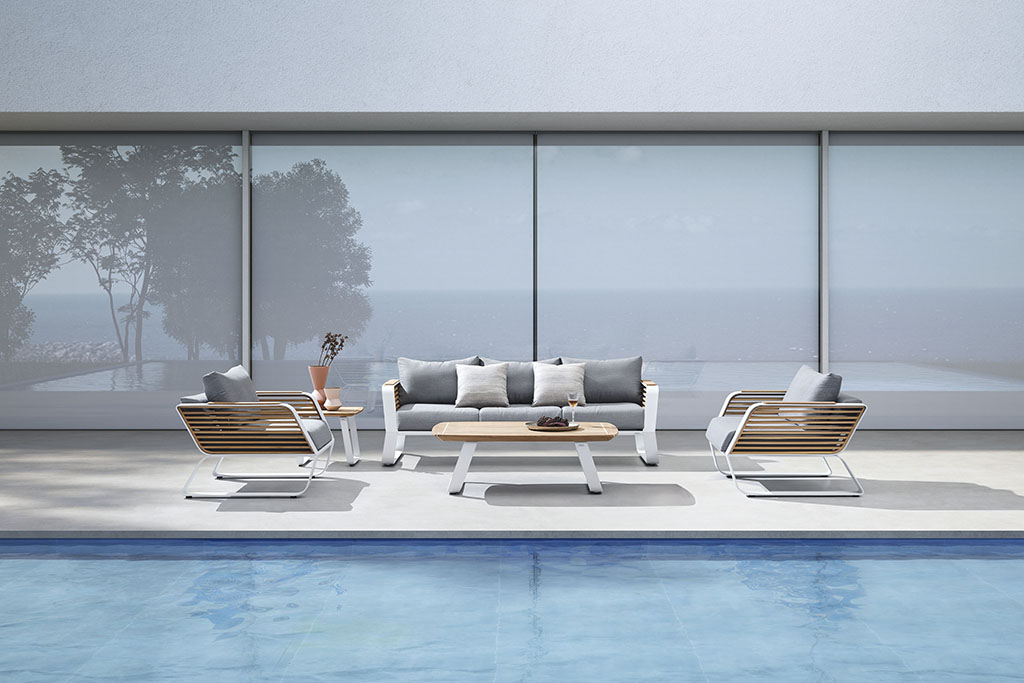
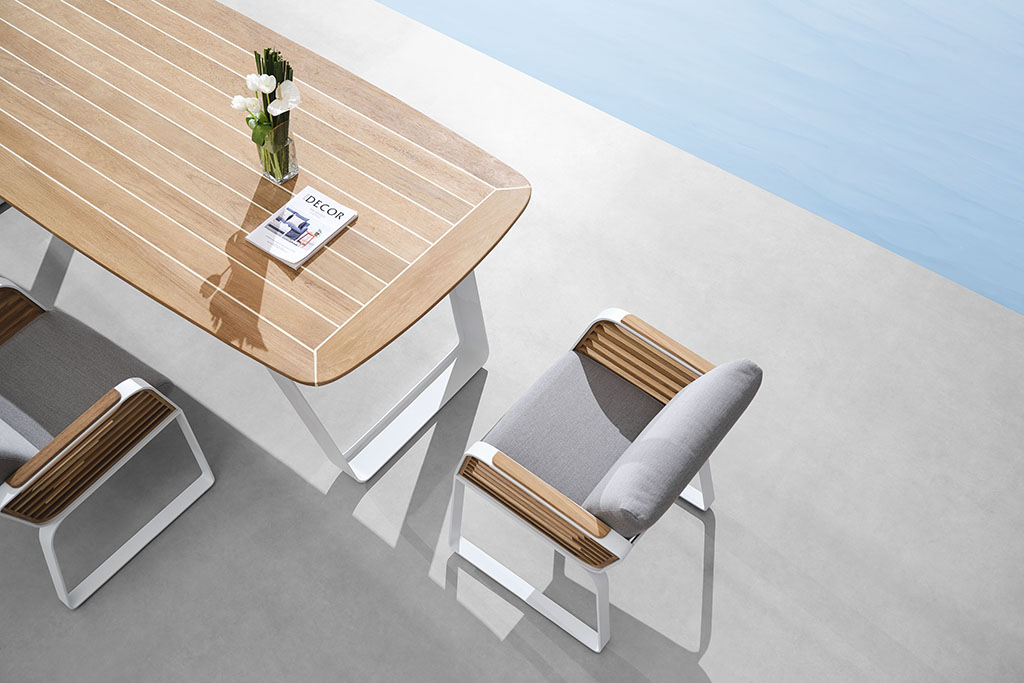
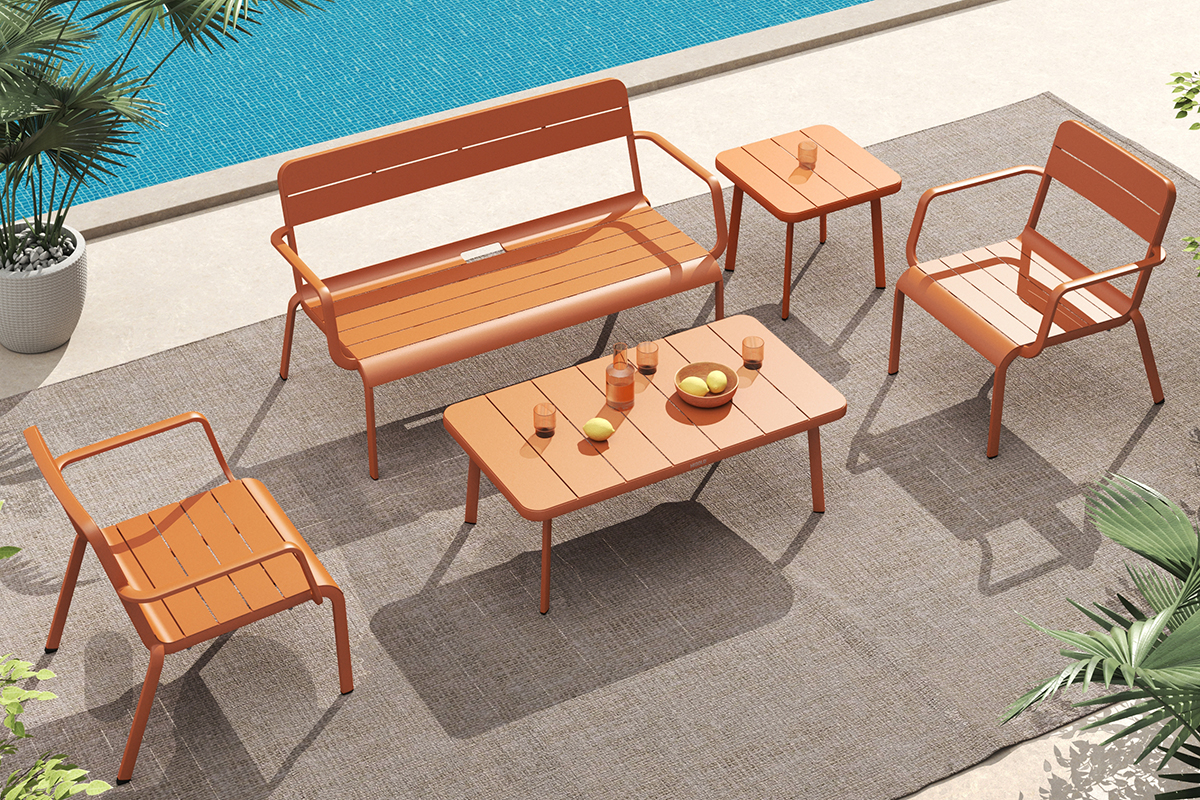
The relationship with the natural context is another key element. Integrating greenery, using neutral colors and choosing materials that dialogue with the surrounding environment helps to create more harmonious spaces that respect the ecosystem. The project does not impose itself on the landscape, but fits in a balanced way, enhancing it. Looking at the project as a whole, outdoor furniture collections such as those of Higold Milano stand out for an approach oriented towards the quality of materials and durability. Attention to construction details and production processes allows us to offer solutions that maintain both technical performance and aesthetic identity over time, fundamental elements from a sustainable perspective. Another aspect to consider is low maintenance. Furniture designed to withstand the elements requires less intervention over the years, reducing the use of chemicals, water and other resources. This translates into both a practical and environmental benefit, improving overall space management. Sustainable outdoor design is therefore a synthesis of aesthetics, functionality and responsibility. An approach that looks to the future, promoting a more careful and conscious way of designing and experiencing outdoor spaces, without sacrificing the quality of the daily experience.