Outdoor materials: how to choose the right ones for durability and design
From technical surfaces to natural materials, a guide to the conscious choice for outdoor furniture
Pubblicato il:
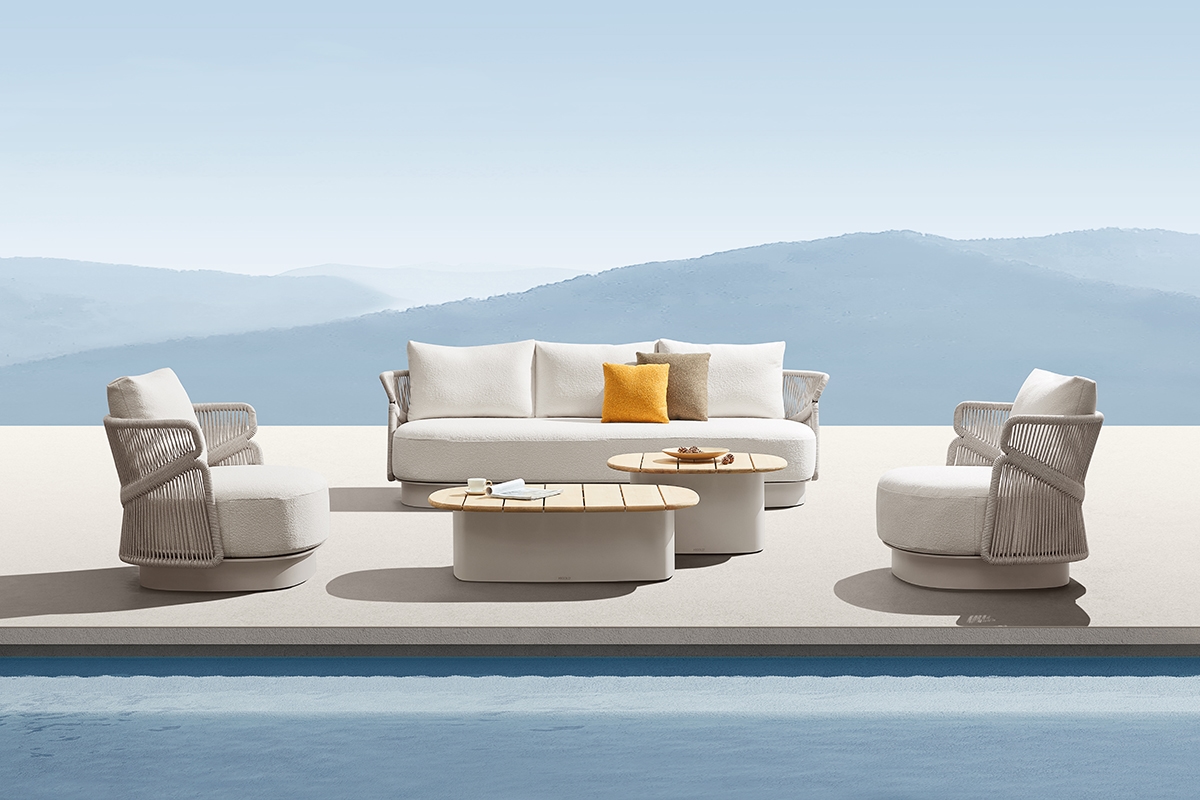
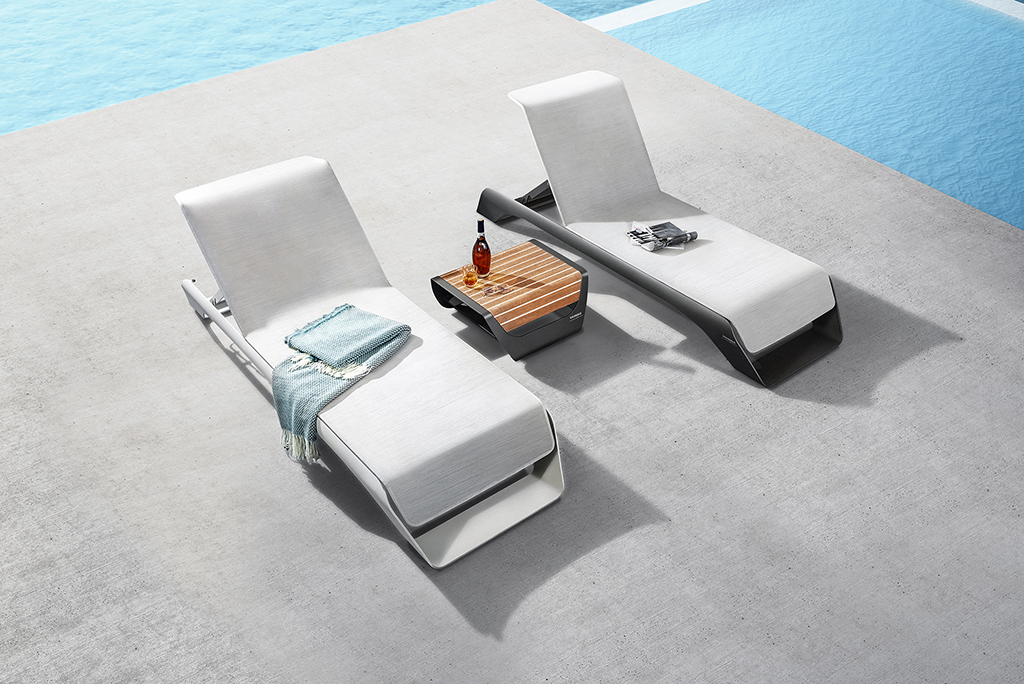
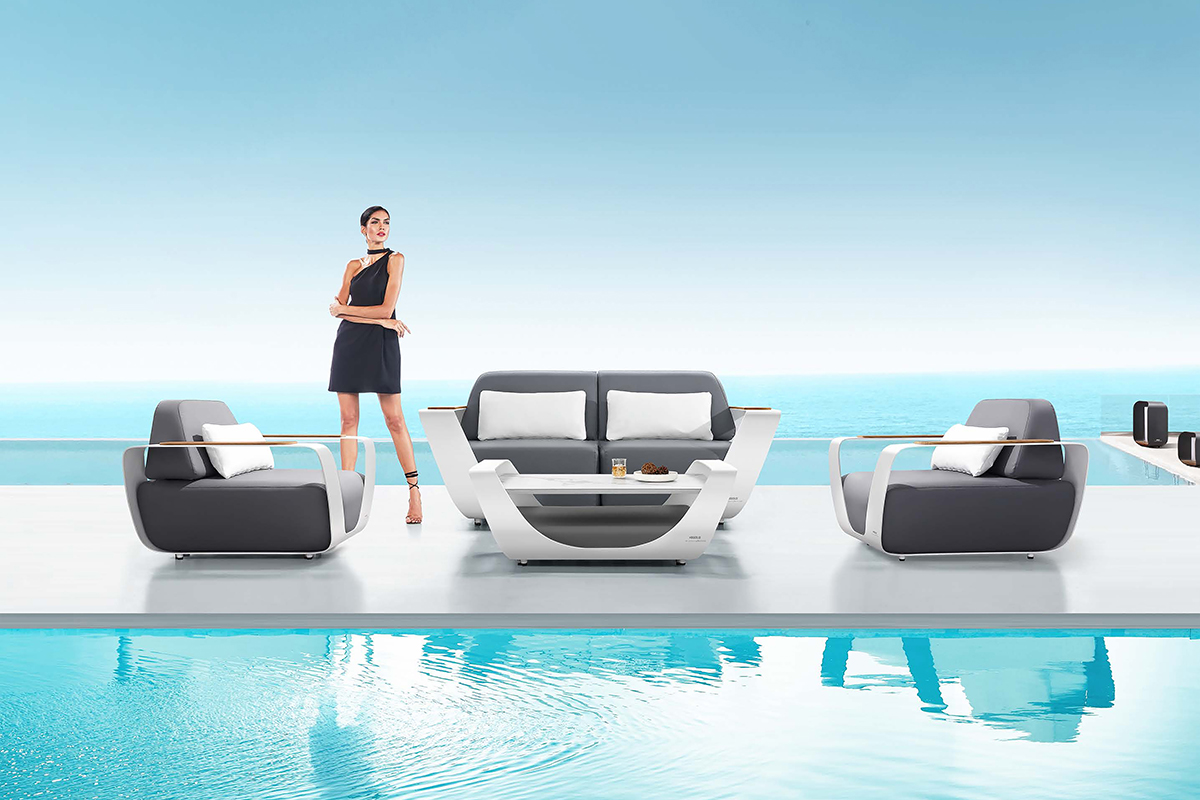
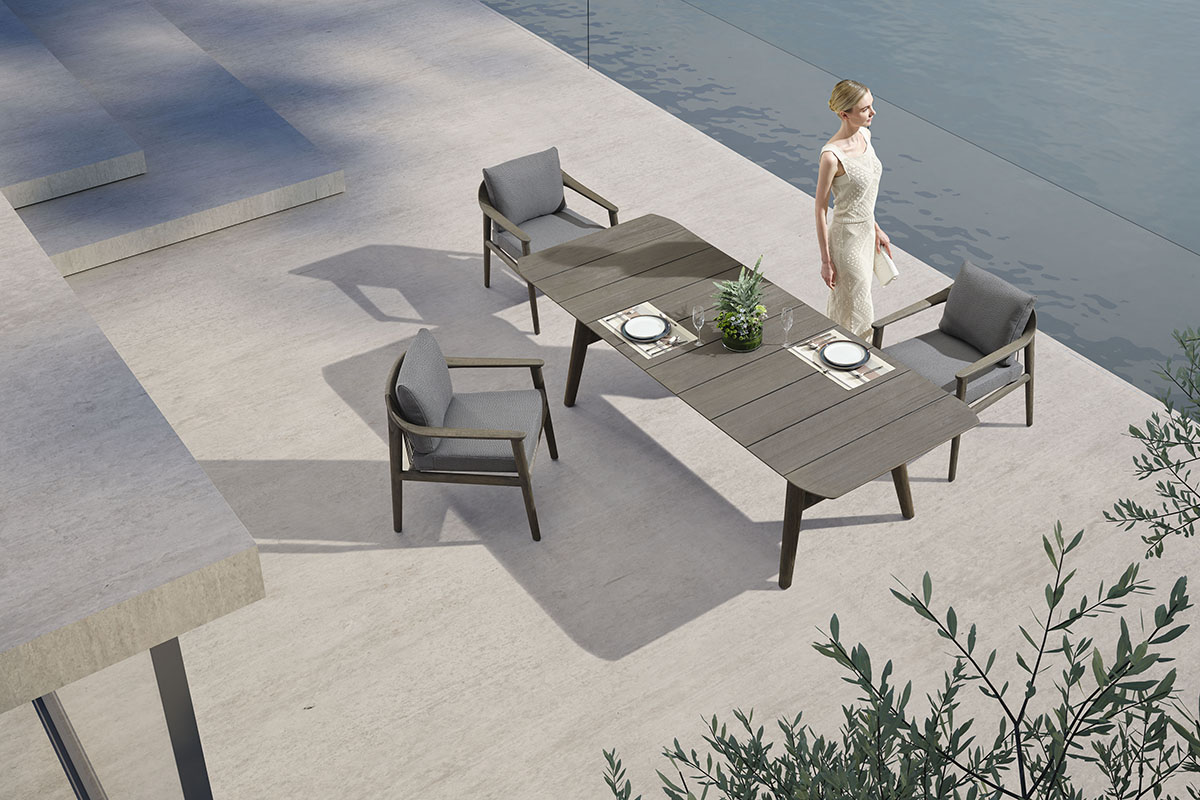
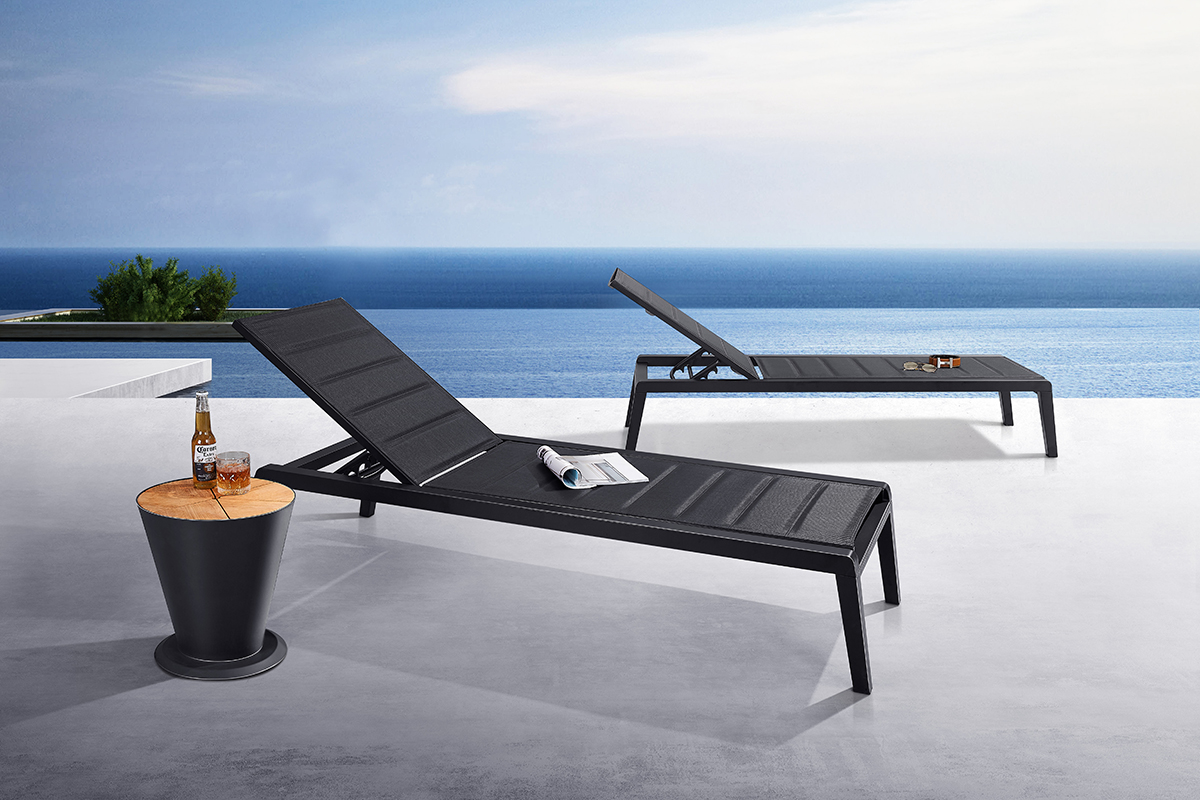
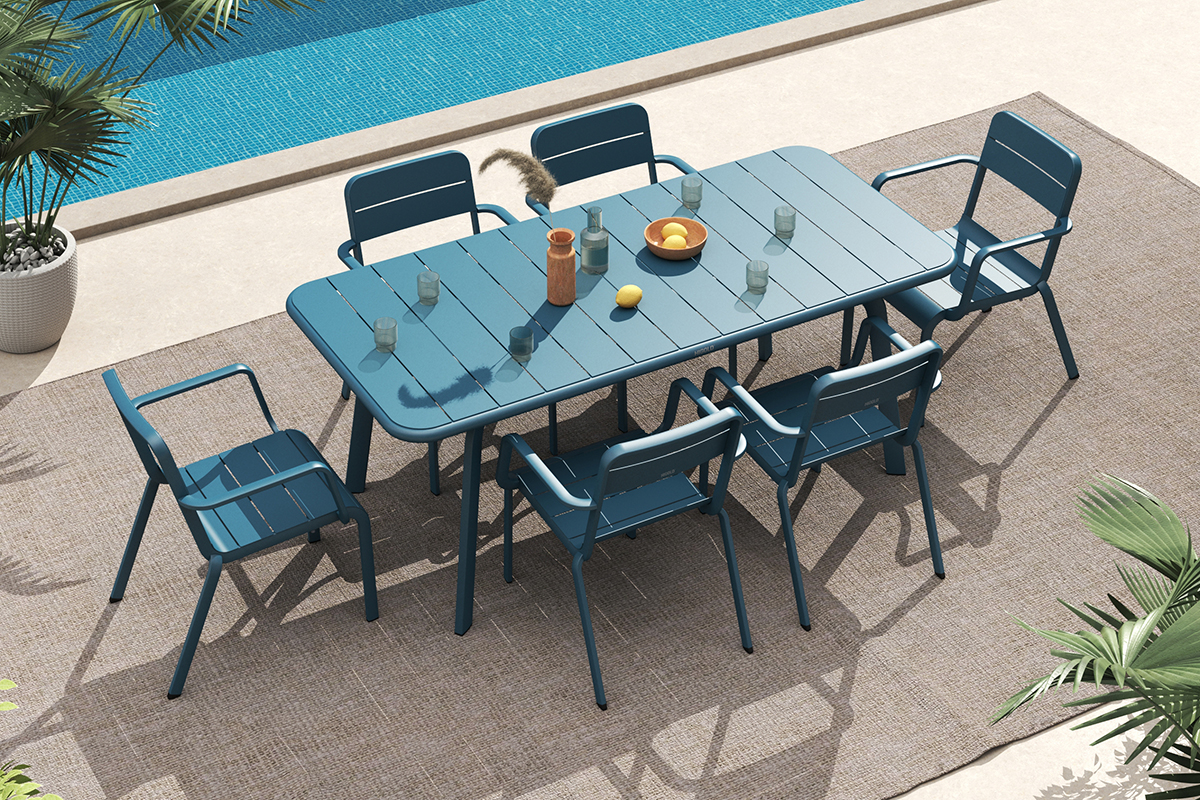
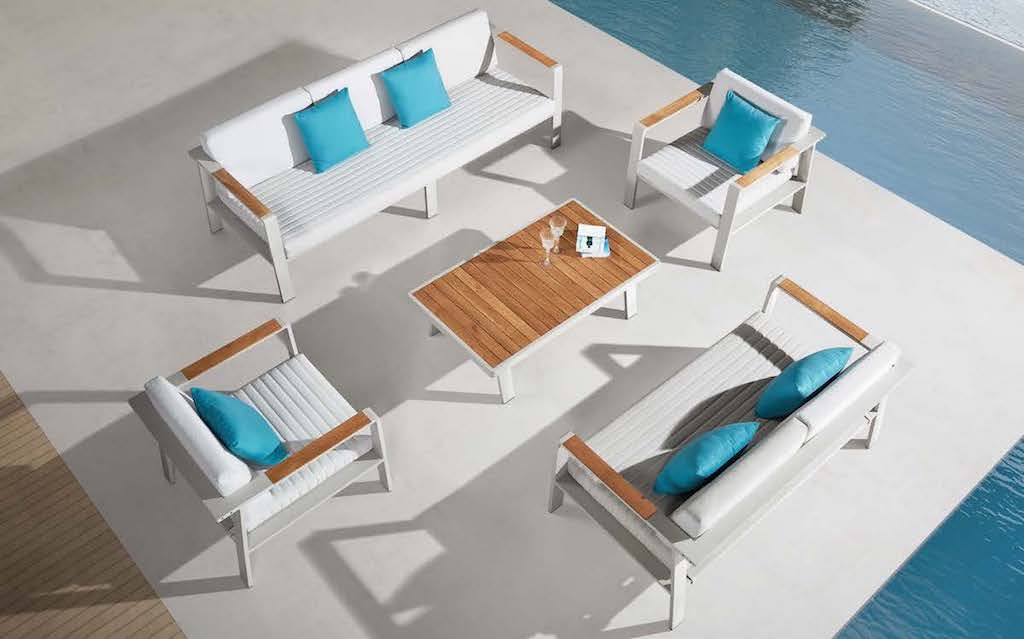
In the design of outdoor spaces, the choice of materials represents one of the most delicate and strategic aspects. Unlike indoor environments, the outdoors is constantly exposed to variable climatic conditions that test the resistance, durability and stability of the furniture over time. Intense sun, rain, humidity and temperature changes require design solutions capable of guaranteeing high performance without compromising aesthetics. The materials used for outdoor furniture must therefore meet very specific requirements: resistance to UV rays, humidity, temperature variations and atmospheric agents in general. However, today these technical aspects are no longer sufficient on their own. Aesthetic quality has taken on a central role, becoming an integral part of the project. It is no longer just a matter of choosing resistant materials, but of identifying surfaces capable of dialoguing with the space and style of the home. Among the most common solutions are treated metals, such as aluminum and painted steel. These materials offer excellent performance in terms of durability and maintenance, making them particularly suitable for contemporary contexts. Their lightness, combined with resistance to corrosion, makes them ideal for furnishings with clean and essential lines, capable of integrating easily into different architectural contexts.
Galleria immagini
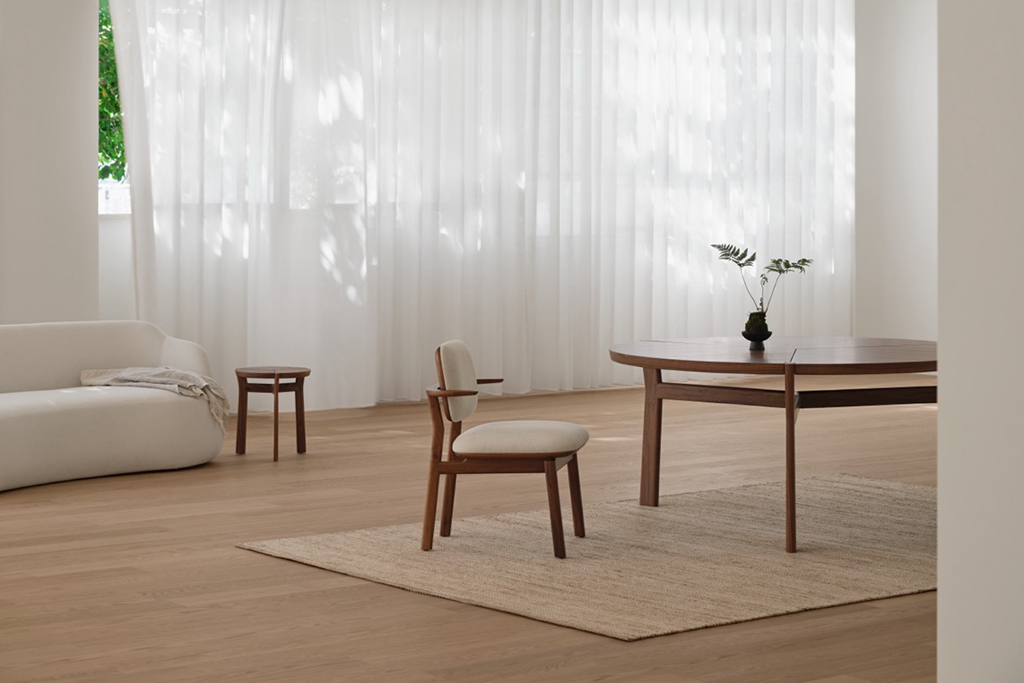
Wood, on the other hand, introduces a more natural and sensory component. It is a choice that immediately recalls warmth and authenticity. If properly treated with protective finishes, it can guarantee good resistance over time, keeping its charm intact. In addition, wood helps to create more welcoming and relaxing environments, ideal for those who want an outdoor space in harmony with nature. In recent years, the so-called technical surfaces, innovative materials designed to combine high performance and aesthetics, have also become established. Resistant, versatile and often easy to clean, they allow you to obtain sophisticated finishes, such as stone or concrete effects, without sacrificing functionality. They are particularly appreciated for their ability to maintain their appearance over time. An element that is often underestimated, but decisive, is the quality of the finishes. Details such as joints, painting and construction work directly affect the longevity of the furnishings and their ability to maintain a well-kept appearance season after season. Good design also passes through these less visible but fundamental aspects. In a quality-oriented design approach, outdoor furniture collections such as those proposed by Higold Milano stand out for their attention to the quality of materials and production processes. The goal is to offer solutions that combine high technical performance with a well-defined aesthetic identity, capable of lasting over time without losing value. Choosing the right materials therefore means designing an outdoor space that can be lived in continuously and without worries. An environment that keeps its character intact, guaranteeing comfort, beauty and functionality season after season, adapting to the needs of those who live it every day.